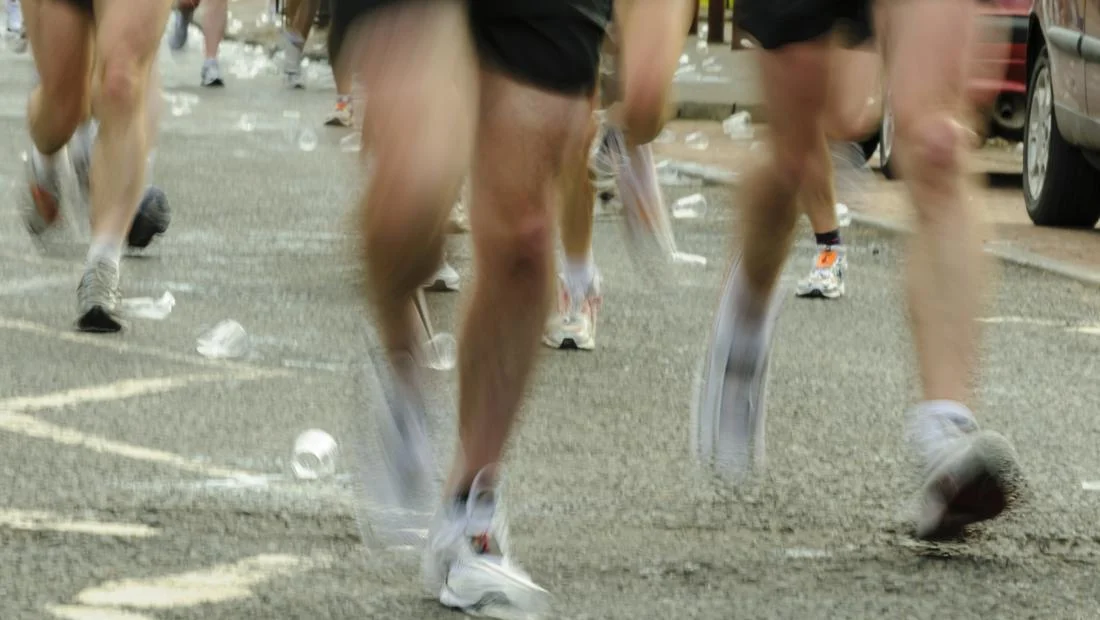
The Jakarta Running Festival (JRF) 2026 is set to transform the capital city’s landscape into a vibrant athletic arena on October 24 and 25, 2026. As one of the most anticipated sporting events in the nation, the festival is expected to draw thousands of domestic and international participants, ranging from elite marathon runners to recreational enthusiasts. To ensure the safety of all runners and the integrity of the race courses, the Jakarta Provincial Government, in coordination with the Jakarta Metro Police (Polda Metro Jaya) and the Transportation Agency (Dishub), will implement extensive temporary road closures surrounding the Gelora Bung Karno (GBK) complex and major arterial routes throughout the city.
The two-day event will feature various race categories, including a full marathon, half-marathon, and shorter distance events designed to cater to a diverse field of participants. Because these routes traverse some of Jakarta’s busiest corridors, the logistical management of traffic flow is a significant undertaking. Commuters and motorists are urged to plan their journeys well in advance to mitigate the impact of these closures, which will begin in the early hours of both Saturday and Sunday.
Event Chronology and Operational Timeline
The traffic management strategy for the JRF 2026 is divided into two distinct phases corresponding to the competition days. On Saturday, October 24, 2026, the closures will commence at 03:00 WIB and are scheduled to remain in effect until 08:45 WIB. This window covers the initial stages of the shorter-distance races.
On Sunday, October 25, 2026, the event shifts to more complex, long-distance routes, necessitating a longer and earlier closure period. Roads are scheduled to be inaccessible to private vehicles starting at 02:30 WIB and are expected to be fully reopened by 09:15 WIB. Authorities have emphasized that these times are estimates, and the reopening of specific road segments will occur incrementally as the last runners pass through designated checkpoints.
Traffic Management and Strategic Diversions
To manage the flow of traffic during these hours, the Jakarta Transportation Agency has developed an extensive grid of alternative routes. These diversions utilize a combination of major arterial roads, flyovers, and, where possible, the Inner City Toll Road network to bypass the race zones.
For motorists traveling during the Saturday event, primary detours include shifting traffic toward Jalan M.H. Thamrin, Jalan Imam Bonjol, and Jalan Rasuna Said. These routes serve as the backbone of the city’s North-South and East-West connectivity during the event. Those typically using the Jalan K.H. Mas Mansyur corridor are advised to utilize the elevated JLNT Prof. Dr. Satrio or proceed toward the Casablanca area to avoid the congestion near the GBK perimeter.
The Sunday traffic plan is significantly more complex due to the longer race distances. Drivers moving through the Central Jakarta area are directed toward alternative thoroughfares such as Jalan Ir. H. Juanda, Jalan Pos, and the Medan Merdeka complex. For those traveling from the southern districts, authorities recommend utilizing Jalan Panglima Polim or bypassing the city center entirely by entering the Inner City Toll Road at the Cawang interchange, exiting at Slipi or Pluit depending on the final destination.
Economic and Social Context of JRF 2026
The Jakarta Running Festival has grown into a cornerstone of the city’s sports tourism calendar. Beyond the athletic achievement, the event serves as a catalyst for local economic activity. Hotels, restaurants, and public transportation services typically experience a surge in demand during the festival weekend.
"The Jakarta Running Festival is not just about the race; it is a display of our city’s capacity to host world-class events while maintaining the daily functionality of a bustling metropolis," noted a spokesperson for the event organizers. The logistics planning involves hundreds of personnel, including traffic officers, medical teams, and event marshals, all working in concert to ensure that while the runners occupy the streets, the city does not grind to a halt.
From an urban planning perspective, these road closures represent a temporary reallocation of public space. Historically, such events have been used as a case study by the Jakarta administration to test traffic management efficiency and the feasibility of car-free zones in high-density areas. The successful implementation of these diversions is crucial for maintaining public order and ensuring that the event remains a positive experience for both participants and non-participating residents.
Analysis of Traffic Implications
The primary challenge for motorists during the JRF 2026 will be the "bottleneck effect" created by the closure of major thoroughfares such as Jalan Gatot Subroto and Jalan S. Parman. These roads serve as vital links for commuters moving between the western and southern parts of the city.
Data from previous large-scale events in Jakarta suggests that the most effective way to navigate the city on race days is by prioritizing public transit. While the TransJakarta bus service may also experience route adjustments, it remains the most reliable mode of transportation during major road closures. Authorities strongly advise the public to avoid non-essential travel in the vicinity of Senayan and the Central Business District (CBD) during the closure windows.
Furthermore, the integration of the Inner City Toll Road as a designated alternative route is a strategic move to keep commercial and private traffic moving. By directing long-distance commuters toward the toll network, the city aims to prevent the overflow of traffic into smaller residential streets, which can lead to severe congestion in local neighborhoods.
Official Guidelines and Public Cooperation
The Jakarta Metro Police have issued a formal advisory for all road users to adhere strictly to the guidance of officers on the ground and to follow temporary road signs. "The goal is to maintain a balance between the festivities of the JRF and the essential mobility of the public," a police representative stated.
To ensure a seamless weekend, participants and the general public are encouraged to:
- Utilize Navigation Apps: Real-time updates on road closures will be integrated into popular navigation platforms like Google Maps and Waze to assist drivers in finding the fastest available routes.
- Use Public Transportation: The MRT Jakarta and the TransJakarta network will continue to operate, though passengers should check for modified stops or schedules near the event perimeter.
- Plan Early: For those who must travel during the early morning hours, it is advised to map out the route at least 24 hours in advance and allow for additional travel time.
- Follow Official Channels: Updates regarding any changes to the closure schedules or traffic conditions will be broadcast through the official social media channels of the Jakarta Transportation Agency and the JRF 2026 organizing committee.
Broader Impact and Future Outlook
The scale of the Jakarta Running Festival 2026 underscores the rising trend of health and fitness awareness in the Indonesian capital. As the city continues to modernize its infrastructure, events like this serve to promote a more pedestrian-friendly urban environment. The lessons learned from the traffic management of this year’s festival will likely inform future urban policies, particularly regarding how Jakarta balances its status as a commercial hub with its growing ambition to become a premier destination for international sporting events.
While the closures will undoubtedly cause temporary inconvenience for some, the collective benefit of hosting a world-class athletic event brings prestige to Jakarta and encourages a healthy, active lifestyle among its residents. By adhering to the provided routes and staying informed, the public can contribute to the success of the JRF 2026, ensuring that the city remains an inclusive space for both runners and citizens alike.
In conclusion, the success of the 2026 Jakarta Running Festival rests not only on the organizers and the athletes but also on the cooperation of the public. Through meticulous planning and adherence to the established traffic diversions, the city aims to navigate the potential disruptions caused by the event, reinforcing Jakarta’s reputation as a resilient and vibrant capital city. As the date approaches, continuous updates from the municipal authorities will remain the most reliable source of information for those navigating the city during this high-profile weekend.