
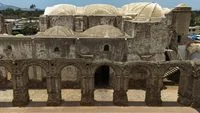
The small, historic city of Zana, nestled in the Lambayeque region of northern Peru, stands on the precipice of a profound transformation as it prepares for the arrival of Pope Leo XIV. Scheduled for November 11–17, the papal visit is being viewed by local residents not merely as a high-profile diplomatic event, but as a symbolic conclusion to centuries of perceived misfortune. For nearly three hundred years, Zana has been shrouded in a narrative of "divine punishment" and decline, a reputation that has hampered its development and cast a long shadow over its colonial heritage. As the city readies its streets and restores its crumbling remnants of faith, the visit of the Pontiff represents a potential turning point in its modern history.
A Legacy of Prosperity and Ruin
Zana’s origins trace back to the 16th century when, under Spanish colonial rule, it emerged as a thriving commercial hub. Its strategic location and fertile surroundings attracted wealthy settlers, leading to the construction of opulent churches and administrative buildings that signaled the city’s importance in the vice-royalty of Peru. At its zenith, Zana was a testament to the influence of the Spanish Empire, serving as a cultural and economic anchor for the region.
However, the 17th and 18th centuries brought a series of calamities that would irrevocably alter the city’s trajectory. Chronicled historical accounts suggest that the city was plagued by recurrent floods—most notably a catastrophic event in the early 18th century—that devastated its infrastructure. These environmental disasters, coupled with persistent pirate raids from the nearby coast and the infamous assassination of a local Catholic priest during the colonial era, fostered a local mythology of divine retribution.
Rosario Cossio, the director of the Afro-Peruvian Museum in Zana, notes that the murder of the priest was a pivotal moment in the city’s social psyche. Following the incident, the ecclesiastical authorities declared the city "no longer worthy of the celebration of Catholic sacraments." This formal censure effectively isolated Zana, stripping it of its status and contributing to its gradual descent from a bustling trade center to a quiet, rural town of approximately 4,000 inhabitants. Today, the city is defined by the haunting beauty of its ruins, where the skeletal remains of colonial churches provide perches for Andean vultures, serving as a stark reminder of lost glory.
The Spiritual Significance of Santo Toribio de Mogrovejo
Despite its reputation for misfortune, Zana has maintained a deep, enduring connection to Santo Toribio de Mogrovejo. The Spanish missionary, who served as the second Archbishop of Lima, spent his final days in Zana in 1606. Known for his tireless efforts to evangelize the indigenous populations of Peru and his courageous opposition to the abuses of the Spanish colonial administration, Santo Toribio remains a towering figure of justice and faith.
The upcoming papal visit is specifically timed to commemorate the 300th anniversary of the saint’s canonization. For the Catholic Church, the choice of Zana is intentional; Pope Leo XIV has frequently cited Santo Toribio as a primary moral influence, admiring the missionary’s defiance against structural corruption and his dedication to the marginalized. By holding these commemorative events in Zana, the Vatican seeks to reclaim the city’s narrative, transitioning it from a site of "curse" to a center of pilgrimage and reconciliation.
A Pontiff Returning Home
The visit of Pope Leo XIV carries a unique emotional weight due to the Pontiff’s personal history with the country. Born in Chicago, USA, Leo XIV did not follow the traditional trajectory of a Roman-born or European-centric leader. Instead, he spent nearly two decades living and working in Peru, gaining a profound understanding of its cultural and socio-religious landscape.
In 2015, the Pope was granted Peruvian citizenship, a reflection of his deep integration into the local society. Having served as an archbishop in the region from 2015 to 2023, he established long-standing relationships with the communities of Lambayeque. Throughout his tenure, he made frequent, quiet visits to Zana to observe the feast of Santo Toribio, creating a bond with the local population that transcends standard pastoral relations.
"The Pope is returning home," says Maria Colchado, a 63-year-old resident and community volunteer. Her sentiment is shared by many who view the visit as the ultimate validation of their city. For the residents of Zana, the presence of a Pope who understands the nuances of Peruvian life is seen as a "magnificent blessing."
Preparation and Civic Mobilization
The logistical and spiritual preparations for the November visit have mobilized the entire town. Volunteers like Colchado have been working to renovate the city’s remaining modest church, which will serve as the focal point for the papal ceremonies. Funding for these efforts has been raised through community-driven initiatives, including local raffles and donations, reflecting a collective desire to showcase the city in its best light.
Edinson Farfan, the current bishop of Chiclayo and successor to Pope Leo, has been instrumental in coordinating the visit. According to Farfan, the local community is driven by a profound sense of pride. "The Holy Father loves Zana deeply," Farfan stated in an interview. "Everyone wants to display the best of our city, to prove that our history is not defined by the past, but by our hope for the future."
The town is currently undergoing a visual transformation. Houses are being repainted in traditional colors, and hundreds of Vatican flags have been ordered to decorate the narrow streets. Massive posters depicting the likeness of both Santo Toribio and Pope Leo XIV have been mounted on the walls of the municipal hall and the main church, where the precious relic—a portion of the saint’s tibia—is housed and venerated.
Analytical Perspective: The Broader Implications
The visit of Pope Leo XIV to Zana serves as a powerful case study in the role of the Catholic Church in historical rehabilitation. By elevating a forgotten and stigmatized location to the international stage, the Vatican is engaging in a process of "social healing."
From a socio-economic standpoint, the visit is expected to catalyze interest in the region’s historical tourism. Peru, which has been seeking to diversify its tourism sector beyond the iconic ruins of Machu Picchu, stands to benefit from the increased visibility of its northern colonial routes. If the visit succeeds in rebranding Zana as a site of spiritual significance rather than one of misfortune, it could provide the necessary infrastructure investment to preserve the town’s crumbling heritage sites.
However, the challenge remains long-term. While the "curse" may be lifted in the eyes of the faithful, the city still faces significant developmental hurdles, including the need for modern sanitation, infrastructure, and poverty reduction. The visit serves as a catalyst, but the sustainability of Zana’s renewal will depend on whether this moment of international attention can be translated into long-term governmental and charitable support.
Timeline of Key Events
- 1606: Death of Santo Toribio de Mogrovejo in Zana.
- 17th–18th Century: Period of Zana’s economic decline following major flood events and social instability.
- 2015: The future Pope Leo XIV receives Peruvian citizenship and begins his tenure as Archbishop in the region.
- 2015–2023: Leo XIV makes multiple private pilgrimages to Zana to celebrate the feast of Santo Toribio.
- November 11–17 (Upcoming): Official papal visit to Zana, commemorating the 300th anniversary of the canonization of Santo Toribio.
As November approaches, the mood in Zana is one of guarded optimism. The "curse," a narrative that has defined the city for three centuries, is being systematically dismantled by the combined efforts of the community and the highest authority of the Church. Whether this visit will truly redefine Zana remains to be seen, but for the people living in the shadow of the old colonial walls, the message is clear: the era of ruin has ended, and a new chapter of visibility and hope has begun.

