
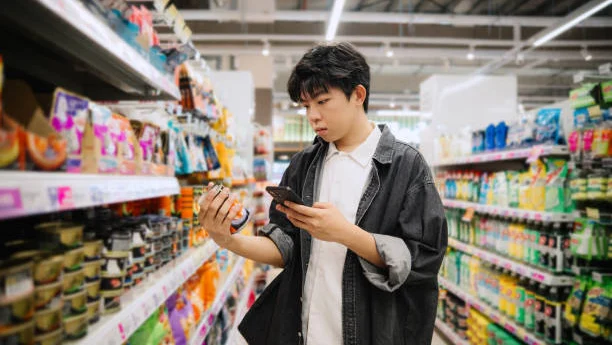
The practice of packing homemade snacks and meals, once a stereotype solely associated with schoolchildren, is experiencing a significant resurgence, particularly among Generation Z. This trend has transcended the school gates, becoming a popular habit for young adults navigating university campuses, corporate offices, and travel. This shift in lifestyle is directly linked to a heightened awareness of dietary habits and a proactive approach to well-being, with many Gen Z individuals embracing meal preparation techniques to streamline their busy schedules. The underlying motivations behind this deliberate choice to prepare snacks rather than purchase them on the go are multifaceted and reveal a deeper commitment to personal health and mindful consumption.
Health as a Paramount Investment
Recent research underscores the profound shift in Gen Z’s priorities, positioning health and well-being above many traditional markers of discretionary spending. A comprehensive study, the "2024 State of Healthy Eating and Well-being Report" by Lifesum, surveyed 10,000 Gen Z and Millennial respondents. The findings indicate a significant willingness among these demographics to reallocate their budgets, often cutting back on expenses related to fashion, technology, and even entertainment streaming services, in favor of healthier food options.
Specifically, 62% of the surveyed individuals reported being willing to reduce their spending on fashion, while 55% indicated a decrease in their technology budgets. Furthermore, 36% of respondents stated they were prepared to cancel or reduce their subscriptions to streaming services. This data strongly suggests that for this generation, investing in nutritious snacks and meals is not merely a preference but a strategic allocation of financial resources, viewed as an investment in their long-term health. This contrasts sharply with previous generations where such discretionary spending often prioritized immediate gratification or material possessions. The implications of this financial recalibration are significant, potentially influencing consumer trends and the market for health-focused food products.
Beyond Frugality: The Pursuit of Control and Long-Term Well-being
The decision to prepare snacks from scratch is not driven by a desire to be perceived as frugal, but rather by a fundamental need for control over what is consumed. By preparing their own food, Gen Z individuals gain complete oversight of the ingredients used, the nutritional composition, the sugar content, and the portion sizes. This level of control is often unattainable when relying on commercially available snacks, which may contain hidden sugars, excessive sodium, or artificial additives.
While preparing food at home can undoubtedly lead to cost savings in the long run, the primary motivation for Gen Z extends beyond mere financial prudence. It is rooted in a profound understanding that daily dietary choices have a direct and lasting impact on their future health. This foresight demonstrates a maturity in their approach to well-being, viewing food as a tool for disease prevention and sustained vitality. This perspective aligns with a growing global movement towards preventative healthcare, where lifestyle choices are recognized as powerful determinants of health outcomes.
Evolving Snack Selections: Diversity and Nutritional Consciousness
The evolution of packed snacks by Gen Z mirrors the broader shift in their dietary awareness. Gone are the days when packed lunches were exclusively synonymous with rice and traditional side dishes. Today’s Gen Z are curating a diverse array of snacks that cater to both convenience and nutritional value. This spectrum includes freshly cut fruits, a variety of nuts and seeds, overnight oats, and increasingly, convenient fruit snacks.
Fruit snacks, in particular, have emerged as a popular choice due to their ease of consumption. They offer the flavor and nutritional benefits of fruit without the need for peeling or cutting, making them ideal for individuals on the move. The compact packaging of these products further enhances their portability, allowing them to be easily stowed in backpacks or handbags for consumption at the office, university, or during travel.
What is particularly noteworthy is the elevated standard Gen Z applies to these snack choices. They are no longer solely influenced by taste but are increasingly scrutinizing ingredient lists, fruit content, and the sources of sweetness used in processed products. This demand for transparency and natural ingredients is a significant driving force behind innovation in the food industry, compelling manufacturers to develop products that are not only palatable but also align with a more natural and wholesome approach to snacking. This trend reflects a growing distrust of artificial ingredients and a preference for recognizable, whole-food components.
Small Habits, Profound Impact: Food as Self-Care
The habit of bringing homemade snacks might appear to be a minor personal choice. However, it signifies a broader redefinition of eating habits among Gen Z, where food is increasingly viewed as an integral component of self-care rather than simply a means to satisfy hunger. This perspective aligns with the findings of Lifesum’s report, which highlights that for Gen Z and Millennials, healthy eating has become an accessible and affordable source of enjoyment, particularly in an economic climate where other expenditures can feel burdensome.
The deliberate act of preparing and consuming one’s own food becomes a tangible expression of self-nurturing. It is a conscious decision to prioritize one’s physical well-being, contributing to a sense of agency and control over one’s health journey. This conscious consumption extends beyond the immediate benefits of good nutrition, fostering a mindful relationship with food that can have ripple effects on overall mental and emotional well-being.
Broader Implications and Future Trends
The rise of the homemade snack culture among Gen Z has several significant implications:
- Market Shifts: Food manufacturers are compelled to adapt by offering products with cleaner labels, higher fruit content, and reduced added sugars. This could lead to a more competitive market for healthy convenience foods.
- Economic Impact: While individual spending on pre-packaged snacks may decrease, there could be an increase in spending on fresh produce, nuts, seeds, and ingredients for home preparation.
- Health Outcomes: A sustained commitment to healthier eating habits among a large demographic could lead to improved public health outcomes in the long term, potentially reducing the burden of diet-related diseases.
- Social Influence: As Gen Z’s healthy eating habits gain visibility through social media and peer influence, this trend is likely to spread to other age groups and become more deeply embedded in societal norms.
The trend also highlights a growing disconnect between the marketing of convenience foods and the evolving values of younger consumers. While convenience remains a factor, it is increasingly being weighed against health, sustainability, and ethical considerations.
The Role of Technology and Social Media
It is important to acknowledge the role that technology and social media play in amplifying this trend. Platforms like Instagram, TikTok, and YouTube are replete with content related to meal prepping, healthy recipes, and "what I eat in a day" videos. These platforms not only provide inspiration but also demystify the process of healthy eating, making it seem more accessible and less intimidating. Gen Z’s digital fluency means they are adept at sourcing information, sharing their own experiences, and participating in online communities centered around health and wellness. This creates a powerful feedback loop, reinforcing the desirability and practicality of homemade snacks.
Furthermore, the availability of affordable and efficient kitchen gadgets, smart food storage solutions, and online grocery delivery services further simplifies the process of meal preparation for busy young adults. These technological advancements, coupled with a cultural shift in priorities, create a fertile ground for the sustained growth of this healthy snacking movement.
A Look Ahead: Sustaining the Momentum
The current trajectory suggests that the Gen Z’s commitment to healthy eating and homemade snacks is not a fleeting fad but a foundational shift in consumer behavior. As this generation matures and gains greater purchasing power, their influence on the food industry and broader health landscape will only increase. The challenge for the food industry will be to authentically align with these evolving values, offering products that genuinely contribute to well-being without compromising on convenience or taste.
For individuals, this conscious approach to food consumption serves as a powerful example of how small, deliberate choices can contribute to significant long-term benefits. The act of packing a snack is no longer just about sustenance; it is a statement of self-respect, a commitment to a healthier future, and a tangible demonstration of prioritizing well-being in an increasingly demanding world. This movement, driven by a generation that is both digitally savvy and health-conscious, is reshaping the very definition of a convenient and fulfilling lifestyle.

