
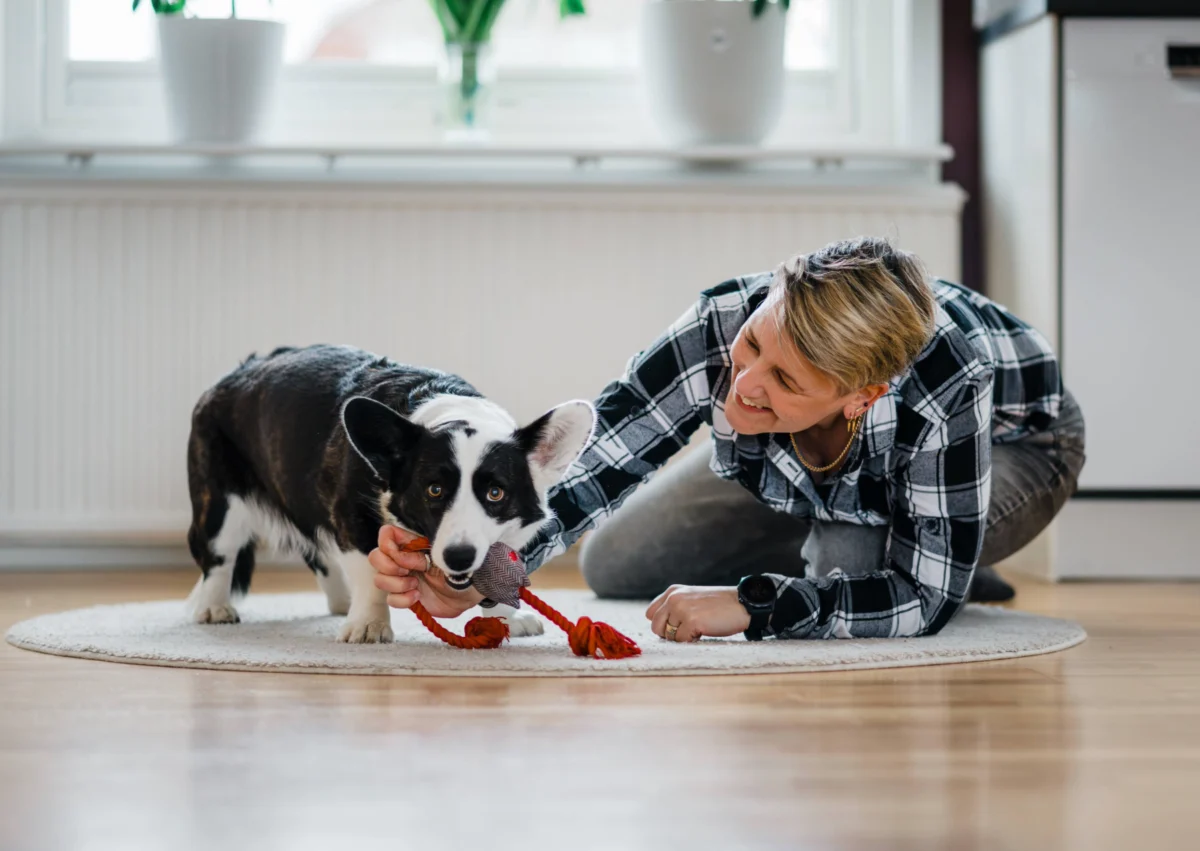
A groundbreaking study published in the journal Royal Society Open Science has provided empirical evidence for what many pet owners have long suspected: dedicating just a few extra minutes each day to interactive play can significantly deepen the emotional connection between a dog and its human companion. Led by researchers at Linköping University in Sweden, the study highlights play as a vital tool for relationship building, particularly for adult dogs and rescue animals that may have missed critical socialization periods during their puppyhood. While the benefits of exercise and training are well-documented in canine science, this research specifically isolates "play" as a primary driver for emotional synchrony, suggesting that the quality of social interaction outweighs the simple act of providing physical activity.
The Scientific Framework of the Human-Canine Bond
The relationship between humans and dogs is one of the most unique interspecies bonds in the natural world, evolving over tens of thousands of years. Historically, dogs were viewed primarily as working animals—hunters, herders, and guardians. However, in the modern era, their role has shifted toward "social companions" or "family members." Despite this shift, the mechanics of how an emotional bond is maintained in adulthood have remained somewhat elusive to researchers.
Canine development typically features a "socialization window" that occurs between three and fourteen weeks of age. During this period, puppies are most receptive to forming bonds and learning social cues. For the millions of dogs adopted from shelters as adults, this window has long since closed. Dr. Lina Roth, a sensory biologist and senior associate professor at Linköping University, emphasized that this research offers a "second chance" for these animals. By engaging in intentional play, owners can bypass the lack of early-life history and establish a secure, affectionate attachment with an adult dog.
Methodology: A Comparative Analysis of Interaction
To understand the specific impact of play, the research team at Linköping University designed a month-long experiment involving three distinct groups of dog-owner pairs. Before the intervention began, owners were required to complete a comprehensive questionnaire designed to measure the "Monash Dog Owner Relationship Scale" (MDORS). This standardized tool assesses three key dimensions: the owner’s perceived emotional closeness, the costs of dog ownership (financial and time-related), and the frequency of shared activities.
The participants were then categorized into three experimental tracks:
- The Play Group: Owners were instructed to engage in an additional few minutes of interactive play each day. Crucially, the researchers defined "interactive play" as activities involving mutual engagement, such as tug-of-war, hide-and-seek, or "rough and tumble" wrestling.
- The Training Group: Owners were asked to spend extra time teaching their dogs new tricks or reinforcing commands using food-based rewards. This group served to distinguish between "transactional" interactions (treat-based training) and "social" interactions (play).
- The Control Group: This group maintained their existing daily routines without any changes to their interaction patterns.
Over the course of four weeks, the teams followed these protocols strictly. The researchers aimed to see if the "reward" of social play was as effective, or more effective, than the "reward" of food in fostering a sense of emotional closeness.
The Findings: Why Play Trumps Training for Emotional Closeness
After the 30-day period, the owners repeated the questionnaire. The results were stark. The "Play Group" reported a statistically significant increase in emotional closeness and a more positive perception of their dog’s behavior. Interestingly, the dogs in this group began to initiate play more frequently, suggesting a reciprocal shift in the relationship.
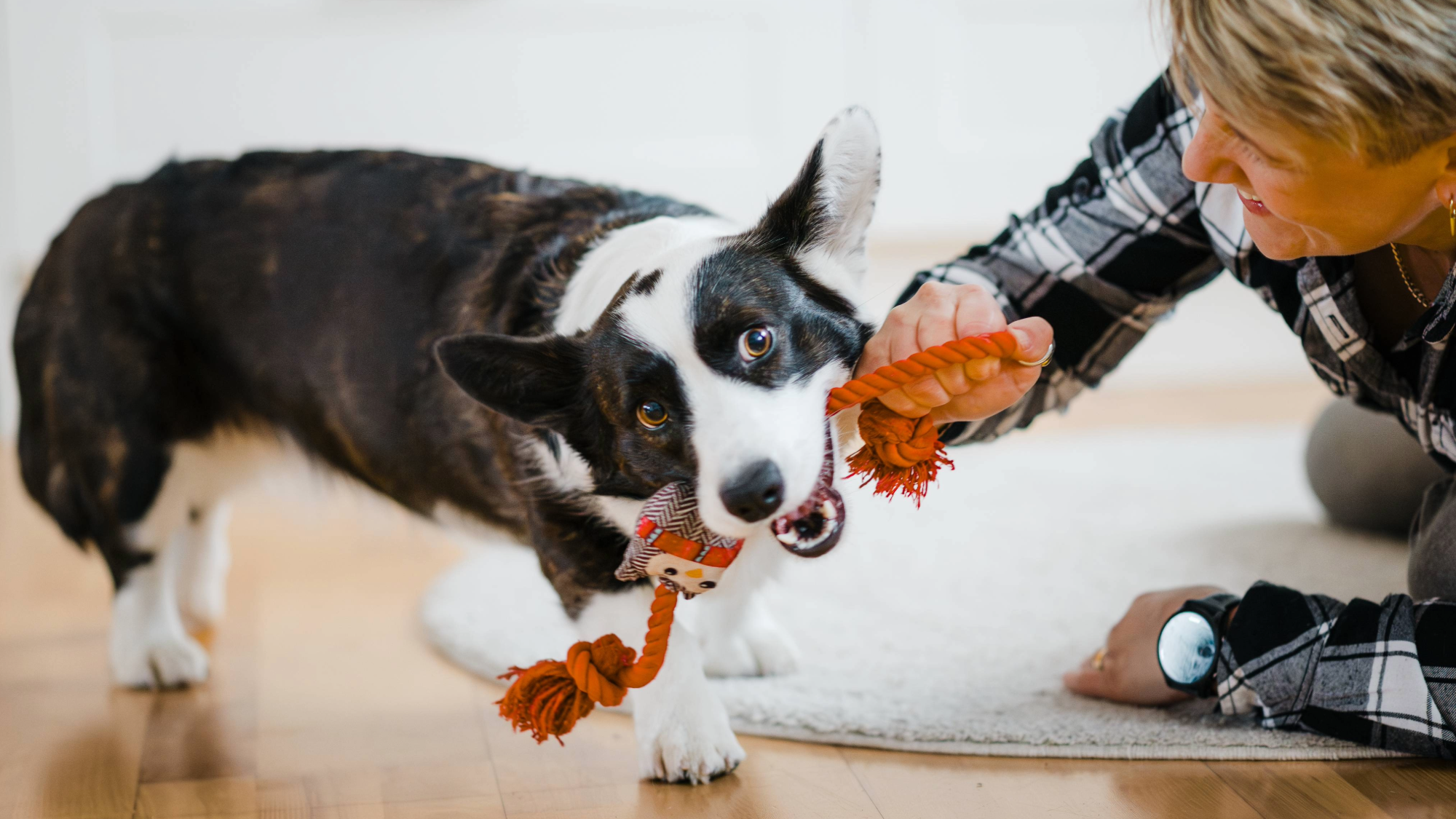
In contrast, the "Training Group" and the "Control Group" showed no significant changes in their emotional bond scores. While training is essential for a dog’s safety and cognitive stimulation, the study suggests that the treat-based nature of training may be perceived by the dog as a job or a transaction. Play, however, appears to be a purely social exchange that mimics the natural bonding behaviors found in wild canines and other social mammals.
Dr. Roth noted that the results were almost immediate. "It turned out that the play group improved their emotional bond to the dog in just four weeks with a few minutes of extra play a day," she stated. This suggests that the human-canine bond is highly plastic and can be influenced by relatively small changes in daily habits.
The Mechanics of Play: Beyond Fetch
One of the most important takeaways from the Linköping study is the definition of "quality play." The researchers were careful to distinguish between passive play and interactive play. Simply throwing a ball in a park while checking a smartphone—often referred to as "passive fetch"—does not provide the same emotional benefits as games that require the owner to be a "play partner."
The study recommended several specific types of games:
- Tug-of-War: A game that requires physical contact and a "give and take" dynamic.
- Hide-and-Seek: A cognitive game where the dog must use its senses to find the owner, resulting in a high-reward social reunion.
- Peekaboo and Finger Teasing: Small, gentle interactions that focus on the dog’s attention and the owner’s body language.
- Rough and Tumble: Physical wrestling (conducted safely) that mimics the way puppies play with their littermates.
These activities require the owner to monitor the dog’s body language and respond in real-time. This "contingent responsiveness"—the ability to react to each other’s moves—is a hallmark of deep social bonding in many species, including humans.
Chronology of the Research and Broader Context
The Linköping study arrives at a time when the "pet parent" demographic is expanding globally. Following the COVID-19 pandemic, which saw a massive surge in dog adoptions (often referred to as the "Pandemic Puppy" boom), many owners are now navigating the challenges of living with adult dogs that may have behavioral issues or attachment anxieties.
- 2020–2022: Global dog adoption rates spike; researchers begin noting a rise in separation anxiety and bonding difficulties as owners return to office work.
- 2023: Linköping University researchers begin recruiting participants for a study to determine if specific types of interaction can mitigate these bonding gaps.
- Early 2024: Data collection concludes, showing a clear divergence between play-based and reward-based bonding.
- Late 2024: The study is peer-reviewed and published in Royal Society Open Science, providing a new framework for animal shelters and behavioralists.
This research builds upon previous studies regarding oxytocin—often called the "love hormone." Earlier studies, such as those conducted by Takefumi Kikusui at Azabu University, have shown that mutual gazing between dogs and owners triggers an oxytocin loop. The Linköping study suggests that interactive play may be the physical engine that drives this hormonal bonding.
Implications for Animal Welfare and Rehoming
The implications of this study extend far beyond the average household. In the United States alone, approximately 3.1 million dogs enter animal shelters annually. One of the primary reasons for "owner surrender" is a lack of bonding or behavioral issues that the owner feels unequipped to handle.
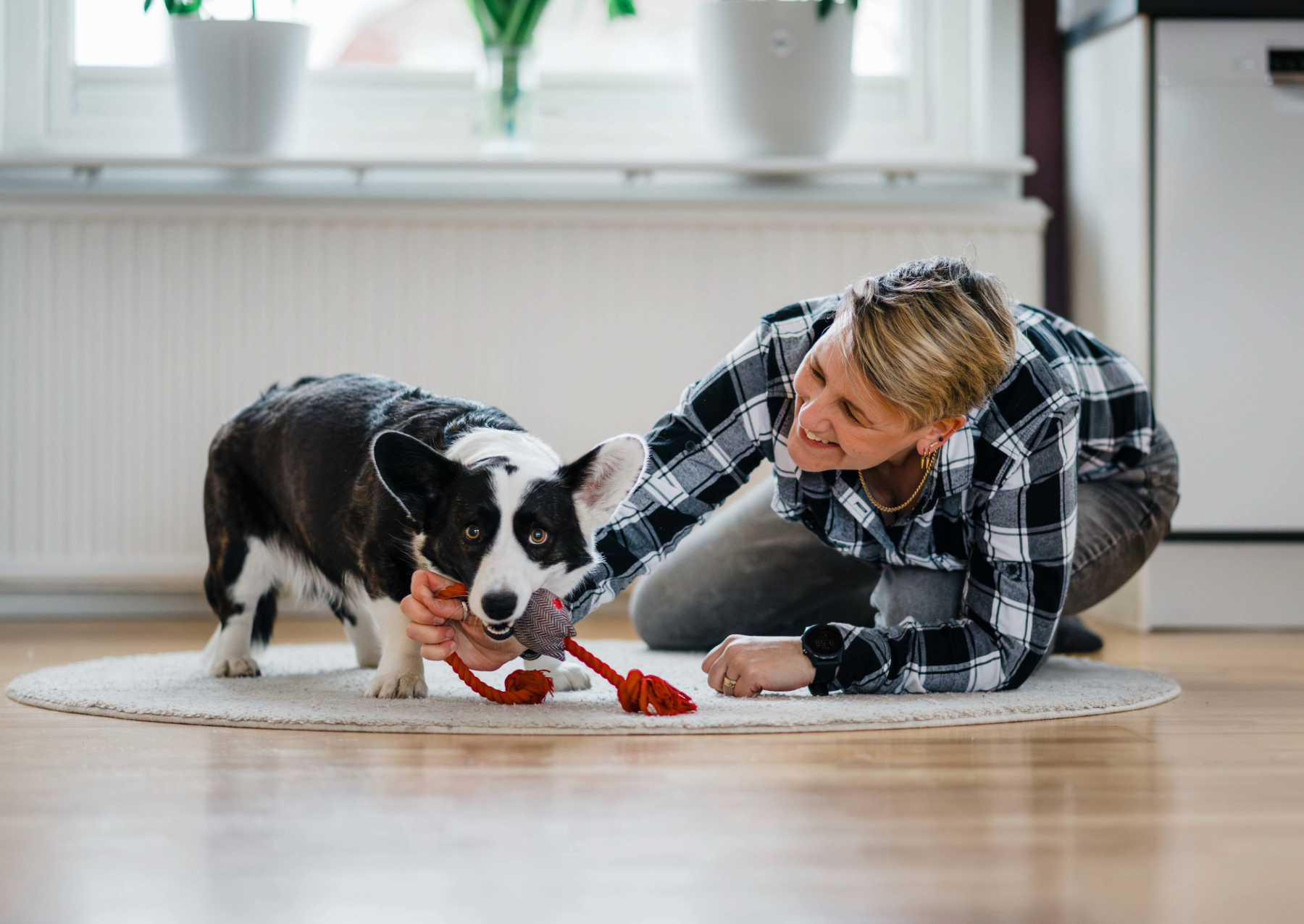
If animal shelters can implement "play protocols" for new adopters, it could potentially lower the rate of dogs being returned to the shelter. By teaching new owners that five minutes of tug-of-war is more valuable for bonding than an hour of passive walking, shelters can help facilitate a more secure attachment during the critical first month of adoption.
Furthermore, for service dogs and working animals, these findings suggest that play should be integrated into their schedules to prevent burnout and ensure they remain emotionally connected to their handlers, rather than just performing tasks for food rewards.
Expert Analysis: The Quality vs. Quantity Debate
The study concludes that "quality can be more important than quantity." This is an essential message for busy, modern dog owners who may feel guilty about not having hours to spend at the dog park. The research indicates that short, intense bursts of focused attention are more effective than long periods of distracted co-existence.
"You don’t have to keep at it for long; it’s more about paying attention to your dog’s behavior," Dr. Roth explained. This "mindful play" requires the owner to be present in the moment, observing the dog’s tail position, ear movement, and energy levels. By doing so, the owner becomes a predictable and safe source of joy for the dog, which is the bedrock of any healthy emotional relationship.
Future Research Directions
While the Linköping study provides a strong foundation, it also opens the door for further inquiry. Future research may look at whether certain breeds respond more strongly to different types of play. For example, herding breeds may find more emotional satisfaction in "chase" games, while retrievers may prioritize "fetch" variations. Additionally, long-term studies could investigate whether increased play in adulthood can slow cognitive decline in aging dogs, similar to how social engagement benefits elderly humans.
As we continue to decode the complexities of the canine mind, one thing remains clear: the simplest interactions are often the most profound. For the millions of people who share their lives with dogs, the message from the scientific community is a joyful one—put down the phone, pick up a rope toy, and take a few minutes to simply play. The bond you build today will last a lifetime.

