
Hypertension, frequently labeled as the "silent killer," remains one of the most pervasive and underestimated public health challenges in Indonesia. Often dismissed as a condition that can be managed later, high blood pressure operates insidiously, often showing no overt clinical symptoms until significant, and sometimes irreversible, damage to the cardiovascular system has already occurred. Recent insights from medical experts at the National Heart and Vascular Center (RSJPD) Harapan Kita underscore a critical reality: the absence of symptoms does not equate to the absence of disease.
The physiological consequences of prolonged, uncontrolled hypertension are severe. When blood pressure remains consistently elevated, the heart is forced to exert excessive force to pump blood throughout the body. Over time, this heightened workload leads to structural changes in the heart muscle, eventually resulting in compromised function and heart failure.
The Silent Progression of Cardiovascular Damage
The mechanism by which hypertension ravages the body is rooted in the degradation of vascular integrity. Elevated pressure against the arterial walls causes microscopic tears in the endothelium, the inner lining of blood vessels. These lesions become primary sites for the accumulation of cholesterol, fats, and cellular waste—a process known as atherosclerosis.
As these plaques grow, the arteries narrow and lose their elasticity, a condition clinically referred to as arterial stiffening. When this process affects the coronary arteries, the supply of oxygen-rich blood to the heart muscle is severely restricted. In chronic stages, this leads to myocardial ischemia, where the heart muscle is starved of oxygen. If a coronary artery becomes completely obstructed or if the heart’s compensatory mechanisms fail, the resulting damage can be permanent, manifesting as heart failure or acute cardiac events.
Dr. Ade Meidian Ambari, SpJP(K), PhD, a specialist in cardiology and vascular medicine at RSJPD Harapan Kita, emphasized during a recent clinical talk show on November 19, 2026, that the clinical threshold for hypertension is 140/90 mmHg. However, the medical community is shifting its target to a more conservative goal of 130/80 mmHg to ensure better long-term protection against cardiovascular morbidity.
"We must control our blood pressure. It is imperative that we keep it below the 140/90 mmHg threshold. Currently, one in three Indonesians suffers from hypertension. Our goal, for the sake of public health, is to keep readings at 130/80 mmHg," Dr. Ade noted during the event.
Epidemiological Context and Public Health Challenges
The prevalence of hypertension in Indonesia is a growing concern for health policymakers. According to data from the Basic Health Research (Riskesdas), hypertension prevalence has historically tracked upward, driven by rapid urbanization, sedentary lifestyles, and shifting dietary patterns. The "silent" nature of the condition is the primary hurdle in disease management. Because many patients feel "healthy" despite having a systolic pressure well above 140 mmHg, they frequently forgo treatment or fail to adhere to prescribed medication regimens.
This lack of symptom awareness creates a dangerous cycle. Patients often only seek medical intervention after experiencing a major event, such as a stroke, myocardial infarction, or symptomatic heart failure. By the time these patients enter the clinical setting, the burden on the healthcare system is significantly higher, and the prognosis for recovery is substantially worse than if the condition had been identified and managed during the asymptomatic phase.
Lifestyle Interventions and Preventative Strategies
Managing hypertension requires a multi-faceted approach that extends beyond pharmacological intervention. Lifestyle modification is the cornerstone of effective blood pressure control.
Dietary Management and Sodium Reduction
One of the most immediate lifestyle adjustments recommended by clinicians is the restriction of dietary sodium. High salt intake is directly correlated with fluid retention and increased blood pressure. Experts recommend that individuals, particularly those diagnosed with hypertension, cap their daily salt intake at approximately one teaspoon. This involves a conscious reduction in the consumption of processed foods, such as instant noodles, preserved fish, and canned goods, which are often laden with sodium as a preservative.
Physical Activity Standards
Physical activity serves as a natural vasodilator and helps improve the efficiency of the cardiovascular system. The World Health Organization (WHO) recommends that adults engage in 150 to 300 minutes of moderate-intensity aerobic exercise per week. This could include brisk walking, swimming, or cycling.
However, Dr. Ade and other cardiologists emphasize that exercise should be individualized. Patients with pre-existing heart conditions should consult with their physicians to determine a safe intensity level, as over-exertion can also pose risks for those with underlying structural heart disease.
Holistic Risk Management
Beyond diet and exercise, the management of systemic risk factors is crucial. This includes:
- Smoking Cessation: Tobacco use is a major accelerant of vascular damage and must be completely avoided, including exposure to secondhand smoke.
- Sleep Hygiene: Emerging clinical research suggests that inadequate sleep (less than six to eight hours per night) is linked to elevated stress hormones and increased sympathetic nervous system activity, both of which drive up blood pressure.
- Stress Management: Chronic psychological stress induces a physiological "fight or flight" response, which, when sustained, can cause long-term spikes in arterial pressure.
The Necessity of Routine Screening
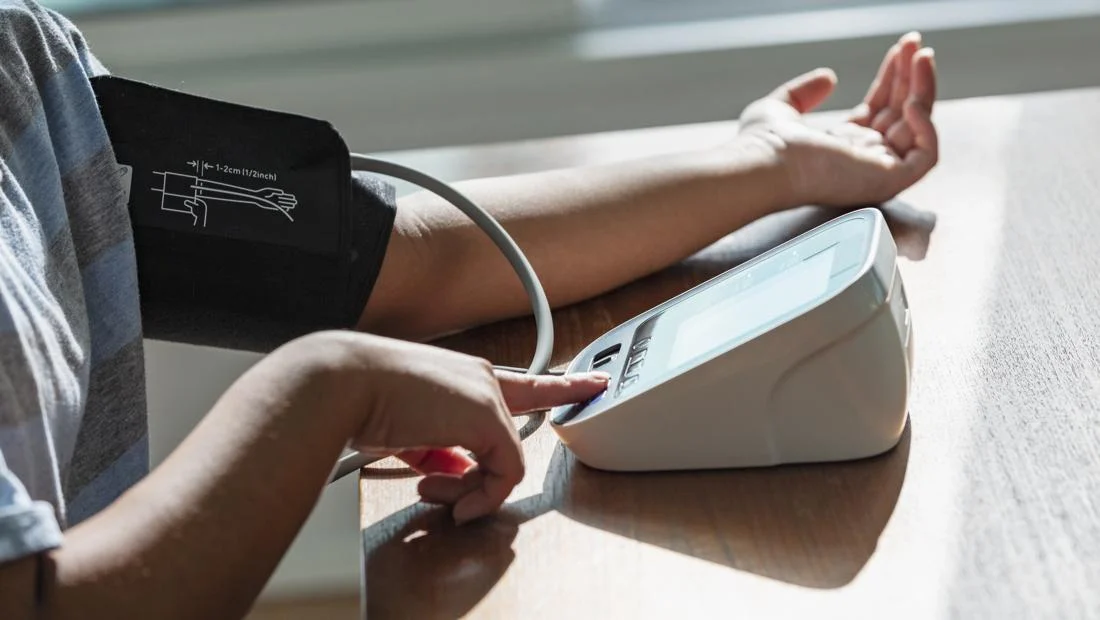
The most effective tool against the "silent killer" remains routine screening. Because hypertension often lacks outward physical signals, blood pressure monitoring is the only objective method to gauge cardiovascular risk.
Regular screenings—including checks for blood pressure, serum cholesterol levels, and blood glucose—are essential. The synergy between hypertension, diabetes, and dyslipidemia is profound; these conditions often cluster together to accelerate the development of cardiovascular disease. By identifying these factors early, patients can implement preventative measures before the disease reaches a stage of end-organ damage.
Broader Implications for the Healthcare System
The socioeconomic impact of failing to manage hypertension at the primary care level is substantial. As the population ages, the incidence of chronic non-communicable diseases (NCDs) is projected to rise, placing an immense strain on national health insurance schemes and hospital resources.
The strategy at institutions like RSJPD Harapan Kita highlights a shift toward proactive, community-based awareness. By educating the public that "feeling fine" is not an indicator of cardiovascular health, the medical community hopes to increase early detection rates.
Ultimately, hypertension is not merely a clinical statistic; it is a dynamic process that demands constant vigilance. The transition from a reactive model of medicine—where treatment begins after a "heart break"—to a proactive model of prevention is the only viable path to reducing the morbidity and mortality associated with heart disease. For the individual, the message is clear: monitor your blood pressure, modify your lifestyle, and treat the silent threat before it becomes a clinical crisis. The preservation of heart function for years to come depends on the actions taken today.
