
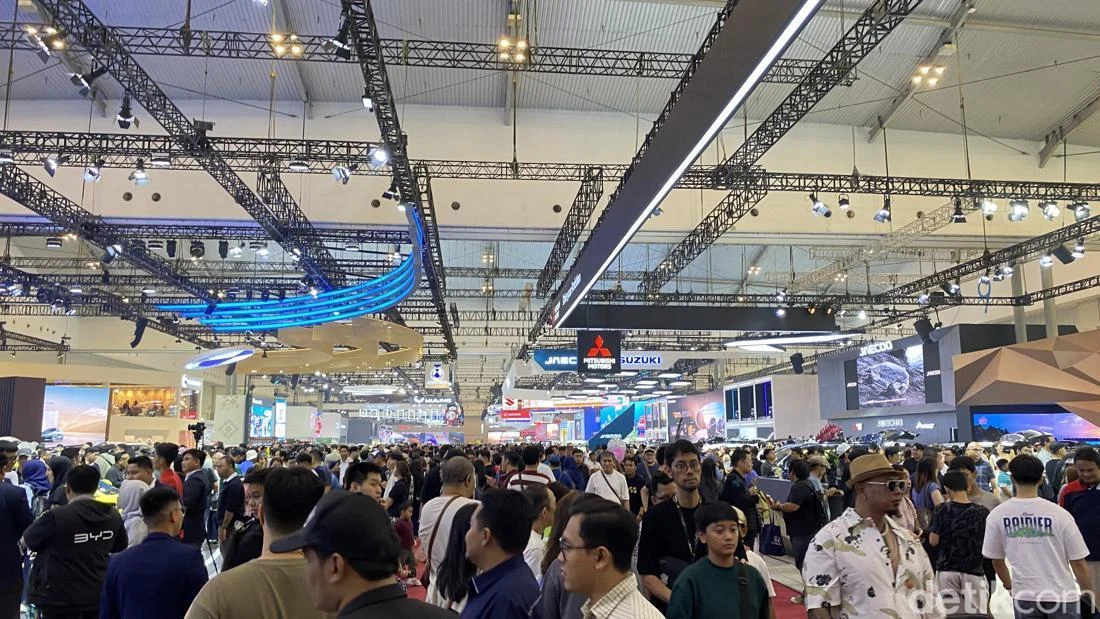
The Gaikindo Indonesia International Auto Show (GIIAS) 2026 is poised to solidify Indonesia’s position as a premier global hub for automotive excellence, featuring a massive lineup of new vehicle launches and technological debuts. As the largest automotive exhibition in Southeast Asia, and one of the most significant globally outside of China, the 2026 edition of GIIAS represents a critical juncture for the Indonesian automotive industry. With over 65 global brands confirmed to participate, the event will serve as a comprehensive platform for passenger cars, commercial vehicles, motorcycles, and supporting industries to demonstrate their latest advancements in mobility. This year’s exhibition is not merely a display of new hardware but a strategic roadmap for the nation’s transition toward electrification and sustainable transportation.
The automotive landscape in Indonesia has undergone a rapid transformation over the last decade, shifting from a market dominated by internal combustion engine (ICE) multi-purpose vehicles (MPVs) to a diverse ecosystem increasingly focused on sport utility vehicles (SUVs) and electric vehicles (EVs). GIIAS 2026 is expected to be the most comprehensive iteration yet, breaking historical records for the number of participants and the variety of technologies on display. Putu Juli Ardika, the Chairman of Gaikindo, emphasized the historic nature of the upcoming event, stating that the exhibition will reinforce Indonesia’s standing on the world stage while driving the domestic industry toward a more innovative and competitive future.
Strategic Launches and Brand Highlights
Among the most anticipated participants, Toyota, the long-standing market leader in Indonesia, has confirmed the introduction of two significant models. The Japanese giant is set to unveil a new adventure-oriented electric vehicle, signaling a shift in its EV strategy toward lifestyle and utility-focused segments. Furthermore, Toyota’s presentation teased the return or update of a "legendary SUV," sparking speculation among enthusiasts regarding the potential arrival of a new Land Cruiser or Prado variant tailored for the Indonesian market. These moves highlight Toyota’s dual-track strategy of maintaining its dominance in traditional segments while aggressively expanding its electrified portfolio.
Honda is also preparing for a landmark moment at GIIAS 2026 with the launch of the "Super One." This model, which has already earned the nickname "Brio Listrik" (Electric Brio) among local consumers, represents Honda’s first mass-market electric vehicle in Indonesia. Unlike the previous e:N1, which was primarily available through fleet schemes, the Super One is designed for individual retail ownership. This transition is a pivotal step for Honda as it seeks to capture the entry-level EV market, leveraging the strong brand equity of the Brio nameplate to drive mass adoption of sustainable mobility.
The South Korean powerhouse, Hyundai, continues its aggressive expansion in the Indonesian market with plans to showcase four new models. The centerpieces of their display will be the Ioniq 3 and a new 7-seater electric MPV. The introduction of a 7-seater EV is particularly significant for Indonesia, where the "three-row" configuration remains the gold standard for family transportation. By localizing the production of such models, Hyundai aims to capitalize on government incentives and the growing consumer demand for spacious, eco-friendly vehicles.
The Rise of Chinese Automotive Powerhouses
GIIAS 2026 will also witness a significant surge in the presence of Chinese manufacturers, who are increasingly dominating the global EV narrative. Geely, a major player in the global automotive arena, is making a strategic push into Indonesia by announcing the pricing for its Coolray SUV. While much of the industry focus is on electricity, Geely’s decision to offer a competitive gasoline-powered model like the Coolray suggests a nuanced approach to the Indonesian market, where ICE vehicles still command a significant share. Additionally, the premium electric brand Zeekr, which operates under the Geely Group umbrella, will return to the Indonesian stage, targeting the luxury EV segment with its high-performance models.
Changan is another Chinese brand looking to make a mark at the event. Through silhouetted teasers, the company has hinted at the launch of a new SUV, a segment that remains the most competitive and fastest-growing in the region. Meanwhile, iCar, a brand that has carved a niche in the rugged EV market, will launch its second model in Indonesia, the iCar V27. This vehicle utilizes Electric Range Extended Vehicle (EREV) technology, which combines a battery-electric powertrain with a small internal combustion engine that acts as a generator. This technology is seen as a practical bridge for Indonesian consumers who may still harbor "range anxiety" due to the developing charging infrastructure in remote areas.
Commercial Vehicles and Specialized Segments
The commercial vehicle sector is also set for a major overhaul at GIIAS 2026. Farizon, a brand specializing in new energy commercial vehicles, will introduce two new products aimed at decarbonizing logistics and transport. They will be joined by Aletra, which plans to showcase a new prototype, and SAG, a distributor focused on commercial electric vehicles. These developments are crucial as the Indonesian government pushes for greener public transportation and logistics solutions.
Hino, a stalwart in the Indonesian trucking and bus industry, will use the platform to release its latest bus series. As Indonesia continues to expand its toll road networks and intercity connectivity, the demand for modern, efficient, and safe public transport vehicles is at an all-time high. The inclusion of these commercial players ensures that GIIAS 2026 covers the entire spectrum of the automotive industry, from personal mobility to large-scale logistics.
Economic Implications and Industry Context
The scale of GIIAS 2026 reflects the broader economic ambitions of Indonesia. The automotive sector contributes approximately 4% to the nation’s Gross Domestic Product (GDP) and employs millions across the manufacturing and retail chains. By hosting an event of this magnitude, Gaikindo aims to stimulate domestic consumption and attract further foreign direct investment. The "downstreaming" policy of the Indonesian government, which focuses on processing raw materials like nickel domestically to build an end-to-end EV battery supply chain, provides the backdrop for the influx of new electric models seen at the show.
Supporting data suggests that the Indonesian automotive market is ripe for growth. In recent years, despite global economic fluctuations, the demand for vehicles has remained resilient. The shift toward EVs is supported by a growing network of Public Electric Vehicle Charging Stations (SPKLU), which the government aims to expand to over 30,000 units by 2030. The price announcements expected at GIIAS 2026—for models such as the Baic T1, Leapmotor B10, DFSK E5 Plus, and Wuling Aira EV—will provide a clear indication of how competitive the market has become.
Official Responses and Strategic Vision
The leadership of Gaikindo has been vocal about the strategic importance of this year’s exhibition. Putu Juli Ardika’s assertion that GIIAS 2026 will "make new history" is backed by the sheer volume of participating brands. By positioning the event as the most complete exhibition in Gaikindo’s history, the organization is sending a clear signal to global investors that Indonesia is ready to lead the regional automotive transition.
Industry analysts suggest that the success of GIIAS 2026 will be measured not just by the number of visitors, but by the volume of transactions and the commitment of manufacturers to local production. The presence of brands like Ford, with the Everest Last Edition Titanium, shows that even established Western manufacturers recognize the need to offer specialized, high-value models to maintain their relevance in a market increasingly crowded by Asian competitors.
Conclusion and Future Outlook
As GIIAS 2026 approaches, the Indonesian automotive industry stands at a crossroads between its traditional strengths and a high-tech, electrified future. The "mass-market" electrification spearheaded by Honda’s Super One, the family-centric EV innovations from Hyundai, and the diverse technological offerings from Chinese brands like iCar and Geely indicate a market that is maturing rapidly.
The event is set to be a catalyst for the industry, providing consumers with more choices than ever before while pushing manufacturers to innovate in terms of price, technology, and sustainability. For the Indonesian consumer, GIIAS 2026 is an opportunity to witness the future of mobility firsthand. For the global automotive industry, it is a reminder that Indonesia is no longer just a consumer market, but a vital player in the global manufacturing and technological landscape. The innovations unveiled at this exhibition will likely set the tone for the automotive trends across Southeast Asia for the remainder of the decade, ensuring that the wheels of the Indonesian economy continue to turn with increasing efficiency and environmental responsibility.
