
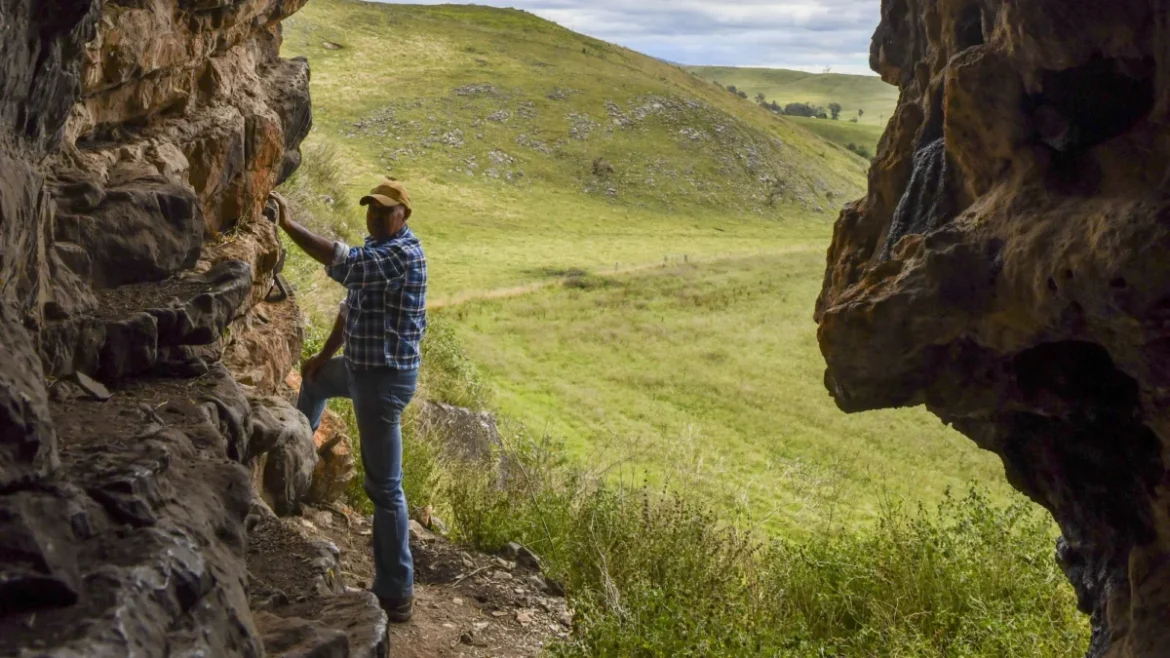
The deep history of the GunaiKurnai nation in southeastern Australia has been fundamentally reshaped by new archaeological findings that bridge the gap between ancient oral traditions and modern forensic science. A comprehensive study published in the journal Frontiers in Environmental Archaeology has revealed that Cloggs Cave, a limestone formation located near Buchan, Victoria, has served as a site for sophisticated ritual activities for at least 25,000 years. By analyzing microscopic plant remains trapped within layers of ancient ash, researchers have provided empirical evidence for a cultural continuity that spans the Last Glacial Maximum through to the modern era.
The discovery centers on the identification of phytoliths—microscopic silica structures that form within plant tissues—found in 73 distinct ash layers within the cave. These findings corroborate the oral histories of the GunaiKurnai people, who have long identified the cave as a site for the "mulla-mullung," or spiritual leaders, to perform rituals involving healing, protection, and magic. The study marks a significant milestone in Australian archaeology, emphasizing a collaborative approach between Western scientists and Traditional Owners to validate Indigenous knowledge systems.
The Cultural Landscape of the GunaiKurnai
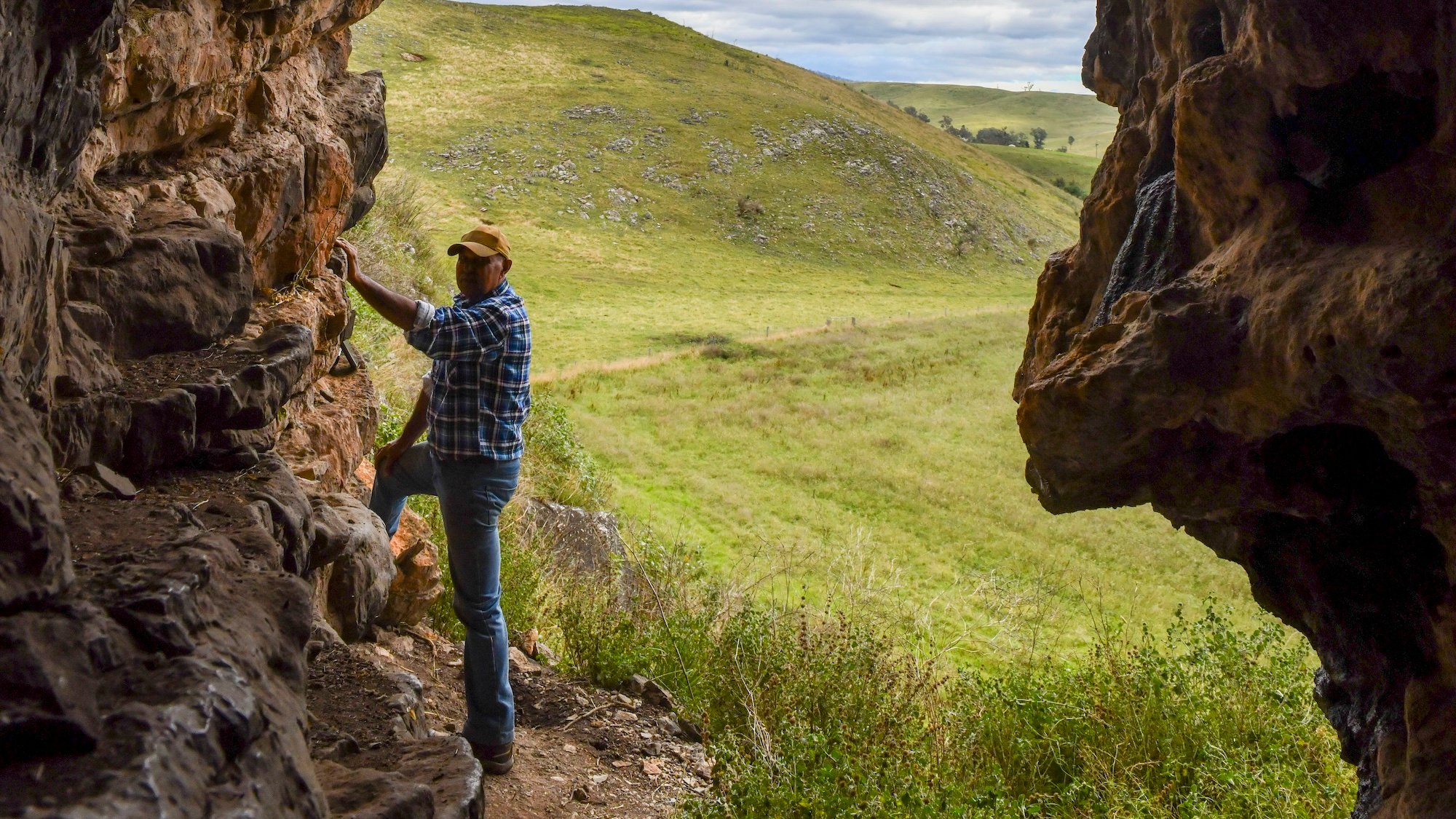
The GunaiKurnai people are the Traditional Owners of a vast territory in Gippsland, stretching from the coastal reaches of the Southern Ocean to the foothills of the Victorian Alps. Within this landscape, Cloggs Cave occupies a position of profound spiritual importance. Unlike many archaeological sites that focus on domestic habitation—such as food processing or tool manufacturing—Cloggs Cave appears to have been reserved primarily for ceremonial and ritualistic use.
According to GunaiKurnai tradition and 19th-century ethnographic records, the "mulla-mullung" were highly respected individuals, both men and women, who acted as intermediaries between the physical and spiritual worlds. These practitioners were known to use the cave’s secluded interior to conduct rituals that often involved the burning of specific botanical materials. The smoke from these fires, which has blackened the cave’s ceiling over millennia, was believed to facilitate communication with ancestral spirits or to imbue the practitioners with specific powers.
The cave itself is a dramatic geological feature, with an entrance described as resembling a massive cathedral door set into a limestone bluff. Its interior remains cool and dark, providing a stable environment that has preserved archaeological evidence that would have perished in more exposed locations.
The Science of Phytoliths and Ash Stratigraphy
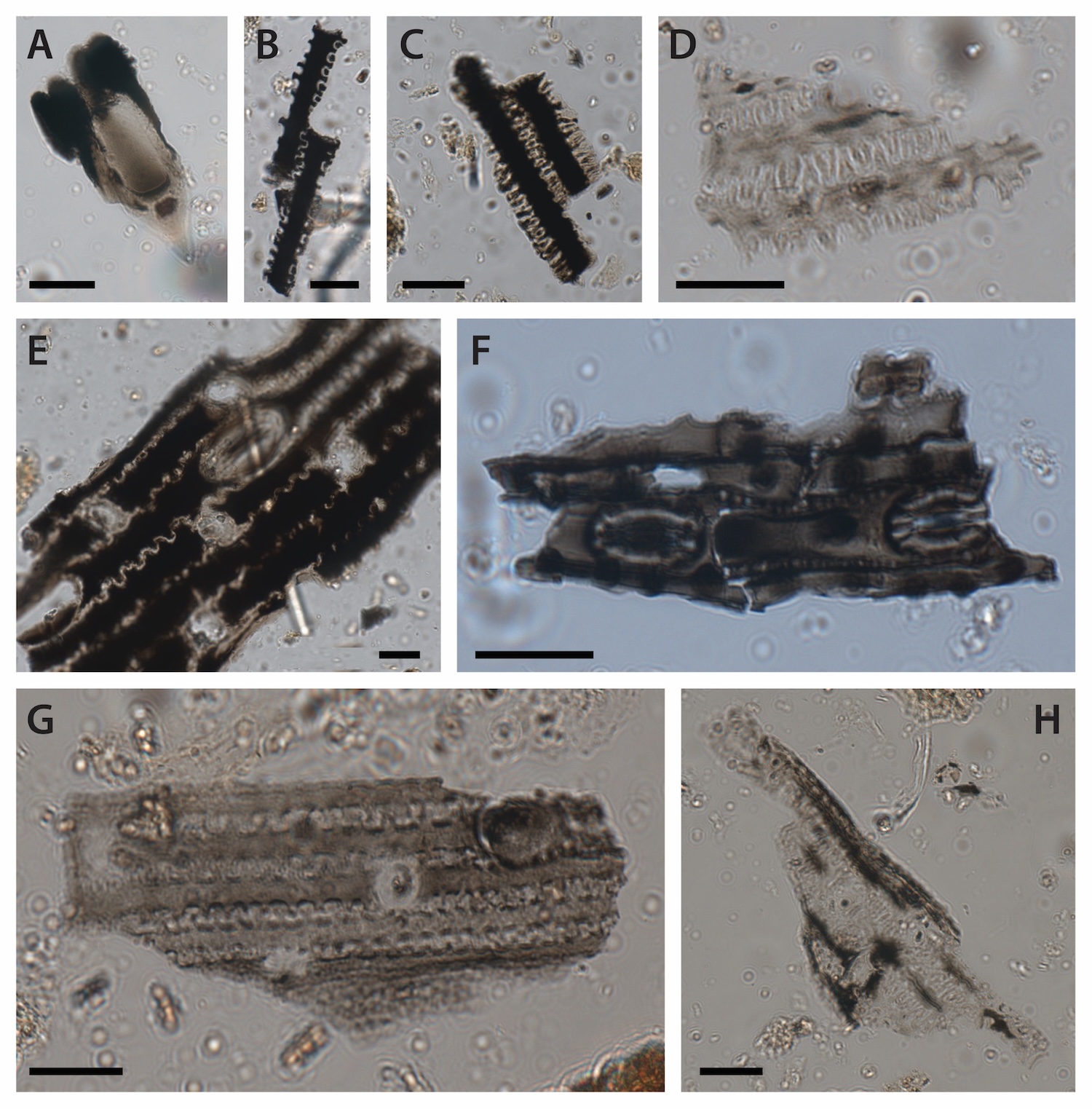
The breakthrough in dating the cave’s ritual use came through the analysis of phytoliths, conducted by a team led by Elle Grono from the Australian National University and Bruno David from Monash University. Phytoliths are essentially "plant skeletons" made of silica that the plant absorbs from the soil. Because they are inorganic, they do not decay like the rest of the plant matter. Crucially, unlike pollen, which can be carried for miles by wind or water, phytoliths usually remain exactly where a plant was deposited or burned.
Researchers focused their efforts on two excavation pits within the cave, identifying 73 separate layers of ash. By examining the phytoliths within these layers, the team was able to determine that the plants burned in the cave were not there by accident. They found a diverse array of 29 different types of vegetation, including grasses from the Pooideae subfamily (common in cool, temperate climates) and the Panicoideae subfamily (found in warmer, humid areas).
The presence of "half-burnt" phytoliths was the "smoking gun" for human intervention. While unburnt phytoliths might have been carried into the cave by animals or natural processes, the charred and melted silica remnants could only have resulted from intentional fires lit by humans. The analysis showed that the Old Ancestors of the GunaiKurnai carefully selected specific grasses from the surrounding landscape, carried them into the dark recesses of the cave, spread them in thin, deliberate layers, and set them ablaze.
A Chronology of Ritual Continuity
The timeline established by the study is staggering in its depth. Radiocarbon dating of the uppermost 73 ash layers indicates a period of intense ritual activity between 4,400 and 1,600 years ago. However, deeper deposits of burnt plant material suggest that these practices began as far back as 25,000 years ago.
This timeline places the origins of GunaiKurnai ritual practice during the Last Glacial Maximum, a period when much of the Earth was locked in ice and the Australian climate was significantly more arid and volatile. The fact that the mulla-mullung were utilizing Cloggs Cave for spiritual purposes during such a challenging environmental epoch speaks to the resilience and longevity of their cultural traditions.
The chronology of the cave’s use can be summarized as follows:
- 25,000 Years Ago: Earliest evidence of intentional plant burning and cave visitation.
- 25,000 to 5,000 Years Ago: Intermittent use of the cave, with sediments gradually covering earlier ritual sites.
- 4,400 to 1,600 Years Ago: A period of frequent and highly structured ritual activity, characterized by the 73 distinct ash layers analyzed in the study.
- 19th Century: Ethnographic recording of GunaiKurnai traditions regarding the mulla-mullung and the spiritual significance of limestone caves in the Buchan region.
- Present Day: Collaborative archaeological research confirms the scientific accuracy of these oral traditions.
The Discovery of the Standing Stone
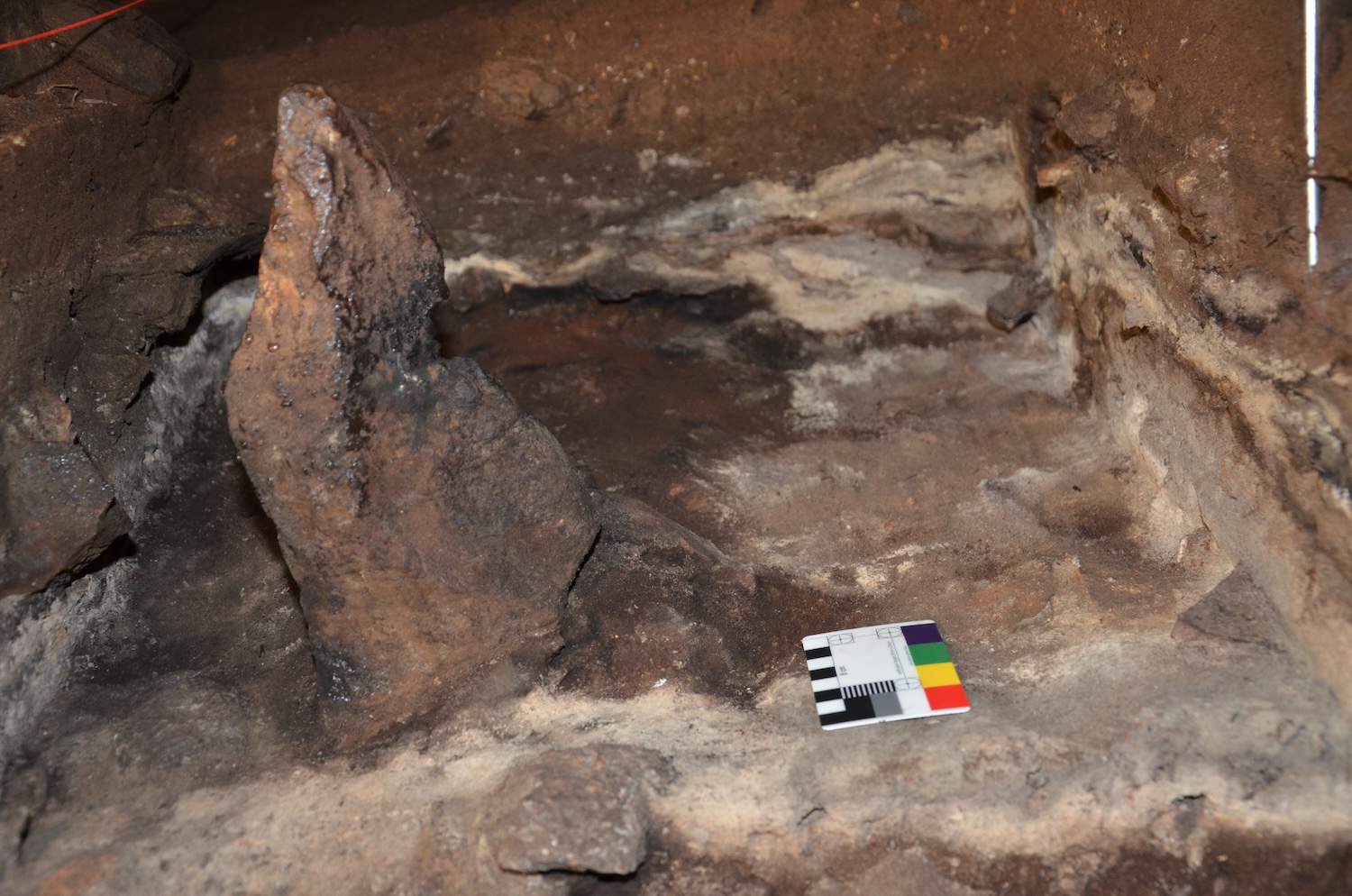
In addition to the microscopic plant evidence, archaeologists uncovered a physical artifact that further underscores the cave’s ritual nature: a standing stone approximately one foot tall. Found buried within one of the excavation pits, the stone was surrounded by the same types of ritualistic ash layers identified elsewhere in the cave.
Bruno David, an archaeologist at Monash University and co-author of the study, noted that the placement of the stone and the surrounding ash is consistent with traditional practices involving the use of ash to track the movements of spirits or to perform "magic" rituals. In many Aboriginal cultures, finely spread ash is used to detect the "footprints" of supernatural beings or to create a sanctified space for ceremony. The standing stone likely served as a focal point for these activities, acting as an altar or a symbolic representation of an ancestral figure.
Collaborative Archaeology and Official Responses
The success of the Cloggs Cave study is attributed largely to the partnership between the research team and the GunaiKurnai Land and Waters Corporation (GLaWAC). Unlike past archaeological practices that often excluded Indigenous voices, this project was built on a foundation of mutual respect and shared goals. GunaiKurnai Elders, including Uncle Russell Mullett, were integral to the fieldwork, providing cultural context that guided the scientific inquiry.
Uncle Russell Mullett emphasized that the findings do not just represent "data" to the GunaiKurnai people, but rather a validation of their identity and their enduring connection to the land. "For our people, this isn’t new information in a spiritual sense—we’ve always known our ancestors were here," Mullett remarked in response to the study. "But having the science back up our stories is a powerful tool for showing the world how long our culture has thrived."
The research team also highlighted the importance of this collaboration. Elle Grono stated that the involvement of the community allowed the researchers to look for specific types of evidence—such as the deliberate layering of grasses—that they might have otherwise overlooked or misinterpreted as mere domestic refuse.
Broader Implications and Archaeological Significance
The implications of the Cloggs Cave findings extend far beyond the borders of Victoria. In the broader context of global archaeology, the site represents one of the longest-running instances of continuous cultural practice ever recorded. While sites like Stonehenge or the pyramids of Giza are measured in millennia, the ritual history of Cloggs Cave is measured in tens of millennia.
Furthermore, the study challenges the traditional archaeological focus on "living sites" versus "ritual sites." By proving that Cloggs Cave was used almost exclusively for spiritual purposes over such a vast timeframe, the research suggests that ancient societies invested significant resources and travel into maintaining their spiritual landscapes, even during periods of environmental stress.
The use of phytolith analysis also sets a new standard for investigating sites where organic materials have long since decayed. It demonstrates that even the most "invisible" traces of human activity—microscopic shards of glass from a burned blade of grass—can tell a story of profound cultural importance.
As the GunaiKurnai continue to manage their ancestral lands, the findings at Cloggs Cave provide a robust scientific foundation for the protection of Indigenous heritage. The site stands as a testament to the fact that the history of Australia did not begin with European arrival, nor did it begin only a few thousand years ago. Instead, it is a history of 25,000 years of fire, smoke, and spirit, meticulously preserved in the quiet darkness of a limestone cave.
