Mumbai, India — India stands globally recognized for its profound historical narrative, boasting a rich tapestry of heritage that spans thousands of years of ancient civilization, medieval dynasties, and centuries of British colonial rule. As the financial and entertainment capital of India, the bustling metropolis of Mumbai serves as a microcosm of this duality, where centuries-old rock-cut cave temples seamlessly coexist with grandiose Victorian-Gothic architecture constructed during the British Raj. Recent educational documentations and travelogues compiled by foreign and local researchers alike continue to shed light on this unique urban landscape, emphasizing Mumbai’s critical role in preserving the historical identity of the South Asian subcontinent.
India’s Global Standing in World Heritage
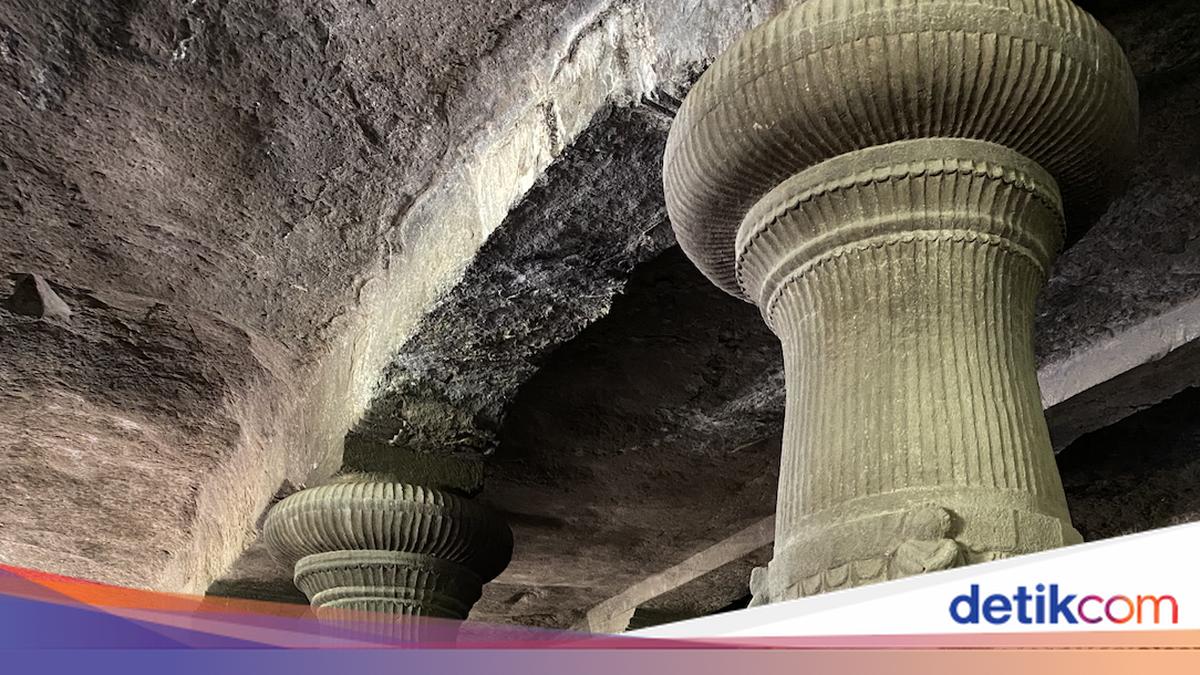
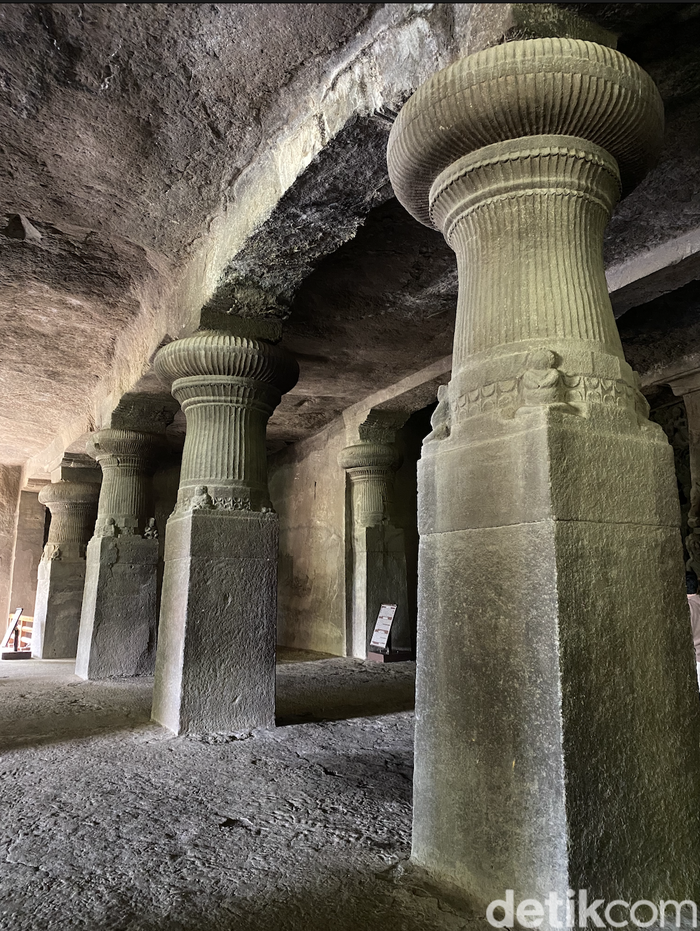
According to international cultural preservation metrics, India holds the sixth-largest number of UNESCO World Heritage Sites globally, a testament to its unparalleled historical depth. This vast heritage encompasses not only architectural marvels from the Mughal Empire and ancient Hindu kingdoms but also intricate rock-cut sanctuaries that date back well before the common era. Among these, the Elephanta Caves situated off the coast of Mumbai represent a pinnacle of ancient Indian artistry and religious devotion.
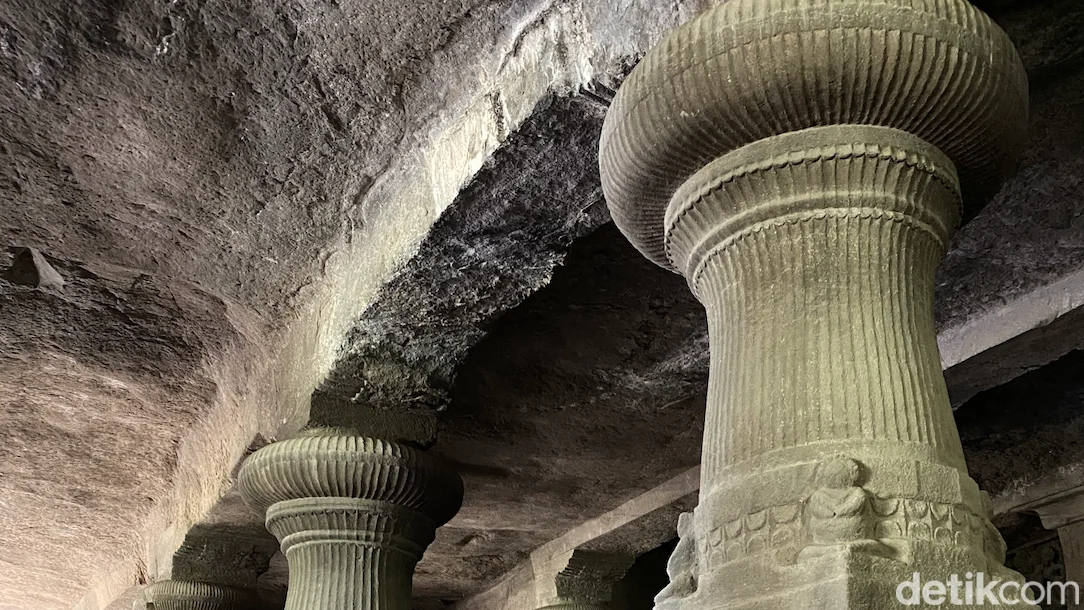
Dating back to the 5th and 6th centuries AD, the Elephanta Caves are a collection of cave temples predominantly dedicated to the Hindu deity Shiva. Sculpted directly out of solid basalt rock on an island in the Mumbai Harbour, these subterranean structures reflect the sophisticated engineering, religious syncretism, and artistic prowess of ancient Indian sculptors. Historians note that the caves serve as a vital window into the patronage of regional dynasties, illustrating how art and spirituality were inextricably linked in early medieval India. The preservation of these sites remains a priority for the Archaeological Survey of India (ASI) and international conservation bodies, especially given the environmental pressures faced by urban coastal regions.
The Gateway of India and the Imprint of the British Raj
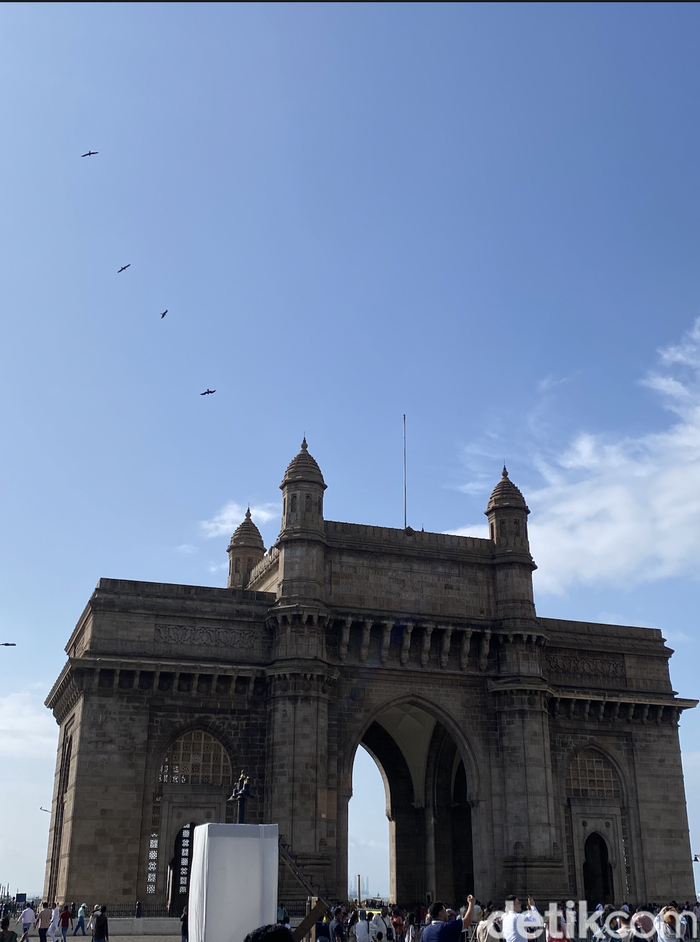
Shifting from ancient spirituality to colonial history, the coastline of Mumbai features some of the most prominent architectural testaments to the British Empire. Dominating the waterfront overlooking the Arabian Sea is the iconic Gateway of India. Erected at the Apollo Bunder pier, this monumental basalt arch was built to commemorate the historic landing of King George V and Queen Mary in India in December 1911—marking the first time a British monarch visited the Indian subcontinent.
Construction of the Gateway began in 1913, designed by architect George Wittet in the Indo-Saracenic style, blending Hindu and Muslim architectural elements with British structural engineering. Though construction was not completed until 1924, the monument quickly transformed into a powerful symbol of colonial authority. Ironically, decades later, the structure bore witness to the waning days of that same empire; in 1948, the final British troops (the Somerset Light Infantry) departed through the Gateway of India following the nation’s hard-won independence in 1947, marking the definitive end of the Raj.
Victorian-Gothic Splendor in the Heart of the Metropolis
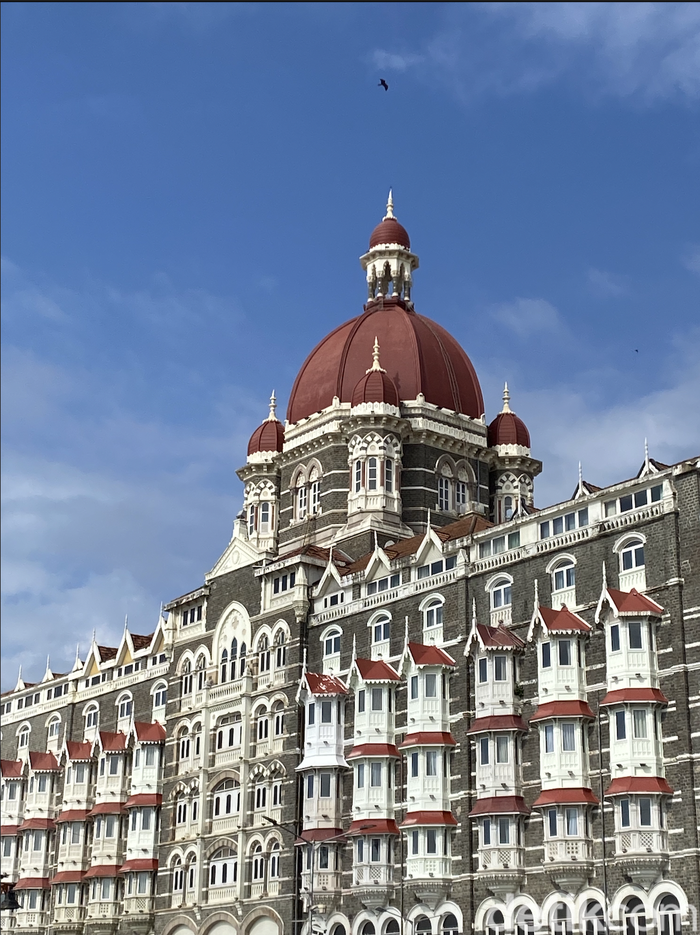
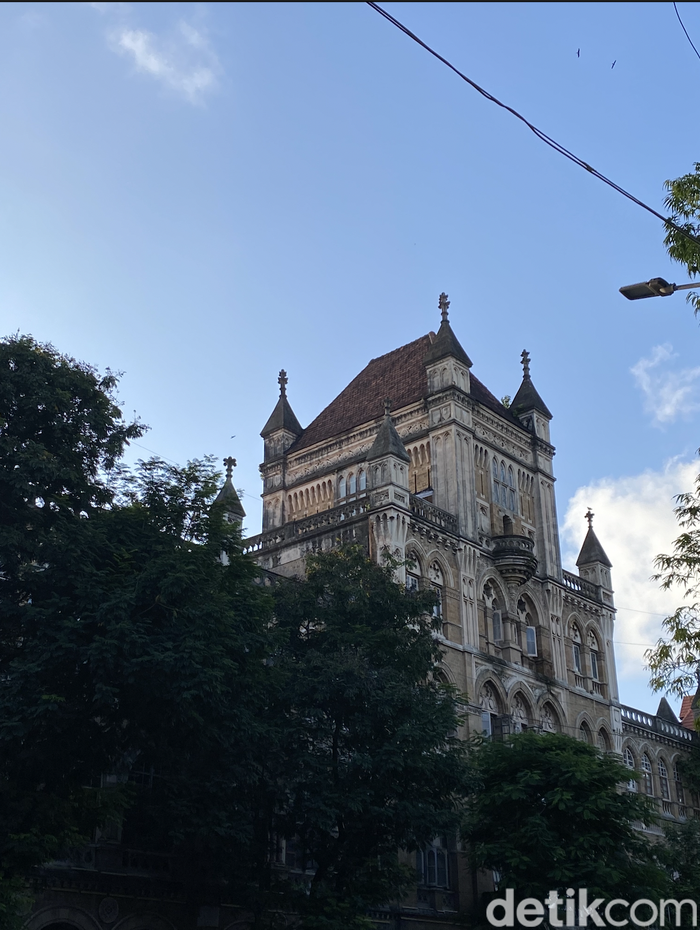
The architectural journey through Mumbai extends far beyond the waterfront. In the immediate vicinity of the Gateway of India and stretching toward the city’s museum district, travelers and historians encounter a dense concentration of buildings designed in the European Gothic Revival style. Prominent among these is a majestic heritage hotel established in 1903, which stands as an early example of luxury hospitality infused with Victorian grandeur, seamlessly blending Edwardian opulence with traditional Indian craftsmanship.
As pedestrians walk the historic corridors leading toward the Chhatrapati Shivaji Maharaj Vastu Sangrahalaya (CSMVS)—formerly known as the Prince of Wales Museum of Western India—they are surrounded by public buildings constructed during the height of British colonial governance. These structures, characterized by pointed arches, ribbed vaults, ornate stonework, and expansive sloping roofs designed to withstand Mumbai’s tropical monsoons, represent the Victorian and Art Deco Ensemble of Mumbai, which was officially designated as a UNESCO World Heritage Site in 2018.
The Chhatrapati Shivaji Maharaj Vastu Sangrahalaya and Cultural Preservation
The culmination of this architectural corridor is the CSMVS museum, a premier institution dedicated to preserving the cultural history of Western India. Originally commissioned to commemorate the visit of the then-Prince of Wales (later King George V), the museum building itself is an architectural masterpiece. Designed by George Wittet, the structure successfully integrates British architectural motifs with indigenous elements, such as a grand central dome inspired by the Gol Gumbaz in Bijapur and interior spaces optimized for natural ventilation.
In the public gardens directly in front of the CSMVS museum, contemporary art intersects with historical contemplation. A notable installation frequently drawing attention from visitors and scholars alike is the "Sleeping Buddha" sculpture by renowned contemporary artist Satish Gupta. This reflective piece introduces a modern artistic dimension to a precinct otherwise defined by colonial brick and ancient stone, symbolizing the continuous evolution of Indian philosophy and artistic expression from antiquity to the modern era.
Broader Implications and Educational Value
The juxtaposition of ancient rock-cut architecture, colonial-era monuments, and modern artistic installations in Mumbai holds profound educational and socioeconomic implications. For the education sector, historical sites such as the Elephanta Caves and the Victorian Gothic precinct provide invaluable experiential learning environments for students of history, architecture, and archaeology. Educational initiatives aimed at documenting these sites help foster a deeper appreciation for cultural preservation among younger generations.
Furthermore, these historical assets drive Mumbai’s cultural tourism economy, attracting millions of domestic and international visitors annually. Cultural heritage experts emphasize that maintaining a balance between urban modernization and historical preservation is vital. As Mumbai continues to expand as a modern economic powerhouse, the safeguarding of landmarks like the Gateway of India and the CSMVS museum ensures that the city’s complex historical narrative remains accessible to scholars, tourists, and the global community for decades to come.