

Jakarta — While the common cold and influenza often present with remarkably similar initial symptoms, health authorities continuously emphasize that they are distinct respiratory illnesses caused by entirely different viral agents. Despite both being contagious infections affecting the upper and lower respiratory tracts, understanding the fundamental virological differences, symptom intensities, and potential health complications is critical for appropriate medical management, especially during changing seasons when respiratory pathogens circulate widely within communities.
According to data and guidelines from public health institutions such as the US Centers for Disease Control and Prevention (CDC) and global epidemiological reports, influenza is strictly caused by influenza viruses—primarily types A and B—which undergo seasonal mutations and drive annual epidemics. In contrast, the common cold can be triggered by a wide array of different viruses. Most commonly, colds are caused by rhinoviruses, but they can also stem from parainfluenza viruses, human respiratory syncytial virus (RSV), adenoviruses, and seasonal coronaviruses. It is vital to note that these seasonal coronaviruses are distinct from SARS-CoV-2, the specific pathogen responsible for COVID-19, though public confusion often arises due to overlapping clinical presentations.
Virological Distinctions and Pathogen Behavior
The diversity of pathogens responsible for the common cold explains why individuals can contract multiple colds throughout a single year. Because there are over a hundred recognized types of rhinoviruses alone, developing permanent immunity against all cold-causing viruses is biologically improbable. Influenza viruses, however, are categorized more specifically, and annual influenza vaccines are formulated to target the circulating strains projected by the World Health Organization (WHO) and national surveillance networks.
The stark contrast in virological profiles dictates how these illnesses behave inside the human body. Influenza viruses typically target the respiratory epithelium with aggressive replication cycles, frequently triggering a robust systemic inflammatory response. This systemic reaction accounts for the abrupt onset and severity of flu symptoms, such as high fevers, severe myalgia (muscle aches), and profound fatigue. On the other hand, cold-causing viruses generally produce localized infections primarily restricted to the upper respiratory tract, resulting in milder symptoms that develop more gradually over the course of several days.
Clinical Manifestations: Comparing Symptoms and Severity
Because the common cold and influenza share numerous clinical characteristics, differentiating between them based solely on physical observation can be exceptionally challenging for patients and clinicians alike. Both conditions frequently manifest with coughing, sore throats, nasal congestion, and general malaise. However, detailed medical evaluations highlight distinct patterns that help delineate the two illnesses.
The Common Cold: Gradual Onset and Upper Respiratory Focus
A typical cold begins gradually, often starting with a scratchy throat or mild nasal irritation. As the infection progresses over two to three days, sufferers predominantly experience nasal symptoms, including profuse rhinorrhea (runny nose) and nasal congestion. Sneezing is also a hallmark indicator of a cold. While low-grade fevers can occasionally occur—particularly in young children—significant fever is uncommon in adults with a cold. Systemic symptoms like severe muscle aches, intense headaches, and extreme exhaustion are generally absent or very mild. Most individuals recover from a common cold within seven to ten days without requiring medical intervention or experiencing long-term complications.
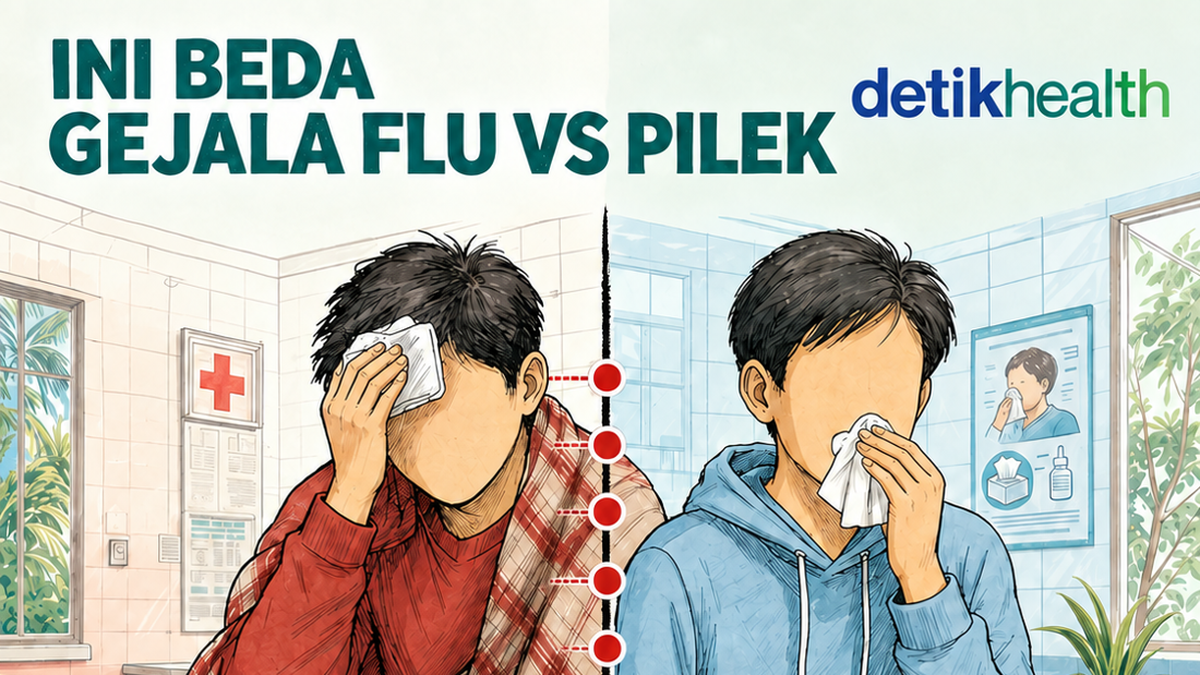
Influenza: Abrupt Onset and Systemic Intensity
Influenza, conversely, strikes with sudden intensity. Patients frequently remember the exact hour their symptoms began. The hallmark of the flu is a high fever—often ranging from 38°C to 40°C or higher—accompanied by severe rigors or chills. Systemic manifestations dominate the clinical picture, including debilitating fatigue that can last for weeks, severe body aches, sharp headaches, and a dry, persistent cough. While nasal congestion and sore throats can occur, they are often overshadowed by deep chest discomfort and exhaustion.
The Diagnostic Challenge and Diagnostic Testing
Because clinical overlap makes accurate bedside diagnosis difficult, healthcare providers often rely on epidemiological context—such as local influenza surveillance data—to guide treatment. However, when definitive diagnosis is necessary for high-risk patients or hospitalized individuals, specific diagnostic tests are employed.
Rapid influenza diagnostic tests (RIDTs) and molecular assays, such as Reverse Transcription Polymerase Chain Reaction (RT-PCR) tests, can accurately identify the presence of influenza viral antigens or genetic material within respiratory specimens collected via nasopharyngeal or throat swabs. Distinguishing influenza from a cold or other respiratory viruses is crucial because specific antiviral medications, such as neuraminidase inhibitors (e.g., oseltamivir), are effective against influenza if administered within the first 48 hours of symptom onset. These antivirals provide no therapeutic benefit against cold viruses or SARS-CoV-2.
Potential Complications and Public Health Implications
While the common cold is rarely associated with severe health outcomes, influenza carries a substantial burden of morbidity and mortality globally. Uncomplicated colds typically resolve spontaneously, rarely leading to secondary bacterial infections or lower respiratory complications.
Influenza, however, can precipitate severe and life-threatening medical conditions. High-risk populations—including the elderly, pregnant individuals, young children, and those with underlying chronic medical conditions such as asthma, diabetes, or cardiovascular disease—are particularly vulnerable to influenza-related complications. Secondary bacterial infections, such as bacterial pneumonia, bronchitis, sinus infections, and ear infections, frequently arise as sequelae of the flu. Furthermore, influenza can exacerbate chronic health conditions, potentially leading to acute respiratory distress syndrome (ARDS), multi-organ failure, hospitalization, and death.
Public health agencies consistently emphasize annual influenza vaccination as the most effective preventative measure to mitigate the severity of flu seasons, reduce healthcare system burdens, and protect vulnerable populations. Coupled with non-pharmaceutical interventions such as frequent hand hygiene, respiratory etiquette, and wearing masks during peak viral seasons, understanding the distinct nature of these respiratory infections remains a cornerstone of individual and community health resilience.
