
The current market landscape for portable energy storage is characterized by a transition toward LiFePO4 (Lithium Iron Phosphate) battery chemistry, which offers enhanced longevity and safety profiles compared to older lithium-ion iterations. Manufacturers are positioning this year’s Black Friday sales as a strategic opportunity for consumers to invest in energy independence. By leveraging deep discounts, companies are aiming to move high volumes of inventory before the end of the fiscal year, while consumers are utilizing these lower price points to acquire hardware that would otherwise be cost-prohibitive.
Understanding the Technical Metrics of Energy Storage
For prospective buyers navigating the current influx of deals, industry experts emphasize that the utility of a power station is defined by two primary metrics: capacity and output. Capacity, measured in watt-hours (Wh), determines the total amount of energy stored within the device and effectively dictates how long a unit can power specific electronics. For instance, a 1,000Wh unit is theoretically capable of powering a 100-watt load for approximately ten hours, accounting for typical energy conversion inefficiencies.
Conversely, continuous output, measured in watts (W), defines the maximum load the internal inverter can handle at any given moment. This metric is critical for determining whether a station can support high-draw appliances such as space heaters, microwaves, or power tools. Discerning the difference between these two figures is the most common point of confusion for new buyers, as a high-capacity unit with a low-wattage inverter may hold enough energy to run a refrigerator but lack the surge capability required to start its compressor.
Leading Deals in the Current Market
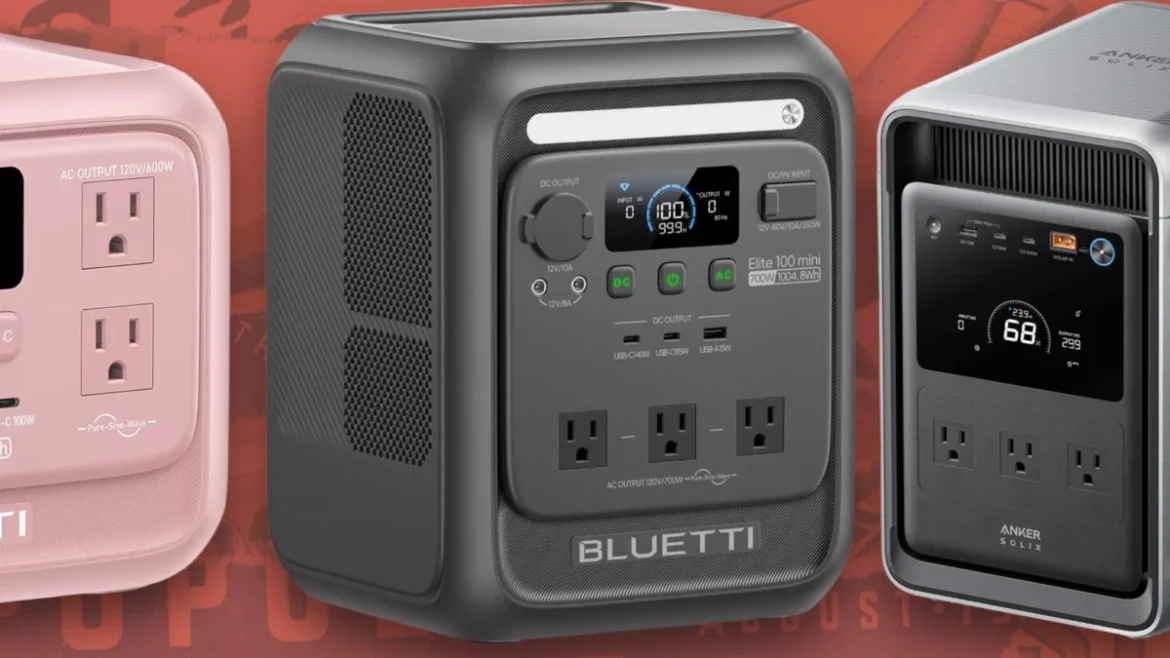
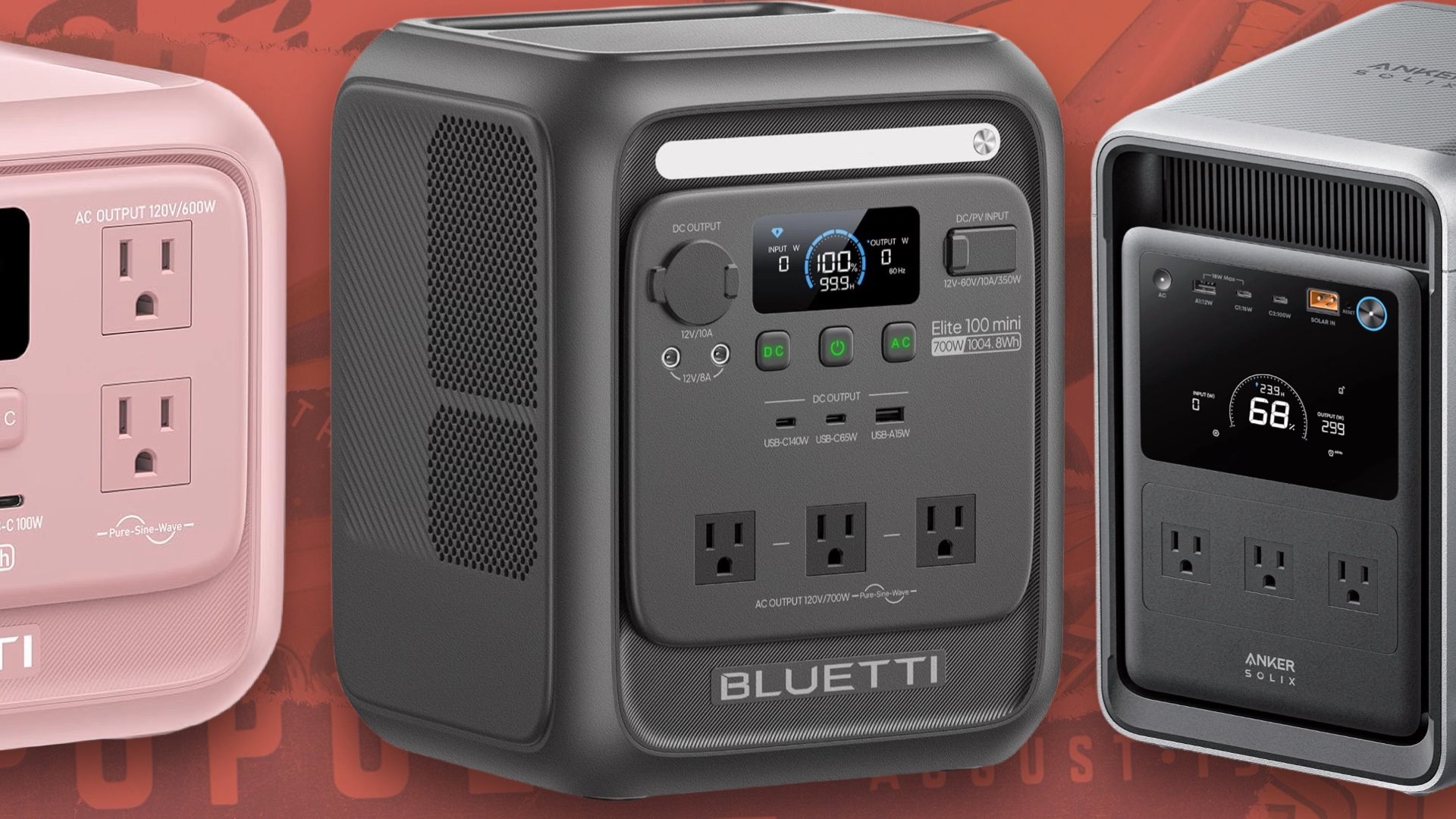
The 2026 Black Friday cycle has seen aggressive pricing on several high-performance units. The Bluetti Elite 100 mini, currently priced at $379.99—down from its standard $799 retail price—serves as a primary example of this trend. It provides 1,004.8Wh of storage in a relatively lightweight chassis of 23.6 pounds. While its 700-watt continuous output limits its use for heavy appliances, it is highly optimized for mobile work setups, CPAP machines, and emergency lighting.
Anker’s SOLIX S2000 is another notable standout, currently listed at $649.97 compared to its usual $1,199 price point. Featuring 2,010Wh of storage and a 1,500-watt continuous inverter, this unit represents a mid-tier sweet spot for homeowners preparing for localized outages. Anker has focused heavily on longevity, rating these cells for 10,000 charge cycles, which theoretically places the lifespan of the unit well beyond the decade mark under normal usage conditions.
For those requiring more robust capabilities, the Bluetti Elite 300 is priced at $1,098.99, a significant reduction from its $1,699 MSRP. With a capacity of 3,014Wh and a 2,400-watt continuous output, this device is designed for home backup and RV support, featuring a dedicated 30-amp TT-30 port that facilitates direct integration with travel trailers. Weighing 58 pounds, it is intended for stationary placement, serving as a reliable secondary power source in garages or utility rooms.
The Evolution of Off-Grid Power: A Chronology
The surge in demand for portable power stations did not happen in a vacuum. The trajectory of the industry can be traced back to the mid-2010s, when the rise of the "van life" movement and the expansion of remote work necessitated portable, reliable power. Initially, these devices were viewed as niche products for hobbyists. However, the subsequent years brought a series of high-profile, wide-scale grid failures—particularly in regions prone to extreme weather—which accelerated the transition of these devices into the mainstream household preparedness market.
By 2022, the supply chain for these units saw significant strain as global demand outpaced manufacturing capacity. In response, firms like EcoFlow and Bluetti invested heavily in vertical integration, developing their own battery management systems and expanding manufacturing facilities to stabilize costs. The current 2026 sales event is the result of that stabilization; with higher supply volumes, manufacturers are now able to offer more competitive pricing during peak retail windows.
Economic Implications and Industry Sentiment
Industry analysts observe that these Black Friday discounts are part of a broader strategy to establish brand loyalty within the "ecosystem" model. When a consumer purchases a power station from a specific manufacturer, they are more likely to purchase that same brand’s solar panels, expansion batteries, and smart home integration accessories. This "walled garden" approach ensures long-term customer value, which justifies the aggressive discounting seen today.
From an economic perspective, the current pricing environment is beneficial for consumers but places downward pressure on profit margins. Smaller, less established brands are struggling to compete with the price cuts offered by industry leaders, leading to a consolidation of the market. Experts suggest that while this is positive for quality control, it could eventually lead to a less diverse market if smaller innovators are forced out by the sheer scale of the dominant players.
Strategic Considerations for Consumers
When evaluating these deals, consumers are encouraged to consider the total cost of ownership. This includes not just the initial purchase price of the station, but also the cost of compatible solar arrays if the intent is to use the unit for long-term off-grid survival. Many of the current bundles offered on platforms like Amazon provide significant savings over purchasing components separately.
Furthermore, safety certifications remain a critical factor. Prospective buyers should look for UL (Underwriters Laboratories) certification or similar third-party safety testing. As the market has flooded with low-cost alternatives, the distinction between high-quality, safety-tested units and uncertified imports has become more pronounced. Manufacturers like Anker and Bluetti have built their reputations on rigorous testing, which is a major factor in their premium positioning even when discounted.
Looking Toward the Future
As we move into 2027, the industry is expected to pivot toward "Smart Home" integration, where portable power stations communicate directly with residential electrical panels to automatically switch to battery power during a blackout. Current models are already seeing early versions of this technology, with transfer switches becoming a common upsell for high-capacity units.
The environmental impact of this trend is also worth noting. By shifting the burden of emergency power from fossil-fuel-burning portable generators to chemical battery storage, the reliance on gasoline and the associated carbon emissions are significantly reduced. This transition aligns with broader sustainability goals, though it shifts the challenge to battery recycling and the ethical sourcing of raw materials like lithium and cobalt.
In conclusion, the current Black Friday offerings provide a unique window for consumers to acquire sophisticated energy hardware at historically low prices. Whether for emergency preparedness, recreational off-grid living, or simply reducing reliance on the traditional grid, the technology available today offers a level of efficiency and safety that was unattainable only a few years ago. As the retail period progresses, consumers are advised to prioritize units that offer a balance of capacity and output suited to their specific needs, while keeping an eye on the long-term scalability of their chosen platform. The investments made today in these systems are likely to provide dividends in security and convenience for years to come.
