
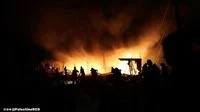
A catastrophic fire tore through the floating village of Kampung Bahagia in Sabah, Malaysia, in the pre-dawn hours of Sunday, April 19, 2026, obliterating an estimated 200 wooden homes and forcing hundreds of residents to flee for safety. The inferno, fueled by strong winds and the highly combustible nature of the closely packed stilt houses, spread with alarming speed, transforming the serene waterside settlement into a scene of devastation. While the immediate focus remains on humanitarian aid and temporary shelter for the displaced, the incident has starkly illuminated the systemic challenges and inherent vulnerabilities faced by floating communities across the region, particularly concerning fire safety and emergency response infrastructure.
The alarm was first raised at 1:32 AM local time, according to Jimmy Lagung, Head of the Sandakan Fire and Rescue Station (BBP). Firefighting units, numbering 35 personnel, were immediately dispatched to the scene, but their efforts were severely hampered by a confluence of challenging factors. The narrow and often circuitous access routes leading to the floating village proved impassable for larger fire trucks, forcing crews to navigate smaller pathways and deploy hoses over considerable distances. Compounding this logistical nightmare, the prevailing strong winds acted as a relentless accelerant, fanning the flames across the tightly clustered wooden structures, many of which lacked adequate fire breaks. Furthermore, the unfortunate timing of the fire coincided with a period of low tide, significantly complicating efforts to draw water directly from the open sea or nearby sources, a crucial resource for combating such a large-scale blaze. Despite these formidable obstacles, firefighters battled tirelessly throughout the morning, with efforts continuing well into the late hours to fully extinguish the smoldering remnants and prevent any reignition.
As the sun rose over the smoldering remains of Kampung Bahagia, the full extent of the tragedy began to unfold. Initial unofficial figures indicated that at least 445 individuals from 89 families had been registered at designated evacuation centers established by local authorities. These centers, swiftly set up in nearby community halls and schools, became havens for those who had lost everything, providing immediate relief in the form of food, water, medical attention, and temporary shelter. Remarkably, despite the ferocity and scale of the blaze, no fatalities were reported, a testament to the rapid response of residents in evacuating and the dedication of emergency services. However, the emotional and psychological toll on the survivors, many of whom witnessed their homes and livelihoods vanish in mere hours, is immeasurable. The loss extends beyond physical structures to personal belongings, important documents, and the accumulated memories of generations.
Official Response and Coordinated Relief Efforts
In the wake of the disaster, the Malaysian federal government swiftly pledged its support and assistance to the affected community. Prime Minister Anwar Ibrahim, in a statement released via his Facebook page, affirmed that the federal government was actively coordinating with Sabah authorities to provide essential basic assistance and facilitate temporary relocation for those impacted. "The current priority is the safety of the victims and immediate assistance on the ground," the Prime Minister stated, underscoring the government’s commitment to alleviating the suffering of the displaced. This coordination is crucial, as it involves various governmental bodies, including the National Disaster Management Agency (NADMA), the Social Welfare Department (JKM), and local municipal councils, working in concert to assess needs, distribute aid, and plan for long-term recovery. Initial aid packages typically include food rations, temporary housing materials, blankets, hygiene kits, and psychosocial support for families grappling with the trauma of displacement. The focus will eventually shift towards more sustainable housing solutions, a complex undertaking given the unique nature of floating communities.
Understanding the Vulnerability of Floating Villages
The Kampung Bahagia tragedy serves as a poignant reminder of the inherent vulnerabilities of floating villages, a common form of settlement across Southeast Asia. These communities, often built on stilts over coastal waters, rivers, or lakes, represent a unique blend of traditional living and economic necessity. In Sabah, particularly along its extensive coastline, such villages are home to significant populations, many of whom rely on fishing and marine-related activities for their livelihoods. While offering a distinct way of life and access to resources, they present formidable challenges in terms of infrastructure and safety.
The construction materials predominantly used in these settlements – wood, bamboo, and corrugated iron – are highly flammable. The houses are typically built in close proximity, creating a dense urban fabric with little to no space for fire breaks, allowing fires to spread with terrifying speed and intensity. Access for emergency services is almost universally difficult, with narrow boardwalks or water channels serving as the only routes, rendering conventional firefighting equipment like large trucks ineffective. Water supply, paradoxically, can also be an issue; while surrounded by water, the ability to pump and deliver it effectively to the heart of a blaze, especially during low tide or when power is disrupted, can be severely compromised. Furthermore, these settlements often lack formal zoning, robust building codes, or adequate public services such as piped water, sewage systems, and consistent electricity, which can contribute to unsafe conditions and exacerbate disaster impacts. Previous incidents across the region, from the Philippines to Indonesia, have repeatedly highlighted these same systemic issues, often leading to mass displacement and the complete loss of cultural heritage.
Chronology of a Catastrophe
The events leading to the devastation of Kampung Bahagia unfolded rapidly:
- Pre-Dawn Hours (approx. 01:00 AM): Residents are largely asleep in their wooden stilt homes. The area, prone to dry spells, may have seen increased flammability of structures.
- 01:32 AM: The first emergency call is received by the Sandakan Fire and Rescue Station, reporting a fire in Kampung Bahagia.
- Minutes Later: Firefighting teams are mobilized, beginning their arduous journey to the remote floating village.
- Arrival On Scene: Firefighters encounter immediate logistical hurdles. Narrow access points prevent large fire trucks from reaching the core of the blaze. They resort to deploying long hoses and using smaller, more agile equipment.
- Rapid Spread: Fueled by strong winds, the fire quickly engulfs dozens of homes, jumping from one structure to another due to their close proximity and the highly flammable building materials.
- Low Tide Challenge: Firefighters struggle to secure adequate water supply from the surrounding sea as the low tide makes it difficult for pumps to draw sufficient volumes.
- Evacuation Efforts: Local residents, alerted by shouts and the roaring flames, scramble to evacuate their homes, prioritizing personal safety. Many manage to escape with only the clothes on their backs.
- Ongoing Operation (Morning): Despite the challenges, the 35 firefighters continue their relentless battle against the blaze, working to contain its spread and extinguish remaining hotspots.
- Establishment of Evacuation Centers: Local authorities and volunteers rapidly set up temporary shelters, registering displaced families and providing immediate humanitarian aid.
- Official Statements: Prime Minister Anwar Ibrahim issues a statement pledging federal support and coordinating relief efforts.
The Broader Implications: Beyond the Ashes
The Kampung Bahagia fire is more than just a local tragedy; it carries significant broader implications for urban planning, disaster management, and social welfare in Malaysia and beyond.
- Socio-Economic Disruption: For the 89 families affected, the loss is total. Beyond their homes, many have lost their primary tools of livelihood, such as fishing boats, nets, and small businesses operated from their residences. The economic recovery will be protracted and challenging, requiring substantial government and community support to rebuild lives and restore economic stability. The psychological trauma of witnessing such destruction and the uncertainty of the future will also require sustained support.
- Infrastructure Deficiencies and Policy Review: The incident unequivocally highlights the critical need for improved infrastructure in informal and vulnerable settlements. This includes not only better access roads and fire hydrants but also the implementation of stricter building codes that promote fire-resistant materials and adequate spacing between structures. A comprehensive review of existing policies regarding informal settlements, especially those on water, is warranted to ensure they are integrated into national disaster preparedness and urban development plans. This might involve exploring designs for community fire breaks, establishing dedicated water pumping stations, or investing in community-based early warning and response systems.
- Environmental Concerns: The massive amount of debris – burnt wood, corrugated iron, household waste, and potentially hazardous materials – now submerged in the marine environment poses a significant ecological threat. This pollution can harm local marine ecosystems, disrupt fishing grounds, and impact the delicate balance of coastal biodiversity. A concerted effort for environmental clean-up and rehabilitation will be necessary to mitigate long-term damage.
- Long-Term Housing Solutions: The question of long-term housing for the displaced residents is complex. Options range from rebuilding in situ with improved safety standards, relocating families to safer, land-based housing, or developing more resilient, pre-fabricated floating structures. Each option presents its own set of challenges, including land acquisition, cultural ties to the water, and the financial implications for both the government and the affected families. Any solution must consider the unique cultural identity and economic activities of these communities.
- Community Resilience and Preparedness: The incident underscores the importance of fostering community-level resilience. This includes regular fire safety drills, establishing local fire brigades or volunteer groups equipped with basic firefighting tools, and educating residents on emergency evacuation procedures. Empowering communities to take ownership of their safety can significantly reduce the impact of future disasters.
- Role of Non-Governmental Organizations (NGOs): In the immediate aftermath and during the long-term recovery phase, local and international NGOs will play a vital role. They often fill gaps in government assistance, providing specialized aid, psychosocial support, and advocating for the rights and needs of displaced populations. Their involvement will be crucial in ensuring a holistic and sustained recovery process for Kampung Bahagia.
The devastating fire in Kampung Bahagia is a stark reminder of the fragile existence in many of the world’s informal and unique settlements. As recovery efforts commence, the hope is that this tragedy will serve as a catalyst for comprehensive planning and investment in resilient infrastructure, ensuring that such a devastating loss of homes and livelihoods does not recur in Sabah’s vulnerable floating communities. The path to recovery will be long, but the spirit of community and the promise of government support offer a glimmer of hope for the displaced residents of Kampung Bahagia.
