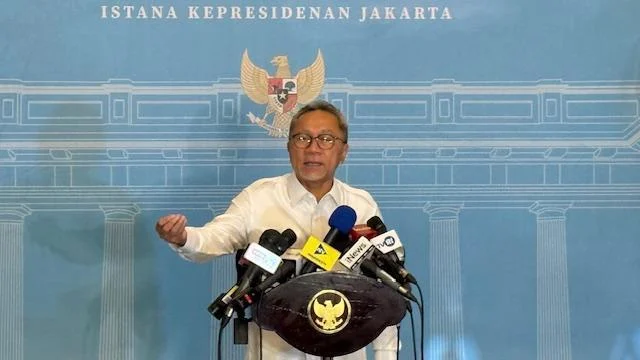
Indonesia’s strategic approach to safeguarding and bolstering its national economic resilience rests on three fundamental pillars: unwavering policy credibility, a dynamic capacity for adaptation to evolving global dynamics, and the continuous strengthening of international partnerships. This comprehensive framework was the central message conveyed by Indonesian officials, including the Governor of Bank Indonesia and the Minister of Finance, during a series of high-level engagements at the prestigious IMF-World Bank Spring Meetings 2026 held in Washington, D.C., United States. The pronouncements underscored Jakarta’s commitment to maintaining macroeconomic stability and fostering sustainable growth amidst an increasingly complex global economic landscape.
The Nexus of Global Finance: IMF-World Bank Spring Meetings 2026
The IMF-World Bank Spring Meetings serve as a critical annual forum where central bank governors, ministers of finance and development, private sector executives, representatives from civil society organizations, and academics converge to discuss pressing issues concerning the global economy. These meetings address a wide array of topics, from the global economic outlook and financial stability to poverty eradication, economic development, and aid effectiveness. For emerging economies like Indonesia, participation offers an invaluable platform to articulate national economic strategies, engage in bilateral and multilateral dialogues, attract foreign investment, and foster international cooperation.
The 2026 iteration of the Spring Meetings, held against a backdrop of ongoing global economic adjustments—including lingering effects of post-pandemic recovery, evolving geopolitical tensions, persistent inflationary pressures in some advanced economies, and the urgent imperative for climate action—provided a crucial opportunity for Indonesia to showcase its resilience and forward-looking economic vision. The Indonesian delegation, led by key economic policymakers, actively participated in various sessions, panel discussions, and bilateral meetings designed to foster deeper understanding and collaboration. The emphasis on robust policy frameworks and international engagement resonated strongly with the overarching themes of global stability and sustainable development that dominated the discussions in Washington, D. D.C.
Pillar One: Unwavering Policy Credibility
At the core of Indonesia’s economic resilience strategy is the steadfast commitment to policy credibility, encompassing the consistent and synergistic implementation of monetary, fiscal, and financial system stability policies. This commitment is not merely rhetorical but is demonstrated through concrete actions and a proven track record of prudent economic management.
Bank Indonesia, as the nation’s central bank, plays a pivotal role in maintaining monetary policy credibility. Its primary mandate to achieve and maintain rupiah stability is pursued through a carefully calibrated monetary policy mix, including interest rate management, exchange rate stabilization, and macroprudential measures. In the lead-up to 2026, Indonesia’s monetary authorities had navigated periods of global monetary tightening and inflationary spikes with a balanced approach, often praised by international financial institutions for its foresight and independence. For instance, data from preceding years indicated that Bank Indonesia successfully anchored inflation expectations within its target range, typically around 2-4%, through a combination of timely policy rate adjustments and effective communication. This proactive stance helped prevent runaway inflation from eroding purchasing power and undermining investor confidence, a challenge many other emerging markets grappled with. The consistency in its inflation-targeting framework, coupled with flexible exchange rate management, has provided a stable macroeconomic environment conducive to long-term investment and growth.
Complementing monetary policy, the Ministry of Finance’s fiscal policy framework reinforces this credibility. The Indonesian government has historically maintained a prudent approach to public finance, adhering to statutory limits on the budget deficit (capped at 3% of GDP) and public debt. By 2026, the government’s efforts to consolidate its fiscal position post-pandemic were evident. Data often highlighted improving tax revenue collection, driven by ongoing tax reforms and digitalization efforts, which bolstered state coffers without overly burdening businesses or households. Concurrently, government spending was strategically channeled towards productive sectors such as infrastructure development, human capital enhancement (education and health), and social safety nets, ensuring that fiscal policy not only supported economic growth but also fostered equitable development. The synergy between these fiscal strategies and monetary policy ensured that overall macroeconomic management was coherent and mutually reinforcing, providing a predictable and stable environment for domestic and foreign investors.
Furthermore, the stability of the financial system is a crucial component of policy credibility. Indonesia’s financial sector, overseen by the Financial Services Authority (OJK) in close coordination with Bank Indonesia and the Ministry of Finance through the Financial System Stability Committee (KSSK), has demonstrated remarkable resilience. Banking sector capital adequacy ratios (CAR) have consistently remained well above regulatory minimums, indicating robust shock-absorbing capacity. Non-performing loan (NPL) ratios have been kept at manageable levels, reflecting sound credit underwriting practices and effective supervision. The regulatory framework has also evolved to embrace digital transformation and green finance, ensuring the financial system remains relevant and robust in the face of emerging challenges and opportunities. These combined efforts across monetary, fiscal, and financial stability domains paint a picture of an economy managed with foresight and an unwavering commitment to long-term stability.
Pillar Two: Dynamic Adaptability to Global Dynamics
The second cornerstone of Indonesia’s economic resilience is its profound capacity to adapt and adjust its policy frameworks in response to the ever-shifting global economic landscape. In an era characterized by rapid technological advancements, geopolitical realignments, and increasing climate-related risks, static policies are a recipe for vulnerability. Indonesia has demonstrated a proactive stance, continuously refining its strategies to navigate these complexities.
Global dynamics by 2026 presented a multifaceted challenge. Persistent supply chain disruptions, exacerbated by geopolitical tensions and protectionist tendencies in some major economies, necessitated a robust domestic industrial base and diversified trade routes. Indonesia’s response included accelerated efforts to downstream its vast natural resources, particularly nickel and other minerals, to create higher value-added products domestically. This strategy not only boosted export revenues but also fostered local manufacturing capabilities and created employment opportunities, reducing reliance on raw material exports and insulating the economy from volatile commodity price swings. Data points from this period often showed a significant increase in the export value of processed goods, reflecting the success of this industrial policy.
Furthermore, the global shift towards green economies and sustainable development presented both challenges and opportunities. Indonesia, a nation rich in biodiversity and vulnerable to climate change impacts, has been actively adapting its economic policies to align with global sustainability goals. This includes developing a comprehensive framework for carbon trading, promoting renewable energy investments, and fostering green industries. The government’s commitment to achieving its Nationally Determined Contribution (NDC) under the Paris Agreement has spurred innovation and attracted green finance, positioning Indonesia as a key player in the global energy transition. This adaptability extends to embracing digital transformation, with policies supporting the growth of its vibrant digital economy, fostering e-commerce, and enhancing digital literacy across the archipelago, preparing its workforce and businesses for the demands of the future economy.
The ability to adjust macroeconomic policy settings in response to external shocks is equally vital. For instance, in the event of sudden global capital outflows or sharp swings in commodity prices, Indonesia’s policymakers have shown a willingness to deploy a flexible toolkit, including judicious use of foreign exchange intervention, targeted fiscal stimulus, or macroprudential adjustments, to cushion the impact on the domestic economy. This agility, backed by robust foreign exchange reserves and access to international financial safety nets, ensures that Indonesia can absorb external shocks without derailing its growth trajectory, a trait highly valued by international investors seeking stability.
Pillar Three: Strengthening International Partnerships
The third crucial element underpinning Indonesia’s economic resilience is the continuous strengthening of its international cooperation and partnerships. Recognizing that no nation can thrive in isolation, Indonesia has actively pursued a strategy of deepening engagement with key economic powers and multilateral institutions.
The specific mention of partnerships with the United States and other nations highlights a diversified approach to international relations. The US remains a vital trade and investment partner for Indonesia. Discussions at the IMF-World Bank Spring Meetings 2026, particularly with entities like the US-ASEAN Business Council and the US Chamber of Commerce, were instrumental in reinforcing these bilateral ties. These meetings served as a platform to reassure American investors about Indonesia’s favorable investment climate, discuss potential new avenues for cooperation—especially in strategic sectors like renewable energy, digital infrastructure, and advanced manufacturing—and address any concerns regarding regulatory frameworks or market access. Data often reflected a steady flow of Foreign Direct Investment (FDI) from the US into Indonesia, particularly in high-tech and service sectors, demonstrating the tangible benefits of such direct engagements.

Beyond the US, Indonesia’s international partnership strategy is broad-based, encompassing key trading partners in Asia (such as China, Japan, South Korea, and fellow ASEAN members), Europe, and Australia. This includes participation in various regional trade agreements (e.g., RCEP) and bilateral investment treaties, which aim to facilitate trade, protect investments, and promote economic integration. Furthermore, Indonesia is a proactive member of multilateral forums such as the G20, ASEAN+3, and APEC, where it advocates for open trade, fair economic governance, and collective solutions to global challenges. Its active role in these forums enhances its diplomatic standing and provides a platform to shape global economic norms and policies, benefiting its own economic interests.
The commitment to international cooperation extends to financial assistance and knowledge sharing. Indonesia actively collaborates with the IMF, World Bank, and Asian Development Bank (ADB) on various development programs and technical assistance initiatives. These partnerships not only provide access to concessional financing for critical projects but also facilitate the exchange of best practices in economic management, regulatory reforms, and capacity building. For instance, collaborations on climate finance or digital economy infrastructure projects showcase how international partnerships translate into tangible benefits for national development and resilience.
Chronology of Engagements at the Spring Meetings (April 15, 2026)
The specific date of April 15, 2026, marked a particularly intensive day for the Indonesian economic delegation in Washington, D.C. The sequence of meetings was strategically planned to maximize engagement with critical stakeholders and convey Indonesia’s economic narrative effectively.
The day commenced with a series of bilateral meetings between the Bank Indonesia Governor and the Minister of Finance with their counterparts from other G20 nations, focusing on macroeconomic coordination and addressing shared global economic challenges such as inflation control and financial market stability. These early morning sessions set the stage for a collaborative approach to global economic governance.
Mid-morning saw the Indonesian delegation pivot to crucial interactions with the private sector. A significant gathering was held with leading representatives from the US-ASEAN Business Council. This council, comprising major American corporations with interests in Southeast Asia, provided an ideal audience for the Indonesian officials to detail the nation’s robust economic outlook, highlight specific investment opportunities, and explain recent policy reforms designed to improve the ease of doing business. Discussions reportedly covered sectors ripe for American investment, including renewable energy infrastructure, digital economy platforms, and advanced manufacturing, with officials emphasizing Indonesia’s large domestic market and strategic geographical location.
Following this, the delegation engaged with the US Chamber of Commerce, the world’s largest business federation. This meeting broadened the scope of discussion, addressing broader trade policies, intellectual property rights, and the overall regulatory environment impacting American businesses operating or looking to expand into Indonesia. The Indonesian officials reiterated their commitment to creating a transparent and predictable investment climate, underscoring the importance of foreign direct investment for job creation and technology transfer. The feedback from these business councils was generally positive, with representatives acknowledging Indonesia’s proactive efforts to enhance its investment appeal and navigate global uncertainties.
The afternoon concluded with further engagements within the broader framework of the IMF-World Bank Spring Meetings, including attendance at key plenary sessions on topics such as global financial stability and sustainable development financing. These sessions provided additional opportunities for the Indonesian delegation to network with global policymakers and reinforce the messages of credibility, adaptability, and partnership that formed the core of their agenda.
Statements and Reactions
Anton Pitono, Director of the Communications Department at Bank Indonesia, emphasized that the three factors—policy credibility, adaptability, and international partnerships—were the central tenets conveyed throughout these critical discussions. "These principles," Pitono stated, "are not just theoretical concepts but are embedded in our daily policymaking and engagement strategies. They are what give us confidence in Indonesia’s economic trajectory."
While specific statements from US-ASEAN Business Council or US Chamber of Commerce representatives were not immediately public, the nature of these high-level meetings typically involves expressions of mutual interest and confidence. It can be logically inferred that representatives from these business organizations would have welcomed the clarity and commitment demonstrated by the Indonesian delegation. Their reactions would likely have underscored the importance of policy predictability, regulatory consistency, and a stable macroeconomic environment for attracting and sustaining foreign investment, echoing the very points made by the Indonesian officials. Industry leaders would also likely have highlighted specific sectors where US businesses see significant growth potential, such as technology, infrastructure, and green industries, aligning with Indonesia’s development priorities.
From the perspective of international financial institutions, Indonesia’s consistent performance and proactive policy stances have frequently garnered positive assessments. The IMF, for instance, in its regular Article IV consultations, has consistently commended Indonesia’s sound macroeconomic management and its resilience in the face of global shocks. These commendations serve as an external validation of the policy credibility emphasized by the Indonesian delegation, further reinforcing investor confidence.
Broader Impact and Implications
The concerted effort by Indonesia’s economic policymakers to articulate and implement this three-pronged strategy for economic resilience carries significant broader implications, both domestically and internationally.
Domestically, a sustained commitment to policy credibility fosters greater certainty for businesses and households, encouraging long-term investment and consumption. This stability translates into higher potential for sustained economic growth, job creation, and improved living standards for the Indonesian populace. By adapting to global dynamics, Indonesia can harness new opportunities, such as the burgeoning green economy or digital transformation, positioning its industries for future competitiveness and diversification away from traditional resource-based sectors. Strengthening international partnerships not only brings in crucial foreign capital and technology but also integrates Indonesia more deeply into global value chains, enhancing its export competitiveness and access to international markets.
Internationally, Indonesia’s robust economic management and proactive engagement elevate its standing as a reliable and attractive investment destination within Southeast Asia and the broader emerging market landscape. In a world grappling with fragmentation and uncertainty, a stable, growing, and adaptable Indonesia serves as a crucial anchor for regional economic stability. Its leadership in multilateral forums and its commitment to international cooperation contribute to global economic governance and foster a more interconnected and resilient global financial system. The confidence expressed by Indonesian officials in Washington D.C. signals to the world that Indonesia is not merely reacting to global challenges but is actively shaping its destiny through strategic foresight and unwavering commitment to its economic principles.
However, the path ahead is not without its challenges. Global economic uncertainties, including potential resurgence of inflation, geopolitical flashpoints, and the intensifying impacts of climate change, necessitate continuous vigilance and further adaptation. Indonesia’s ability to maintain its trajectory will depend on its sustained commitment to reform, its agility in adjusting to unforeseen shocks, and its steadfast pursuit of deeper and more diversified international cooperation. The Spring Meetings of 2026 served as a powerful reaffirmation of Indonesia’s readiness to confront these challenges head-on, leveraging its inherent strengths and strategic vision to secure a prosperous and resilient future.