
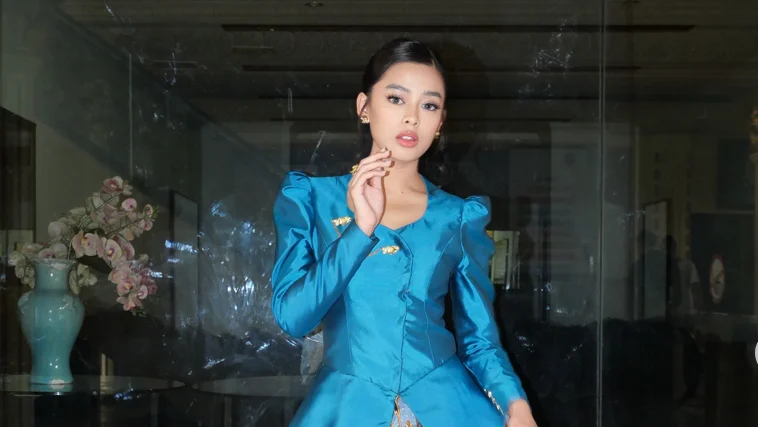
Jakarta – Young Indonesian actress Aqeela Calista has captivated audiences with her stunning portrayal of a graduating student in the popular sinetron (soap opera) "Asmara Gen Z." Her recent on-screen appearance, featuring a resplendent electric blue modern kebaya, has become a focal point of discussion among fans and fashion enthusiasts alike, highlighting the evolving trends in traditional Indonesian attire for contemporary media. The ensemble, designed by renowned fashion couturier Dimas Singgih, not only showcased Calista’s radiant beauty but also underscored the fusion of classic Indonesian design with modern aesthetics, a trend increasingly embraced in entertainment and formal events.
The scene, depicting a pivotal moment of academic achievement for Calista’s character, was brought to life through meticulous styling. The electric blue kebaya, crafted from luxurious satin, features a form-fitting silhouette that accentuates the wearer’s figure. A distinctive design element is the subtly puffed shoulder, lending a structured and powerful outline to the garment. This contemporary take on the traditional kebaya is further enhanced by a peplum-like slit at the front, adding a dynamic and fashionable flair that deviates from more conventional cuts. This choice in design signifies a deliberate effort to present traditional wear in a fresh, relatable, and aspirational light for a younger demographic, aligning with the themes of "Asmara Gen Z."
Complementing the striking blue of the kebaya is a batik skirt that weaves together shades of black, blue, and gold. This harmonious color palette ensures that the accompanying batik does not overpower the main garment but instead creates a cohesive and elegant look. The intricate patterns of the batik, typical of Indonesian craftsmanship, add depth and cultural resonance to the ensemble, demonstrating a thoughtful integration of heritage into the modern design. The choice of batik further emphasizes the appreciation for Indonesian textiles and their versatility in high-fashion contexts.
To elevate the ensemble, the kebaya is adorned with an exquisite gold brooch, complete with a decorative chain draped across the chest. This opulent accessory serves as a sophisticated embellishment, adding a touch of luxury without being ostentatious. Such attention to detail in accessories plays a crucial role in transforming a well-designed outfit into a truly memorable fashion statement, particularly within the visually driven medium of television. This detail suggests a keen understanding of how even the smallest elements can contribute to the overall impact of a character’s appearance.
The styling extends beyond the attire to encompass Calista’s makeup and hairstyle, which were curated to enhance her natural beauty and complement the elegance of her outfit. Her makeup featured a soft glam approach, emphasizing a smooth, luminous complexion. Neatly sculpted eyebrows, a subtle eyeliner, and voluminous lashes framed her eyes, while a nude peach lipstick provided a touch of color that harmonized with the overall look. This understated makeup style ensures that Calista’s youthful charm remains the focal point, while still projecting a polished and mature image befitting a graduate.
Her hairstyle, a sleek low bun, further amplified the sophisticated aesthetic. The neat, low placement of the bun exuded an air of refinement and timeless grace. A clean middle parting added structure to her facial features, enhancing her overall elegant presentation. This hairstyle choice is a classic for formal occasions and serves to draw attention to the intricate details of the kebaya and her facial features, reinforcing the impression of a young woman poised for her next chapter.
Context and Significance of Modern Kebaya in Media
The portrayal of Aqeela Calista in this modern kebaya for "Asmara Gen Z" is more than just a stylistic choice; it reflects a broader cultural movement. For decades, the kebaya has been a symbol of Indonesian identity and elegance, traditionally worn for formal occasions like weddings, religious ceremonies, and national events. However, in recent years, there has been a significant evolution in its design and perception. Fashion designers have been instrumental in reinterpreting the kebaya, infusing it with contemporary silhouettes, innovative fabrics, and modern embellishments. This revitalization has made the kebaya more accessible and appealing to younger generations, who are increasingly seeking ways to connect with their cultural heritage through fashion.
The "Asmara Gen Z" sinetron, targeting a youth audience, utilizes such fashion choices to resonate with its viewers. By featuring a modern, stylish kebaya on a popular young actress, the show not only enhances the visual appeal of its scenes but also subtly promotes a positive image of traditional Indonesian attire. This approach can influence audience perceptions, encouraging them to view the kebaya not as a relic of the past, but as a dynamic and fashionable garment suitable for various modern events, including graduations, parties, and even contemporary weddings. The integration of such elements into popular culture can play a vital role in the preservation and evolution of traditional dress.
Dimas Singgih’s Contribution to Contemporary Indonesian Fashion
The involvement of Dimas Singgih in designing Aqeela Calista’s graduation kebaya is noteworthy. Singgih is recognized within the Indonesian fashion industry for his ability to blend traditional craftsmanship with modern design sensibilities. His creations often feature intricate embroidery, unique fabric manipulations, and contemporary cuts that appeal to a discerning clientele. By entrusting him with the design of this crucial on-screen outfit, the production team of "Asmara Gen Z" signaled their commitment to delivering high-quality fashion that is both culturally relevant and aesthetically pleasing.
Singgih’s design for Calista’s kebaya exemplifies his signature style: creating garments that are both elegant and wearable, respecting the traditional roots of the kebaya while pushing its boundaries. The use of electric blue, a bold yet sophisticated color, combined with the satin fabric, provides a luxurious sheen. The modern silhouette, with its defined shoulders and peplum detail, offers a fresh perspective on how the kebaya can be styled for a younger woman. This collaboration serves as a testament to the flourishing Indonesian fashion scene, where designers are actively innovating and reinterpreting traditional attire for a global audience.
The Role of Media in Shaping Fashion Trends
The influence of media, particularly television and social media, on fashion trends cannot be understated. When a prominent figure like Aqeela Calista wears a particular style or garment on screen, it often sparks interest and emulation among her followers. The meticulous documentation of this look through Instagram posts, as indicated in the original source, further amplifies its reach and impact. This phenomenon is a powerful driver for the adoption of new trends, especially for items that are both culturally significant and fashion-forward.
The buzz surrounding Calista’s kebaya can be seen as a microcosm of how popular culture shapes our engagement with fashion. It encourages a dialogue about tradition versus modernity, and how these two seemingly disparate concepts can be harmoniously integrated. For young Indonesians, seeing their favorite celebrities embrace and modernize traditional attire can foster a sense of pride and encourage them to explore their own cultural roots through their personal style. This trend is not limited to Indonesia; similar movements are observed globally, where fashion serves as a bridge between heritage and contemporary identity.
Broader Implications for Traditional Indonesian Dress
The success of such modern interpretations of traditional Indonesian attire has several broader implications. Firstly, it contributes to the economic vitality of the fashion industry, supporting designers, artisans, and textile producers. Secondly, it plays a crucial role in cultural preservation by ensuring that traditional garments remain relevant and appreciated by younger generations. When traditional clothing is seen as fashionable and desirable, there is a greater incentive to maintain the skills and craftsmanship associated with its creation.
Furthermore, these modern adaptations can help to counter the perception that traditional clothing is outdated or inaccessible. By presenting the kebaya in a contemporary context, media like "Asmara Gen Z" can inspire a new wave of appreciation and engagement with Indonesian cultural heritage. This can lead to increased demand for both traditional and modern interpretations of these garments, fostering a dynamic and evolving fashion landscape that honors the past while embracing the future. The journey of the kebaya, from its traditional roots to its modern, screen-ready iterations, is a compelling narrative of cultural adaptation and enduring style.
