
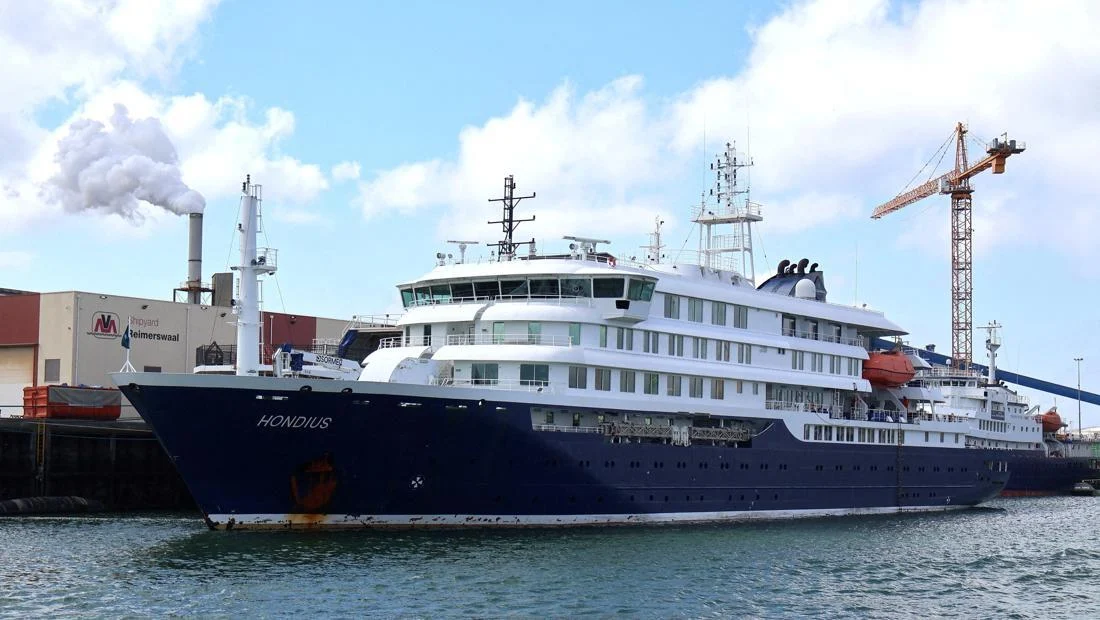
Jakarta – The World Health Organization (WHO) has issued a stark warning regarding a deadly outbreak aboard the cruise ship MV Hondius, with initial investigations suggesting the possibility of human-to-human transmission of Hantavirus. This development marks a significant concern, as Hantaviruses are typically known to spread from rodents to humans. The situation has led to the vessel being held under strict medical surveillance in the waters of Cape Verde, West Africa, with three passengers confirmed deceased and 149 individuals from 23 different countries on board.
The WHO’s assessment is based on the unusual pattern of transmission observed among the passengers and crew. Dr. Maria Van Kerkhove, a technical officer at the WHO, stated that the virus likely spread among those in very close contact on the ship. "We believe there may have been some human-to-human transmission occurring among very close contacts," Dr. Van Kerkhove communicated to the BBC, highlighting the departure from the typical zoonotic (animal-to-human) transmission route.
Unfolding Crisis: Timeline and Initial Concerns
The first confirmed case of illness is believed to have originated before passengers boarded the ship in Argentina. Given that the voyage began in South America, investigators are operating under the strong assumption that the prevalent strain of Hantavirus is the Andes virus. This particular variant is distinct among Hantaviruses for its established capability of human-to-human transmission, a characteristic that has amplified the concern surrounding the MV Hondius outbreak.
The cruise ship, a vessel known for expeditions to remote destinations, embarked on its journey with a diverse international clientele. The first reports of severe illness emerged during the voyage, quickly escalating into a full-blown public health crisis. As symptoms became more severe and casualties mounted, the ship’s captain initiated contact with health authorities, leading to the current quarantine and intensive medical investigation.
Medical Evacuation and Onboard Conditions
In response to the escalating health emergency, urgent medical evacuations are underway. Two crew members, identified as a British national and a Dutch national, are being transferred to the Netherlands via medical aircraft due to acute respiratory distress. Additionally, an individual with close contact to one of the deceased passengers, a German national, is also slated for evacuation. These measures underscore the severity of the outbreak and the commitment of international health organizations to manage the situation.
Despite the somber reality of medical personnel in full personal protective equipment (PPE) surrounding the ship, an anonymous passenger provided an account of the onboard atmosphere. "The atmosphere on board is quite good. We hope other patients are tested soon so we know what is really happening," the passenger shared, conveying a sense of cautious optimism and a desire for swift resolution and clear information. This statement offers a glimpse into the human element of the crisis, highlighting the passengers’ hope for transparency and rapid diagnosis.
Understanding Hantaviruses: A Public Health Perspective
Hantaviruses are a group of viruses that can cause two distinct types of diseases in humans: hantavirus pulmonary syndrome (HPS) and hemorrhagic fever with renal syndrome (HFRS). HPS is primarily found in the Americas, while HFRS is prevalent in Europe and Asia. Both are zoonotic diseases, meaning they are transmitted from animals to humans. The primary animal reservoir for Hantaviruses is rodents, particularly mice and rats. Transmission to humans typically occurs through the inhalation of aerosolized virus particles from rodent excreta, urine, or saliva, or through bites from infected rodents.
However, the Andes virus, implicated in the MV Hondius outbreak, represents a critical exception. This strain has demonstrated the capacity for human-to-human transmission, primarily through close contact with an infected individual’s bodily fluids. This mode of transmission can occur through direct contact with blood, saliva, or urine, and potentially through respiratory droplets, although the latter is less common and not as well-established as the direct contact route for Andes virus.
The incubation period for Hantavirus infections can vary, typically ranging from one to eight weeks, but can sometimes extend up to several weeks. Symptoms often begin with flu-like presentations, including fever, headache, muscle aches, and fatigue. As the disease progresses, HPS can lead to severe respiratory distress, characterized by coughing, shortness of breath, and fluid accumulation in the lungs, which can be rapidly fatal. HFRS, on the other hand, can manifest with symptoms such as severe headache, back pain, abdominal pain, and can lead to kidney failure.
The MV Hondius Incident: Implications and Broader Context
The outbreak on the MV Hondius raises several critical public health and logistical questions. The fact that a cruise ship, a contained environment with close proximity among passengers and crew, has become the site of a potential human-to-human transmission event highlights the vulnerabilities of such settings to infectious disease outbreaks. Cruise ships, by their nature, bring together individuals from diverse geographic locations, increasing the risk of introducing novel pathogens or facilitating their rapid spread.
The swift response by the WHO and national health authorities, including the medical quarantine and evacuations, is crucial in mitigating further spread. However, the prolonged detention of the ship and the ongoing investigations underscore the complexity of managing such an event, especially in international waters.
Global Health Security and Preparedness
This incident serves as a stark reminder of the ongoing threat posed by emerging infectious diseases and the importance of robust global health security mechanisms. The ability of Hantaviruses, particularly variants like the Andes virus, to adapt and spread through human-to-human transmission demands continuous vigilance and enhanced surveillance.
The preparedness of maritime travel industries, including cruise lines, to detect, report, and respond to outbreaks is paramount. This includes stringent health protocols for passengers and crew, effective onboard medical facilities, and clear communication channels with international health organizations. Furthermore, the rapid deployment of diagnostic capabilities and the swift implementation of containment measures are essential to prevent localized outbreaks from escalating into larger public health crises.
The investigation into the MV Hondius outbreak will likely provide valuable insights into the dynamics of Hantavirus transmission in a maritime setting and contribute to refining future response strategies. The collaboration between the WHO, national health agencies, and the ship’s operators will be key to ensuring the health and safety of all involved and to understanding the full scope of this concerning event. The world will be watching closely as the situation on the MV Hondius continues to unfold.
