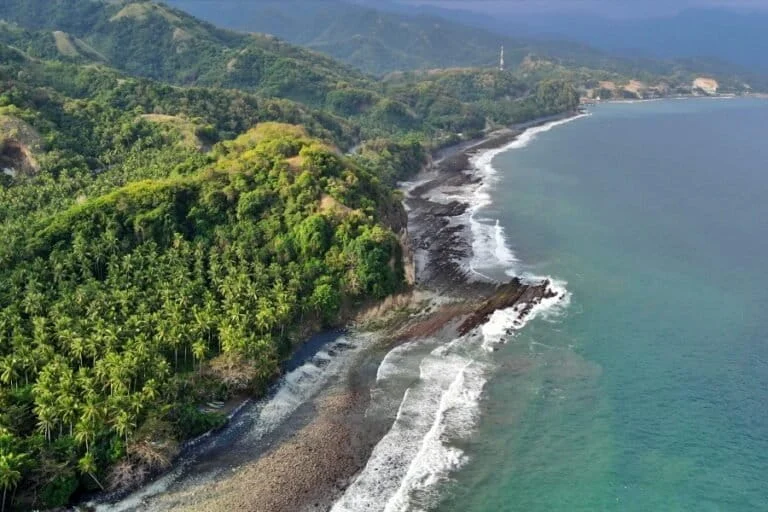
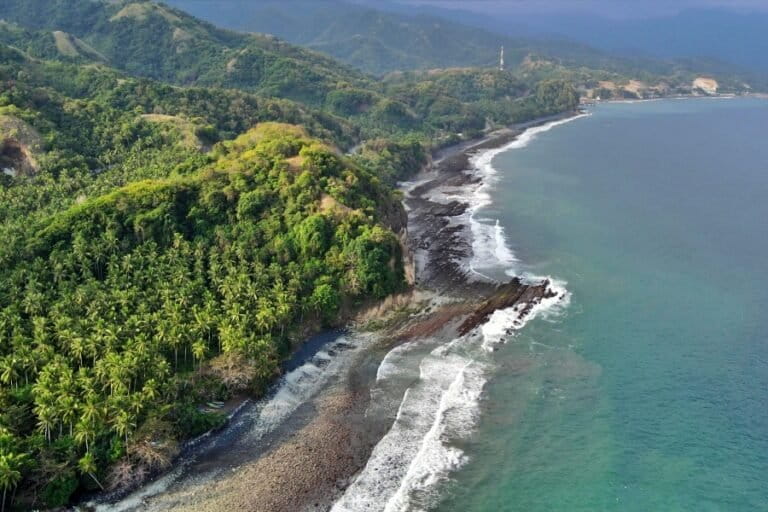
The coastal waters of Maurongga, located in the Nangapanda District of Ende Regency, East Nusa Tenggara, represent more than just a geographic feature for the local community; they are the primary economic engine for an entire generation of artisanal fishers. However, as climate volatility increases and seasonal high tides become more unpredictable, the fragility of this livelihood has been brought into sharp focus. For Imran Tabri and his fellow fishers, the current season of high waves—which forces them to pull their small vessels onto the shore to prevent structural damage—is a stark reminder of their vulnerability. Yet, beneath the turbulence of the current, a story of adaptation, community-led conservation, and the struggle against illegal fishing practices is unfolding, offering a blueprint for sustainable coastal management in the Indonesian archipelago.
The Genesis of Octopus Fishing in Maurongga
The evolution of Maurongga’s maritime economy is relatively recent. Imran Tabri, a key figure in the local fishing community, migrated to Maurongga from the southern coast of Ende City, bringing with him specialized knowledge of octopus fishing techniques. Arriving in 2015, Tabri identified a significant gap in the local market. While local fishers were primarily focused on traditional finfish catches, the untapped potential of the octopus population in the shallow rocky reefs of Maurongga was immense.
Tabri’s decision to transition to octopus fishing served as a catalyst for local economic diversification. Initially a solitary pursuit, his success prompted others to adopt similar methods. By 2019, the professionalization of this sector gained momentum through the intervention of the Tananua Flores Foundation, an organization dedicated to rural development and environmental stewardship. Through their capacity-building programs, the number of octopus fishers in the village grew to seven, including two women—a development that signaled a shift in local gender roles regarding maritime labor.
Economic Impact and Data-Driven Growth
The impact of these efforts is quantifiable. According to data provided by the Tananua Flores Foundation, octopus has emerged as the most significant catch for the Maurongga community in 2025. Records indicate a total harvest of approximately 479.8 kilograms of octopus, generating a revenue of roughly 16.07 million Indonesian Rupiah. While these figures may appear modest on a national scale, for a village of this size, they represent a vital source of liquidity that supports household stability.
The economic resilience of the community is further supported by secondary activities during the off-season. When the sea is too rough for fishing, families often turn to the shoreline to collect "green stones." These geological resources, gathered in 25-kilogram sacks, are sold for 20,000 Rupiah per sack. While this supplementary income is significantly lower than fishing, it serves as a crucial buffer during the monsoon season, preventing total economic paralysis when the waves render the ocean inaccessible.
The Loi System: A Traditional Approach to Modern Conservation
The success of the octopus fishery is not accidental; it is the result of a deliberate, community-led management strategy known as the "Loi" system. Managed by the LMMA (Locally Managed Marine Area) group Embo Angi, chaired by Ismail Isman, this system functions as a temporal closure strategy. Under this scheme, the fishing grounds are partitioned into distinct zones. A specific zone is declared "off-limits" for a period of three months, allowing the octopus population to feed, grow, and reproduce without the pressure of human extraction.
This rotation ensures that the biomass of the octopus population remains stable and that the average size of the harvested individuals increases. Imran Tabri reports that since the implementation of the Loi system, the size of individual octopuses has increased significantly, with many specimens now reaching weights of three to four kilograms. This reflects a fundamental principle of fisheries management: by curbing harvest intensity, the community allows for "spillover effects," where the increased population density inside the protected zone enhances the abundance of the target species in the surrounding areas.
The Shadow of Illegal Fishing and Environmental Threats
Despite the successes of the LMMA Embo Angi group, the progress of the Maurongga fishers is under constant threat from destructive fishing practices. Muhammad Nuhu, a prominent member of the group, highlights a recurring conflict with fishers from outside the region who employ illegal methods, such as the use of explosives (bomb fishing) and potassium cyanide (potas). These methods are catastrophic for the reef ecosystem, as they indiscriminately kill juvenile marine life and destroy the very habitats that the local community is working to restore.
In some instances, illegal fishers have been observed pouring insecticides into the water, a practice that leaves toxic residues and causes long-term damage to the marine food chain. The struggle against these external threats is fraught with danger. Members of the Embo Angi group frequently engage in patrols, risking confrontation with individuals who are often aggressive and quick to dispose of evidence—such as dead marine life or illicit chemicals—when authorities or local patrols approach.
The Role of Institutional Support and Future Outlook
The Tananua Flores Foundation continues to provide technical assistance, shifting its focus toward broader environmental literacy. This includes educating fishers on the importance of eliminating non-biodegradable waste from the ocean and advocating for the use of non-destructive gear. These educational initiatives are essential, as they transform the fishers from simple resource extractors into environmental stewards.
The case of Maurongga illustrates the "tragedy of the commons" in real-time, where the collective effort to manage a resource is pitted against the short-term gains of outsiders. The resilience of the Maurongga community is a testament to the effectiveness of grassroots conservation. However, the sustainability of this model depends heavily on two factors: the continued cohesion of local groups like Embo Angi and the increased enforcement of national maritime laws by regional authorities.
As Nuhu succinctly puts it, "We must guard the sea, as it is our field of wealth." This perspective—that the ocean is an investment rather than an infinite well—is the cornerstone of the Maurongga model. Whether this model can be scaled to other parts of the Flores coast remains to be seen, but the data from 2025 suggests that the integration of traditional knowledge, community governance, and targeted non-profit support is a powerful formula for coastal economic security.
The challenges remaining are significant. Climate change-induced sea-level rise and increasing wave intensity will likely continue to impact the number of days fishers can spend at sea. Furthermore, the persistent threat of illegal, unreported, and unregulated (IUU) fishing remains a systemic issue that local fishers cannot solve alone. Future policy efforts must prioritize providing the necessary legal backing and surveillance support for community-led marine protected areas (MPAs) to ensure that the progress made by fishers like Imran Tabri and Muhammad Nuhu is not undone by external exploitation.
In conclusion, the story of Maurongga is a microcosm of the broader struggle for ocean health in Indonesia. By prioritizing the long-term health of their maritime environment through the Loi system and standing firm against destructive practices, the fishers of Nangapanda are demonstrating that economic survival and environmental conservation are not mutually exclusive, but rather, deeply interdependent. The path forward requires a unified approach that respects local autonomy while enforcing the rule of law across the high seas of the Indonesian archipelago.