
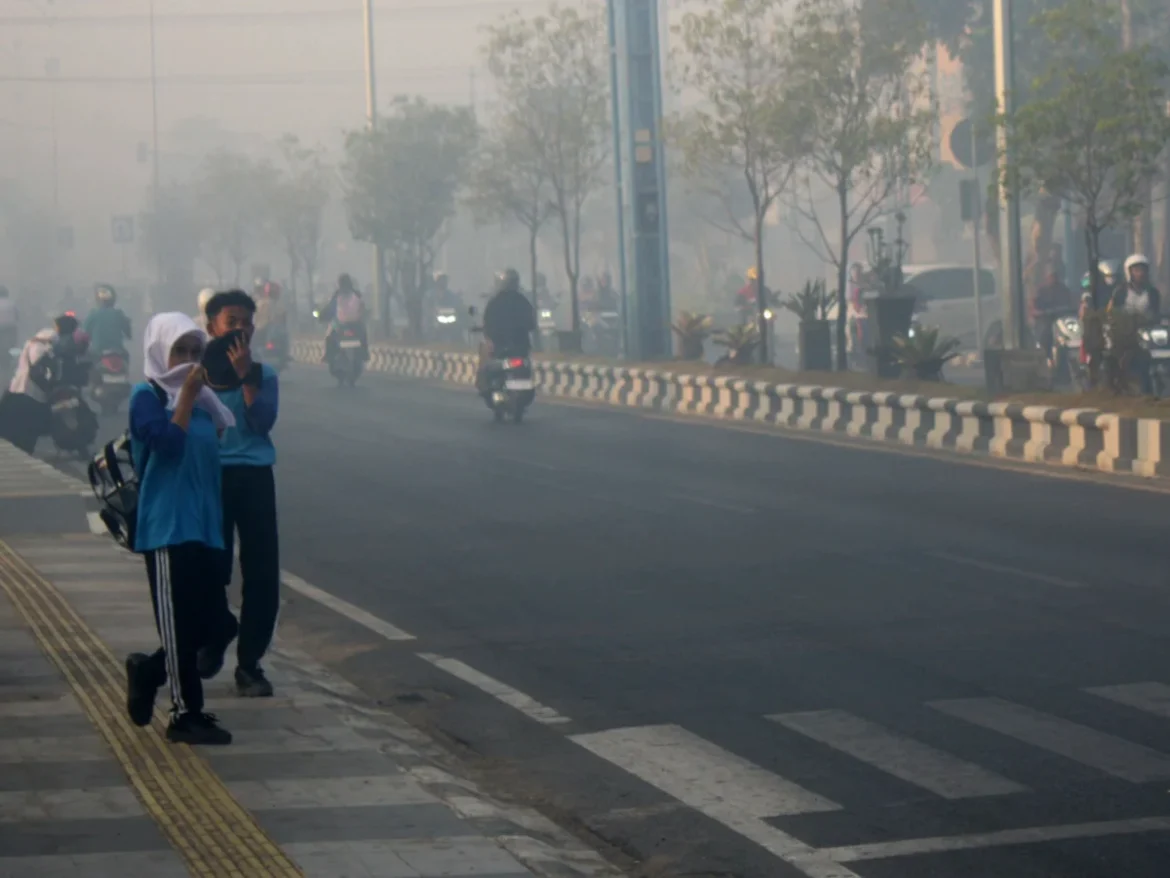
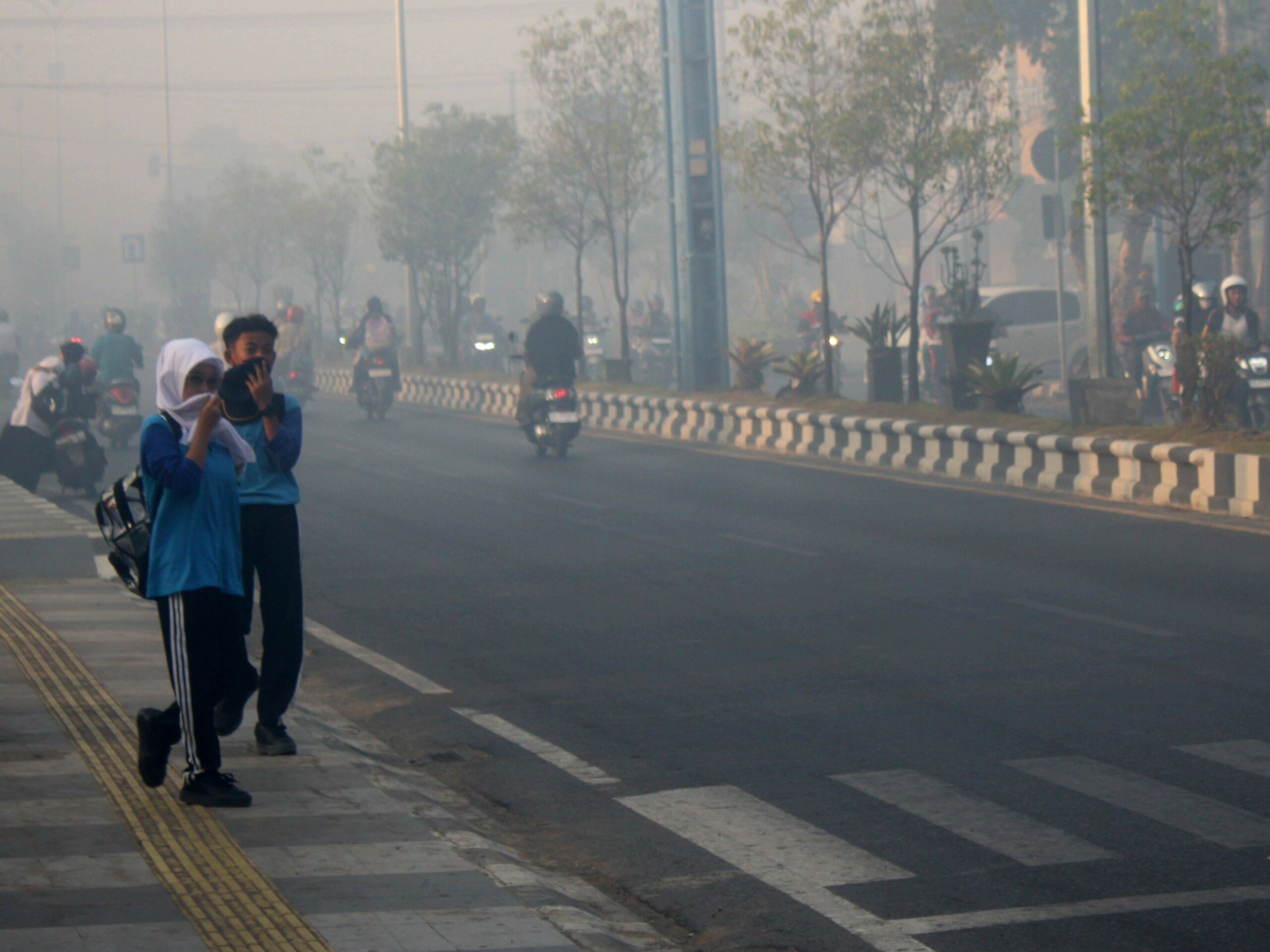
The recurring nightmare of forest and land fires (karhutla) has once again plunged the Indonesian province of East Kalimantan into a state of atmospheric crisis, leaving families mourning, children struggling to breathe, and public health infrastructure stretched to its breaking point. As smoke from burning peatlands and forests blankets cities like Balikpapan and Samarinda, the human cost is becoming impossible to ignore. For parents like Michael, whose toddler was diagnosed with pneumonia, the hazy sky is not just an environmental concern; it is an immediate threat to the survival of the next generation.
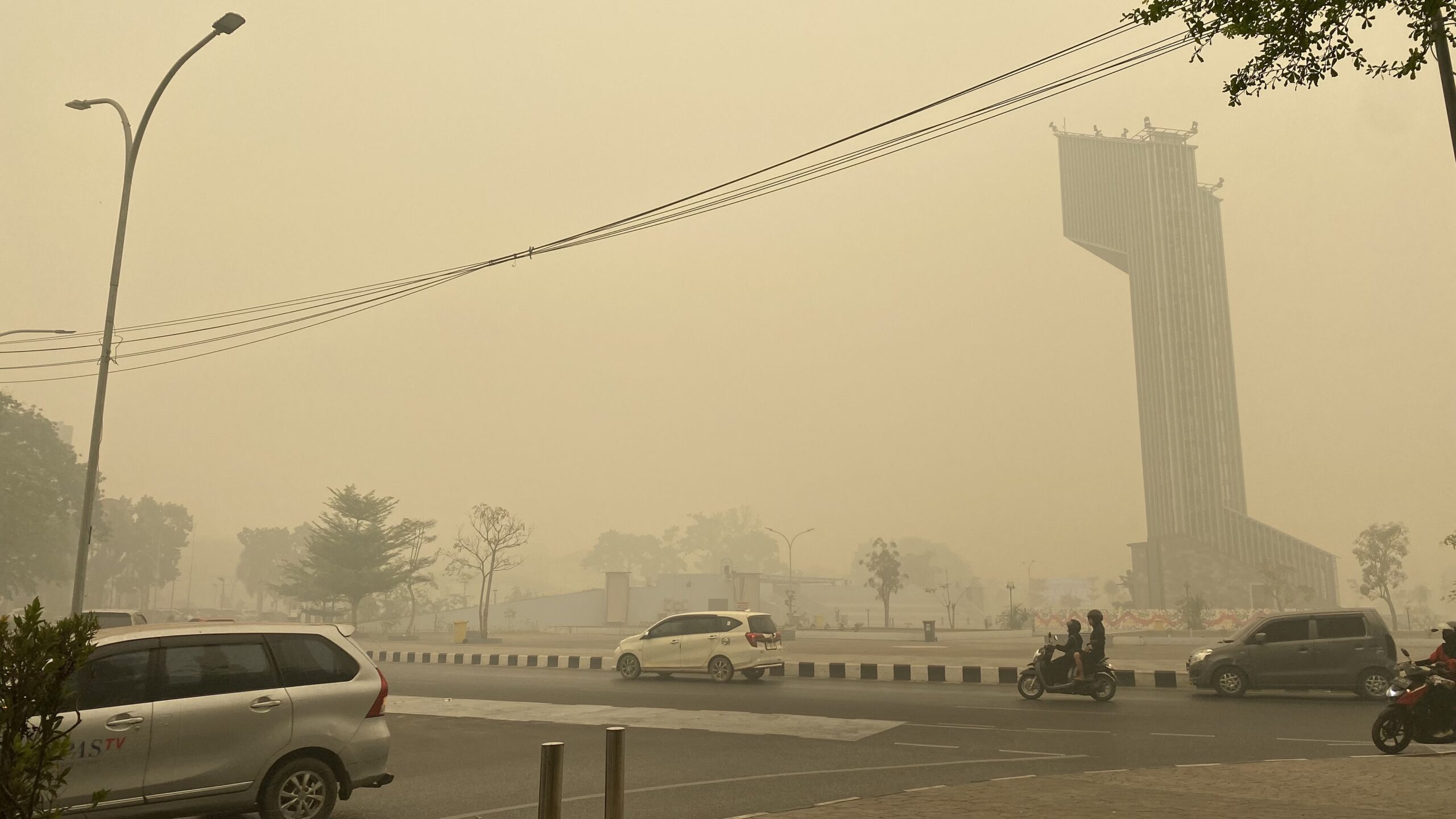
The crisis, which intensified throughout October 2026, has reached a level of severity that has triggered public outcry, legal scrutiny, and desperate demands for the government to declare a national state of emergency. As the air quality index (AQI) fluctuates in the "unhealthy" to "hazardous" range, the narrative of the crisis is shifting from a seasonal annoyance to a systemic failure of environmental and public health protection.
A Growing Toll on the Vulnerable
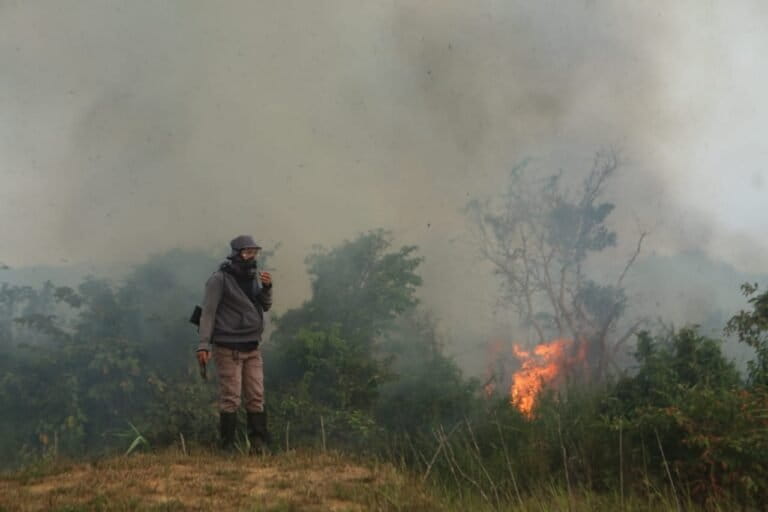
The tragedy in Kecamatan Palaran, Samarinda, serves as a grim focal point for the current crisis. Yazlyn Syanindita, a 14-month-old infant, died after suffering from sudden, acute respiratory distress. Her family, living in a region heavily impacted by smoke drifting from fires in areas like Bentuas, believes the toxic air played a critical role in her passing. According to her grandfather, Sarno, the child had no history of respiratory illness. The onset of the breathing difficulty was abrupt and lethal, overwhelming the family before adequate medical intervention could be secured.
This case is not an isolated incident. Across the province, the pediatric wards are reporting a rise in children presenting with symptoms of respiratory infection. Michael, a resident of Balikpapan, described the harrowing experience of seeing his 20-month-old child struggle for air. Following an X-ray examination at a local private hospital, doctors identified infiltrates in the upper left lung, a clinical finding strongly associated with exposure to particulate matter and toxic haze. "We were informed that the primary factor affecting this condition is the thickening smoke currently enveloping our city," Michael stated. His experience mirrors that of thousands of other parents who have been forced to restrict their children to indoor environments, effectively trapping them to avoid the hazardous air outside.
Chronology of a Slow-Burning Disaster
The current surge in fires began in earnest in mid-2026, with the peak intensity reported throughout October. While the government often categorizes such events as part of the seasonal cycle of land clearing, the scale of the 2026 fires suggests a lack of robust enforcement.
By mid-October, the situation had deteriorated significantly. On October 15, the death of the infant in Samarinda sparked localized mourning, occurring just one day after a 60-year-old resident, identified as LJ, was found dead after being trapped in a fire in a plantation area in Samarinda Ulu. This sequence of fatalities within 48 hours underscored the lethal nature of the fires, which pose both direct threats to life through physical burns and indirect threats through prolonged inhalation of toxic pollutants.
On October 19, the tension boiled over as the Rapid Response Team for the Protection of Women and Children (TRC PPA) of East Kalimantan staged a protest in front of the Governor’s office. The demonstrators demanded transparency regarding air quality data and, more importantly, a comprehensive protection plan for children living in the affected zones. The protest highlighted the growing frustration with what many perceive as a dismissive attitude from the authorities toward the health impacts of the haze.
Public Health Data and the "Invisible" Crisis
The official response to the health crisis has been marked by a disconnect between government statistics and the experiences of families on the ground. Fitnawati, Head of Disease Prevention and Control at the East Kalimantan Health Office, acknowledged a significant upward trend in cases of Acute Respiratory Infection (ISPA). According to the Early Warning and Response System (SKDR) data for the province, there has been a 10% to 20% increase in ISPA suspects since late June 2026.
Cumulative data from the District Health Information System (DHIS2) reveals that East Kalimantan has recorded over 33,000 cases of ISPA specifically linked to the wildfire situation. Of these, children under the age of four account for more than 8,000 cases. Despite these figures, health officials have been quick to deflect claims that the recent infant deaths were directly caused by the haze, often citing clinical assessments that suggest other underlying causes. This denial has only fueled public distrust, as activists point to the fact that many of the children hospitalized had no prior history of respiratory disease.
The Toxicity of the Air
Experts are warning that the danger of the current situation cannot be overstated. Diah Satyani Saminarsih, founder and CEO of the Center for Indonesia’s Strategic Development Initiatives (CISDI), emphasizes that the current air quality is laden with more than 1,000 toxic compounds. Drawing on toxicological research from Colorado State University, Saminarsih explains that these compounds include known carcinogens.
"When people breathe, they are inhaling more than 1,000 particulates," Saminarsih noted. "These include substances that are carcinogenic, meaning they can trigger cancer in the long term, not just in the lungs but elsewhere in the body." The presence of PM 2.5—fine particulate matter that can penetrate deep into the lungs and enter the bloodstream—is triggering inflammation across the population. For vulnerable groups, including pregnant women, the risks are particularly severe, with potential links to low birth weight (BBLR) and intrauterine fetal death.
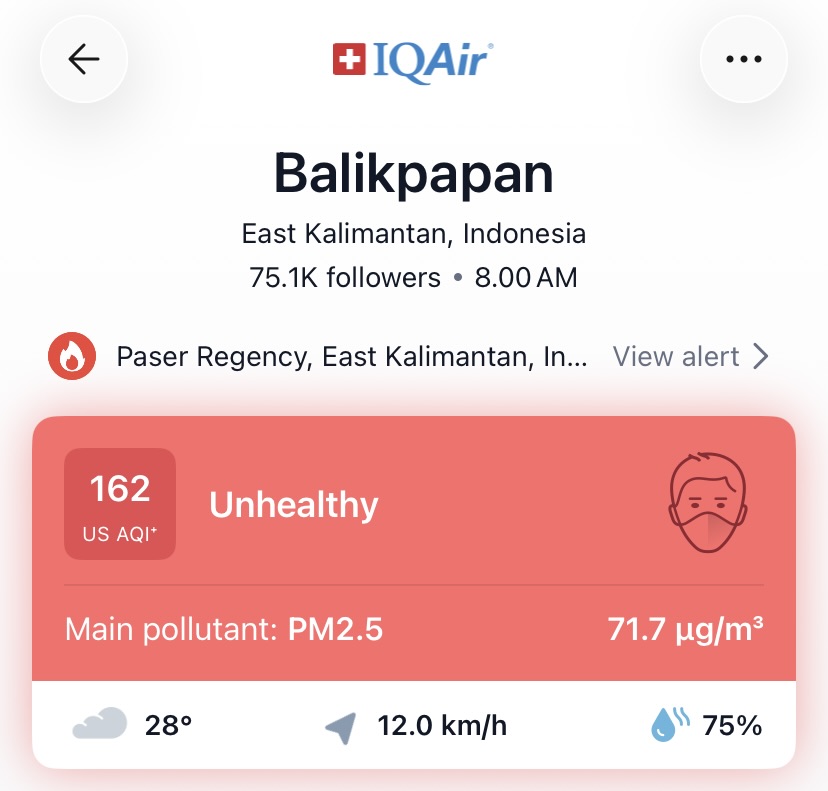
The failure to categorize this as a public health emergency, according to Saminarsih, is a critical oversight. A formal declaration would mobilize resources, including oxygen supplies, medical personnel, and specialized clinics, which are currently being handled through piecemeal, decentralized efforts.
Demanding Accountability and Systemic Reform
Legal experts are now calling for a fundamental shift in how the state handles forest and land fires. Haris Retno, head of the Center for Women and Children’s Legal Studies at Mulawarman University, argues that the government’s tendency to treat these fires as routine seasonal occurrences is a failure of governance.
"We have not seen a blue sky in months," Retno said. "The government must stop normalizing this. Whether or not they declare an official disaster status, the situation on the ground is clearly untenable."
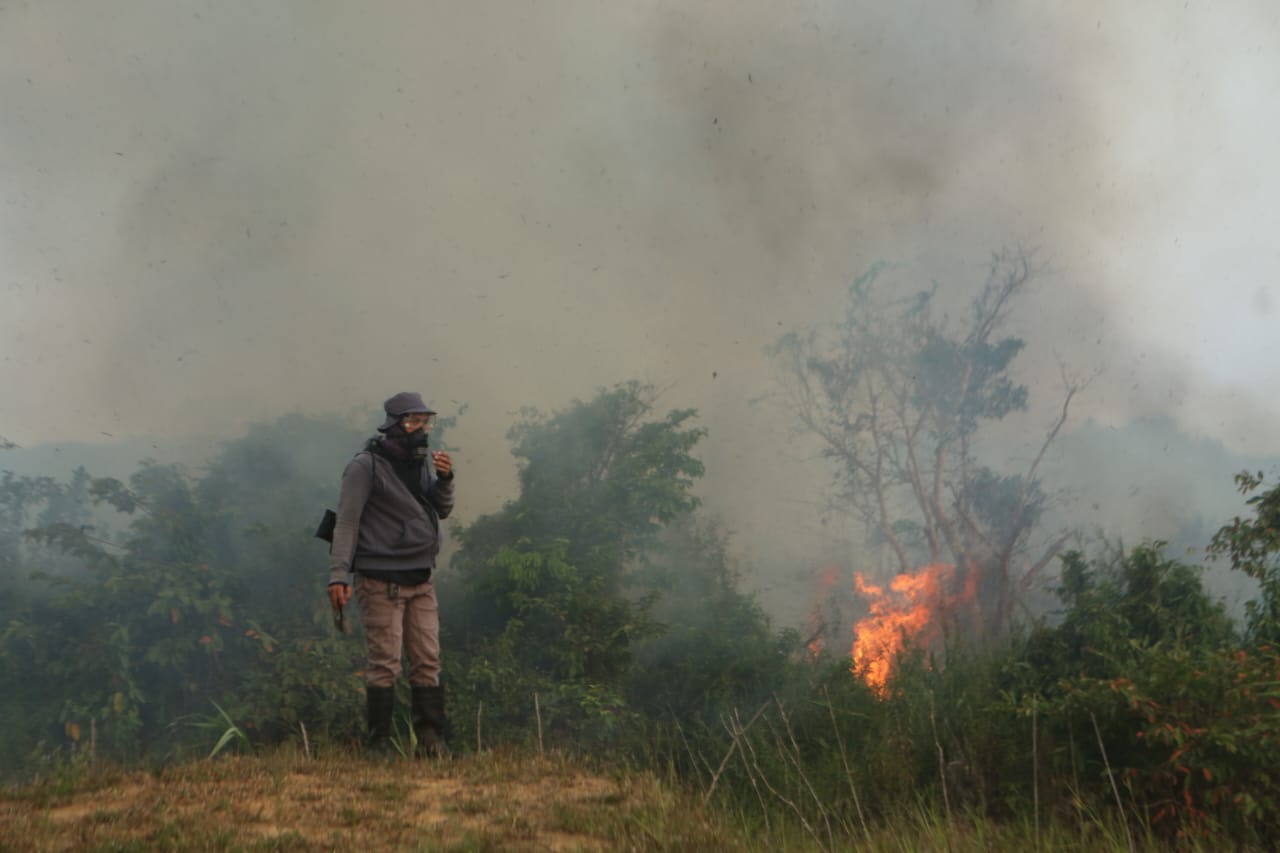
Retno’s analysis points to the need for a rigorous audit of land concessions. In many instances, fires occur within the boundaries of corporate-held lands. Currently, the burden of blame often falls on small-scale land clearers or individuals, while the systemic failure of concession holders to maintain their areas and prevent fires remains largely unaddressed. She advocates for a policy that would see companies stripped of their permits if they cannot demonstrate the capacity or the will to protect their land from fire. Furthermore, she argues that criminal investigations should look beyond the individuals lighting the fires to the entities that profit from the cleared land.
Looking Ahead: The Call for People-Centered Care
As of late October 2026, the haze persists, and the demand for a change in government policy grows louder. The situation in East Kalimantan serves as a grim reminder that environmental degradation is not just a matter of lost biodiversity; it is a fundamental human rights issue that disproportionately affects the most vulnerable.
The path forward, according to health and legal experts, requires a "people-centered" approach to development. This means prioritizing the right to clean air and immediate access to healthcare over the interests of industries that contribute to the smog. Without a shift toward transparent data reporting, robust enforcement of environmental laws, and the establishment of a state-led emergency health response, the provinces of Kalimantan face the risk of turning a temporary seasonal disaster into a permanent public health catastrophe. For parents like Michael and the families grieving in Samarinda, the time for administrative explanations has passed; they are waiting for the air to clear and for the state to finally take responsibility for the lives currently hanging in the balance.
