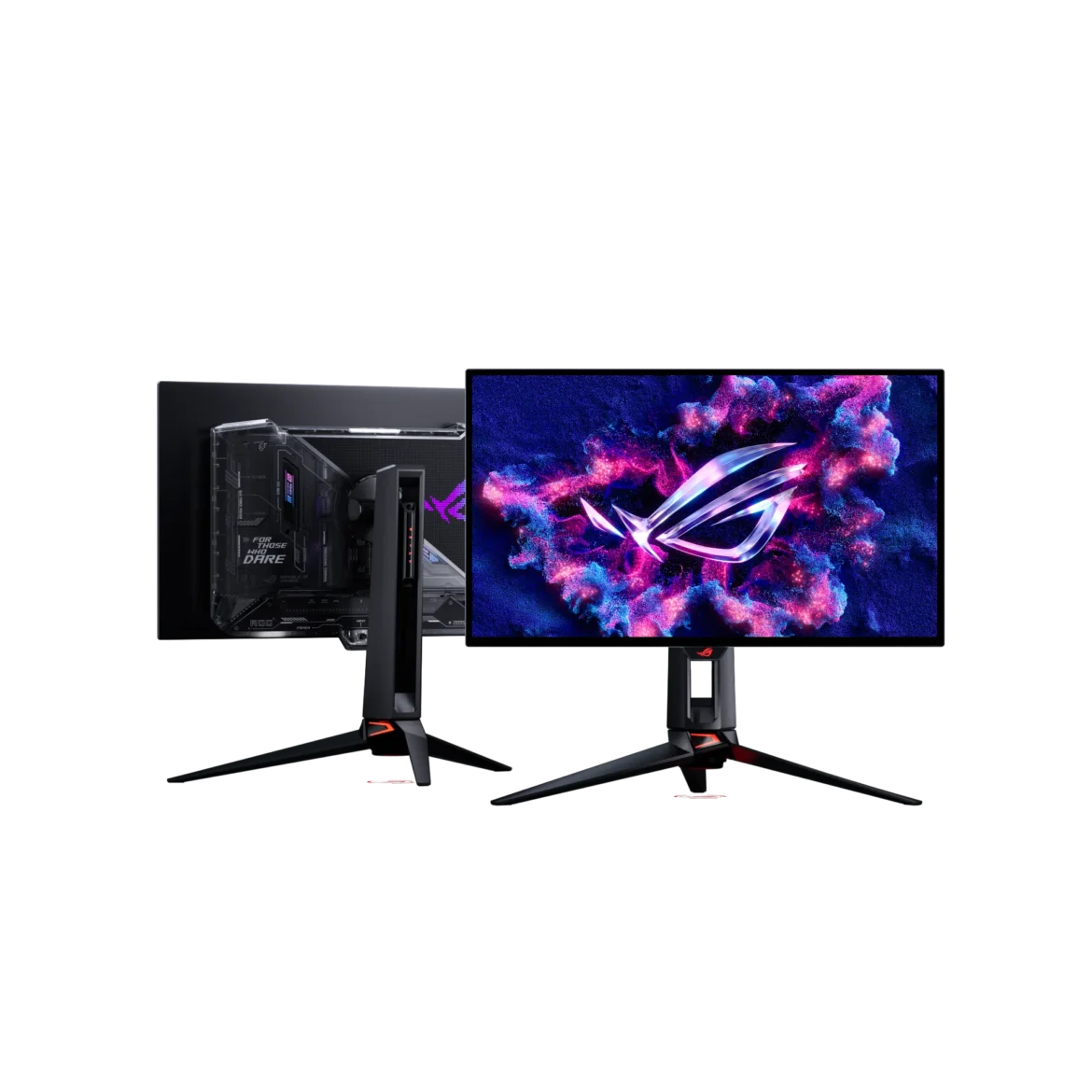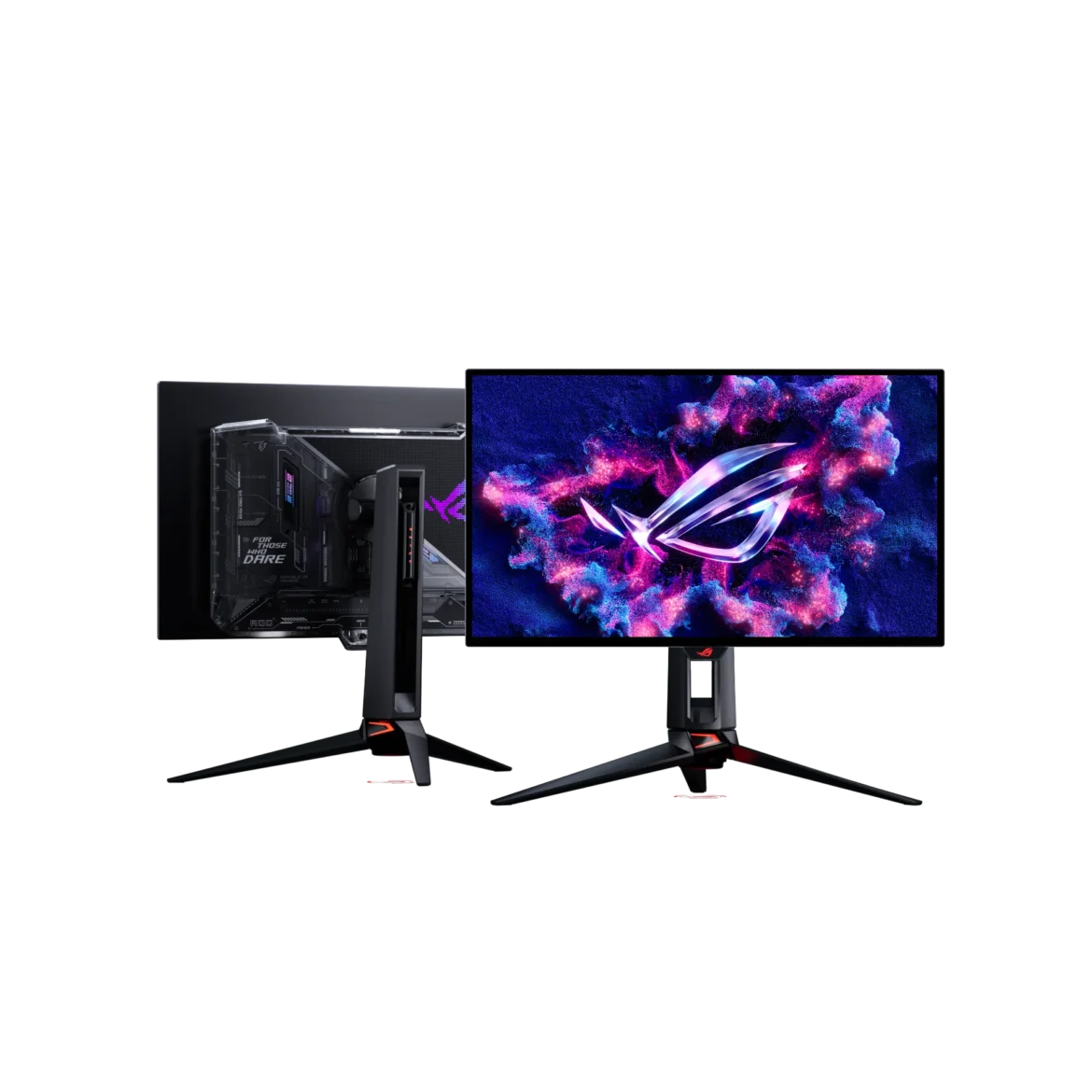
ASUS Republic of Gamers (ROG) has officially announced the highly anticipated launch of its latest premium gaming monitor lineup in the Indonesian market: the ROG Swift OLED PG27UCWM and ROG Swift OLED PG32UCWM. This introduction marks a significant stride in display technology, bringing cutting-edge visual performance and advanced thermal management to competitive gamers and professional content creators alike. These two state-of-the-art visual display units are engineered with a 4K True Tandem RGB OLED panel architecture, promising unprecedented levels of contrast, color saturation, and power efficiency that significantly surpass conventional display panels. The strategic debut in Indonesia underscores the region’s burgeoning importance in the global gaming and creative industries, where demand for high-performance hardware continues to accelerate.
This innovation directly addresses a long-standing dilemma faced by high-performance users: the trade-off between achieving ultra-high resolutions and maintaining lightning-fast refresh rates. For years, gamers and creators often had to compromise, choosing between the pixel density of 4K or the fluid motion of high refresh rates. The new ROG Swift OLED series aims to eliminate this compromise, offering an unparalleled balance. ASUS achieves this equilibrium through the integration of an advanced anti-static layer, a revolutionary new thermal management system, and sophisticated artificial intelligence (AI) capabilities, all designed to deliver absolute performance stability and longevity in a single, flagship device. The move represents ROG’s unwavering commitment to pushing the boundaries of gaming hardware, solidifying its position at the forefront of display innovation.
The Evolution of Gaming Displays: A Contextual Overview
The journey of gaming displays has been one of continuous evolution, from the bulky Cathode Ray Tube (CRT) monitors of yesteryear, known for their zero input lag and high refresh rates, to the widespread adoption of Liquid Crystal Display (LCD) technology. LCDs brought larger screens, thinner profiles, and higher resolutions but often struggled with black levels, contrast ratios, and response times compared to CRTs. The subsequent advent of LED backlighting improved contrast and power efficiency, leading to the rise of various panel types like IPS (In-Plane Switching) for superior color accuracy and viewing angles, and VA (Vertical Alignment) for deeper blacks.
However, the quest for the ultimate visual experience persisted, leading to the emergence of Organic Light-Emitting Diode (OLED) technology. OLED panels fundamentally differ from LCDs by having self-emissive pixels, meaning each pixel generates its own light. This allows for perfect blacks (by turning off individual pixels), infinite contrast, and extremely fast response times—qualities highly coveted by competitive gamers and visual professionals. Despite these advantages, early OLED implementations faced challenges, primarily related to potential burn-in (permanent image retention from static elements) and lower peak brightness compared to some LCDs. ASUS ROG’s latest monitors are a testament to how manufacturers are aggressively tackling these historical limitations, bringing OLED to the mainstream premium gaming segment with enhanced reliability and performance. The decision to launch these advanced displays in Indonesia reflects the country’s dynamic and growing market for high-performance computing, where gamers and content creators are increasingly investing in cutting-edge technology.
Unveiling Unprecedented Visual Fidelity: The True Tandem RGB OLED Advantage
The primary allure of both the ROG Swift OLED PG27UCWM and ROG Swift OLED PG32UCWM lies in their groundbreaking use of a True RGB Stripe OLED structure, harmoniously paired with a TrueBlack Glossy™ display layer. This technical architecture represents a significant departure from standard WOLED (White OLED) panels, which are commonly found in many consumer OLED displays. WOLED panels typically incorporate an additional white subpixel alongside the red, green, and blue subpixels to boost overall brightness. While effective in increasing luminance, this approach can sometimes dilute color saturation and accuracy, particularly at higher brightness levels, as the white subpixel can wash out the primary colors.
In contrast, the True RGB Stripe OLED architecture meticulously eliminates this white subpixel. Instead, it relies solely on dedicated red, green, and blue subpixels to generate all colors and luminance directly. This direct emission of RGB light ensures a purer, more accurate color representation across the entire brightness spectrum. Furthermore, the "Tandem" aspect of this OLED technology, typically referring to a dual-layer emissive structure, significantly enhances both brightness output and panel longevity. By stacking two OLED emissive layers, the display can achieve higher peak brightness levels without overdriving individual pixels, thereby reducing stress on the organic materials and mitigating the risk of burn-in. This dual-layer design also contributes to improved power efficiency and extended lifespan, addressing two critical concerns previously associated with OLED technology. This advanced panel technology, likely sourced from leading OLED manufacturers, represents a pinnacle of display engineering for consumer-grade monitors.
For the end-user, this advanced panel design translates into three profoundly visible visual advantages:
- Unrivaled Color Accuracy and Saturation: By removing the white subpixel, the monitors can render colors with exceptional fidelity and vibrancy, closer to their intended appearance. This is crucial for content creators who demand precise color reproduction for their work and for gamers seeking the most immersive and lifelike visual experiences. The wider color gamut and higher color volume ensure that even the most subtle nuances of a scene are accurately displayed, providing a professional-grade visual canvas.
- Deeper, More Authentic Blacks: The self-emissive nature of OLED pixels means that when a pixel needs to display black, it simply turns off. This results in truly infinite contrast ratios, where blacks are absolute and indistinguishable from the bezel of the monitor. The absence of a white subpixel further ensures that these blacks remain pure and unadulterated, providing an unparalleled sense of depth and realism to images. This infinite contrast is a hallmark of OLED and a major differentiator from even the best LCD technologies.
- Higher Peak Brightness with Enhanced HDR Experience: The Tandem OLED structure allows these monitors to achieve higher peak brightness levels compared to single-layer OLED designs. This is particularly impactful for High Dynamic Range (HDR) content, where bright highlights can truly pop against deep shadows, creating a more dynamic and impactful visual experience. The combination of perfect blacks and dazzling highlights makes HDR content appear breathtakingly realistic, bringing games and movies to life with incredible detail and contrast that surpasses conventional displays.
All these superior visual qualities are further complemented by an almost instantaneous response time of merely 0.03ms (Gray-to-Gray). This near-zero response time is a game-changer for competitive gaming, as it effectively eliminates motion blur and ghosting—the undesirable trails or shadows that can appear behind fast-moving objects on slower displays. In fast-paced action sequences, every pixel transition is rendered with absolute clarity, providing gamers with a crucial competitive edge by ensuring that what they see on screen is an accurate, real-time representation of the game world, free from visual artifacts. This response time significantly outperforms even the fastest IPS panels, which typically range from 1ms to 5ms.
Addressing the Longevity Challenge: ASUS’s Innovative Burn-in Prevention
One of the most significant concerns for prospective OLED users has historically been the risk of burn-in, or permanent image retention, caused by static elements displayed over extended periods and exacerbated by extreme heat. ASUS has meticulously engineered solutions to decisively address this challenge, integrating both hardware and software innovations into the new ROG Swift OLED series.
To combat overheating at the hardware level, ASUS has completely revamped the power module design, incorporating GaNFET (Gallium Nitride Field-Effect Transistor) technology. Gallium Nitride (GaN) is a revolutionary wide-bandgap semiconductor material that offers superior electrical properties compared to traditional silicon-based MOSFETs. GaNFETs can operate at higher voltages and temperatures, switch much faster, and exhibit lower resistance when conducting current. In practical terms, this means that the power delivery system within the monitor can operate with significantly greater efficiency, converting more electrical energy into useful power and dissipating substantially less as waste heat.
This material revolution translates into tangible benefits for monitor longevity and performance: GaNFET technology massively boosts power efficiency, resulting in a remarkable reduction in heat production by up to 35 percent. Concurrently, it leads to a 10 percent decrease in ventilation temperatures. By generating less heat internally, the entire system operates cooler, which is paramount for preserving the integrity of the delicate OLED panel and its associated components, thereby greatly diminishing the risk of burn-in. This engineering feat not only extends the lifespan of the monitor but also contributes to its overall reliability and sustained peak performance.
Beyond robust hardware protection, these monitors are also equipped with the latest generation of ASUS’s intelligent software suite, OLED Care Pro. This comprehensive set of features is designed to actively monitor and manage the OLED panel’s health, offering proactive measures to prevent image retention:
- AI-Powered Pixel Cleaning: This intelligent function periodically runs a pixel refresh cycle, typically when the monitor is in standby or powered off. It subtly shifts pixels and adjusts their luminance uniformity over time, effectively rejuvenating the panel and preventing static images from leaving permanent marks. The AI aspect allows for more intelligent scheduling and execution based on actual usage patterns, optimizing the cleaning process without user intervention.
- Logo Luminance Limiter: Many user interfaces, games, and applications feature static logos or HUD elements that remain on screen for extended periods. The Logo Luminance Limiter intelligently detects these static bright areas and automatically reduces their brightness without affecting the rest of the display. This subtle adjustment significantly lowers the risk of burn-in in these vulnerable zones, often imperceptible to the user during normal operation.
- Static Screen Detection: This feature actively monitors the display for prolonged periods of static content. If the monitor detects that the screen has remained largely unchanged for an extended duration, it can trigger alerts or automatically engage pixel shifting or dimming functions to protect the panel. This is particularly useful during extended work sessions or pauses in gameplay where the display might otherwise remain static, acting as an invisible guardian for the display’s health.
By combining the inherent advantages of the True Tandem RGB OLED panel with the advanced thermal management of GaNFETs and the intelligent preventative measures of OLED Care Pro, ASUS aims to provide users with an OLED experience that is not only visually stunning but also reliably durable, alleviating the traditional anxieties associated with the technology. This holistic approach underscores ASUS’s commitment to delivering a premium product with long-term peace of mind.
The Dawn of Intelligent Displays: AI Agent Control and Seamless Connectivity
Embracing the era of pervasive artificial intelligence, the ROG Swift OLED series is designed to be "AI agent-ready." This groundbreaking capability is powered by the integrated ASUS Display Control CLI (Command Line Interface) and Agent Skill features, empowering users to intuitively manage and customize their monitor settings using natural language commands. This represents a significant leap from traditional on-screen display (OSD) menus, offering a more streamlined and personalized user experience.
Imagine being able to simply tell your monitor to adjust its settings. For instance, a user could command the AI system to create a "Morning Profile" that automatically increases brightness and disables blue light filters, optimizing the display for daylight viewing and enhanced alertness. Conversely, a "Night Profile" could be activated to automatically shift the color temperature to a warmer 4000K, reducing eye strain and promoting better sleep hygiene. Beyond these examples, the potential applications are vast:
- Gaming-Specific Profiles: Users could create profiles for different game genres, e.g., "FPS Mode" to optimize response time and crosshair overlays, or "RPG Mode" for enhanced color vibrancy and cinematic feel. The AI could even learn preferences based on the games being played.
- Productivity Mode: Automatically adjust settings for text clarity, multi-window layouts, and specific color spaces for design work, ensuring optimal conditions for various professional tasks.
- Dynamic Adjustments: Request the AI to "reduce glare" or "boost shadow detail" in real-time, allowing for on-the-fly optimization without navigating complex menus, providing immediate visual enhancements.
- Scheduled Maintenance: Integrate OLED Care Pro routines into daily schedules, ensuring the panel is regularly maintained without user intervention, maximizing its lifespan.
This level of AI integration transforms the monitor from a passive output device into an intelligent, responsive assistant, adapting to the user’s workflow and preferences with unprecedented ease. It aligns with the broader industry trend of smart devices that learn and anticipate user needs, paving the way for a more intuitive interaction with technology, blurring the lines between hardware and software.
Robust Connectivity for the Future of Gaming and Creation
The ROG Swift OLED monitors are not only visually and intelligently advanced but also engineered with robust connectivity options to meet the demanding requirements of current and next-generation hardware.
A standout feature is the inclusion of DisplayPort 2.1a, providing an astounding bandwidth supply of 80Gbps. This is a critical upgrade over previous DisplayPort versions, as it enables the transmission of uncompressed 4K resolution content at extremely high refresh rates (e.g., 240Hz and beyond) without any visual compromise. Older DisplayPort standards often required Display Stream Compression (DSC) to achieve such high resolutions and refresh rates, which, while highly efficient, could introduce minor artifacts or latency in some scenarios. With DisplayPort 2.1a, users can enjoy pristine, uncompressed visuals, ensuring every detail and every frame is rendered perfectly. This future-proof connectivity ensures the monitors are ready to handle the immense rendering power of upcoming graphics card generations without any bottleneck.
Furthermore, the integration of USB-C with 90-watt power transmission (Power Delivery – PD) offers unparalleled convenience and versatility. This single-cable solution allows users to connect compatible laptops, tablets, or other devices to the monitor, simultaneously transmitting video, data, and power. For laptop users, this means a cleaner desk setup, as they can charge their device directly from the monitor, eliminating the need for a separate power adapter. It also facilitates easy connectivity for peripherals such as external drives, transforming the monitor into a central hub for a minimalist yet powerful workstation