
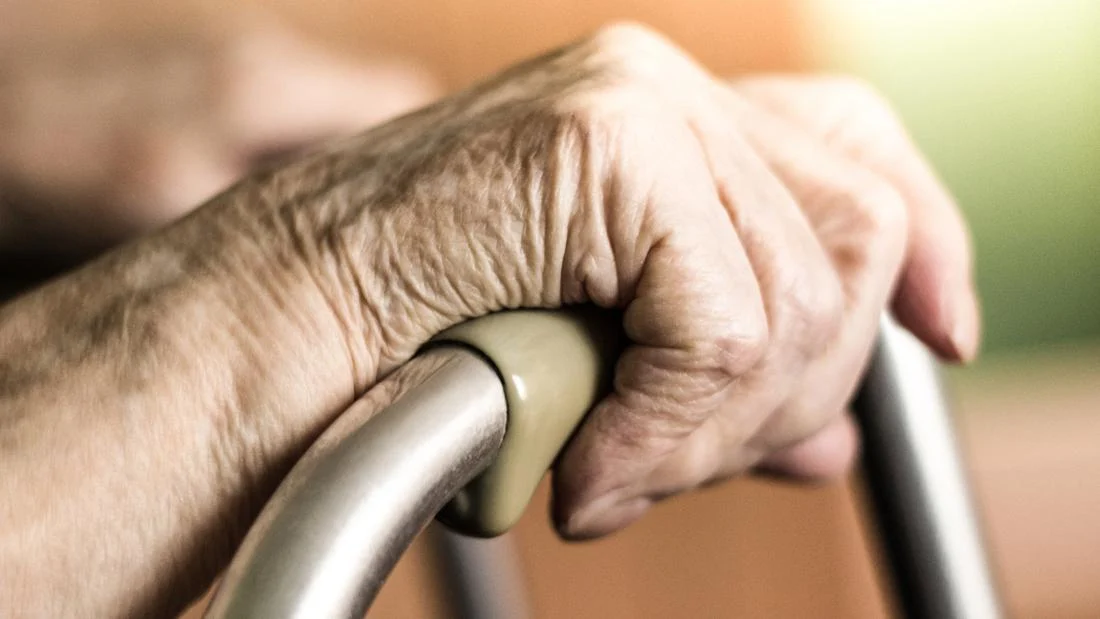
When an elderly family member begins exhibiting signs of confusion, frequent staring spells, or incoherent speech, it is common for relatives to dismiss these changes as the inevitable decline associated with advanced age or dementia. However, medical experts warn that such sudden shifts in behavior and mental clarity are not always indicators of cognitive decay. Instead, they may serve as critical, life-threatening indicators of a serious respiratory infection, specifically pneumonia. Unlike younger patients who typically manifest clear, classic symptoms such as high fever or productive, forceful coughing, the geriatric population often presents with "silent" or atypical symptoms. These manifestations are primarily neurological, triggered by the body’s struggle to maintain adequate oxygen levels in the bloodstream.
The Clinical Phenomenon of Silent Pneumonia
In a recent Media Roundtable on Pneumococcal Pneumonia held in Jakarta on September 24, 2026, medical professionals highlighted a concerning trend: the diagnostic delay of pneumonia in the elderly due to the absence of traditional respiratory distress signals. Dr. Joyce, SpPD, a specialist in Internal Medicine and a consultant in Tropical Infections, emphasized that pneumonia in patients over the age of 65 often bypasses the typical "cough-and-fever" presentation.
"When we observe an elderly patient who shows no signs of improvement after three to four days, particularly if they exhibit increased lethargy or excessive sleepiness, we must be vigilant," Dr. Joyce explained. "If you spend 15 to 20 minutes conversing with them and notice that their breathing becomes labored or shallow—almost like they are panting—that is a significant red flag."
According to Dr. Joyce, the neurological impact is a direct result of hypoxia (low oxygen saturation). As the lungs fill with fluid or inflammatory exudates, the brain is deprived of the oxygen necessary for executive function. This leads to symptoms such as hallucinations, profound drowsiness, and cognitive "stuttering," where the patient becomes unable to process information or articulate thoughts coherently. When these behavioral changes appear abruptly, they must be treated as a medical emergency requiring immediate hospitalization.
Understanding the Physiological Shift in Aging
The reason for this atypical symptom profile lies in the fundamental biological changes that accompany the aging process. As humans age, the respiratory system undergoes structural and functional degradation. The cilia—the tiny, hair-like structures lining the airways responsible for clearing mucus and pathogens—lose their efficiency. Furthermore, the muscles involved in breathing weaken, and the natural cough reflex becomes less powerful.
When combined with pre-existing conditions (comorbidities) such as hypertension, diabetes, or a history of stroke, the elderly body becomes highly susceptible to rapid inflammatory responses. When bacteria or viruses breach the lower respiratory tract, the immune system, which may already be compromised, struggles to contain the infection. This leads to the buildup of fluid in the alveoli (the air sacs in the lungs). Because the elderly often lack the physiological reserve to mount a robust febrile response, the infection manifests instead through the system that is most sensitive to oxygen deprivation: the central nervous system.
Global Burden and Epidemiological Context
Pneumonia remains a leading cause of mortality among the elderly globally. Data from the World Health Organization (WHO) consistently identifies lower respiratory infections as one of the top causes of death in people over 70. The economic and social burden of this disease is substantial, as hospitalization rates for pneumonia in the elderly are significantly higher than in younger demographics, often leading to prolonged recovery times and a diminished quality of life post-infection.
In Indonesia, the challenge is exacerbated by a rapidly aging population and a healthcare system that is increasingly focused on chronic disease management. Experts at the roundtable noted that the lack of awareness regarding "atypical pneumonia" contributes to late-stage presentations at emergency rooms. By the time many elderly patients arrive at the hospital, the infection has often progressed to a point where systemic organ failure is a significant risk, complicating treatment and increasing the necessity for intensive care unit (ICU) support.
Timeline of Clinical Deterioration
The progression of pneumonia in a geriatric patient can be categorized into a three-stage timeline that families and caregivers should monitor:
- The Incubation and Onset Phase (Days 1-2): The patient may show subtle changes in baseline behavior. This includes a slight increase in daytime sleeping, a minor reduction in appetite, or a general sense of being "off."
- The Inflammatory Phase (Days 3-4): This is the critical window. The patient may stop responding to normal stimuli, show signs of confusion, or become agitated. The respiratory effort increases, even if the patient is not complaining of chest pain or coughing.
- The Systemic Decline Phase (Day 5 and beyond): If left untreated, the hypoxia becomes severe, leading to delirium, hallucinations, and potential collapse. At this stage, the risk of mortality rises exponentially.
Essential Preventive Measures for Caregivers
To mitigate these risks, medical professionals recommend a proactive approach to home care. Caregivers should be equipped with basic diagnostic tools, such as a pulse oximeter, to monitor blood oxygen saturation levels. A reading that consistently stays below the 94-95% threshold in a resting elderly person should trigger a consultation with a healthcare provider.
Moreover, routine observation is paramount. Caregivers should watch for "effort of breathing"—signs where the shoulders rise and fall with each breath, or where the patient is unable to finish a sentence without stopping to catch their breath. Because the elderly are less likely to report discomfort, the onus is on the family to interpret these non-verbal cues.
Preventive strategies also include the administration of vaccines, particularly those targeting Streptococcus pneumoniae and influenza. Given the high prevalence of comorbidities, maintaining stable management of diabetes and hypertension is also essential, as these conditions are known to weaken the body’s defenses against pulmonary infections.
Broader Implications for Healthcare Policy
The findings presented by Dr. Joyce and her colleagues carry significant implications for public health communication. There is an urgent need for broader public awareness campaigns that move beyond the "fever and cough" narrative. Healthcare providers are encouraged to educate families on the "geriatric syndrome" presentation of common infections.
Furthermore, the data suggests that geriatric assessments should include more rigorous screening for respiratory function in patients showing sudden mental status changes. This shift in diagnostic priority could reduce unnecessary psychiatric consultations for elderly patients who are, in reality, suffering from acute, treatable physical infections.
As the global population continues to age, the ability to distinguish between cognitive decline and acute illness becomes a vital skill for caregivers. The "silent" nature of pneumonia in the elderly is a reminder that in medicine, the absence of a "classic" symptom is not an indication of health. Instead, it is a call for a more nuanced, observational, and proactive approach to care. When a loved one’s personality shifts or their focus wavers, the immediate question should not be "Is this dementia?" but rather, "Is this the body struggling to breathe?" Prompt medical intervention remains the most effective weapon against the hidden dangers of pneumonia, potentially saving lives that might otherwise be lost to a silent, misidentified infection.
