The 2026 iteration of Fat Bear Week, the annual celebration of ursine survival and seasonal weight gain at Katmai National Park and Preserve, has reached a critical juncture. As the competition progresses into its second round, the tournament has moved beyond mere popularity, highlighting the complex, often harsh realities of life within the Brooks River ecosystem. Following the conclusion of the first round of voting on September 25, the bracket has been whittled down to a field of elite competitors, each representing unique biological stories, survival strategies, and, in some cases, controversial behavioral patterns that have captivated both researchers and a global audience of millions.
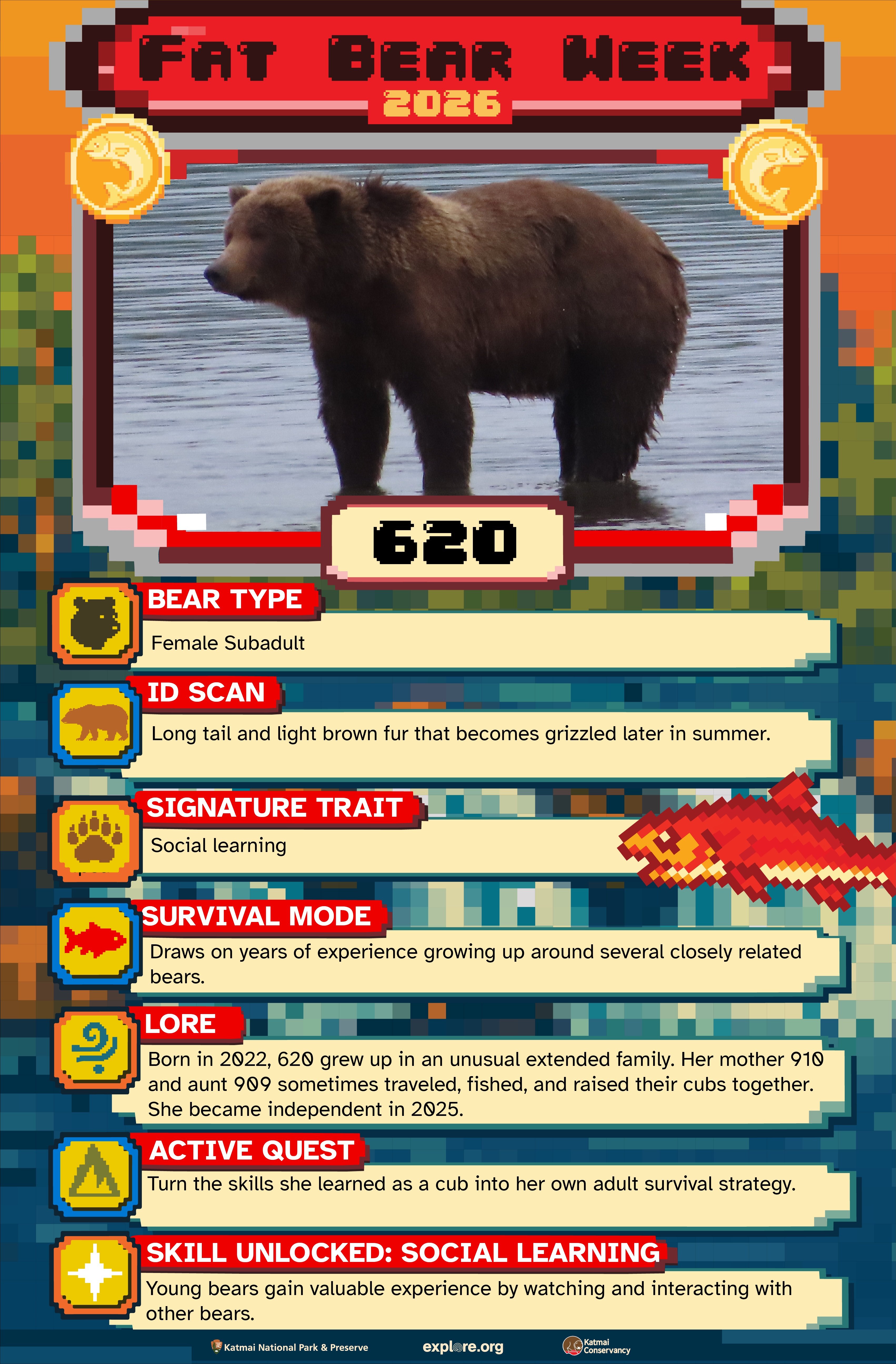
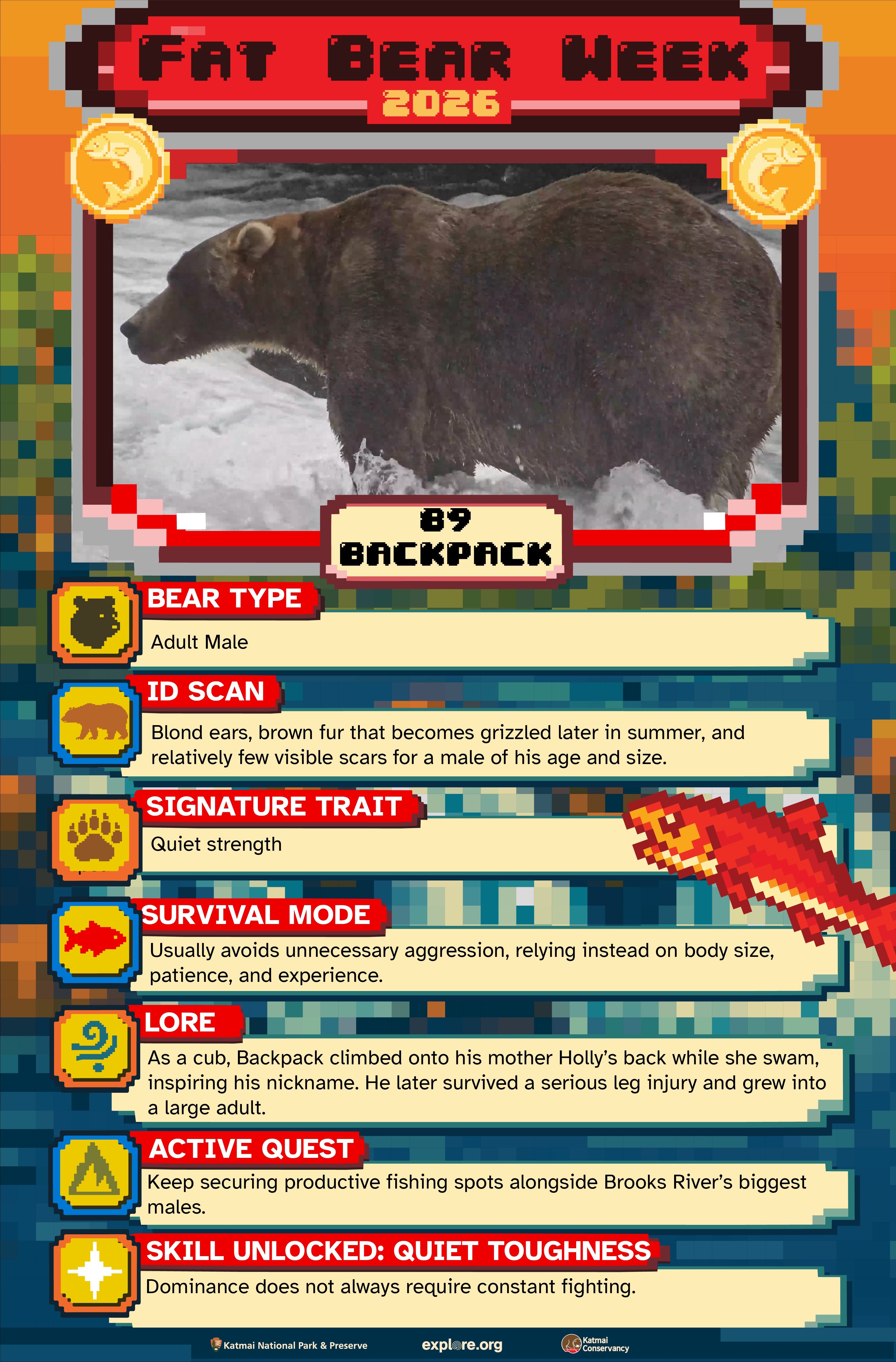
The results of the latest round saw significant movement in the bracket. Bear #164, affectionately known as Bucky Dent, secured a decisive victory over veteran Bear #151 (Walker). In other contests, Bear #132 and her cubs successfully advanced over the family of Bear #806, while in a poignant head-to-head sibling rivalry, Bear #910 emerged triumphant over Bear #909. Furthermore, Bear #89 (Backpack) demonstrated overwhelming popularity, capturing more than 95 percent of the vote against Bear #620. These victors now prepare for the next stage of the tournament, with voting scheduled to resume on Monday.
The Biological Context of Fat Bear Week
Fat Bear Week is not merely a public engagement exercise; it serves as an educational bridge between the National Park Service (NPS) and the public, emphasizing the critical physiological necessity of hyperphagia. During the late summer and early autumn months, brown bears in Alaska must consume massive quantities of salmon to accumulate the body fat required to survive the winter denning period. For pregnant females, this weight gain is doubly vital, as they must sustain themselves and their offspring throughout the winter without access to food.
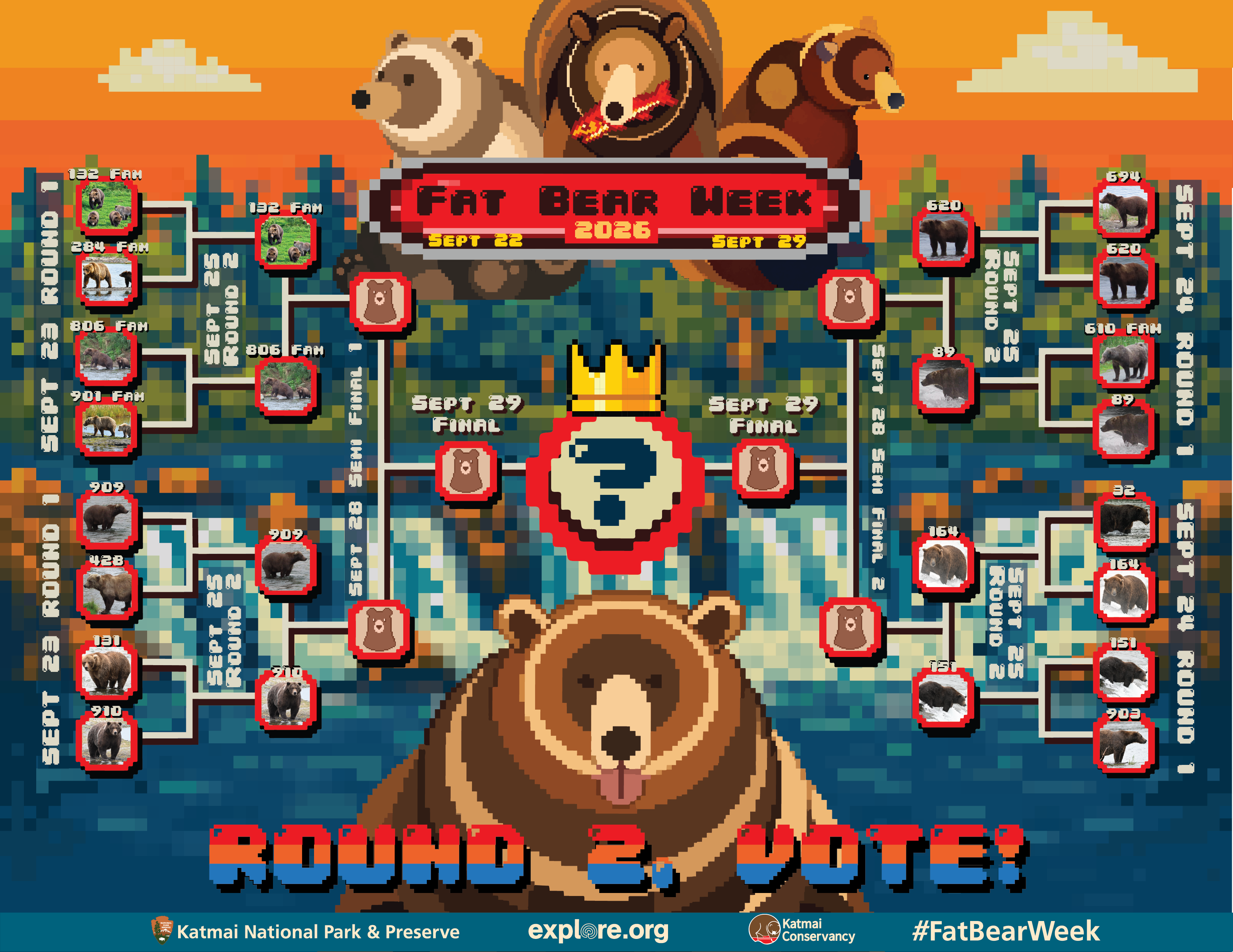
The annual tournament, hosted by explore.org in partnership with the National Park Service and the Katmai Conservancy, uses a bracket-style format to invite the public to vote for the bear they believe has best prepared for the winter. By analyzing photographic evidence of each bear’s physical transformation—comparing their lean early-summer frames to their robust, rotund autumn physiques—voters engage directly with the ecological health of the park.
A Season of Unprecedented Observations
The 2026 season has been particularly notable for the raw, sometimes jarring, behavioral data captured by the park’s live-cam network. The competition this year serves as a backdrop to a series of scientific observations that have challenged long-standing assumptions about grizzly behavior in the Brooks River area.
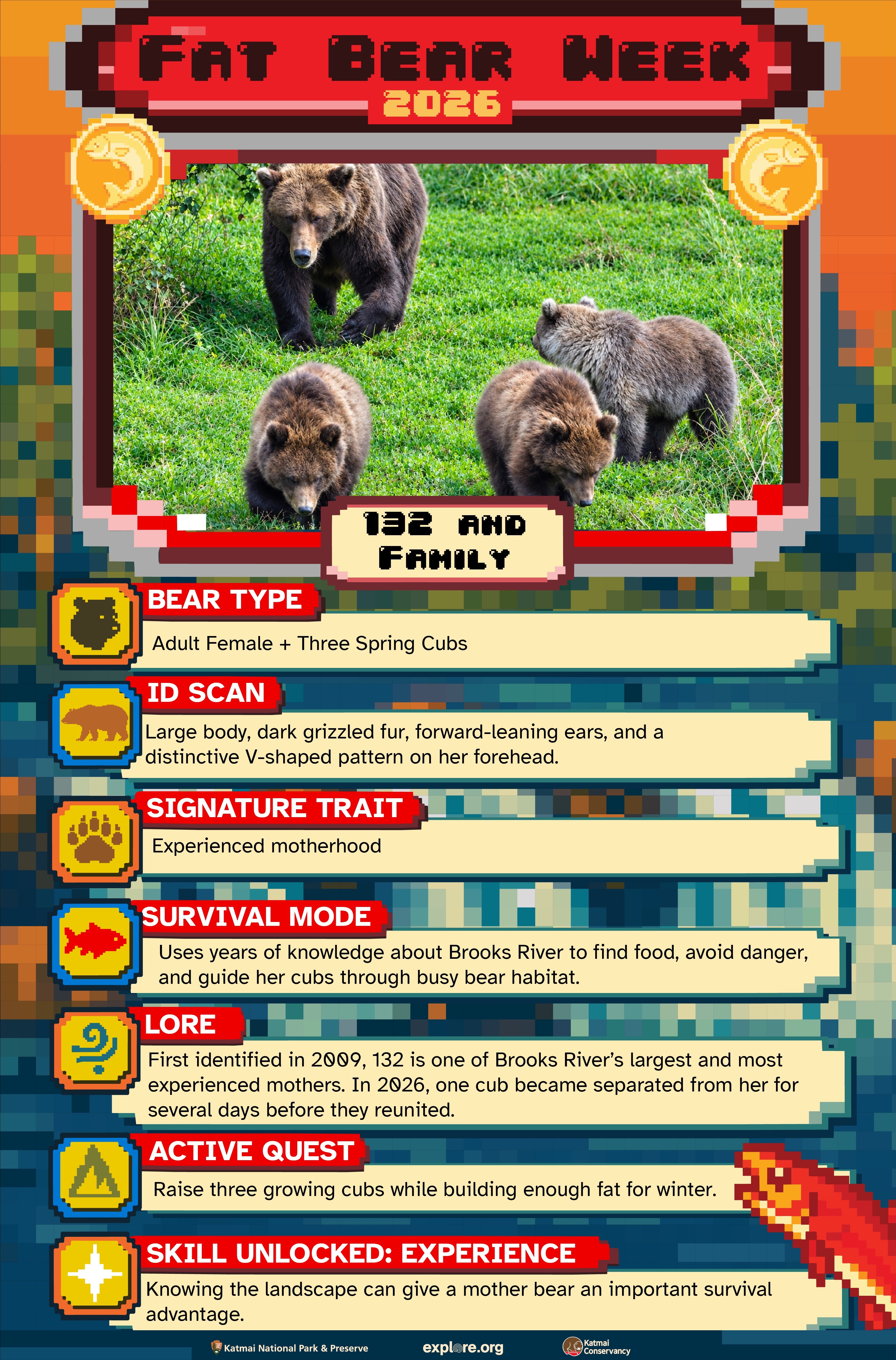
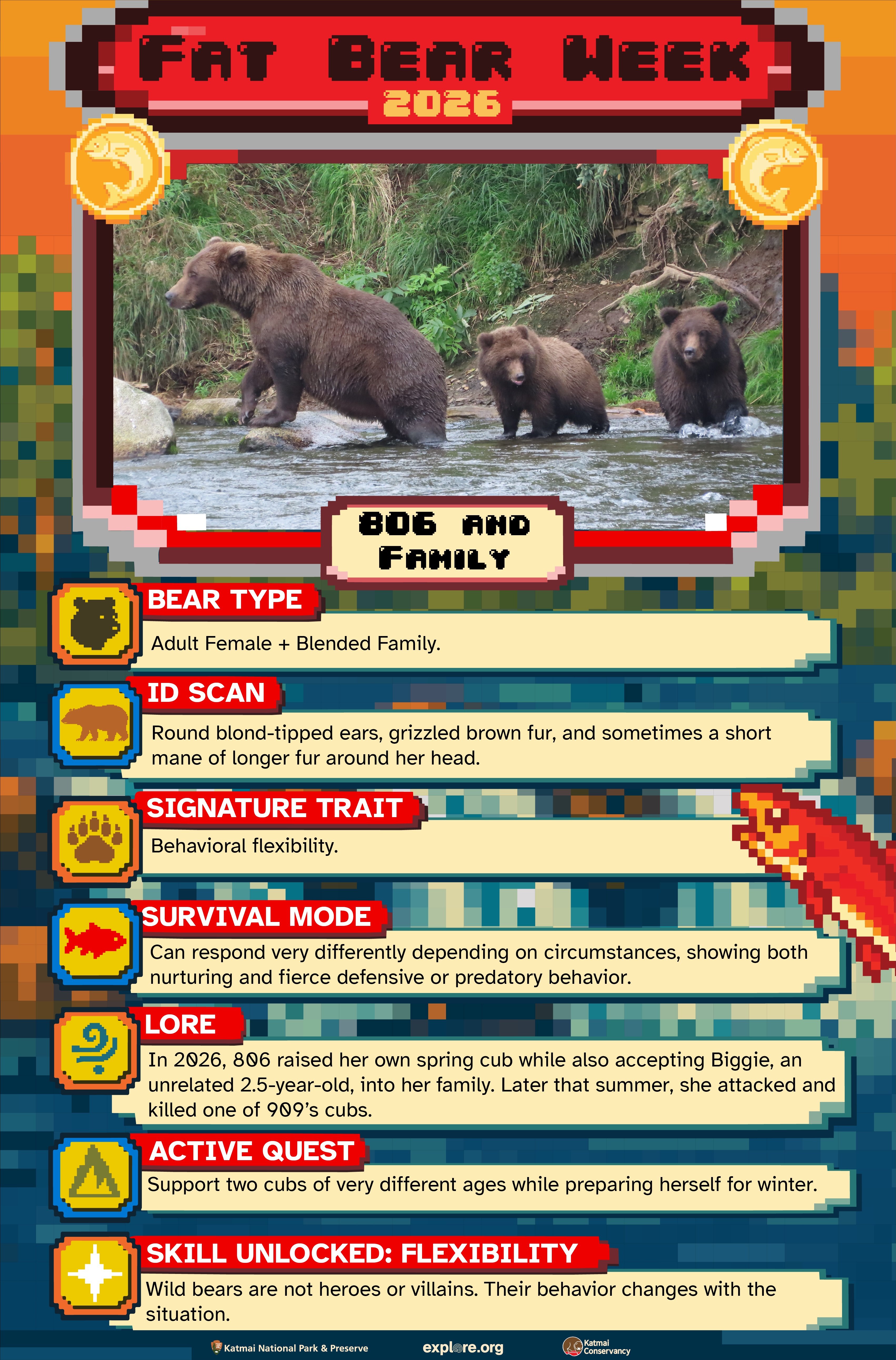
The matchup between Bear #132 and Bear #806 was perhaps the most heavily scrutinized event of the first round. Bear #806, a first-time competitor, gained international attention earlier this summer for an incident of infanticide, a rare occurrence at the Brooks River that was documented by park cameras. On July 28, 806 killed and consumed a spring cub belonging to Bear #909. This event underscored the brutal reality of intra-species competition, where survival is often predicated on the mitigation of future competition for resources.
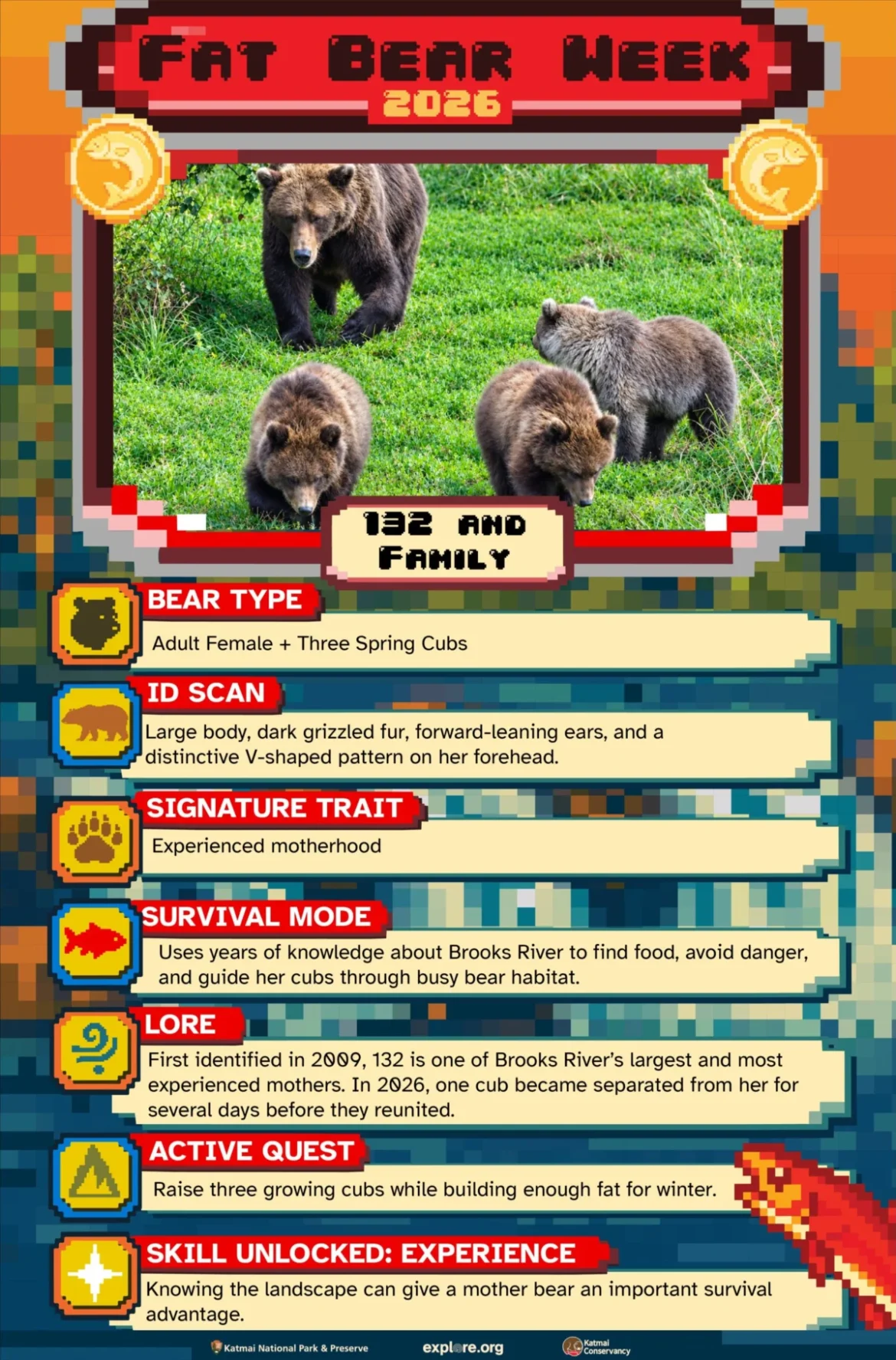
Conversely, Bear #132 has become a symbol of maternal resilience. Her season was defined by a harrowing mid-July incident in which one of her three spring cubs became separated from the family. The cub’s successful navigation of the river, avoidance of other aggressive bears, and eventual reunion with its mother provided a counter-narrative to the dangers faced by subadults. The public’s decision to favor #132 in the vote reflects an emotional investment in stories of survival and successful maternal care.
The Dynamics of Sibling Rivalry and Blended Families
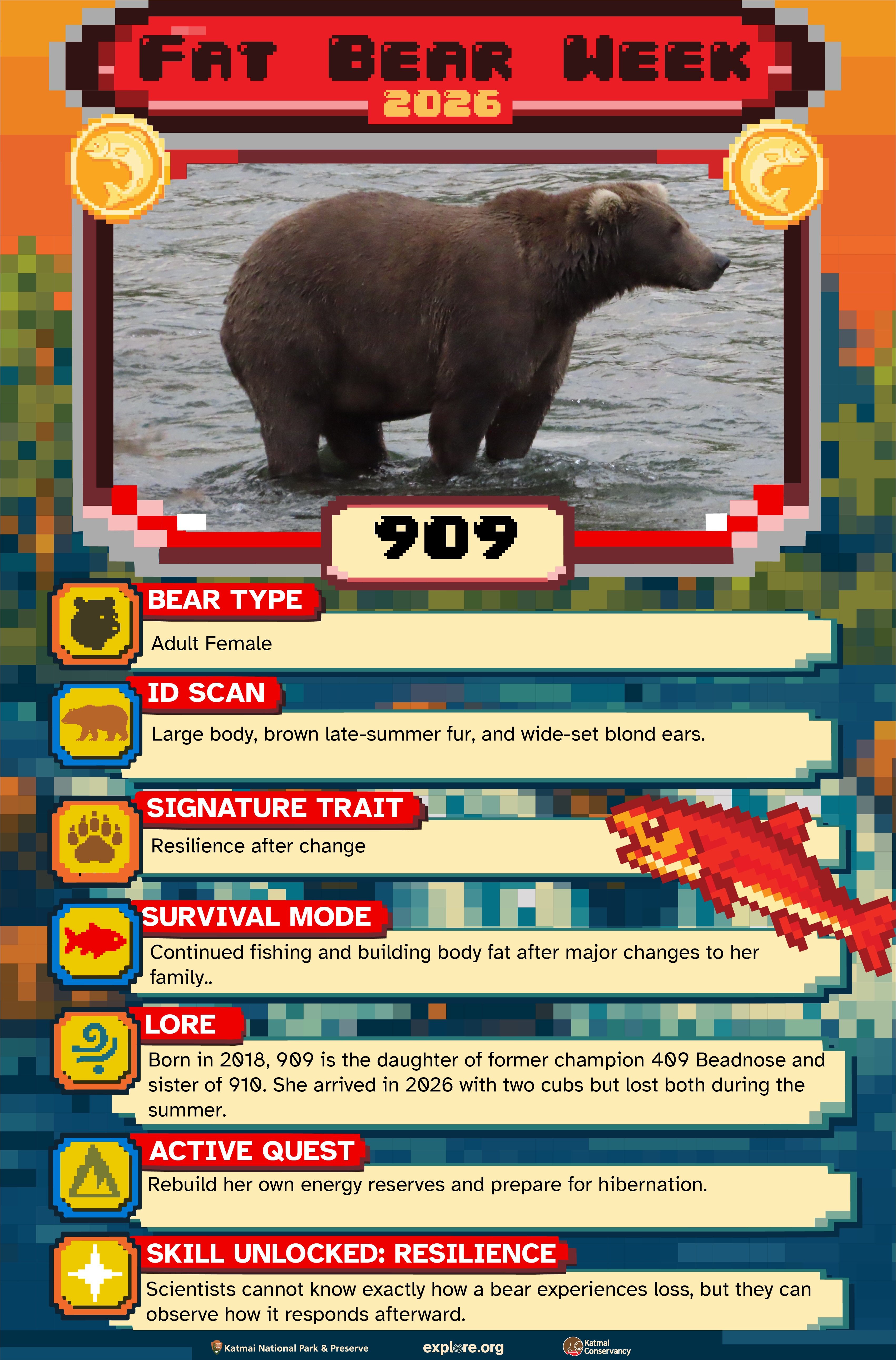
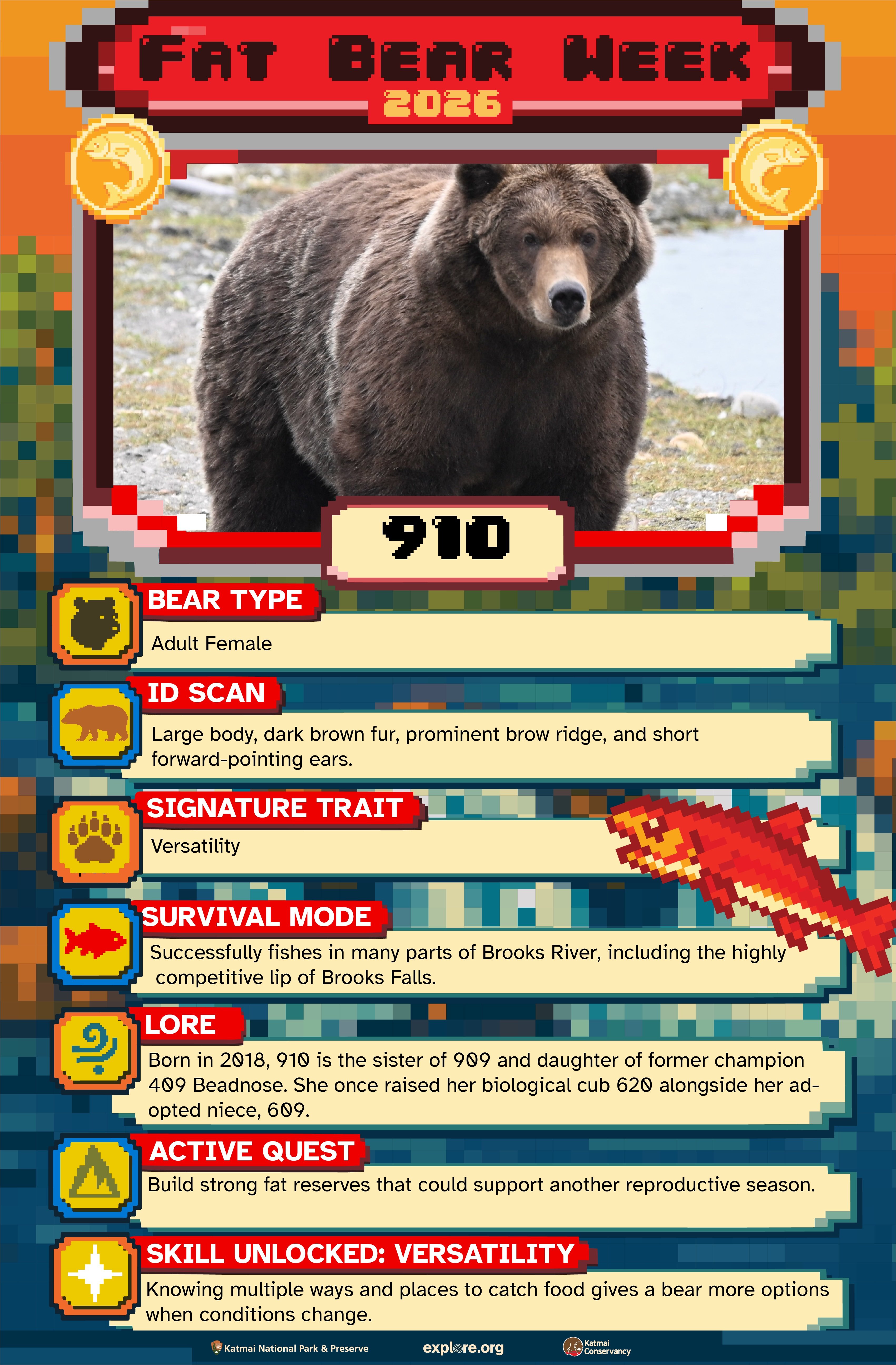
The bracket also highlighted the "Brady Bunch" family dynamics that have become a hallmark of recent years at Katmai. The matchup between sisters #909 and #910 highlighted the complex social structures of these apex predators. In 2022, #910 performed a rare biological feat by adopting a yearling cub from her sister, #909. Such adoptions are highly unusual in the wild, suggesting a level of social cohesion and maternal instinct that extends beyond the individual family unit.
Despite the tragic loss of her offspring earlier this season, #909 has shown remarkable adaptability, maintaining her condition and asserting her dominance in prime fishing locations. Her progression through the tournament is viewed by observers as a testament to the resilience of adult female bears who endure significant environmental and biological stressors.
Analysis of Competitive Strategies: The Rise of Bucky Dent
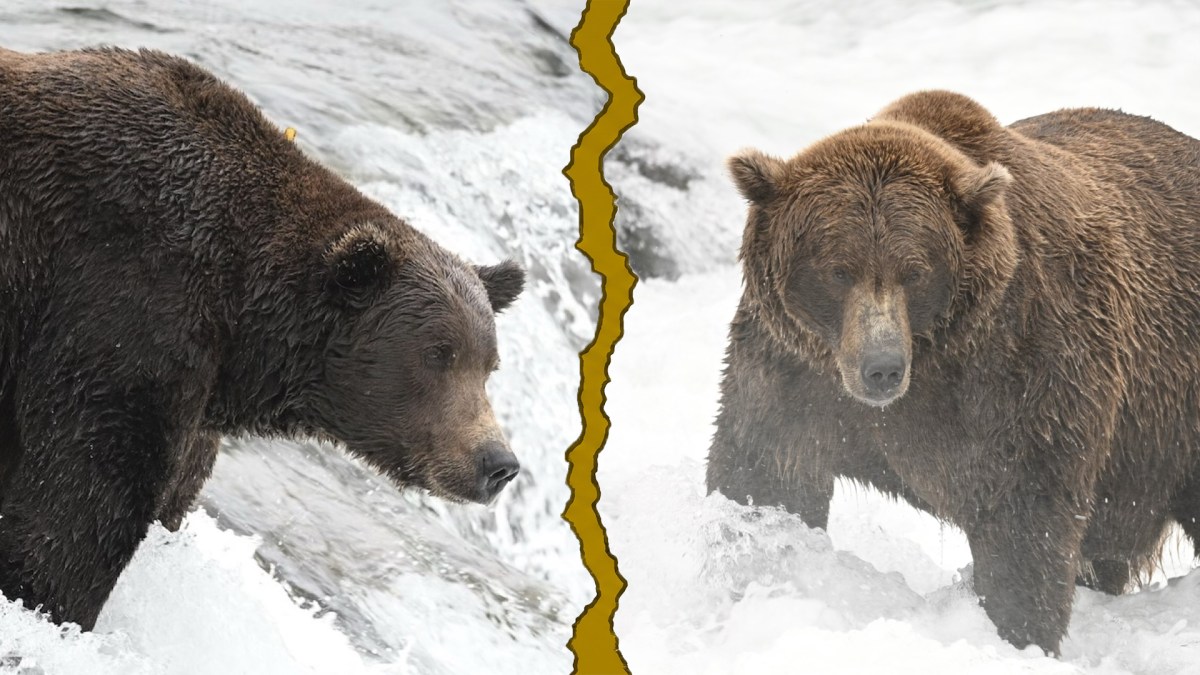
The victory of Bucky Dent (#164) over the long-time Brooks River fixture Walker (#151) signals a generational shift in the river’s hierarchy. Walker, who has been a mainstay of the park since 2009, represents the "traditional" dominant male—consistent, predictable, and historically dominant. However, Bucky Dent represents an innovative, adaptive approach to salmon hunting.
When Bucky Dent first appeared in 2019, he was a smaller subadult struggling to find his niche. Rather than competing directly with larger males, he developed a unique technique, positioning himself in the deepest plunge pool beneath the falls to catch fish as they ascended or tumbled over the cascades. This behavioral innovation allowed him to secure the caloric intake necessary to reach his current size. His ascension in the tournament bracket mirrors his real-world rise to the top of the dominance hierarchy at Brooks Falls.
Broader Implications and Conservation Efforts
The significance of Fat Bear Week extends well beyond the winner’s circle. The event acts as a primary fundraising mechanism for the Katmai Conservancy, particularly through the Otis Fund. Named after the legendary Bear #480 (Otis), who dominated the tournament for years, the fund supports the ongoing research, protection, and habitat management of the Katmai region.
The decision by explore.org to match all donations made between September 22 and October 3 highlights the financial necessity of maintaining the Brooks River as a protected space. As climate change impacts salmon runs and alters the timing of seasonal food availability, the data gathered during these months becomes increasingly important for wildlife biologists.
Park officials have noted that the intense focus on individual bears allows for better population monitoring. By tracking specific IDs, researchers can gain longitudinal data on life expectancy, reproductive success, and behavioral evolution. The "popularity" of these bears among the public ensures that there is a constituency of millions who are invested in the continued protection of the Katmai National Park.
Looking Toward the Final Rounds
As the competition moves toward the final on September 29, the tension among fans and researchers alike is palpable. The tournament has evolved from a lighthearted celebration into a serious examination of wildlife behavior. Whether the voters choose to reward the sheer size of a dominant male like Bucky Dent or the storied resilience of a mother like #132, the outcome of each round continues to reflect a sophisticated public interest in the natural world.
The logistical framework of the tournament—with voting windows strictly aligned with the Alaskan time zone—ensures that the event remains rooted in the geographic reality of the park. With the remaining bracket featuring such diverse stories of survival, the 2026 Fat Bear Week is poised to conclude as one of the most intellectually and emotionally significant events in the tournament’s history. Participants are encouraged to continue monitoring the live cams at explore.org to witness these bears in their natural habitat, ensuring that the public engagement remains grounded in the realities of the wild.
