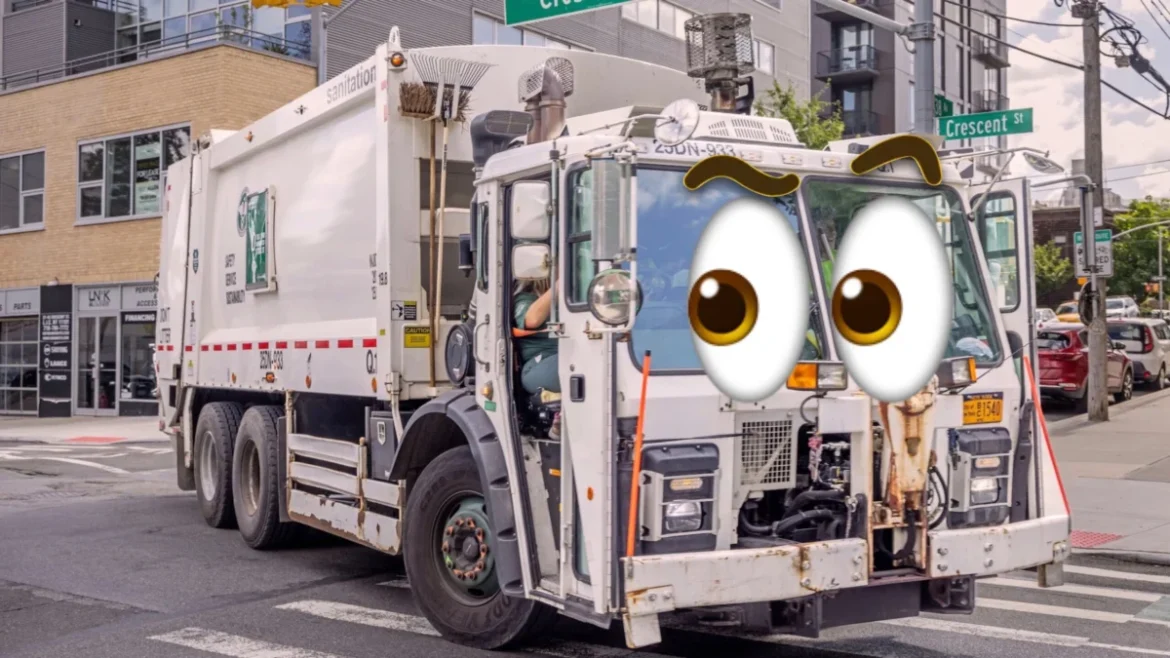
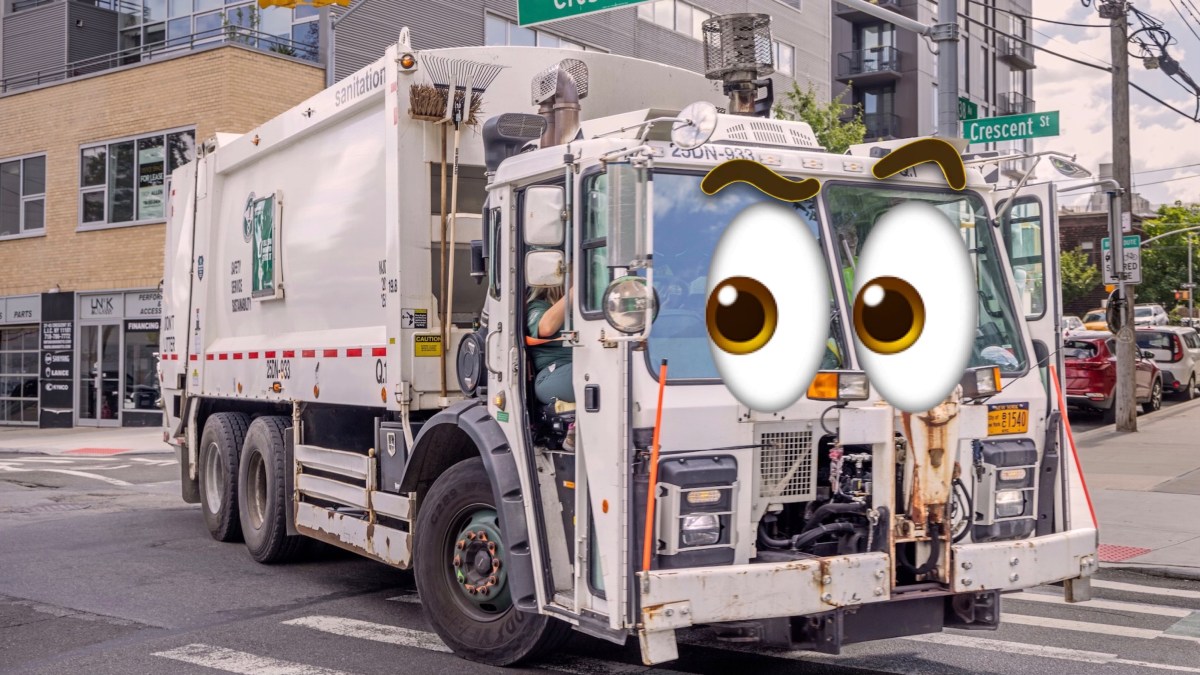
In cities across the United States, the morning routine of waste collection is undergoing a high-tech transformation that turns mundane sanitation vehicles into rolling surveillance platforms. Municipalities in states including California, Georgia, South Carolina, and Texas have begun integrating artificial intelligence-equipped cameras onto city-run garbage trucks. These systems, provided by the Tuscaloosa-based technology firm City Detect, are designed to scan residential properties as trucks traverse their standard routes, flagging potential code violations such as tall grass, overflowing litter, graffiti, and structural deterioration. While proponents argue that the technology enhances municipal efficiency and property maintenance, the deployment has ignited a nationwide debate over the ethics of automated code enforcement, privacy, and the socioeconomic impact on vulnerable neighborhoods.
The mechanism behind this initiative is relatively straightforward. City Detect outfits sanitation vehicles with high-resolution cameras mounted to capture both sides of the street simultaneously. As the truck proceeds, the company’s proprietary software, known as PASS AI, analyzes the captured images in real time. The system categorizes potential infractions, assigns a “Blight Score” ranging from 1 to 4 based on perceived severity, and provides this data to municipal code enforcement departments. This automated workflow is intended to assist city staff by filtering out minor issues while prioritizing significant violations that require immediate attention.
A Chronology of Automated Code Enforcement
The integration of AI into municipal operations has accelerated significantly since 2021, when City Detect was founded. The company’s growth trajectory reflects a broader trend of local governments seeking "smart city" solutions to manage urban decay and administrative backlogs.
The adoption phase began in earnest as cities sought ways to automate labor-intensive tasks like code compliance. By 2023, the technology had moved from pilot programs to operational status in several mid-sized to large cities. By mid-2024, data from City Detect suggested that their systems had identified millions of violations nationwide, a figure that highlights the sheer scale of the automated observation network.
However, the rapid rollout has not been without friction. In 2025, the city of Huntsville, Alabama, became a focal point of resistance when residents raised concerns regarding the potential for constant, unauthorized monitoring of their homes. This public outcry resulted in the temporary suspension of the city’s contract with City Detect, marking one of the first major organized pushbacks against the technology. By early 2026, the discussion had shifted to Dallas, Texas, where local investigations revealed that the AI system had analyzed over 21,000 properties, with thousands of instances flagged as potential code violations. This prompted further political scrutiny, leading to legislative debates within the Dallas City Council regarding the necessity and ethical implications of the surveillance program.
Data-Driven Enforcement and Its Discontents
The reliance on AI to determine "blight" has introduced new questions regarding the equity of municipal governance. Critics argue that the algorithms used to identify code violations may disproportionately impact lower-income areas, where residents may lack the financial resources to address minor property maintenance issues such as peeling paint or lawn upkeep.
Recent analyses, including heat maps generated from Dallas municipal data, suggest a correlation between high-detection areas and neighborhoods with lower average household incomes. This finding has intensified the argument that automated enforcement may function less as a tool for community improvement and more as a mechanism for punitive financial extraction. For residents in these areas, a "Blight Score" is not merely a technical classification; it is a precursor to fines that can compound existing financial instability.

In response to these concerns, City Detect has maintained that its role is advisory. The company asserts that it does not issue citations itself; rather, it provides data to human reviewers who make the final determination on enforcement. Furthermore, the firm has implemented privacy-preserving measures, such as the automatic blurring of faces and license plates in its captured imagery. They also emphasize that the system is not integrated with law enforcement databases, aiming to distinguish their services from the more controversial automated license plate reader (ALPR) networks that have faced intense scrutiny.
The Broader Landscape of Municipal Surveillance
The implementation of AI-equipped garbage trucks is part of a larger, evolving ecosystem of automated law enforcement. Cities across the U.S. have increasingly turned to technology to address various urban challenges. In Los Angeles, on-bus cameras are now used to document vehicles obstructing bus lanes, while in Austin, Texas, AI-enabled cameras on school buses are utilized to capture footage of drivers who illegally pass while the bus is stopped. Albuquerque, New Mexico, has introduced "SafetySticks"—solar-powered, photo-snapping sensors designed to detect parking violations in bike lanes and crosswalks.
These technologies share a common objective: to automate the identification of rule-breaking behavior that would otherwise require a constant human presence to monitor. However, the proliferation of these tools has coincided with a growing "anti-surveillance" movement. According to data from the advocacy group Secure Justice, the public sentiment against AI-assisted monitoring has turned sharply negative. In August 2026 alone, 90 cities and counties terminated contracts with the ALPR firm Flock Safety, citing privacy concerns and instances of technology misuse by law enforcement.
This trend is supported by broader public opinion polling. Recent data from the Pew Research Center indicates that a significant plurality of American adults views the impact of AI on society as predominantly negative. This skepticism, coupled with the increasing visibility of municipal surveillance, has created a challenging environment for companies like City Detect to expand their market share.

The Human Element and Future Implications
The central tension of this technology lies in the balance between administrative efficiency and the rights of the citizen. Proponents of the technology, such as the municipal planners who sign these contracts, argue that current code enforcement systems are failing. They point to understaffed departments, an overwhelming number of 311 complaints, and the inability of human inspectors to cover every street, every day. From this perspective, AI is a neutral tool that allows for a "proactive" rather than "reactive" approach to city maintenance.
Conversely, civil liberties advocates argue that the persistent, automated monitoring of residential properties constitutes a form of digital panopticon. They warn that when a city’s primary interaction with its residents becomes a machine-generated notice of violation, the social contract between the local government and the populace begins to erode. The "unintended consequences" mentioned by local officials—such as the burden on the elderly or the impoverished—are often cited as the most significant risks of scaling these programs without rigorous oversight.
As the deployment of these technologies continues, the focus of the debate is likely to shift toward the legislative and regulatory frameworks governing them. There is an increasing call for transparency in how these algorithms are trained and what specific metrics they use to define "blight." Without clear, publicly accessible guidelines, the use of AI in code enforcement risks creating a system where the definition of a well-maintained home is determined by a black-box algorithm, far removed from the community standards it is intended to uphold.
The trajectory of this technology in the coming years remains uncertain. Will it become a standard feature of modern urban management, or will the mounting pressure from advocacy groups and concerned residents lead to a regulatory retreat? The answer likely lies in whether municipalities can demonstrate that these tools provide a net benefit to all residents, rather than merely streamlining the collection of fines. For now, the garbage trucks continue their routes, their cameras silently observing the front yards of millions, marking a quiet but profound shift in the relationship between the city and the home.