
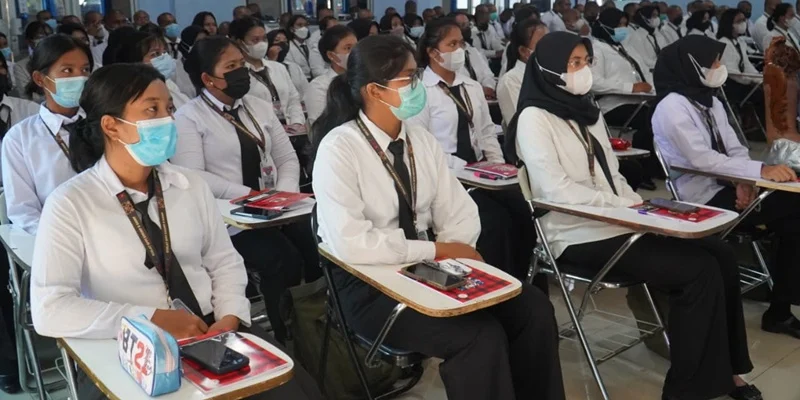
The Ministry of Marine Affairs and Fisheries (KKP) of Indonesia has commenced a comprehensive managerial training program for 5,153 prospective managers of the ambitious Kampung Nelayan Merah Putih (KNMP), or ‘Red and White Fishermen’s Villages’ initiative. Spanning nearly two weeks from July 17 to July 29, 2026, the extensive program is being conducted simultaneously across 10 educational facilities belonging to the Indonesian National Armed Forces (TNI) in key strategic locations: Jakarta, Bogor, Surabaya, and Sidoarjo. This nationwide effort underscores the government’s profound commitment to transforming Indonesia’s coastal communities into vibrant, self-sustaining economic powerhouses, leveraging its immense maritime potential.
Strategic Vision for Coastal Economic Transformation
I Nyoman Radiarta, the Head of the Agency for Marine Affairs and Fisheries Human Resources Extension and Development (BPPSDM KP), articulated the critical importance of this managerial training. He emphasized that it represents a cornerstone strategy for the KKP, designed to ensure that the management of KNMP facilities is not only productive and professional but also inherently sustainable in the long term. The initiative is poised to create a new generation of leaders capable of driving significant change and development within the nation’s vast coastal regions.
"This marks the birth of the first generation of managers for Indonesia’s Kampung Nelayan Merah Putih. They are set to become the catalysts for development, working hand-in-hand with local communities to build and strengthen the coastal economy," Nyoman stated in an official release received by the editorial board in Jakarta on Sunday, July 19, 2026. His remarks highlight the dual role these managers are expected to play: operational oversight and community empowerment.
The vision behind KNMP extends far beyond the mere construction of physical infrastructure. It is a holistic program conceived to establish coastal areas as modern economic centers, fully equipped with integrated fisheries business facilities. These comprehensive hubs are planned to include state-of-the-art ice factories, crucial cold storage units to minimize post-harvest losses, vibrant culinary centers to promote local produce and tourism, essential boat repair shops to support fishing operations, and well-stocked supply kiosks. This integrated approach aims to address various bottlenecks in the traditional fishing value chain, from production to market access. Consequently, the success of this flagship program will not be solely measured by the quantity of facilities built but, more crucially, by the managers’ ability to foster productive economic activities, generate sustainable employment opportunities, and significantly enhance the welfare of fishing communities.
"Excellent facilities will remain underutilized without human resources capable of managing them effectively. Therefore, this training program is a testament to KKP’s serious dedication to preparing professional managers who are collaborative and ready to support communities, ensuring that KNMP truly blossoms into new economic epicenters within coastal regions," Nyoman further elaborated. This underscores the human-centric approach of the program, recognizing that skilled personnel are the ultimate drivers of progress.
A Structured Curriculum for Comprehensive Competence
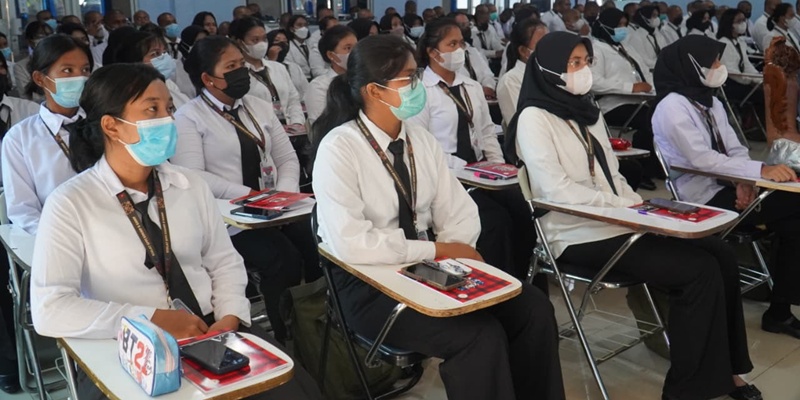
The 5,153 participants undergoing this intensive training will eventually assume one of four pivotal roles within the KNMP framework: Operational Manager, Head of Production, Quality Assurance Officer, and Financial Administration Officer. These four functions are designed to operate as a cohesive and complementary team, ensuring seamless and efficient operational management of the coastal hubs. The structure is intended to foster synergy, with each role contributing distinct expertise while working towards common goals.
Throughout the training, participants are immersed in a curriculum meticulously crafted to instill a broad range of competencies. This includes general management skills, highly specialized technical knowledge pertinent to their specific fields of duty, and critical leadership development modules. A significant emphasis is also placed on strengthening their ability to collaborate effectively with local communities, recognizing that genuine empowerment stems from participatory engagement. To provide participants with practical, real-world insights, KKP has brought together a diverse faculty comprising experienced trainers, industry practitioners, and renowned experts. These mentors are tasked with equipping the future managers with the practical wisdom and problem-solving skills necessary to navigate the challenges they will encounter in their field assignments.
Meticulous Preparation: The Training of Trainers Initiative
The comprehensive national training program was preceded by an equally rigorous preparation phase: a Training of Trainers (ToT) and Microteaching series. This critical preparatory stage, held from July 6 to July 10, 2026, saw 573 trainers meticulously prepared across four key cities: Makassar, Bandung, Surabaya, and Bogor. The ToT program was instrumental in ensuring a standardized understanding and delivery of the 28 training modules. This uniformity guarantees that the learning process across all training locations maintains consistent quality and standards, thereby ensuring that all 5,153 prospective managers receive an equivalent level of instruction and preparedness.
Joni Haryadi D, the Head of the Marine Affairs and Fisheries Training Center (Puslat KP), highlighted the broader impact expected from these trained individuals. "KNMP managers will not only be responsible for the operational aspects of the hubs but will also serve as agents of change, capable of stimulating local economies, strengthening community institutions, and delivering tangible benefits directly to the fishermen," he stated. This vision positions the managers as crucial intermediaries between government initiatives and grassroots community development.
A Nexus of Collaboration: Multi-Sectoral Partnership
The execution of this extensive training program is a testament to the power of cross-sectoral collaboration, involving a strategic partnership between KKP, the Ministry of Defense, PT Agrinas Jaladri Nusantara, and various other key stakeholders. This multi-agency synergy is deemed essential to guarantee that all appointed managers possess a uniform and high level of competence before they are deployed to their respective assignment locations.
The involvement of the Ministry of Defense, through the utilization of TNI educational facilities, provides not only robust logistical support but also instills a sense of discipline and national commitment crucial for such a large-scale government initiative. The TNI’s infrastructure offers an ideal environment for intensive, structured training programs, leveraging its national reach and organizational rigor. PT Agrinas Jaladri Nusantara, likely a state-owned enterprise or a strategic partner specializing in agribusiness and marine resources, brings valuable expertise in operational management, resource optimization, and market linkage, further strengthening the practical application of the training. This collaboration exemplifies a holistic government approach, integrating security, economic development, and human capital formation.

Broader Implications for Indonesia’s Maritime Future
Indonesia, an archipelagic nation with the second-longest coastline in the world, possesses immense marine and fisheries resources. The sector is a vital contributor to the national economy, supporting millions of livelihoods, particularly in coastal communities. However, traditional fishing communities often face significant challenges, including limited access to modern technology, inadequate infrastructure for post-harvest handling, fluctuating market prices, and vulnerability to climate change impacts. The KNMP initiative directly addresses these systemic issues.
By establishing integrated coastal economic hubs, the government aims to:
- Enhance Value Addition: Facilities like cold storage and processing units will reduce post-harvest losses, allowing fishermen to command better prices for their catch and diversify into processed products.
- Create Local Employment: The hubs will generate jobs not only in fishing but also in processing, logistics, marketing, and ancillary services, fostering economic diversification beyond primary capture fisheries.
- Improve Livelihoods: Increased income, better working conditions, and access to essential services will directly improve the welfare of fishing families, contributing to poverty alleviation in coastal areas.
- Strengthen Food Security: By optimizing fisheries production and supply chains, KNMP can contribute significantly to national food security, ensuring a stable supply of marine protein.
- Promote Sustainable Practices: The professional management and integrated approach are expected to foster more responsible fishing practices, encourage marine resource conservation, and promote sustainable aquaculture, aligning with Indonesia’s broader "Blue Economy" strategy.
- Foster Community Empowerment: The emphasis on managers working with communities aims to build local capacity, strengthen cooperative structures, and empower local residents to take ownership of their development.
The "Merah Putih" (Red and White) symbolism embedded in the project’s name evokes a strong sense of national pride and unity, signaling that this initiative is not merely a regional program but a national priority aimed at uplifting a critical segment of Indonesian society. The extensive training program, therefore, is more than just a skills development exercise; it is an investment in human capital that is central to realizing Indonesia’s vision of becoming a global maritime axis.
Anticipated Challenges and Success Factors
While the prospects of the KNMP initiative are promising, its long-term success will hinge on several critical factors. Challenges such as fluctuating global fish prices, the impacts of climate change on marine ecosystems, ensuring equitable benefit-sharing among community members, and maintaining sustained political will and funding will need continuous attention. Effective governance, transparent management practices, and ongoing monitoring and evaluation will be crucial. Furthermore, the ability of these newly trained managers to adapt to local contexts, foster genuine community buy-in, and continuously innovate will determine the ultimate impact of the KNMP hubs.
The KKP’s proactive approach in investing in human resources through this large-scale managerial training program demonstrates a deep understanding that infrastructure alone is insufficient. It is the skilled, dedicated, and professionally managed human element that will truly unlock the transformative potential of Indonesia’s coastal communities and secure a prosperous future for its fishermen, positioning the nation as a formidable player in the global marine economy. The journey of these 5,153 managers, the first generation of KNMP leaders, is thus not just a career path but a pivotal chapter in Indonesia’s ongoing maritime development narrative.

