
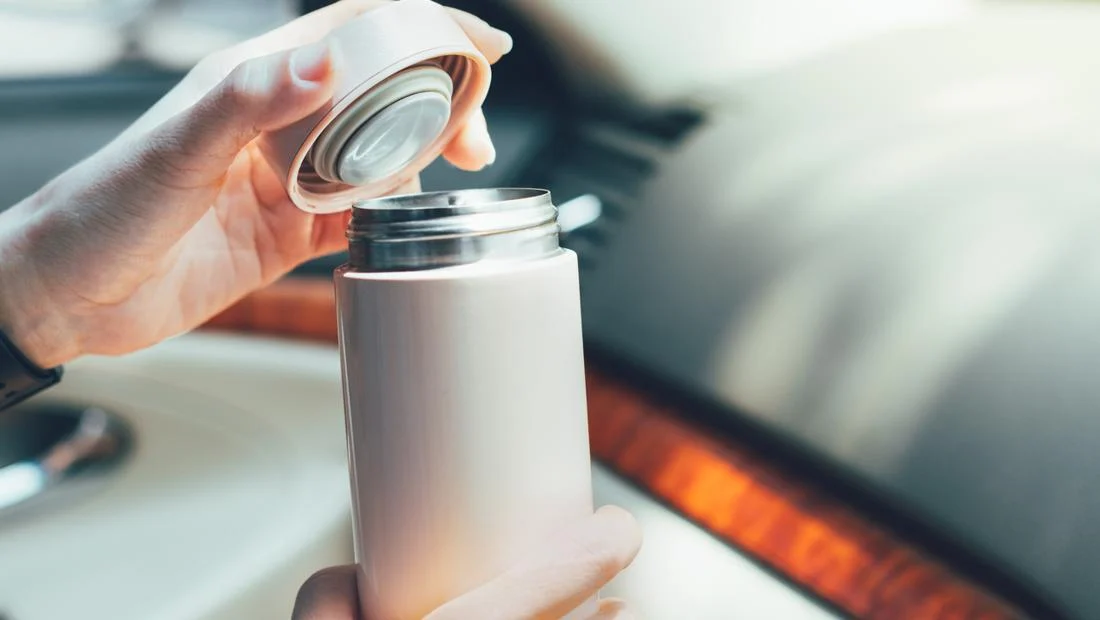
A stark warning has emerged from Taiwan regarding the seemingly innocuous habit of using reusable drink bottles, particularly aging thermoses. A recent and tragic case, brought to light on a Taiwanese television program hosted by nephrology expert Dr. Hong, details how a man in his 50s suffered severe health consequences, culminating in his death, allegedly due to prolonged use of a deteriorated thermos bottle. This incident underscores a critical, often overlooked, aspect of sustainable living: the importance of maintaining and replacing reusable containers to prevent potentially life-threatening health risks.
The narrative began with a disturbing on-road incident. The victim, identified as a man in his 50s, was reportedly driving to work one morning when he experienced a sudden disorientation. This alarming lapse in cognitive function led him to crash his vehicle into a roadside eatery without braking. Fortunately, he escaped physical injury in the collision. However, subsequent medical examinations revealed a far more profound and insidious issue affecting his health. The inexplicable cognitive impairment was not an isolated event but a symptom of deeper, more serious underlying health problems.
Initial laboratory results painted a grim picture. The man was diagnosed with severe anemia, significant brain atrophy, and abnormal kidney function. These findings necessitated further investigation by a nephrologist. Dr. Hong, the consulting specialist, noted the patient’s persistent fatigue and a peculiar alteration in his sense of taste, specifically a feeling that food lacked sufficient saltiness. This constellation of symptoms, particularly the neurological and renal issues, combined with the reported taste alteration, led Dr. Hong to suspect heavy metal poisoning. A battery of tests later confirmed his suspicion: the man was suffering from lead poisoning.
The Culprit: A Decade-Old, Decaying Thermos
The investigation into the man’s daily habits soon pinpointed the likely source of the lead contamination. It was discovered that he had been consistently using the same insulated thermos bottle to drink hot coffee almost every day for over a decade. Upon closer inspection of the thermos, its internal lining was found to be severely degraded. The surface bore numerous scratches, cracks, and even visible signs of rust. Despite this evident deterioration, the man had continued to use it for his hot beverages.
Dr. Hong explained the scientific basis for this contamination. "When the internal lining of an insulated bottle ages, or if it was manufactured with substandard materials, prolonged use with hot beverages can cause the metal components to leach into the liquid," he stated. "This leached metal can then be ingested, potentially causing significant damage to the nervous system and the kidneys." In this specific case, the continuous exposure to hot coffee over many years had accelerated the degradation of the thermos’s lining, releasing lead into his daily intake.
A Grim Progression and Fatal Outcome
The consequences of the chronic lead exposure were devastating and progressive. Following the incident and diagnosis, the man’s condition continued to decline. He developed dementia-like symptoms, with his cognitive faculties deteriorating further over time. Compounding his health challenges, he later suffered from aspiration pneumonia, a serious lung infection often caused by inhaling food or liquid into the lungs, which can occur when one has difficulty swallowing or is unconscious. Tragically, approximately one year after the initial accident, the man passed away.
This case serves as a poignant and sobering reminder of the potential dangers lurking within everyday items that we often take for granted. While reusable water bottles and thermoses are widely promoted for their environmental and economic benefits, their safe and responsible use requires diligence and awareness.
Expert Recommendations for Safe Tumbler Usage
In light of this tragic incident, medical experts are now issuing stronger advisement to the public regarding the cautious use of reusable drinkware. According to reports from 8days, thermoses and tumblers are not universally suitable for all types of beverages, and their longevity plays a crucial role in their safety.
Health experts emphasize that beverages rich in protein, such as soy milk and cow’s milk, should not be stored in insulated bottles for extended periods. The recommendation is to consume these drinks within two hours of preparation to mitigate the risk of bacterial growth.
Furthermore, storing acidic or alkaline beverages, including fruit juices, coffee, tea, lemon water, and herbal remedies, in thermoses for prolonged durations, especially in bottles that are aged or damaged, can significantly increase the risk of metal leaching. This leaching can occur as the acidic or alkaline nature of the liquid interacts with the degraded lining of the container.
To minimize this risk, experts universally stress the importance of thorough and regular cleaning of all reusable bottles. For the utmost safety, it is advised to exclusively use such bottles for plain water.
Proactive Maintenance and Material Selection
Beyond regular cleaning, proactive inspection of reusable bottles is paramount. Consumers are urged to regularly examine their thermoses and tumblers for any signs of wear and tear. If any discoloration, rust, scratches, or cracks are observed, the bottle should be immediately replaced. These visible indicators suggest that the protective lining has been compromised, rendering the container unsafe for use.
When purchasing new reusable drinkware, material selection is a critical factor. Sing Tao Daily reports that choosing stainless steel of the 304 grade is recommended for its superior rust resistance. This grade of stainless steel is widely recognized for its durability and safety in contact with food and beverages.
Additionally, the choice of lid and seal is important. Opting for bottles with silicone lids and seals is preferable to those made from plastic. Silicone is generally considered a safer material with lower leaching potential compared to some plastics, especially when exposed to varying temperatures.
Before using a new thermos or tumbler for the first time, a preparatory step is also recommended. This involves filling the bottle with warm, soapy water and letting it soak overnight. This process is believed to help remove any residual chemicals or manufacturing residues that might be present.
Broader Implications for Sustainable Practices
The incident in Taiwan brings into sharp focus the potential downsides of an otherwise laudable movement towards reducing single-use plastic waste. While the environmental imperative to adopt reusable alternatives is undeniable, the narrative must evolve to include a comprehensive understanding of product lifecycles and maintenance.
Supporting Data on Lead Poisoning:
Lead is a toxic heavy metal that can cause serious health problems, particularly in children, but adults are also susceptible. According to the World Health Organization (WHO), there is no safe level of lead exposure. Chronic lead exposure can lead to:
- Neurological Effects: Cognitive impairment, learning disabilities, behavioral problems, and in severe cases, seizures and coma.
- Kidney Damage: Impaired kidney function and increased risk of chronic kidney disease.
- Cardiovascular Issues: Increased blood pressure and risk of heart disease.
- Reproductive Problems: Reduced fertility in both men and women.
- Anemia: Lead interferes with the production of red blood cells.
The gradual nature of lead poisoning means that symptoms can be subtle and develop over long periods, making diagnosis challenging. This was a significant factor in the Taiwanese man’s case, where the underlying cause was not immediately apparent.
The Rise of Reusable Drinkware:
The global market for reusable water bottles and tumblers has seen significant growth, driven by increasing environmental awareness and consumer demand for sustainable products. Reports indicate a steady upward trend in sales, with projections for continued expansion. This popularity, while positive for the environment, amplifies the importance of public education on product safety and maintenance.
Public Health Messaging:
Health authorities and consumer advocacy groups often provide guidelines on product safety. However, the specific issue of leaching from aged or damaged reusable containers might not be as widely publicized as other food safety concerns. This incident could prompt a review of public health messaging to include more detailed information on the lifespan and care of reusable drinkware.
Industry Responsibility:
This case also raises questions about product durability and consumer information provided by manufacturers. While promoting the longevity of reusable products is beneficial, manufacturers have a responsibility to ensure their products are made with safe materials and to provide clear guidance on their expected lifespan and proper maintenance to prevent potential health hazards. The use of high-quality, food-grade materials and clear instructions on when to retire a product are crucial.
In conclusion, the tragic demise of the Taiwanese man serves as a critical wake-up call. While embracing reusable drinkware is a positive step towards environmental sustainability, it must be coupled with a robust understanding of product safety, diligent maintenance, and a willingness to replace items when they show signs of wear. The convenience and perceived cost-savings of using an aging thermos should never outweigh the imperative of safeguarding one’s health. As consumers, we must be vigilant, informed, and proactive in ensuring that our sustainable choices do not inadvertently lead to dangerous health outcomes.

