
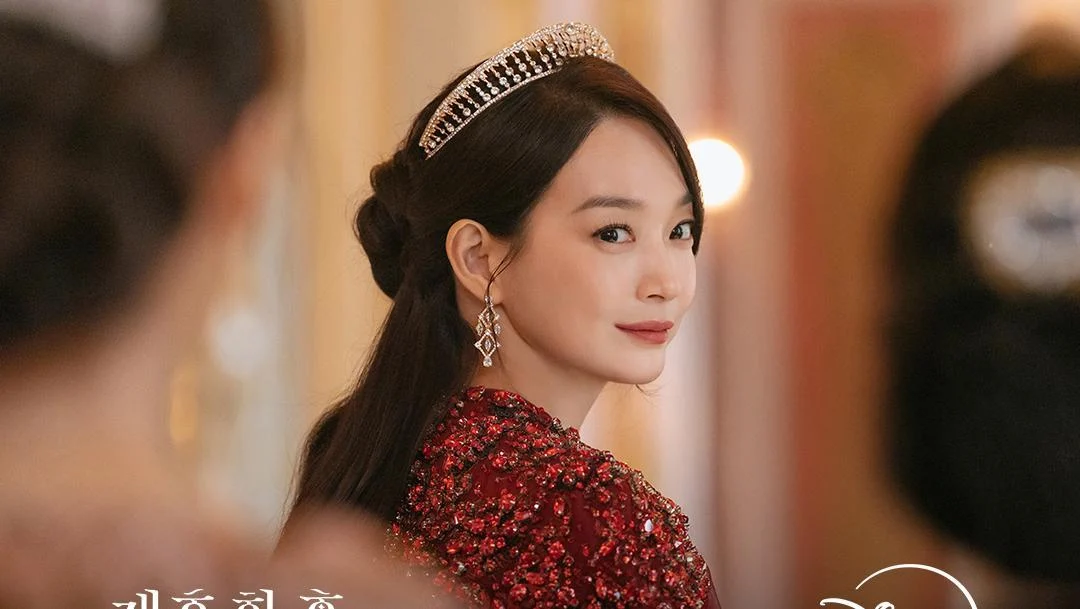
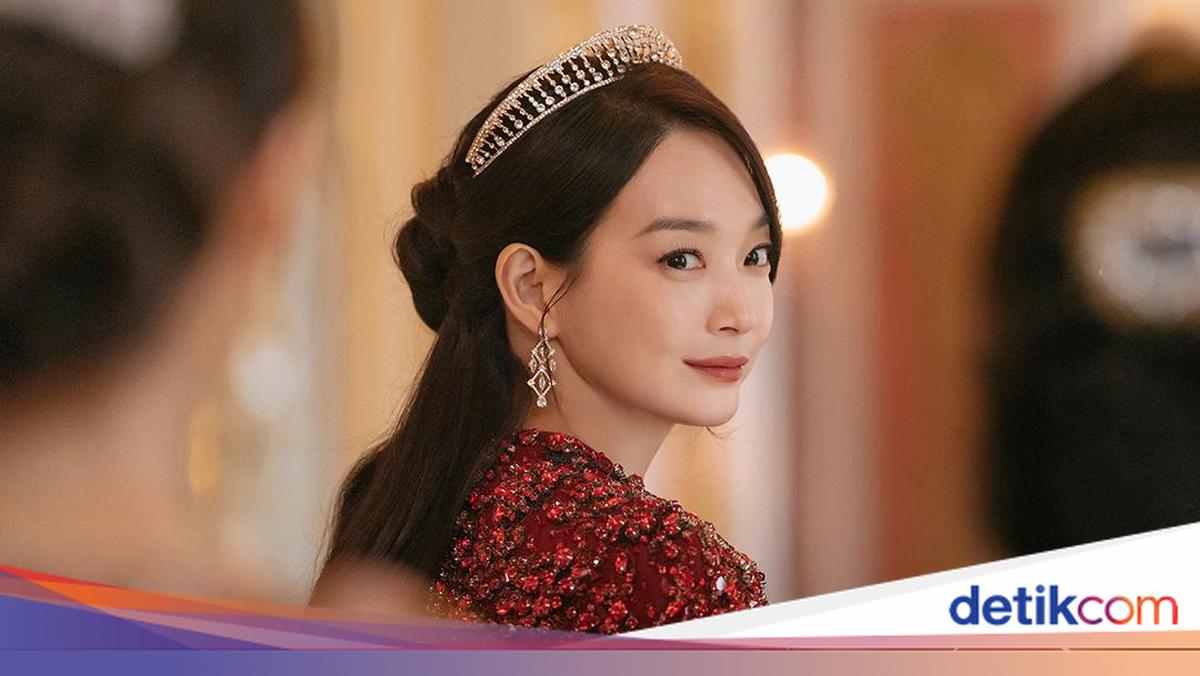
The highly anticipated Disney+ adaptation of the globally acclaimed webtoon The Remarried Empress has ignited a fervent discussion regarding the intersection of high-end fashion and narrative authenticity. Since its premiere on November 3, 2026, the series has dominated social media discourse, with viewers and critics alike scrutinizing the wardrobe choices of lead actress Shin Min Ah, who portrays the stoic and dignified Empress Navier. Despite initial backlash from some members of the webtoon’s massive fan base—who argued that certain costumes lacked the expected opulence for an imperial setting—production insiders have revealed that the wardrobe budget for the series reflects a commitment to genuine haute couture, with individual garments costing as much as a luxury vehicle.
The controversy highlights the immense pressure surrounding the adaptation of The Remarried Empress, a digital franchise that has garnered over 2.97 billion reads worldwide. As one of the most successful webtoons in history, the source material established a visual language of regal extravagance that fans were eager to see replicated in live-action.
A Deep Dive Into the Imperial Wardrobe
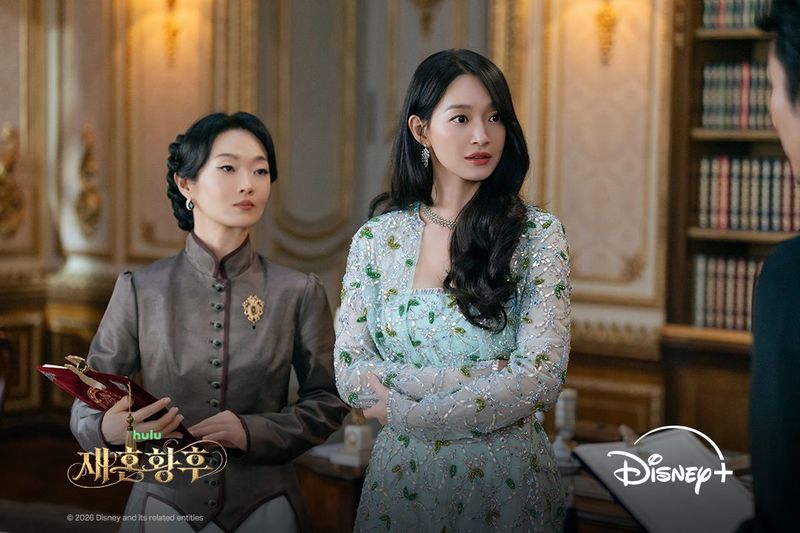
The most debated piece in the early episodes is the intricate, tosca-colored tulle gown worn by Shin Min Ah. Critics initially took to online forums claiming the dress appeared underwhelming on screen. However, industry experts have since confirmed that the piece is a bespoke creation by the renowned Lebanese designer Georges Hobeika. The gown features an A-line silhouette with a delicate bolero, meticulously adorned with silver and green sequins arranged in intricate, vine-like patterns. According to data from The Korea Herald, the market value of this specific piece is approximately $12,690, equivalent to roughly Rp 229.2 million.
This garment serves as a centerpiece of the series’ aesthetic strategy: prioritizing high-fashion credibility over costume-department replicas. By sourcing from international designers, the production team aims to anchor the fantasy setting of the Eastern Empire in tangible, real-world luxury.
Iconic Collaborations and Stylistic Significance
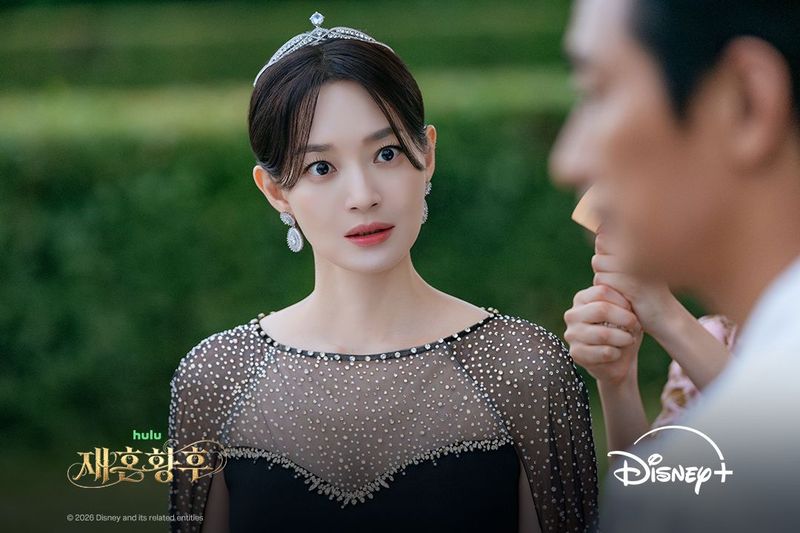
Beyond the Hobeika gown, the production’s commitment to premium fashion is further evidenced by its collaboration with British designer Jenny Packham. In a pivotal scene depicting a tense confrontation between Empress Navier and the emperor’s mistress, played by Lee Se Young, Shin Min Ah is seen in a striking black gown. This piece features a sweetheart neckline and a layer of sheer, crystal-studded tulle that doubles as a cape.
The selection of Jenny Packham is particularly noteworthy given the designer’s prestige in both bridal and red-carpet spheres. The label has been the go-to choice for global icons, including Nicole Kidman, Kate Winslet, Angelina Jolie, Sandra Bullock, and Taylor Swift. Notably, the brand holds significance in the South Korean entertainment industry as well, having been worn by Jun Ji Hyun on her wedding day. Valued at approximately $3,700 (Rp 66.8 million), the gown’s inclusion suggests that the costume department is leveraging the "prestige effect" to signal the character’s status and emotional weight during scenes of high interpersonal conflict.
The Influence of Domestic Haute Couture
While international labels provide a sense of global glamour, the production has also heavily featured the work of celebrated South Korean designer Choi Jae Hoon. The promotional materials for The Remarried Empress prominently showcase Shin Min Ah in a crimson wedding gown designed by the house. The dress is characterized by an heavy application of crystals that extend into a shimmering, shoulder-covering cape.
Choi Jae Hoon’s influence is further reflected in a white, sleeveless gown that uses folded tulle to mimic the shape of petals around the shoulders, accented by silver beadwork. The designer’s work is a staple in the Korean entertainment industry, previously worn by stars like IU and Han Hyo Joo during red carpet appearances. By integrating these domestic pieces, the production creates a bridge between modern Korean fashion sensibilities and the aesthetic demands of a period-inspired drama.
Addressing the Fan Backlash: A Question of Perception
The initial negative reception from fans underscores a recurring challenge in live-action adaptations of digital content: the discrepancy between 2D illustration and 3D reality. Webtoon illustrations often employ exaggerated silhouettes and lighting effects that are impossible to replicate in real-world textiles. When fans view the adaptation, the "lack of luster" they perceive may be a result of cinematography and lighting design intended to make the series feel more grounded and cinematic, rather than a lack of quality in the garments themselves.
Industry analysts note that the production team’s decision to release the pricing and provenance of the costumes is a tactical move. By validating the "real-world value" of the outfits, the studio is effectively countering the narrative that the production budget was mismanaged or that the costume department lacked artistic vision. In the modern era of streaming, where visual fidelity is a key performance indicator, the ability of a costume to look "expensive" is not just about the price tag, but about how it translates through the lens.
Economic Implications for K-Drama Production
The expenditure on such high-value items reflects the broader trend of increasing budgets in the Korean drama industry. With platforms like Disney+ and Netflix investing heavily in original content, the standards for costume and production design have reached an all-time high. The "Remarried Empress" production budget, while not fully disclosed, clearly allocates a significant portion to the "fashion-as-character" trope, a staple of the fantasy-romance genre.
This strategy serves two purposes:
- Brand Alignment: Partnering with luxury designers aligns the drama with high-end fashion houses, opening doors for potential brand ambassadorships and cross-promotional marketing deals.
- Audience Engagement: The debate over the costumes has inadvertently increased the show’s visibility. Whether viewers agree with the aesthetic choices or not, the discussion surrounding the "worth" of the dresses has kept the show trending on social media platforms since its premiere.
Chronology of the Controversy and Disclosure
- October 2026: Initial promotional posters are released, showcasing Choi Jae Hoon’s designs.
- November 3, 2026: The first four episodes premiere on Disney+. Almost immediately, online communities begin critiquing the wardrobe, comparing the live-action aesthetic unfavorably to the webtoon.
- November 5, 2026: Following a surge in public debate, industry sources and local media begin to verify the labels and pricing of the gowns, revealing that the "underwhelming" pieces are, in fact, high-end couture.
- November 7, 2026: Social media discourse shifts from criticism of "low quality" to a discussion on the cost of luxury garments versus their on-screen appearance, validating the production’s high-cost strategy.
Conclusion
The controversy surrounding the wardrobe of The Remarried Empress serves as a compelling case study on the complexities of modern content adaptation. While the production team has successfully secured high-value, authentic couture to reflect the status of Empress Navier, the struggle to satisfy a fan base accustomed to the idealized visuals of a webtoon remains evident. As the series continues its run, it remains to be seen whether the emphasis on high-fashion pedigree will ultimately enhance the audience’s immersion or if the visual gap between illustration and reality will remain a point of contention. Regardless, the strategy has ensured that The Remarried Empress remains firmly in the center of the cultural conversation, proving that in the world of high-stakes streaming, even the choice of fabric can become a catalyst for global debate.

