• Home
Nata News
keep your memories alive
Travel

Bridging the Cultural Divide A Comparative Analysis of Vacation Dynamics in Indonesia and Brighton United Kingdom

by admin July 19, 2026
written by admin

The concept of a vacation is rarely a universal experience, as it is fundamentally shaped by geography, climate, and the socio-technical infrastructure of a nation. In Indonesia, the world’s largest archipelago, the rhythm of leisure is dictated largely by the tropical monsoon cycle. During peak periods such as the year-end holidays, Christmas, New Year, or the Eid al-Fitr festivities, millions of citizens gravitate toward natural landmarks, including volcanic peaks, ancient temple complexes like Borobudur, and the vast coastlines of Bali and Lombok. The primary logistical constraint for the Indonesian traveler is the rain; the arrival of the wet season brings significant risks, including landslides, flash floods, and hazardous maritime conditions, leading a majority of tourists to favor the dry season for its predictability and safety.

Conversely, in the United Kingdom, and specifically in the coastal city of Brighton, the holiday experience is governed by a completely different set of environmental and biological variables. While an Indonesian traveler might seek shade from the relentless 35-degree Celsius heat, a resident of the United Kingdom views the emergence of the sun as a rare and precious commodity. This divergence in behavior highlights the profound impact of local environments on human social patterns. In Brighton, a city famed for its pebble beaches and bohemian atmosphere, the challenges of a vacation are not found in the threat of a monsoon, but rather in the aggressive behavior of the local avian population and the nuances of a highly integrated public transportation network.

Meteorological Influences on Social Behavior

To understand the vacation culture in Brighton, one must first examine the climatological context of the British Isles. Unlike the relatively consistent day-night cycles and temperatures of equatorial Indonesia, the UK experiences four distinct seasons, with winter often characterized by "grey skies" and limited daylight. Data from the UK Met Office suggests that many parts of the country receive fewer than 1,500 hours of sunshine per year, a stark contrast to the nearly 3,000 hours enjoyed in many parts of Indonesia.

This scarcity creates a psychological and physiological phenomenon often referred to as "sun-seeking." When temperatures rise above 20 degrees Celsius—a temperature that many Indonesians might consider chilly or "mild"—the British public flocks to outdoor spaces. The physiological need for Vitamin D, combined with the psychological lift provided by serotonin production in response to sunlight, turns every sunny day into a spontaneous public event. In Brighton, the "Lower Promenade" and the sprawling lawns of the Royal Pavilion become densely packed with locals, international students, and the Indonesian diaspora, all eager to absorb the warmth that is so often absent during the winter months.

In Indonesia, the relationship with the sun is more adversarial. High humidity and a high UV index mean that outdoor activities are often scheduled for the early morning or late afternoon. The "stay indoors" mentality is a survival mechanism against heatstroke and dehydration. In Brighton, the opposite is true; the indoors are a reminder of the long, dark winter, and the outdoors represent a fleeting opportunity for revitalization.

The Avian Conflict: Seagulls as a Tourism Variable

While Indonesian tourists might worry about the sudden onset of a tropical downpour ruining a picnic, visitors to Brighton face a more sentient adversary: the European Herring Gull (Larus argentatus). These birds, which serve as the mascot for the local Premier League football club, Brighton & Hove Albion, have evolved from seaside scavengers into highly efficient "urban hunters" with a specific focus on human provisions.

The phenomenon of "seagull mugging" has become a documented concern for local authorities and a staple of the Brighton tourist experience. Unlike the relatively shy wildlife found in Indonesian national parks, Brighton’s seagulls exhibit a lack of fear toward humans. This behavior is attributed to "kleptoparasitism," a foraging strategy where one animal takes food from another. In Brighton, this has been exacerbated by the high density of "walk-away" food outlets serving fish and chips, ice cream, and burgers.

Eyewitness accounts from residents and visitors illustrate the severity of the issue. Incidents of seagulls snatching food directly from the hands of pedestrians are common. In one notable observation near the Jubilee Library, a diner distracted by a mobile phone call lost an entire meal to a gull in a matter of seconds. More concerning are the reports of physical injury; a student named Alma recounted an instance where a tourist’s hand was lacerated by a gull’s beak as it dove for a sandwich. This aggression has prompted a variety of responses, from warning signs posted by the Brighton & Hove City Council to social media campaigns advising tourists on how to "gull-proof" their lunch.

The economic implications are also noteworthy. Local vendors often have to replace meals stolen by birds to maintain customer satisfaction, adding an "avian tax" to the cost of doing business. Furthermore, the birds have been known to enter retail establishments. Viral footage on platforms like TikTok and YouTube frequently depicts seagulls walking into convenience stores and exiting with bags of crisps, demonstrating a level of cognitive mapping and boldness that surprises those accustomed to more docile urban wildlife.

Transportation Infrastructure and the Logistics of Leisure

A second major point of divergence between the Indonesian and British holiday experience lies in the realm of mobility. In Indonesia, the private vehicle remains the undisputed king of tourism. Whether it is a family car, a motorcycle, or a chartered minibus, the preference for private transport is driven by a lack of comprehensive "last-mile" public connectivity in many rural or mountainous tourist destinations. This reliance on private transport leads to the infamous "macet" or traffic congestion that plagues routes to Puncak, Bandung, or the coastal roads of Bali during long weekends. Finding parking becomes a central stressor for the Indonesian traveler, often dictating the timing and destination of the trip.

Brighton offers a starkly different logistical model. As a city designed with a high degree of walkability and integrated into the national rail network, the necessity for a private vehicle is significantly reduced. The Brighton Main Line connects the city to London Victoria and London Bridge in approximately one hour, allowing for a massive influx of "day-trippers" who arrive without cars.

Once in the city, the Brighton & Hove Bus and Coach Company operates one of the most efficient bus fleets in the country, with many routes running 24 hours a day. The city’s infrastructure also prioritizes cycling and pedestrian movement, particularly along the seafront. For the international visitor, this creates a sense of freedom; the "challenge" is not finding a parking spot, but navigating the train schedule or ensuring one has a contactless payment method for the bus.

This difference in transportation philosophy has profound implications for urban planning and environmental impact. While Indonesia is currently making strides in public transit—with the expansion of the KAI rail network and the introduction of the Jakarta MRT—the cultural shift away from private car ownership for leisure remains in its early stages. In Brighton, the "car-free" holiday is not just a possibility but often the preferred method, reducing the city’s carbon footprint and alleviating the pressure on its historic, narrow streets.

Comparative Analysis of Tourism Challenges

When analyzing these two distinct holiday environments, it becomes clear that "convenience" is a subjective term. In Indonesia, convenience is defined by the ability to control one’s environment—using a private car with air conditioning to navigate the heat and having the flexibility to change plans based on the weather. The challenges are external and environmental: rain, heat, and traffic.

In Brighton, convenience is defined by accessibility and integration. The challenge is behavioral and social: managing the aggressive local wildlife and timing one’s activities to coincide with the unpredictable appearance of the sun. The "pencuri bersayap" or winged thieves of Brighton represent a unique intersection of nature and urban life that requires tourists to be constantly vigilant, a sharp contrast to the more relaxed, if occasionally rain-soaked, picnic culture in Indonesia.

Furthermore, the role of the international community in Brighton adds a layer of cultural synthesis. Students from Japan, such as Soske, and members of the Indonesian diaspora find themselves adapting to these British quirks. They learn to shield their food, to carry umbrellas even on sunny days, and to embrace the "walking culture" that is often avoided in the humid heat of Jakarta or Surabaya.

Implications for Global Tourism and Urban Management

The comparison between Indonesia and Brighton serves as a microcosm for the broader challenges facing the global tourism industry. As climate change alters weather patterns, the "safe" seasons for travel in the tropics may shift, requiring more robust infrastructure to handle extreme weather. Conversely, in temperate zones like the UK, rising temperatures may lead to even larger crowds at coastal resorts, putting further strain on public transport and increasing human-wildlife conflicts.

For urban managers in Brighton, the "seagull problem" is more than a nuisance; it is a management issue involving wildlife protection laws. The Herring Gull is a protected species under the Wildlife and Countryside Act 1981, making it illegal to harm or cull them. This necessitates innovative, non-lethal deterrents, such as the use of birds of prey (hawks) to scare them away or the installation of specialized bins that gulls cannot penetrate.

In Indonesia, the focus remains on infrastructure and disaster mitigation. Improving public transit to tourist hubs and developing "weather-proof" tourism attractions are essential for the continued growth of the sector. The Indonesian government’s focus on "10 New Balis" reflects an awareness that diversifying destinations can help manage the load on existing infrastructure and provide a variety of experiences that are less dependent on the traditional dry-season window.

Conclusion

Ultimately, the act of going on holiday is an exercise in adaptation. Whether one is navigating the congested toll roads of Java during Lebaran or guarding a tray of chips from a diving seagull on the Brighton Palace Pier, the essence of the journey remains the same: a search for a change of pace and a new perspective.

The differences between Indonesia and Brighton highlight how human culture is a creative response to the environment. Indonesians have mastered the art of the "flexible itinerary," ready to pivot at the first sign of a storm. The residents and visitors of Brighton have mastered the art of "opportunistic leisure," ready to drop everything the moment the clouds part. Both locations offer unique challenges that, while occasionally frustrating, contribute to the rich tapestry of travel stories that define our global experience. As tourism continues to evolve, the ability to appreciate these nuances—from the rhythm of the rain to the bold flight of a seagull—will remain the hallmark of the seasoned traveler.
July 19, 2026 0 comment
0 FacebookTwitterPinterestEmail
Science

The Bitter Aftertaste of Climate Change: How Global Warming Threatens the Future of Indonesia’s Coffee Industry and Global Supply

by admin July 19, 2026
written by admin

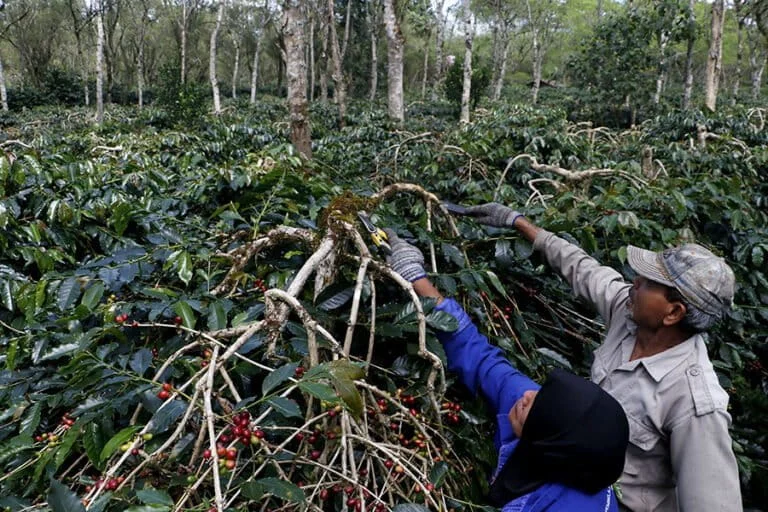
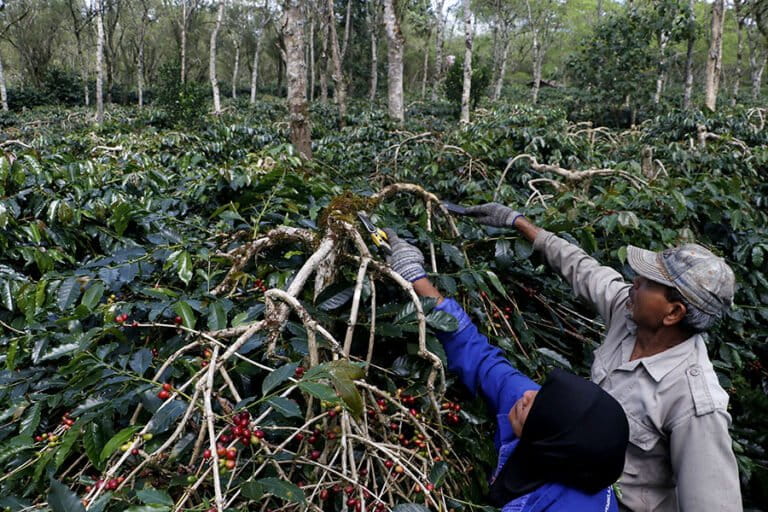
For billions of people across the globe, the day does not truly begin until the first sip of coffee. This daily ritual, characterized by the comforting aroma of roasted beans, is the final stage of a complex and fragile agricultural journey. Behind every cup lies the labor of millions of smallholder farmers who work from dawn, meticulously tending to a crop that demands a precise atmospheric equilibrium of temperature, rainfall, and humidity. However, this delicate balance is being systematically dismantled. The escalating climate crisis is no longer a distant theoretical threat; it is actively reshaping the geography of coffee production, threatening the stability of the industry in Indonesia and across the global "Coffee Belt."

Recent scientific projections paint a grim picture for the next quarter-century. Research suggests that within the next 25 years, approximately 80% of the world’s Arabica coffee production will be severely impacted by shifting weather patterns. The broader outlook is equally concerning, with the total productivity of both Arabica and Robusta varieties projected to decline by as much as 50% due to the diminishing availability of suitable land. As temperatures rise and weather patterns become increasingly erratic, certain wild coffee species—essential for genetic diversity and future breeding—face the risk of extinction, unable to adapt to environmental changes occurring at an unprecedented pace.

The Indonesian Crisis: A Paradox of Expansion and Decline

Indonesia, the world’s fourth-largest coffee producer, is currently on the front lines of this environmental upheaval. The impact is particularly visible in the highlands of Enrekang, South Sulawesi, a region famed for its high-quality beans. Data collected between 2021 and 2023 reveals a troubling trend: while the total area of coffee plantations in Enrekang increased by approximately 6.7%, the actual production yield plummeted by 8.8% during the same period.

This statistical anomaly highlights a "paradox of expansion." In an attempt to compensate for falling yields, farmers are clearing more land for cultivation. However, because the underlying climatic conditions—specifically a drastic reduction in annual rainfall and rising mean temperatures—are no longer favorable, the additional acreage fails to translate into higher harvests. The experience of local farmers like Agus, an Arabica grower in Enrekang, serves as a testament to this reality. Agus reports that his recent harvests have dropped by half, a devastating blow to his family’s financial security. Similarly, Nursam Arifuddin, a Robusta farmer, notes that the unpredictability of the seasons has made traditional farming calendars obsolete. When the rains fail to arrive during the critical flowering stage, the trees produce fewer "cherries," and those that do grow are often stunted or of inferior quality.

The Biological Vulnerability of the Coffee Plant

To understand why coffee is so susceptible to climate change, one must look at the biology of the plant itself. Coffee is a "Goldilocks" crop; it requires conditions that are "just right." Arabica, the more expensive and flavor-complex variety, thrives in cooler highland temperatures (18–21°C). Even a minor increase in average temperature can accelerate the ripening of the coffee cherry, leading to a loss of flavor complexity and acidity. Furthermore, excessive heat can cause "floral abortion," where the plant drops its flowers before they can be pollinated.

Beyond direct physiological stress, the warming climate has emboldened biological threats. Higher temperatures and altered humidity levels have facilitated the spread of the Coffee Berry Borer (CBB) and Coffee Leaf Rust (Hemileia vastatrix). Historically, these pests and diseases were confined to lower, warmer altitudes. However, as the highlands warm, these threats are migrating upward, invading previously "safe" Arabica territories. This forced migration of pests means that farmers must either invest in expensive and often environmentally harmful pesticides or watch their yields vanish.

Coastal Challenges: Saltwater Intrusion in Jambi

While highland farmers battle heat and drought, those in the lowlands face a different manifestation of the climate crisis. In the province of Jambi, Sumatra, growers of Liberika coffee—a hardy variety that thrives in peatlands—are facing the encroaching sea. Rising sea levels have led to increased saltwater intrusion into coastal freshwater systems.

For the coffee trees, this is a slow death sentence. As the salinity of the soil and groundwater rises, the plants undergo osmotic stress, losing the ability to absorb nutrients. Leaves turn yellow, growth is stunted, and eventually, the trees wither away. The situation in Jambi underscores that the climate crisis is multifaceted; it is not merely about "global warming" but about a fundamental disruption of the hydrological and geological systems that support agriculture.

Krisis Iklim Bikin Produksi Kopi Arabika Turun 80 Persen

The Socio-Economic Ripple Effect

The threat to coffee is not merely an environmental or culinary concern; it is a profound humanitarian issue. Globally, an estimated 125 million people depend on the coffee value chain for their livelihoods. This includes approximately 25 million smallholder farmers who are responsible for 80% of the world’s coffee production.

The social dimensions of this crisis are deeply gendered. Approximately 70% of the global coffee labor force is comprised of women, who handle everything from planting and weeding to harvesting and sorting. Despite their central role, women hold only 20% to 30% of leadership or ownership positions within the industry. When yields fail due to climate change, these women are often the first to suffer from reduced wages and increased food insecurity. The lack of land ownership rights further complicates their ability to access credit or government aid intended for climate adaptation, creating a cycle of vulnerability.

The Market Paradox: High Demand, Low Returns

The global coffee market is currently characterized by a staggering disconnect between consumption and production. According to the International Coffee Organization (ICO), global coffee consumption continues to grow at a rate of 2% to 2.5% annually, driven by emerging markets and the "Third Wave" coffee culture in urban centers. Conversely, global production has seen a decline of roughly 1.7% since 2020.

Despite the high demand and the rising prices of premium lattes in New York, London, or Jakarta, the farmers at the origin of the chain remain impoverished. On average, a smallholder farmer receives less than one US dollar for every half-kilogram of coffee sold. This meager return leaves them with no financial cushion to invest in climate-resilient infrastructure, such as irrigation systems, shade trees, or drought-resistant cultivars. This economic fragility makes the industry highly susceptible to collapse; if the younger generation of farmers sees no future in coffee due to the dual pressures of climate change and poverty, they will migrate to cities, leading to a permanent loss of agricultural expertise.

Downstream Consequences: From Farm to Cafe

The impact of the production crisis is already being felt in the retail sector. Agil Valentino, a coffee shop owner in Makassar, South Sulawesi, has observed a tightening supply of Enrekang beans. Even though consumer demand for these specific local beans remains high, the inconsistency in supply and the rising costs of sourcing quality parchment are putting pressure on small businesses.

"When productivity at the farm level drops, the quality often becomes inconsistent," Agil explains. "As a business owner, I have to choose between raising prices for my customers or absorbing the cost and risking the sustainability of my shop. It’s a chain reaction that starts with a dry spell in the mountains and ends with an empty shelf in the city."

The Path Forward: Adaptation and Mitigation

The survival of the coffee industry depends on a rapid shift toward "Climate-Smart Agriculture" (CSA). This includes several key strategies:

  1. Agroforestry: Planting shade trees among coffee plants to regulate temperature, retain soil moisture, and provide a secondary source of income for farmers.
  2. Genetic Research: Developing and distributing hybrid varieties that are more resistant to heat, drought, and pests while maintaining the flavor profiles demanded by the market.
  3. Soil Management: Implementing regenerative farming techniques to improve soil health and carbon sequestration, which can help mitigate the broader effects of climate change.
  4. Economic Reform: Establishing fairer pricing models and "climate premiums" that ensure farmers have the capital necessary to adapt their farms.

The chronology of the last decade suggests that the window for intervention is closing. What was once a seasonal fluctuation has become a systemic decline. The data from Enrekang and Jambi serves as a localized warning of a global phenomenon. Without a concerted effort from governments, international organizations, and the private sector to support smallholder farmers, the world’s favorite morning beverage may soon become a luxury of the past, leaving behind a trail of economic devastation for the millions who call the coffee forests their home. The future of coffee is no longer just about the perfect roast; it is about the survival of an ecosystem and the dignity of the people who tend it.

July 19, 2026 0 comment
0 FacebookTwitterPinterestEmail
Science

Macquarie University Astronomers Revolutionize Daytime Celestial Observation Using Innovative Huntsman Telescope Light Filter Technology

by admin July 19, 2026
written by admin

In a significant leap forward for ground-based astronomy, researchers at Macquarie University in Australia have successfully demonstrated a groundbreaking technique that allows for the precise measurement of stars, satellites, and other celestial bodies during broad daylight. Utilizing the unique multi-lens Huntsman Telescope, the team has integrated specialized light filters and advanced processing algorithms to overcome the long-standing barrier of solar glare. This development, led by Sarah Caddy and her colleagues at the Siding Spring Observatory, transforms the traditional limitations of optical astronomy, which has historically been restricted to the darkest hours of the night. By enabling 24-hour monitoring of the sky, this innovation promises to enhance our understanding of stellar behavior and significantly improve the tracking of an increasingly crowded orbital environment.

The Technical Foundations of the Huntsman Telescope

The Huntsman Telescope is not a conventional astronomical instrument. Located at the Siding Spring Observatory near Coonabarabran, New South Wales, the array is inspired by the "Dragonfly Telephoto Array" developed by Yale and Toronto universities. Rather than employing a single, massive primary mirror, the Huntsman utilizes a suite of high-quality, off-the-shelf commercial lenses. Specifically, it features a unique configuration of 10 Canon 400mm f/2.8 L-series IS II telephoto lenses. These lenses are equipped with world-class anti-reflective coatings—originally designed for sports and wildlife photography—which are exceptionally efficient at reducing stray light and ghosting.

The lenses are mounted in a parallel orientation, allowing them to focus on the same patch of sky simultaneously. Each lens is paired with a high-performance CMOS camera and an astro-mechanical focusing system. This multi-aperture approach allows the telescope to capture thousands of short-exposure images per second. When processed collectively, these images can reveal incredibly faint structures around galaxies or, as recently proven, detect bright point sources against the backdrop of a sunlit sky. The parallel processing capability mimics the compound eye of a huntsman spider, providing both a wide field of view and high sensitivity to light, which is the namesake of the project.

Overcoming the Barrier of Solar Rayleigh Scattering

For centuries, the primary obstacle to daytime optical astronomy has been Rayleigh scattering. As sunlight enters Earth’s atmosphere, it scatters off molecules and small particles, creating the bright blue canopy that drowns out the light of distant stars and planets. While radio telescopes can operate during the day without interference from the sun’s optical glare, optical telescopes have generally been rendered blind once the sun rises above the horizon.

The Macquarie University team addressed this by employing specialized broadband filters. These filters are engineered to block the vast majority of the sun’s scattered light while allowing specific, narrow wavelengths of light from celestial targets to pass through. To refine this method, the researchers conducted months of testing on a "mini-Huntsman" pathfinder—a single-lens version of the larger array. This testing phase was crucial for determining the optimal exposure times and understanding how to track targets accurately through the increased atmospheric turbulence (scintillation) caused by daytime heat.

The results, published in the Publications of the Astronomical Society of Australia on May 20, 2024, confirm that the Huntsman can achieve high-precision photometry during the day. This allows astronomers to transition from night-only observations to a continuous monitoring cycle, effectively doubling the operational utility of ground-based optical facilities.

Case Study: Continuous Monitoring of Betelgeuse

One of the most compelling applications of this technology is the observation of "variable stars"—stars that change in brightness over time. The Macquarie team specifically targeted Betelgeuse, a red supergiant in the constellation Orion located approximately 650 light-years from Earth. Betelgeuse gained international attention in late 2019 and early 2020 during the "Great Dimming" event, where its luminosity dropped significantly. This phenomenon was later attributed to a massive surface mass ejection that created a dust cloud, temporarily obscuring the star’s light.

Because Betelgeuse is a candidate for a future supernova, consistent monitoring is essential for astrophysicists. However, traditional optical observations are interrupted for several months each year when the star’s position in the sky is too close to the sun. During this "seasonal gap," astronomers are often left in the dark regarding critical changes in the star’s behavior. The Huntsman’s daytime capability fills this gap, allowing for year-round tracking of Betelgeuse and other high-interest targets. By monitoring the star through the daylight hours, researchers can detect the earliest signs of another dimming event or the precursors to a supernova explosion, providing invaluable data for stellar evolution models.

Space Situational Awareness and Satellite Tracking

Beyond pure astrophysics, the ability to observe the sky during the day has profound implications for Space Situational Awareness (SSA). The orbital space around Earth is becoming increasingly congested. Currently, there are approximately 10,000 active satellites in orbit, but that number is expected to skyrocket. With "mega-constellations" like SpaceX’s Starlink and other planned commercial and governmental projects, estimates suggest that upwards of 50,000 additional satellites could be launched into Low Earth Orbit (LEO) within the next decade.

This surge in orbital traffic increases the risk of collisions, which can produce clouds of space debris—a phenomenon known as the Kessler Syndrome. Tracking these objects is a matter of global security and the long-term sustainability of space exploration. Sarah Caddy, the lead author of the study, emphasized that the current reliance on nighttime tracking is insufficient for the scale of the coming satellite boom.

"Astronomy daytime is an exciting field," Caddy stated. "With about 10,000 active satellites already circulating the planet and plans to launch 50,000 more, there is a clear need for dedicated day-and-night telescope networks to continuously detect and track these objects."

Daytime observation allows for a much more responsive tracking system. If a satellite maneuvers or if two pieces of debris are on a collision course, every hour of data counts. The Huntsman’s ability to pinpoint these objects during the day ensures that operators have the most up-to-date information to execute avoidance maneuvers. Furthermore, the telescope’s high-speed imaging capability is well-suited for tracking fast-moving objects in LEO, which move across the sky at high angular velocities.

Implications for the Future of Ground-Based Astronomy

The success of the Huntsman Telescope’s daytime mission signals a shift in how ground-based observatories might be designed in the future. The project demonstrates that high-quality scientific data does not always require multi-billion dollar, monolithic mirrors. By leveraging mass-produced consumer optics and sophisticated software, Macquarie University has created a cost-effective platform that rivals more expensive traditional systems in specific niches.

The broader implications of this research include:

  1. Increased Efficiency: Observatories can now maximize their uptime. Instead of sitting idle for 12 hours a day, telescopes equipped with Huntsman-style filters can continue working, providing a better return on investment for research funding.
  2. Global Networks: Because the Huntsman uses relatively portable and affordable components, it is easier to deploy similar arrays in various geographic locations. A global network of such telescopes would provide seamless, 24-hour coverage of the entire sky, essential for tracking transient events like gamma-ray bursts or fast radio bursts.
  3. Atmospheric Research: The study of how light behaves during the day through atmospheric turbulence provides secondary benefits for meteorology and atmospheric science. Understanding "daytime seeing" can help improve the adaptive optics used by the world’s largest telescopes.
  4. Democratization of Space Tracking: Affordable daytime tracking technology allows more nations and institutions to participate in space traffic management, rather than relying solely on the radar and optical networks of major space powers.

Conclusion and Research Outlook

The breakthrough by the Macquarie University team represents a milestone in the evolution of optical astronomy. By proving that the "blue sky" is no longer an impenetrable veil, Sarah Caddy and her team have opened a new window into the universe. The ability to monitor stars like Betelgeuse without seasonal interruptions and the capacity to track the growing swarm of satellites around our planet are just the beginning.

As camera sensors become more sensitive and filter technology continues to advance, the precision of daytime observations will only improve. The Huntsman Telescope stands as a testament to the power of innovative thinking—showing that sometimes, the best way to see the stars is to look at them differently, even when the sun is shining. The findings published in the Publications of the Astronomical Society of Australia serve as a roadmap for the next generation of 24-hour observatories, ensuring that our eyes remain on the skies, regardless of the time of day.

July 19, 2026 0 comment
0 FacebookTwitterPinterestEmail
Health

Telur Ceplok VS Telur Dadar, Mana yang Tinggi Nutrisi? Ini Kata Pakar Gizi IPB

by admin July 19, 2026
written by admin

Bogor, Indonesia – The seemingly simple choice between a sunny-side-up egg (telur ceplok) and an omelet (telur dadar) has long been a point of culinary debate, particularly for individuals focused on healthy eating or weight management. However, a leading nutrition expert from IPB University has shed light on the nutritional nuances, asserting that the difference lies not in the egg itself, but in the preparation methods and added ingredients.

Dr. Karina Rahmadia Ekawidyani, a lecturer at the Faculty of Medicine and Nutrition at IPB University, explained that fundamentally, both telur ceplok and telur dadar possess nearly identical core nutritional profiles. The significant disparities arise primarily from the quantity of cooking oil used and any additional components incorporated during the cooking process. "Generally, there is no significant nutritional difference between telur ceplok and telur dadar. What usually differentiates them is the fat content, which depends on the amount of oil used for cooking," Dr. Karina stated, as quoted from the IPB University website on Saturday, July 18, 2026.

The Caloric Culprit: Why Omelets Can Pack More Calories

Dr. Karina further elaborated that omelets inherently have a greater potential to absorb calories and fat. The process of whisking the eggs for an omelet creates a texture that acts akin to a sponge, making it more prone to soaking up more oil from the pan compared to a sunny-side-up egg. This absorbent quality is a key factor contributing to the higher caloric density of some omelets.

Moreover, a prevalent practice among consumers involves adding supplementary ingredients to the egg mixture for omelets. These additions often include cheese, flour, sausages, corned beef, or minced meat. Each of these components contributes its own caloric and fat content, automatically elevating the overall energy and total calorie count of the dish. This combination of increased oil absorption and the inclusion of calorie-dense additives can significantly transform a simple egg dish into a more substantial meal in terms of energy intake.

Debunking the Yellow Egg Myth: The Nutritional Powerhouse of the Yolk

In a significant revelation that addresses a common dietary concern, Dr. Karina also sought to dispel the widespread fear of consuming egg yolks due to perceived cholesterol risks. She emphasized that the yolk is, in fact, a rich reservoir of essential vitamins and minerals crucial for bodily functions.

"The yolk is the primary source of many vital nutrients in an egg, including choline, lutein, zeaxanthin, vitamin D, and several B vitamins. These nutrients play critical roles in brain health, eye health, bone strength, and energy metabolism," Dr. Karina explained. She highlighted that recent medical research has provided robust evidence challenging the long-held belief that consuming whole eggs directly leads to an increased risk of heart disease.

Supporting Data: Cholesterol and Dietary Fat

For decades, dietary cholesterol, predominantly found in egg yolks, was vilified as a major contributor to cardiovascular disease. However, contemporary scientific understanding has shifted this focus. Numerous studies, including meta-analyses published in reputable journals such as the American Journal of Clinical Nutrition, have indicated that for the majority of the population, dietary cholesterol has a relatively minor impact on blood cholesterol levels compared to saturated and trans fats.

In fact, the dramatic spikes in LDL (low-density lipoprotein), often referred to as "bad" cholesterol, are more directly attributed to the consumption of foods high in saturated and trans fats. These unhealthy fats are often found in fried foods, processed meats, and baked goods, and can also be present in the oils and added ingredients used in cooking eggs. The research suggests that for most healthy individuals, the body’s cholesterol production is more significantly influenced by these dietary fats than by the cholesterol consumed from foods like eggs.

Timeline of Nutritional Understanding:

  • Mid-20th Century Onwards: Widespread public health recommendations advised limiting dietary cholesterol intake, largely based on early studies linking high cholesterol foods to heart disease. Eggs, particularly their yolks, became a focus of this concern.
  • Late 20th to Early 21st Century: A growing body of research began to question the direct link between dietary cholesterol and blood cholesterol for the general population. Studies started differentiating between different types of fats and their impact on cardiovascular health.
  • 2010s and Beyond: Major health organizations, including the U.S. Dietary Guidelines Advisory Committee, began to relax previous strict limits on dietary cholesterol. The focus shifted towards overall dietary patterns, emphasizing the reduction of saturated and trans fats, and increasing the intake of fruits, vegetables, and whole grains. This period saw a renewed appreciation for nutrient-dense foods like eggs.

Optimal Cooking Methods for Health-Conscious Eaters

For individuals actively seeking to reduce their calorie intake or manage their weight, Dr. Karina strongly recommends cooking methods that minimize or eliminate the need for added oil. "Boiled eggs (telur rebus), steamed eggs (telur kukus), or poached eggs are the most beneficial options," she advised. These methods preserve the inherent nutritional value of the egg without introducing additional fats and calories.

Boiled eggs, for instance, are a staple in many healthy meal plans due to their portability and the absence of added fat. Steamed eggs offer a delicate texture and are also free from added oils. Poached eggs, while sometimes requiring a small amount of liquid to prevent sticking, are generally prepared with minimal to no added fat.

Supporting Data: Calorie Comparison (Approximate)

To illustrate the impact of cooking methods, consider the approximate calorie counts for a single large egg (approximately 50 grams):

  • Raw Egg: ~72 calories, ~5 grams of fat
  • Boiled Egg: ~72 calories, ~5 grams of fat (negligible difference)
  • Poached Egg: ~72 calories, ~5 grams of fat (negligible difference)
  • Sunny-Side-Up Egg (cooked with 1 tsp oil): ~72 (egg) + ~40 (oil) = ~112 calories, ~5 (egg) + ~4.5 (oil) = ~9.5 grams of fat
  • Omelet (made with 1 large egg and 1 tbsp oil, no additions): ~72 (egg) + ~120 (oil) = ~192 calories, ~5 (egg) + ~13.5 (oil) = ~18.5 grams of fat

These figures clearly demonstrate how the addition of cooking oil, especially in larger quantities as is often the case with omelets, can significantly increase the caloric and fat content of an egg dish.

Strategies for Enjoying Fried Eggs While Dieting

Despite the advantages of oil-free cooking methods, Dr. Karina acknowledged that many people enjoy the savory taste and texture of fried eggs. She reassured that both telur ceplok and telur dadar can still be part of a diet plan, provided that prudent strategies are employed to manage oil usage.

"The key is to be smart about the oil," she emphasized. This includes adopting techniques such as using high-quality non-stick pans, like Teflon, which require significantly less oil to prevent sticking. Another effective strategy is the use of cooking spray, also known as cooking oil spray. This allows for a thin, even coating of oil with a minimal amount, thereby drastically reducing fat consumption compared to pouring oil into the pan.

Fact-Based Analysis of Implications:

The insights provided by Dr. Karina have several important implications for public health and individual dietary choices:

  1. Empowerment of Consumers: By clarifying that the nutritional value of the egg itself remains largely consistent across different preparations, consumers are empowered to make informed choices based on preparation rather than perceived inherent differences in the eggs.
  2. Shift in Focus from Cholesterol to Fat Quality: The emphasis on cooking oil and added ingredients shifts the focus from the debunked fear of dietary cholesterol to the more critical aspect of managing unhealthy fats, particularly saturated and trans fats, which have a more profound impact on cardiovascular health.
  3. Promoting Healthier Cooking Habits: The recommendations for oil-free or low-oil cooking methods encourage healthier culinary practices, particularly for those managing weight or chronic diseases.
  4. Rehabilitation of the Egg Yolk: The reaffirmation of the yolk’s nutritional benefits can help reverse the trend of yolk discarding, encouraging a more holistic approach to egg consumption and maximizing nutrient intake.
  5. Foundation for Future Dietary Guidance: This expert opinion contributes to the ongoing evolution of dietary guidelines, aligning with scientific consensus that prioritizes overall dietary patterns and the quality of fats over strict limitations on individual food components like dietary cholesterol.

Broader Impact and Future Considerations

The advice from IPB University’s nutrition expert comes at a time when public interest in healthy eating and evidence-based nutrition continues to grow. As individuals become more health-conscious, understanding the subtle yet significant differences in how food is prepared becomes paramount. The nuanced approach to egg consumption advocated by Dr. Karina aligns with a broader trend in nutritional science, which emphasizes the importance of context, preparation, and the overall dietary pattern rather than singling out specific foods as inherently "good" or "bad."

The implication for the food industry and culinary practices is also noteworthy. A greater understanding of these nutritional differences could lead to more innovative and health-conscious preparation methods for egg-based dishes. Furthermore, it underscores the importance of accurate nutritional labeling and education for consumers regarding added ingredients and cooking methods.

As research continues to evolve, it is likely that further insights into the complex interplay of diet, health, and culinary practices will emerge. However, the current consensus, as articulated by experts like Dr. Karina, points towards a more holistic and practical approach to healthy eating, where mindful preparation and ingredient choices play a pivotal role in determining the nutritional impact of everyday foods.

Official Statements and Related Parties:

While direct statements from other related parties were not included in the original source material, it can be inferred that public health organizations and dietitians would likely support the expert’s emphasis on cooking methods and the reduction of unhealthy fats. The Indonesian Ministry of Health, for instance, consistently promotes balanced nutrition and healthy cooking practices as part of its public health initiatives. Nutritional associations in Indonesia would also likely echo the sentiment that the quality and quantity of added fats and ingredients are more critical than the intrinsic differences between a sunny-side-up egg and an omelet when considering their impact on health.

In conclusion, the debate between telur ceplok and telur dadar, when viewed through the lens of nutritional science, reveals that the true differentiator lies not in the egg’s inherent composition but in the culinary artistry and choices made during preparation. By focusing on minimizing added oils and being judicious with supplementary ingredients, individuals can enjoy the nutritional benefits of eggs, regardless of whether they opt for the simple elegance of a sunny-side-up or the versatile nature of an omelet.

(kna/kna) – Data and analysis enriched and expanded by AI.

July 19, 2026 0 comment
0 FacebookTwitterPinterestEmail
Health

Debunking the Egg Yolk Myth: Why Your Cholesterol Levels Are More Than Just About Eggs

by admin July 19, 2026
written by admin

The persistent belief that egg yolks are a primary culprit behind elevated cholesterol levels is a culinary and nutritional misconception that continues to influence dietary choices worldwide. While egg yolks do contain cholesterol, a growing body of scientific evidence and expert opinion suggests that focusing solely on this single food item is an oversimplification of a complex health issue. The broader dietary landscape, including the consumption of saturated and trans fats, alongside individual genetic predispositions and lifestyle factors, plays a far more significant role in determining an individual’s cholesterol profile. This comprehensive analysis delves into the nutritional value of eggs, the science of cholesterol, and the multifaceted factors that contribute to its levels in the body, aiming to provide a clearer, evidence-based perspective for health-conscious consumers.

The Nutritional Powerhouse of Eggs: Beyond Cholesterol

For decades, the humble egg, particularly its yolk, has been under scrutiny due to its cholesterol content. A single large egg yolk contains approximately 210 milligrams of dietary cholesterol. This fact alone has led many to limit or eliminate eggs from their diet, especially those concerned about heart health. However, this focus on dietary cholesterol often overlooks the broader nutritional package that eggs offer.

Dr. Cindiawaty Josito Pudjiadi Mars, Ms, SpGK, a specialist in nutrition, acknowledges the cholesterol content in egg yolks but emphasizes that it is not the sole determinant of blood cholesterol levels. "While it’s true that egg yolks contain 210 mg of cholesterol, the high cholesterol levels in a person’s body can be caused by various factors besides food," Dr. Pudjiadi explained. "This is because cholesterol levels are also naturally produced by the body." This internal production of cholesterol, known as endogenous cholesterol synthesis, accounts for a significant portion of the cholesterol circulating in our bloodstream.

Beyond cholesterol, eggs are remarkably nutrient-dense. They are an excellent source of high-quality protein, essential for muscle building and repair. They also provide a spectrum of vitamins and minerals crucial for overall health. These include:

  • Vitamin A: Vital for vision, immune function, and cell growth.
  • Vitamin D: Important for bone health and immune system function.
  • Vitamin B12: Essential for nerve function and the formation of red blood cells.
  • Riboflavin (B2): Plays a key role in energy metabolism.
  • Selenium: An antioxidant that protects cells from damage.
  • Choline: Crucial for brain development, liver function, and metabolism.

Furthermore, eggs contain lutein and zeaxanthin, antioxidants that are particularly beneficial for eye health, helping to protect against age-related macular degeneration and cataracts. The presence of these vital nutrients highlights that categorizing eggs solely by their cholesterol content is a reductionist approach that ignores their significant health benefits.

The Real Culprits: Saturated and Trans Fats

Experts consistently point to dietary saturated and trans fats as more significant contributors to elevated blood cholesterol, particularly LDL (low-density lipoprotein) cholesterol, often referred to as "bad" cholesterol. These fats can stimulate the liver to produce more cholesterol and impair the body’s ability to remove LDL from the bloodstream.

"Besides egg yolks, foods containing saturated fats are actually more dangerous as they contribute to the increase in our cholesterol levels," stated Dr. Pudjiadi. This sentiment is echoed by Dr. Hasjim H, SpJP, a specialist in cardiology and vascular medicine. He advises against fixating solely on egg consumption and instead highlights the risks associated with excessive intake of fried foods, foods cooked in coconut milk (santan), and fatty meats.

"If we say you cannot eat eggs, I disagree," Dr. Hasjim remarked. "What is wrong is eating too many eggs, then adding fried foods, then adding curry. That’s when your fat consumption will be excessively high." This perspective underscores the importance of a holistic dietary approach. A diet rich in saturated fats, regardless of cholesterol content from other sources, is more likely to lead to adverse cardiovascular outcomes.

Understanding Cholesterol: A Necessary Component, Not Always the Enemy

Cholesterol is not inherently a villain. It is a waxy, fat-like substance (lipid) that is essential for numerous bodily functions. It is a critical component of cell membranes, providing structural integrity and fluidity. Cholesterol is also a precursor for the synthesis of vital hormones, including sex hormones (estrogen, testosterone) and adrenal hormones (cortisol). Furthermore, it is necessary for the production of vitamin D and bile acids, which aid in the digestion of fats.

The body produces cholesterol primarily in the liver, but it is also obtained from dietary sources. The challenge arises when cholesterol levels become imbalanced, particularly when LDL cholesterol is too high or HDL (high-density lipoprotein) cholesterol, known as "good" cholesterol, is too low.

The Two Faces of Cholesterol: HDL vs. LDL

A lipid profile, a common blood test, provides a snapshot of an individual’s cholesterol levels, typically categorizing them into HDL and LDL:

  • HDL Cholesterol (High-Density Lipoprotein): Often called "good" cholesterol, HDL plays a crucial role in cardiovascular health. It acts as a scavenger, collecting excess cholesterol from the arteries and transporting it back to the liver for processing and elimination. Higher HDL levels are generally associated with a reduced risk of heart disease.
  • LDL Cholesterol (Low-Density Lipoprotein): Referred to as "bad" cholesterol, LDL carries cholesterol from the liver to the rest of the body’s cells. However, when LDL levels are excessively high, it can contribute to the buildup of plaque in the arteries, a process known as atherosclerosis. This plaque buildup can narrow the arteries, restricting blood flow and increasing the risk of heart attacks and strokes.

The Complex Web of Factors Influencing Cholesterol Levels

The notion that dietary cholesterol is the primary driver of blood cholesterol is an oversimplification. Numerous factors interact to influence an individual’s cholesterol levels:

  • Genetics: Heredity plays a significant role. Some individuals have a genetic predisposition to produce more cholesterol or to metabolize it less efficiently. Conditions like familial hypercholesterolemia are stark examples of genetic disorders leading to extremely high cholesterol levels from a young age.
  • Dietary Habits: As discussed, the type and quantity of fats consumed are paramount. A diet high in saturated and trans fats, refined carbohydrates, and processed foods can negatively impact cholesterol levels. Conversely, a diet rich in fruits, vegetables, whole grains, lean proteins, and healthy fats (monounsaturated and polyunsaturated) can support healthy cholesterol management.
  • Physical Activity: Regular exercise can positively influence cholesterol levels. Aerobic exercise, in particular, has been shown to help increase HDL cholesterol and lower LDL cholesterol and triglycerides.
  • Body Weight: Being overweight or obese can negatively affect cholesterol levels, often leading to higher LDL and triglyceride levels and lower HDL levels.
  • Age and Sex: Cholesterol levels tend to rise with age. Before menopause, women generally have lower LDL levels than men of the same age. However, after menopause, women’s LDL levels often increase.
  • Smoking: Smoking damages blood vessels and lowers HDL cholesterol, increasing the risk of heart disease.
  • Underlying Medical Conditions: Certain medical conditions, such as diabetes, hypothyroidism, and kidney disease, can affect cholesterol levels.
  • Medications: Some medications can impact cholesterol levels, either positively or negatively.

Recommended Consumption Limits and Individualized Advice

The question of how much egg yolk is too much is best answered on an individual basis, considering the overall health profile and dietary patterns.

Dr. Hasjim suggests that, generally, consuming one egg yolk per day can be within the limits of daily cholesterol needs. White egg, being cholesterol-free, can be consumed according to individual protein requirements. "Statistically, just one egg is actually enough to meet our daily cholesterol needs," Dr. Hasjim stated.

However, for individuals with pre-existing conditions such as high cholesterol, heart disease, or diabetes, Dr. Cindiawaty advises limiting dietary cholesterol intake to approximately 200-300 mg per day. Therefore, the number of eggs that can be consumed should be adjusted based on individual health status and the overall dietary intake. "So, it really depends on each individual’s health condition," she added.

This personalized approach is crucial. A healthy individual without risk factors for cardiovascular disease might tolerate more dietary cholesterol than someone with a history of heart issues. Consulting with a healthcare provider or a registered dietitian is the most effective way to determine personalized dietary recommendations.

The Broader Implications for Public Health and Dietary Guidance

The persistent focus on egg yolks as a dietary villain has broader implications. It can lead to unnecessary dietary restrictions, potentially depriving individuals of nutrient-rich foods. It also distracts from the more significant dietary and lifestyle changes that are critical for cardiovascular health.

The implications of this misconception extend to public health messaging. Dietary guidelines should prioritize education on the impact of saturated and trans fats, the benefits of a balanced diet rich in whole foods, and the importance of regular physical activity. While monitoring dietary cholesterol is still relevant for certain populations, it should be framed within the context of a comprehensive dietary assessment.

The scientific community continues to refine its understanding of nutrition and heart health. Studies such as the PREDIMED (Prevención con Dieta Mediterránea) trial have demonstrated that a Mediterranean diet, which is rich in healthy fats from olive oil, nuts, and fish, and includes moderate amounts of eggs, can significantly reduce the risk of cardiovascular events. These findings further support the idea that individual food components should not be demonized in isolation.

Conclusion: A Balanced Perspective on Egg Consumption

In conclusion, the narrative that egg yolks are the primary cause of high cholesterol is largely outdated and misleading. While egg yolks do contain dietary cholesterol, their impact on blood cholesterol levels is often less significant than that of saturated and trans fats. Eggs are a highly nutritious food, providing essential vitamins, minerals, and high-quality protein.

For most healthy individuals, moderate egg consumption, including the yolk, can be a part of a balanced and heart-healthy diet. Those with pre-existing cardiovascular conditions or high cholesterol should consult with healthcare professionals to determine appropriate intake levels, considering their overall diet and lifestyle.

Ultimately, achieving and maintaining healthy cholesterol levels requires a holistic approach that encompasses a varied and balanced diet, regular physical activity, weight management, and avoidance of detrimental habits like smoking. By understanding the multifaceted nature of cholesterol and the true impact of various dietary components, individuals can make more informed choices that support their long-term health and well-being. The egg, once maligned, can rightfully reclaim its place as a valuable and nutrient-dense food within a sensible dietary framework.

July 19, 2026 0 comment
0 FacebookTwitterPinterestEmail
Science

Mastering the Science of Summer: A Professional Guide to Optimizing Cooler Performance and Food Safety

by admin July 18, 2026
written by admin

The modern outdoor experience, whether it involves a weekend of backcountry camping, a day at the beach, or a simple backyard gathering, relies heavily on the efficiency of the portable cooler. While often viewed as a simple plastic box designed to hold ice and beverages, the cooler is an essential piece of equipment that operates on fundamental principles of thermodynamics. For many enthusiasts, the traditional method of haphazardly tossing bags of ice over room-temperature cans is no longer sufficient. Achieving maximum ice retention and ensuring food safety requires a strategic approach that begins long before the first item is packed. By understanding the science of insulation and the mechanics of heat transfer, consumers can transform their coolers from temporary ice buckets into long-term refrigeration solutions capable of maintaining safe temperatures for several days.

The Foundation of Thermal Retention

At its core, a cooler’s performance is determined by its ability to resist the three forms of heat transfer: conduction, convection, and radiation. High-quality coolers utilize thick walls filled with polyurethane foam, a material known for its low thermal conductivity. This insulation acts as a barrier, slowing the movement of heat from the external environment to the interior of the chest. However, even the most expensive rotomolded cooler can fail if the user does not account for the "thermal mass" of the unit itself.

A common mistake made by casual users is retrieving a cooler from a hot garage or attic and immediately filling it with ice. In this scenario, the insulation is saturated with heat. When ice is added, a significant portion of its cooling energy is spent lowering the temperature of the cooler’s walls rather than preserving the contents. This leads to rapid melting within the first few hours of use. To counteract this, experts recommend a "pre-chilling" phase. By placing a sacrificial bag of ice or frozen jugs inside the cooler at least 12 to 24 hours before the trip, the internal temperature of the insulation is stabilized, ensuring that the primary ice supply lasts significantly longer.

A Chronological Guide to Cooler Preparation

To achieve professional-grade results, the packing process should follow a strict timeline. This structured approach ensures that every component of the cooler is optimized for cold retention.

24 Hours Before Departure: The Pre-Chill Phase
The cooler should be moved to the coolest part of the home. Users should fill the interior with "sacrificial" ice or reusable ice packs to drop the temperature of the internal lining. Simultaneously, all food and beverages intended for the cooler should be refrigerated. Packing warm items into a cooler is one of the most common causes of premature ice melt, as the ice must work overtime to absorb the heat from the room-temperature products.

12 Hours Before Departure: Freezing the Fundamentals
Items that do not need to be consumed immediately, such as water bottles, meats for later in the trip, or certain snacks, should be placed in a freezer. A frozen gallon of water acts as a massive block of ice that provides cooling for days and eventually becomes a source of cold drinking water as it thaws.

The Hour of Departure: The Strategic Pack
The sacrificial ice should be discarded and replaced with fresh, dry ice. The cooler should be packed in layers, following the principle that cold air sinks. This phase requires a calculated ratio of ice to contents to ensure longevity.

The Mathematics of Cooling: Ice-to-Content Ratios

Professional outfitters and brands such as Yeti and Pelican emphasize the importance of the ice-to-content ratio. For multi-day trips, a ratio of 2:1 (two parts ice to one part food and drink) is considered the industry standard. While this may seem excessive to those used to filling a cooler to the brim with snacks, air is the enemy of ice. Large pockets of air inside a cooler facilitate convection, allowing the internal temperature to rise rapidly every time the lid is opened.

The type of ice used also plays a critical role. Cubed ice has a high surface area, which allows it to cool items quickly, but it also melts faster. Block ice, conversely, has a low surface-area-to-volume ratio, meaning it melts much slower and serves as a long-term cooling foundation. For the best results, a combination is recommended: block ice at the bottom to provide a cold base, and cubed ice filled into the "interstitial spaces" between cans and containers to eliminate air pockets.

How to pack a cooler (because you’re probably doing it wrong)

Structural Integrity: Hard-Sided vs. Soft-Sided Coolers

The choice of hardware is the first decision a consumer must make, and it should be dictated by the intended use case.

Hard-Sided Coolers:
These are the workhorses of the industry. Typically constructed using rotomolding—the same process used to make high-end kayaks—these coolers feature thick, seamless walls. They are designed for maximum durability and long-term ice retention, often keeping ice frozen for five to ten days. Their weight and bulk make them ideal for vehicle-based camping or boating where portability is secondary to performance.

Soft-Sided Coolers:
Advancements in materials science have led to a new generation of high-performance soft coolers. Utilizing closed-cell foam and leak-proof zippers, these units offer surprising thermal resistance while remaining lightweight and easy to carry. They are the preferred choice for day hikes, beach trips, or picnics. However, because they lack the thick polyurethane walls of their hard-sided counterparts, they are generally limited to 24 to 48 hours of effective cooling.

Food Safety and the "Danger Zone"

Beyond the convenience of a cold drink, cooler management is a matter of public health. According to the U.S. Department of Agriculture (USDA), bacteria can double in number in as little as 20 minutes when food is kept in the "Danger Zone"—between 40°F (4.4°C) and 140°F (60°C).

For a cooler to be considered safe for perishable items like raw meat, dairy, and eggs, it must maintain an internal temperature below 40°F. Journalistic analysis of consumer habits suggests that many users rely on the presence of "some ice" as an indicator of safety. However, as ice melts, the resulting water can still be 32°F, but the air at the top of the cooler may have already risen into the Danger Zone. Using a dedicated cooler thermometer is a recommended practice for any trip lasting longer than a few hours.

Furthermore, the management of meltwater is a subject of debate among outdoor enthusiasts. While some argue that keeping the cold water helps insulate the remaining ice, food safety experts warn against this if food is not in watertight containers. Meltwater can become a breeding ground for cross-contamination if juices from raw meat packages leak into the communal pool of water.

Expert Recommendations and Best Practices

To further enhance performance, industry experts suggest several "pro-tips" that go beyond basic packing:

  1. Limit Lid Openings: Every time a cooler is opened, the cold, dense air escapes and is replaced by warm, humid air. Users should organize their coolers so that frequently accessed items (like drinks) are on one side or in a separate, smaller cooler, while perishable food stays tucked away in the primary unit.
  2. The "Shade Rule": Even the best insulation can be overwhelmed by direct solar radiation. Keeping a cooler in the shade, or even covering it with a light-colored wet towel, can significantly reduce the heat load on the exterior shell.
  3. Use Reflective Barriers: For extreme heat, placing a layer of reflective Mylar or a "bubble-wrap" insulator on top of the ice inside the cooler can add an extra layer of protection against radiant heat transfer when the lid is opened.
  4. Dry Ice Caution: For extended expeditions, dry ice (frozen carbon dioxide) can be used in compatible hard-sided coolers. Because it sublimates at -109.3°F, it can keep items frozen for days. However, it requires specialized handling to prevent frostbite and must be used in ventilated areas to prevent the buildup of CO2 gas.

Broader Implications: Economic and Environmental Impact

The shift toward better cooler management has broader implications than just a colder soda. From an economic perspective, proper cooling prevents significant food waste. The average American family spends thousands of dollars annually on groceries; losing a cooler full of expensive steaks and fresh produce due to poor ice management is a direct financial hit.

Environmentally, the demand for ice contributes to energy consumption and plastic waste. In the United States alone, the production and transportation of commercial ice is a multi-billion dollar industry. By utilizing reusable ice packs, freezing water bottles to serve as dual-purpose cooling agents, and employing techniques that double the life of a single bag of ice, consumers can reduce their environmental footprint and the amount of plastic waste generated by disposable ice bags.

As the outdoor recreation industry continues to grow, the "science of the chill" has become a point of pride for many adventurers. What was once a simple task of "ice and go" has evolved into a disciplined ritual of preparation and organization. By treating the cooler as a piece of precision equipment rather than a plastic bin, outdoor enthusiasts can ensure their food stays safe, their drinks stay refreshing, and their focus remains on the adventure at hand rather than the state of their melting ice.

July 18, 2026 0 comment
0 FacebookTwitterPinterestEmail
Education

History of Las Malvinas The Argentina-UK Dispute Reignited at the 2026 World Cup

by admin July 18, 2026
written by admin

The high-stakes semi-final match of the 2026 FIFA World Cup between Argentina and England, held in Atlanta, Georgia, has transcended the boundaries of sport, reigniting a decades-old diplomatic firestorm over the sovereignty of the Falkland Islands, known in Spanish as Las Malvinas. While the match itself concluded with a 2-1 victory for the South American side, the post-match celebrations have sparked a formal international incident. As the final whistle blew at the Mercedes-Benz Stadium, several prominent Argentine players displayed a large banner reading "Las Malvinas Son Argentinas" (The Malvinas are Argentine), a move that has drawn immediate condemnation from London and an unexpected legal defense from the United States government.

The incident has forced the world to look back at a conflict that many thought had been relegated to history books, yet remains a central pillar of Argentine national identity and a point of pride for British territorial integrity. The sight of the banner in front of a global television audience of hundreds of millions has underscored the fact that for Argentina, the "Malvinas question" is not a matter of history, but an ongoing struggle for territorial recovery.

Diplomatic Fallout and Official Reactions

The British government responded with swift indignation. Peter Kyle, the UK Secretary of State for Business and Trade, issued a scathing statement characterizing the display as a "grave violation" of the principles of sportsmanship and international protocol. Kyle argued that the football pitch is no place for geopolitical provocations and urged FIFA, the world governing body of football, to launch an immediate investigation into the Argentine Football Association (AFA). According to the British delegation, the act violated FIFA’s strict regulations regarding political, religious, or personal slogans on team equipment and during official ceremonies.

In a surprising turn of events, the United States, acting as the primary host of the 2026 tournament, did not align with its traditional "special relationship" partner. Andrew Giuliani, the White House-appointed head of the FIFA World Cup 2026 Task Force, issued a statement on July 17, 2026, defending the Argentine team’s right to express their views. Giuliani pointed to the First Amendment of the U.S. Constitution, which provides broad protections for freedom of speech. He noted that while the team was on American soil, they possessed the "opportunity and the ability" to convey their message, framing the incident as a matter of protected expression rather than a breach of sporting conduct.

This divergence in rhetoric between London and Washington has added a layer of geopolitical complexity to the tournament. While FIFA traditionally maintains a "neutral" stance and often fines associations for political displays, the backing of the host nation’s government complicates potential disciplinary actions.

The Centuries-Old Roots of the Dispute

The sovereignty dispute over the archipelago, located approximately 480 kilometers (300 miles) off the coast of Argentina in the South Atlantic, dates back centuries. The islands consist of two main landmasses—East and West Falkland—along with hundreds of smaller islands, currently housing a population of roughly 3,600 residents, most of whom are of British descent.

The historical timeline of the islands is a labyrinth of competing claims. In the late 18th century, the islands saw fleeting settlements by the French, British, and Spanish. Following its independence from Spain in 1816, Argentina (then the United Provinces of the River Plate) asserted its rights over the islands as a successor state to the Spanish Empire. Argentina established a settlement and a penal colony on the islands in the 1820s.

However, the modern era of the dispute began in earnest on January 3, 1833, when the British Royal Navy vessel HMS Clio arrived at the islands. The British forces expelled the Argentine officials and military garrison, asserting British sovereignty. London argued that they were merely reclaiming a territory they had discovered and settled decades earlier. Since that day, Argentina has consistently protested what it describes as an illegal "usurpation" of its national territory, maintaining that the islands are part of the Tierra del Fuego province.

The 1982 Conflict: A Turning Point in History

For over a century, the dispute was managed through diplomatic channels and periodic protests at the United Nations. However, in the early 1980s, the situation shifted from rhetoric to armed conflict. At the time, Argentina was ruled by a struggling military junta led by General Leopoldo Galtieri. Facing domestic unrest and a failing economy, the junta sought to galvanize national sentiment by forcibly reclaiming the Malvinas.

On April 2, 1982, Argentine special forces landed on the islands, quickly overcoming the small contingent of British Marines. The invasion initially sparked mass celebrations in Buenos Aires. In London, Prime Minister Margaret Thatcher responded with resolve, assembling a massive naval task force to sail 8,000 miles to the South Atlantic.

Sejarah Las Malvinas, Sengketa Argentina-Inggris yang Ramai di Piala Dunia 2026

The ensuing war lasted 74 days and was characterized by fierce naval and air battles, as well as brutal ground combat in freezing conditions. Key moments, such as the sinking of the Argentine cruiser General Belgrano by a British nuclear submarine and the Argentine air force’s successful strikes against British ships like the HMS Sheffield using Exocet missiles, defined the conflict.

The war ended on June 14, 1982, when Argentine forces in the capital, Port Stanley, surrendered. The human cost was significant: 649 Argentine military personnel, 255 British servicemen, and three island civilians lost their lives. The defeat led to the rapid collapse of the military junta in Argentina and the restoration of democracy, while in Britain, the victory secured Margaret Thatcher’s political legacy and a landslide re-election.

Self-Determination vs. Territorial Integrity

In the decades following the war, the legal arguments have centered on two conflicting principles of international law. The United Kingdom anchors its claim in the principle of "self-determination." In a 2013 referendum, the inhabitants of the Falkland Islands voted almost unanimously (99.8%) to remain an Overseas Territory of the United Kingdom. London argues that as long as the islanders wish to remain British, their status should not be changed.

Argentina, conversely, rejects the applicability of self-determination in this instance. The Argentine government argues that the current population is "implanted"—meaning they are descendants of British settlers brought in after the 1833 expulsion of the original Argentine population. Therefore, Buenos Aires maintains that the principle of "territorial integrity" takes precedence, as the islands are geographically and geologically part of the South American continental shelf.

This stance is not merely a political platform but a constitutional mandate. In 1994, Argentina amended its Constitution to include a temporary provision stating that the recovery of the Malvinas, South Georgia, and the South Sandwich Islands, and the surrounding maritime spaces, through peaceful means and in accordance with international law, is a "permanent and unwaivable objective of the Argentine people."

The Malvinas in the Argentine National Consciousness

To understand why Argentine football players would risk international sanctions to display a political banner, one must understand the role of the Malvinas in Argentine culture. From a young age, Argentine children are taught that the "Malvinas are ours." The islands appear on weather maps, currency, and in school textbooks. June 10th is observed annually as the "Day of Affirmation of Argentine Rights over the Malvinas."

The intersection of football and the Malvinas dispute is also deeply rooted. The 1986 World Cup quarter-final between Argentina and England, just four years after the war, is perhaps the most famous match in history. Diego Maradona’s "Hand of God" goal and his "Goal of the Century" in that match were viewed by many Argentines as a form of symbolic "revenge" for the lives lost in 1982. The 2026 incident in Atlanta is a modern continuation of this sentiment, showing that the emotional weight of the islands has not diminished for the younger generation of players.

Economic and Strategic Implications

Beyond national pride, the dispute is fueled by significant economic interests. The waters surrounding the islands are home to some of the world’s richest fishing grounds, particularly for Illex squid, which provides a substantial portion of the islands’ revenue through fishing licenses. Furthermore, geological surveys have indicated the presence of substantial offshore oil and gas reserves in the North Falkland Basin. Control over the islands also grants a strategic foothold in the South Atlantic and proximity to Antarctic territories, where both nations have overlapping claims.

Analysis: The Future of the "Frozen Conflict"

The 2026 World Cup incident serves as a stark reminder that the Malvinas dispute is a "frozen conflict" that can be thawed by the slightest provocation. While both nations have restored diplomatic and trade relations since 1982, the fundamental question of sovereignty remains untouched.

The reaction of the United States in this specific instance marks a notable shift. Historically, the U.S. has maintained a neutral stance, acknowledging the UK’s administration of the islands while recognizing Argentina’s claim. The decision to invoke the First Amendment to shield the Argentine players suggests a more complex American approach to the tournament’s hosting duties, prioritizing domestic legal standards over international diplomatic sensitivities.

As FIFA deliberates on potential fines or suspensions for the Argentine players, the broader impact of the event is clear. The "Malvinas Son Argentinas" banner has succeeded in its likely goal: ensuring that the world does not forget a claim that Argentina considers its greatest national cause. For the UK, the incident reinforces the need for a robust defense of its Overseas Territories in the face of persistent diplomatic challenges. As the 2026 World Cup continues, the echoes of the 1982 war continue to resonate, proving that on the world stage, sports and politics are often inseparable.

July 18, 2026 0 comment
0 FacebookTwitterPinterestEmail
Education

PT Quipper Edukasi Indonesia Issues Urgent Public Warning Regarding Identity Misuse and Unauthorized Fraudulent Activities

by admin July 18, 2026
written by admin

PT Quipper Edukasi Indonesia, a prominent leader in the educational technology sector widely known as Quipper, has released a formal announcement aimed at safeguarding its users, partners, and the general public against an escalating wave of identity theft and brand impersonation. The organization has identified numerous instances where unauthorized third parties have surreptitiously utilized the Quipper name, logo, and corporate attributes to conduct illicit activities. This proactive warning serves as a critical measure to maintain institutional integrity and protect stakeholders from the financial and reputational risks associated with sophisticated digital fraud.

The warning is directed specifically toward the academic community, including teachers, students—affectionately referred to as Quipperians—and parents who rely on the platform’s digital learning tools. As the digital landscape in Indonesia continues to expand, the education sector has increasingly become a target for cybercriminals who exploit the trust established by reputable brands. Quipper’s management emphasized that any engagement with entities claiming to represent the company outside of official, verified channels could lead to significant personal and financial compromise.

The Landscape of Digital Impersonation in the EdTech Sector

The rise of educational technology has revolutionized how students access information and how teachers manage classrooms. However, this digital transformation has also opened new avenues for bad actors. Brand impersonation, often referred to as "brandjacking," involves the creation of fraudulent websites, social media profiles, and communication threads that mimic the aesthetic and tone of a legitimate corporation. In the case of Quipper, fraudsters have reportedly attempted to leverage the company’s established credibility to lure unsuspecting individuals into various schemes.

The urgency of this warning is underscored by the broader context of cybercrime in Southeast Asia. According to data from various cybersecurity watchdogs and national digital agencies, phishing attacks and social engineering schemes have seen a marked increase since the pandemic-driven shift to online learning. Fraudsters often use high-pressure tactics, promising exclusive rewards or threatening the suspension of services to extract sensitive personal information or illicit payments. By issuing this public advisory, Quipper aims to dismantle the efficacy of these tactics by empowering its user base with the knowledge required to distinguish official communications from fraudulent overtures.

Verified Communication Protocols and Official Channels

To mitigate the risk of fraud, PT Quipper Edukasi Indonesia has outlined a strict set of communication protocols that define how the company interacts with its users and the public. A central pillar of this security framework is the exclusivity of its digital domains. The company has explicitly stated that all official email correspondence from its employees, including members of the executive management team, is conducted solely through the "@quipper.com" domain. Any communication received from public email providers—such as Gmail, Yahoo, or Outlook—or from domains that closely mimic the official one (e.g., "quipper-support.com" or "quipper-promo.id") should be treated as suspicious and disregarded.

Furthermore, Quipper has clarified that its official contact points are strictly managed by an internal team and are listed transparently on the official Quipper platform. Users are urged to cross-reference any incoming messages with the contact information provided on the company’s verified website and mobile application. This verification process is the first line of defense against "smishing" (SMS phishing) and "vishing" (voice phishing) attacks that have become increasingly common in the region.

Data Privacy and Compliance with National Regulations

In an era where personal data has become a valuable commodity, Quipper has reaffirmed its commitment to the stringent protection of user information. This commitment is aligned with Indonesia’s Law No. 27 of 2022 concerning Personal Data Protection (UU PDP). The company maintains that the confidentiality of user data is a non-negotiable priority. Under its internal policy, any sharing of personal data with third-party partners is strictly governed by legal frameworks and requires the explicit, written consent of the data owner.

The warning highlights a critical trend in digital fraud: the unauthorized collection of data under the guise of "account updates" or "subscription renewals." Quipper has made it clear that it will never request sensitive credentials, such as passwords or financial PINs, through unsolicited communication. By adhering to the principles of data minimization and purpose limitation, the company ensures that user information is only used for the delivery of educational services and is protected against unauthorized access by external entities.

Decoupling from Financial Services and Online Lending

One of the most significant clarifications in the recent announcement is Quipper’s total lack of involvement in the financial services sector. The company has explicitly stated that it does not engage in online lending (locally known as pinjaman online or pinjol), investment schemes, or any form of fund distribution. This distinction is vital, as many fraudulent schemes in Indonesia currently masquerade as "educational grants" or "student loans" to trap individuals in high-interest debt cycles.

The EdTech provider noted that any financial transaction associated with Quipper is strictly limited to the subscription of its educational services through authorized payment gateways. The company does not act as a financial intermediary. This clarification serves to protect users from "investment scams" that might use the Quipper brand to suggest a high-return opportunity in the education sector. By drawing a hard line between educational services and financial products, Quipper aims to prevent its brand from being used as a tool for financial exploitation.

Corporate Liability and Personal Employee Conduct

A nuanced aspect of the warning involves the distinction between corporate operations and the personal conduct of individuals associated with the company. PT Quipper Edukasi Indonesia has clarified that any personal financial activities, including private loans or individual transactions conducted by its employees or any other parties, are the sole responsibility of the individuals involved.

The company stated that it bears no liability for risks arising from the personal dealings of its staff or third parties who may claim an association with the brand for private gain. This policy ensures that the company’s corporate assets and legal standing are not compromised by the private actions of individuals. It also serves as a warning to creditors and financial institutions to perform due diligence and not rely on a person’s employment status at Quipper as a guarantee for personal financial obligations.

Legal Recourse and Institutional Response

PT Quipper Edukasi Indonesia has signaled a zero-tolerance policy toward the misuse of its intellectual property and the victimization of its community. The company has stated that it is prepared to take rigorous legal action against any individuals or organized groups found to be engaging in fraud or brand impersonation. This includes collaborating with law enforcement agencies and digital forensic experts to track and prosecute those who infringe upon the company’s rights and endanger its users.

The institutional response involves a multi-pronged approach:

  1. Monitoring: Constant surveillance of digital channels to identify fraudulent websites and social media accounts.
  2. Reporting: Active engagement with telecommunications providers and social media platforms to take down unauthorized content.
  3. Education: Continuous updates to the user base regarding the latest cybersecurity threats and best practices for digital safety.

Broader Implications for the Indonesian Digital Economy

The challenges faced by Quipper are reflective of a larger systemic issue within the Indonesian digital economy. As the nation strives to become a digital powerhouse in Southeast Asia, the security of its digital infrastructure and the literacy of its users remain paramount. The Financial Services Authority (OJK) and the Ministry of Communication and Information Technology (Kominfo) have frequently highlighted the dangers of illegal digital platforms. Quipper’s proactive stance is an example of corporate responsibility that contributes to the overall health of the digital ecosystem.

The impact of such fraud extends beyond immediate financial loss. It erodes trust in digital platforms, which can hinder the adoption of beneficial technologies in rural or underserved areas. When a trusted name like Quipper is targeted, it necessitates a collective response from the industry to reinforce security standards. This event serves as a reminder for all digital service providers to evaluate their own communication strategies and security protocols to stay ahead of increasingly creative criminal elements.

Guidelines for Teachers and Students

In light of these developments, Quipper has issued a set of actionable recommendations for its community. Teachers and school administrators are encouraged to verify the identity of any "Quipper representative" visiting their institutions by requesting official identification and cross-checking with the central office. Students are advised to never share their login credentials and to be wary of any "special offers" that arrive via unofficial WhatsApp groups or social media direct messages.

The company emphasizes that "vigilance is the best defense." By fostering a culture of skepticism toward unverified information, the Quipperian community can protect itself from the pitfalls of digital deception. The company remains committed to providing a safe, secure, and enriching environment for learning, ensuring that the focus remains on academic excellence rather than the anxieties of digital insecurity.

Conclusion and Future Outlook

PT Quipper Edukasi Indonesia continues to monitor the situation closely. The company’s commitment to maintaining a secure educational platform is unwavering, and this public warning is just one facet of its comprehensive security strategy. As cyber threats evolve, Quipper intends to continue upgrading its technological defenses and expanding its outreach programs to ensure that every teacher and student can use its services with absolute confidence.

The organization expresses its gratitude to the public for their continued trust and for reporting suspicious activities. By working together, the company and its stakeholders can ensure that the digital education landscape remains a space for growth, innovation, and safety, free from the interference of those who seek to exploit the progress of others. PT Quipper Edukasi Indonesia stands firm in its resolve to protect its name, its employees, and, most importantly, the millions of learners who represent the future of the nation.

July 18, 2026 0 comment
0 FacebookTwitterPinterestEmail
Politics

Venezuela’s Catastrophic June Earthquakes: Death Toll Surges Past 5,000, Tens of Thousands Displaced Amidst Massive Recovery Efforts

by admin July 18, 2026
written by admin

The devastating twin earthquakes that struck Venezuela in June have seen their confirmed death toll escalate dramatically to 5,069 lives lost, as reported on Saturday, July 18, 2026, marking a grim update to the nation’s ongoing humanitarian crisis. Beyond the tragic fatalities, the aftermath continues to unfold with more than 21,000 individuals still residing in temporary shelters, highlighting the immense scale of displacement and the arduous recovery journey ahead for the South American nation. The Venezuelan government has also confirmed that 17,907 citizens remain without permanent homes, adding to the urgency of relief and reconstruction efforts. This staggering toll underscores the profound impact of the seismic events, which have not only claimed thousands of lives but also shattered communities and crippled critical infrastructure across affected regions.

The Earthquakes of June 24, 2026: A Dual Catastrophe

The catastrophic events unfolded on June 24, 2026, when Venezuela was rocked by two powerful earthquakes in rapid succession. The first, registering a magnitude of 7.2, was swiftly followed by an even stronger 7.5 magnitude tremor, occurring just 39 seconds later. This rare and exceptionally dangerous sequence of seismic activity left little time for residents to react or seek safety, amplifying the destructive potential. While precise epicenters have been identified by geological surveys, initial reports indicated widespread shaking across several states, particularly impacting densely populated urban centers along the Caribbean coast, where older, less resilient structures proved particularly vulnerable. Geologically, Venezuela sits at a complex and active tectonic boundary, primarily influenced by the interaction of the Caribbean Plate and the South American Plate. This region is prone to significant seismic events due to the ongoing subduction and transform faulting, making it one of the most seismically active zones in the Americas. The dual nature of these quakes, with their compounded energy release, overwhelmed many areas, triggering landslides, liquefaction, and widespread structural collapses. The immediate aftermath was characterized by chaos, widespread panic, and a desperate scramble for survival as communities grappled with the sheer force of nature’s wrath. Eyewitness accounts spoke of buildings swaying violently, roads cracking open, and the ground feeling like a turbulent sea, moments before the second, more powerful shock brought down hundreds of structures.

Gempa Ratakan Ratusan Gedung-50.000 Warga Venezuela Hilang di Runtuhan

Unfolding Humanitarian Crisis: Displacement and Desperation

The human cost extends far beyond the fatalities, manifesting in a severe humanitarian crisis. As of the latest update, 17,907 citizens have been rendered homeless, their residences either completely destroyed or deemed unsafe for habitation. Furthermore, a staggering 21,210 individuals are currently housed in 107 temporary shelters established across the affected regions. These shelters, while providing immediate refuge, often present their own set of challenges. Overcrowding is a persistent issue, straining resources and increasing the risk of disease transmission. Access to adequate sanitation facilities, clean drinking water, and nutritious food remains a critical concern for aid organizations. Medical personnel are battling to address both immediate injuries sustained during the quakes and the emerging health issues typical of displaced populations, such as respiratory infections, gastrointestinal illnesses, and stress-related ailments.

Vulnerable populations, including children, the elderly, and individuals with disabilities, face heightened risks in these emergency settings. Many children have been separated from their families or witnessed traumatic events, necessitating urgent psychosocial support. The psychological trauma inflicted by the earthquakes is profound and pervasive. Survivors grapple with grief, anxiety, and post-traumatic stress disorder, requiring long-term mental health services that are often scarce in post-disaster scenarios. The disruption to education, livelihoods, and community networks further exacerbates the desperation, threatening to create a protracted crisis if not addressed comprehensively. Aid agencies are tirelessly working to improve conditions, but the sheer number of displaced persons and the logistical complexities in a country already facing economic headwinds present formidable obstacles.

Devastation of Infrastructure and Urban Landscape

Gempa Ratakan Ratusan Gedung-50.000 Warga Venezuela Hilang di Runtuhan

The physical destruction wrought by the earthquakes is immense, fundamentally altering the urban and rural landscapes of several Venezuelan states. Official figures indicate that 856 buildings sustained significant damage, with a shocking 190 structures reported to have collapsed entirely. These figures primarily account for residential and commercial buildings, but the damage extends to critical public infrastructure. Roads and bridges essential for transport and aid delivery have been compromised or rendered impassable, severing supply lines to isolated communities. Power grids suffered extensive damage, leading to prolonged blackouts that hindered rescue efforts and exacerbated living conditions for survivors. Water supply systems were also severely affected, raising concerns about public health and hygiene.

The collapse of hospitals, schools, and government buildings has crippled essential services, delaying medical treatment for the injured and disrupting critical administrative functions. The economic heart of some affected cities has been devastated, with businesses destroyed and livelihoods lost. The scale of physical destruction is so vast that it will require an unprecedented, multi-year reconstruction effort. Beyond the immediate structural damage, the integrity of remaining buildings is under scrutiny, with experts warning of potential hidden damage that could pose future risks. The long-term impact on urban planning and infrastructure development in Venezuela is expected to be significant, necessitating a comprehensive review of building codes and seismic resilience strategies.

Massive Search, Rescue, and Recovery Operations

In the immediate aftermath, an immense and coordinated search, rescue, and recovery operation was launched, involving a vast array of personnel from both national and international entities. A total of 2,278 specialized rescue personnel from various foreign countries swiftly arrived, bringing with them advanced equipment, expertise in urban search and rescue (USAR), and medical aid. These international teams augmented the substantial national response, which included 30,989 personnel from various government agencies, including military, civil protection, and emergency services. Additionally, 31,745 dedicated volunteers from Venezuela and abroad joined the effort, working tirelessly alongside professional responders.

Gempa Ratakan Ratusan Gedung-50.000 Warga Venezuela Hilang di Runtuhan

The challenges faced by these teams were monumental. Unstable piles of rubble, the constant threat of aftershocks, limited access to heavy machinery in some areas, and communication breakdowns complicated rescue efforts. The race against time to find survivors trapped beneath tons of debris was a harrowing ordeal for all involved. The United Nations has estimated that approximately 50,000 people are still missing following the quakes, a figure that includes those believed to be buried under collapsed structures and those whose whereabouts are simply unknown due to the chaos and displacement. This staggering number underscores the immense difficulty of the search and recovery mission and the profound emotional toll it takes on families desperate for news of their loved ones. As the window for finding survivors dwindled, the focus gradually shifted from active rescue to the more somber task of recovering bodies and clearing debris, a phase that continues to this day, marked by the constant discovery of new victims and the painful process of identification.

Government and International Response: A Unified Front

In response to the unparalleled disaster, the Venezuelan government promptly declared a state of emergency across the most affected regions. This declaration facilitated the rapid mobilization of national resources, including the armed forces, which played a crucial role in logistics, security, and initial rescue efforts. President Nicolás Maduro, in a national address, expressed deep condolences to the victims’ families and pledged the government’s full commitment to recovery, emphasizing that no effort would be spared in assisting those affected. The government established national coordination centers to streamline the distribution of aid and manage rescue operations, working closely with international partners.

The international community responded with an outpouring of solidarity and support. Numerous countries and international organizations swiftly deployed search and rescue teams, medical personnel, and humanitarian aid. The United Nations Office for the Coordination of Humanitarian Affairs (UN OCHA) launched an appeal for emergency funding, coordinating efforts among various UN agencies like UNICEF, WHO, and WFP. The International Federation of Red Cross and Red Crescent Societies (IFRC) activated its disaster response mechanisms, sending emergency relief supplies, including tents, blankets, hygiene kits, and medical provisions. Countries like Cuba, Russia, China, and several European and Latin American nations were among the first to offer assistance, providing specialized teams, financial aid, and essential goods. The United States also offered technical assistance and humanitarian aid through its disaster relief agencies. However, the existing geopolitical complexities and Venezuela’s strained international relations in recent years presented some initial logistical hurdles, requiring delicate coordination to ensure aid reached those most in need without political interference. Despite these challenges, the collective international response demonstrated a global commitment to humanitarian assistance in times of crisis.

Gempa Ratakan Ratusan Gedung-50.000 Warga Venezuela Hilang di Runtuhan

Economic Fallout and Long-Term Reconstruction Challenges

The economic fallout from the June earthquakes is anticipated to be severe and long-lasting, exacerbating Venezuela’s already precarious economic situation. Preliminary assessments suggest that the cost of reconstruction will run into billions of US dollars, a formidable challenge for a nation grappling with hyperinflation, sanctions, and a prolonged economic crisis. The destruction of homes, businesses, and critical infrastructure has led to a massive loss of livelihoods, particularly in sectors such as small-scale commerce, agriculture, and tourism. Thousands of individuals are now unemployed, further straining social welfare programs and increasing poverty levels.

The damage to key transportation routes and port facilities will disrupt supply chains, potentially leading to shortages of essential goods and increased prices. The reconstruction process itself will require vast amounts of building materials, skilled labor, and financial capital, resources that are not readily available domestically. International development assistance will be crucial, but securing long-term funding commitments may prove difficult given the country’s economic and political landscape. Experts warn that without substantial and sustained international support, Venezuela’s recovery could be protracted, potentially taking a decade or more to rebuild to pre-disaster levels. The disaster also presents an opportunity, albeit a tragic one, to rebuild with greater resilience, incorporating advanced seismic engineering standards and sustainable urban planning practices to mitigate the impact of future seismic events.

Voices from the Ground and Future Outlook

Gempa Ratakan Ratusan Gedung-50.000 Warga Venezuela Hilang di Runtuhan

Amidst the ongoing devastation, the resilience of the Venezuelan people shines through, even as they grapple with unimaginable loss. "We have lost everything, but not our hope," shared a survivor in a temporary shelter, echoing the sentiment of many who are determined to rebuild their lives. Government officials, while acknowledging the overwhelming scale of the disaster, reiterated their commitment. "Our priority remains the safety and well-being of every Venezuelan citizen. We are profoundly grateful for the global solidarity and will work tirelessly until every community is restored," stated a spokesperson for the Ministry of Interior and Justice. Aid workers on the ground, like one from Doctors Without Borders, described the immense human suffering: "The scale of this crisis demands a sustained, coordinated global response. We are seeing incredible bravery, but the needs are vast, from basic necessities to long-term psychological support."

The path to recovery for Venezuela will be arduous and protracted, requiring sustained national effort and unwavering international support. Beyond immediate relief, the focus must shift towards long-term resilience, including the implementation of more robust building codes, investment in early warning systems, and comprehensive community preparedness programs. This catastrophic event serves as a stark reminder of humanity’s vulnerability to natural disasters and the imperative for global cooperation in times of crisis. The coming months and years will test Venezuela’s resolve, but with collective action, the nation aims to emerge stronger and more resilient from the rubble.

July 18, 2026 0 comment
0 FacebookTwitterPinterestEmail
Politics

Argentina and Spain Set for Historic World Cup 2026 Final Showdown as Thousands of Fans Electrify Times Square

by admin July 18, 2026
written by admin

NEW YORK – Thousands of fervent Argentine national team supporters converged on Times Square in Manhattan, New York, on Saturday afternoon, transforming the iconic urban landscape into a sea of blue and white. Their gathering served as a vibrant moral demonstration of support for the Albiceleste ahead of their highly anticipated FIFA World Cup 2026 Final clash against Spain. The spectacle unfolded less than 24 hours before the monumental match, creating an atmosphere of palpable excitement and anticipation that reverberated through the heart of New York City.

The vast majority of the Argentine faithful proudly donned the team’s home jersey, with the name and number of captain Lionel Messi prominently displayed on their backs. Messi, widely regarded as one of football’s greatest players, remained the undisputed icon and focal point of adulation within the boisterous crowd. Beyond the replica shirts, supporters brandished a plethora of distinctive national symbols. Argentine flags, banners bearing the likeness of legendary figure Diego Maradona, and flags emblazoned with Messi’s iconic number 10 fluttered vigorously amidst the human tide, each ripple a testament to the nation’s profound footballing heritage and unwavering devotion.

The epicenter of the congregating fans was strategically located around the statue of George M. Cohan, situated on the northern side of Times Square. From this vantage point, chants and rallying cries in support of the Argentine national team and their talismanic captain, Lionel Messi, echoed ceaselessly, creating a symphony of passion that captivated onlookers and passersby. The diverse crowd spanned generations, with children, teenagers, adults, and even toddlers intermingling in an enthusiastic display of collective national pride. This intergenerational presence underscored the deep-rooted cultural significance of football in Argentina, where fandom is often passed down through families as a cherished legacy.

Amidst the overwhelming dominance of Argentine supporters, a scattering of Spanish national team fans could also be observed, joining the throng. Despite the numerical disparity, the atmosphere remained remarkably cordial and festive. There were no reported incidents of friction or discord between the two sets of supporters, highlighting the unifying power of sport and mutual respect among fans. As dusk approached, the influx of supporters continued to swell, with groups steadily gravitating towards the bustling center of Times Square, their spirited chants and songs growing ever louder and more infectious, building to a fever pitch that promised an unforgettable final.

The Duel of Dynasties: Argentina vs. Spain at New York New Jersey Stadium

The FIFA World Cup 2026 Final between Argentina and Spain is scheduled to kick off on Sunday, July 19, at the state-of-the-art New York New Jersey Stadium. The climactic match is set for a 3:00 PM local time start, promising a thrilling conclusion to the quadrennial global football spectacle. This championship decider represents more than just a trophy; it is a battle for national pride, historical legacy, and the ultimate bragging rights in the world of international football.

Both teams enter the final with immense ambition, determined to avoid ending the tournament empty-handed. Argentina, fresh off their triumph in 2022, harbors the aspiration of securing their fourth World Cup title, building upon their previous successes in 1978, 1986, and their recent victory in Qatar. A win would further cement their status as one of football’s most decorated nations and potentially extend Lionel Messi’s unparalleled legacy. The prospect of winning back-to-back World Cups, a feat last achieved by Brazil in 1958 and 1962, adds another layer of historical significance to Argentina’s pursuit.

On the other side, Spain arrives with an equally potent resolve to clinch their second championship crown. The "La Roja" squad’s sole World Cup triumph occurred in 2010, a momentous occasion that marked a golden era for Spanish football defined by their dominant tiki-taka style of play. A victory in 2026 would signal a resurgence for Spanish football on the global stage, introducing a new generation of champions and reasserting their position among the elite. The final offers Spain a chance to double their tally of World Cup titles, an achievement that would undoubtedly ignite celebrations across the Iberian Peninsula.

A Rare World Cup Encounter: A Look Back at 1966

Historically, encounters between Argentina and Spain in the FIFA World Cup have been remarkably rare, underscoring the unique nature of this 2026 final. Prior to this highly anticipated showdown, the two footballing giants had met only once in the tournament’s storied history. This singular encounter took place during the group stage of the 1966 World Cup, hosted in England, with their match unfolding in Birmingham. In that memorable fixture, Argentina emerged victorious with a 2-1 scoreline, courtesy of two goals from the prolific Luis Artime. Spain’s consolation goal came from Jose Pirri, but it was not enough to prevent the South American side from securing the points.

This historical context adds an intriguing layer to the upcoming final. The fact that two nations with such rich footballing pedigrees have only crossed paths once on the grandest stage of international football highlights the unpredictability of tournament draws and the evolving landscape of global football. Their previous meeting, now over six decades ago, provides a distant echo of a rivalry that has largely been confined to friendly matches and competitive encounters in other tournaments. The 2026 final, therefore, is not merely a rematch but a generational clash, where new heroes will be forged and new chapters written in the annals of football history.

Global Diplomatic Stage: Heads of State to Witness History

The magnitude of the FIFA World Cup 2026 Final extends beyond the pitch, as the event is set to be graced by the presence of three heads of state from the co-hosting nations. United States President Donald Trump, Canadian Prime Minister Mark Carney, and Mexican President Claudia Sheinbaum are all expected to attend the final, underscoring the significant diplomatic and political implications of the tournament. Their attendance symbolizes the successful tripartite collaboration in hosting the expanded 48-team World Cup, a testament to international cooperation through sports.

This unprecedented joint hosting arrangement, spanning North America, represents a new era for FIFA’s flagship event. The presence of the leaders signifies not only the culmination of years of planning and investment but also the unified vision of promoting goodwill, cultural exchange, and economic prosperity across the continent. Official statements from the respective governments have consistently highlighted the World Cup as a powerful platform for fostering stronger international relations and showcasing the unique cultures of each host nation. The leaders are expected to deliver messages emphasizing unity, sportsmanship, and the enduring legacy that the 2026 tournament will leave for future generations across the Americas and beyond. Their presence will transform the New York New Jersey Stadium into a global diplomatic hub, adding another dimension of prestige to an already monumental sporting event.

Times Square: A Microcosm of Global Fervor

The spontaneous gathering in Times Square on Saturday was more than just a fan congregation; it was a vibrant microcosm of the global fervor surrounding the World Cup. The choice of Times Square, a world-renowned landmark and a melting pot of cultures, amplified the event’s reach and impact. Tourists and locals alike, regardless of their football allegiance, paused to witness the spectacle, often joining in the cheers or capturing photos and videos that instantly circulated across social media platforms worldwide. This organic amplification served as a powerful pre-match build-up, demonstrating the magnetic pull of the World Cup.

The demographic diversity of the Argentine supporters – from seasoned veterans of past World Cups to wide-eyed children experiencing their first major final – spoke volumes about the sport’s universal appeal and its role in forging national identity. For many, supporting the national team is a rite of passage, a shared experience that transcends socio-economic boundaries. The peaceful integration of a few Spanish fans into this overwhelmingly Argentine crowd further underscored the respectful camaraderie that often defines international football fandom, especially in a neutral setting like New York City. The scene was a testament to how major sporting events can temporarily dissolve geopolitical tensions and unite people under a common banner of passion and excitement.

The Economic and Cultural Ripple Effect on Host Cities

The impact of hosting a World Cup Final, particularly in a global hub like New York, extends far beyond the ninety minutes of play. The influx of tens of thousands of international visitors, coupled with domestic tourism, provides a significant economic boon. Hotels, restaurants, retail establishments, and transportation services across New York and New Jersey have experienced a substantial surge in demand, translating into millions of dollars in revenue and supporting countless jobs. Local businesses, from street vendors to high-end boutiques, benefit from the increased foot traffic and spending power of fans eager to soak in the atmosphere.

Beyond the immediate economic impact, the World Cup leaves a lasting cultural legacy. Hosting such a prestigious event elevates the global profile of the New York-New Jersey metropolitan area, showcasing its capacity to manage large-scale international events and its vibrant cultural landscape. The city’s infrastructure, including public transport and security measures, undergoes significant upgrades and rigorous testing, benefiting residents long after the final whistle. Furthermore, the exposure to diverse cultures and the shared experience of cheering for national teams foster a sense of global community, enriching the cultural fabric of the host region. The World Cup 2026 is poised to be a landmark event not only for football but also for the diplomatic and economic relations between the co-hosting nations and the wider world.

The Quest for Immortality: Messi’s Legacy and Spain’s New Era

For Argentina, this final represents a chance to further solidify Lionel Messi’s unparalleled legacy. Having finally lifted the coveted trophy in 2022, a second consecutive World Cup triumph would place him in a unique pantheon of sporting greats, cementing his status as arguably the greatest footballer of all time. The narrative of Messi, the elder statesman leading his nation to glory, resonates deeply with fans worldwide. His sustained brilliance and dedication to the national cause have inspired millions, and another victory would be the ultimate testament to his enduring impact on the beautiful game.

For Spain, the final offers an opportunity to inaugurate a new golden era. Following the retirement of many legends from their 2010 winning squad, the current Spanish team represents a blend of seasoned veterans and prodigious young talent. A victory would validate their evolving style of play, often characterized by intricate passing and technical prowess, and crown a new generation of Spanish heroes. It would signal a successful transition and provide the impetus for continued dominance in international football. The emotional stakes for both nations are incredibly high, as the outcome will undoubtedly shape their respective footballing narratives for decades to come.

The world watches with bated breath as Times Square’s temporary transformation into an Argentine carnival serves as a prelude to a final that promises drama, passion, and potentially, a new chapter in World Cup history. The stage is set for an epic encounter where legends will be made, and national dreams will either be realized or deferred.

July 18, 2026 0 comment
0 FacebookTwitterPinterestEmail
Newer Posts
Older Posts

Posts Slider

Bald eagles Jackie and Shadow raise $10 million

July 25, 2026

Kemdiktisaintek Buka Beasiswa BPDDI 2026 untuk Dosen, Lanjut...

July 25, 2026

Quipper Indonesia Unveils 2025 Academic Reward Program Utilizing...

July 25, 2026

Indonesia’s Heightened Seismic Hazard: Updated 2024 Map Reveals...

July 25, 2026

Indonesia Intensifies Scrutiny on Unrepatriated Tax Amnesty and...

July 25, 2026

Popular Posts

  • 1

    Indonesia’s Domestic Market Obligation Policy for Palm Oil Proves Effective in Stabilizing Minyakita Prices Amidst Broader Market Dynamics.

    April 16, 2026
  • 2

    Extra Playtime Strengthens the Emotional Bond Between Owners and Dogs According to New Research

    April 22, 2026
  • 3

    OJK Propels South Sumatra’s Regional Economy with Strategic Export Initiatives and Youth Empowerment

    April 22, 2026
  • 4

    Jangan Sampai Ketinggalan! Skill Excel Ini Bisa Bikin Kerja Kamu 2x Lebih Cepat

    April 16, 2026
  • 5

    Mastering Solo Queue in Mobile Legends: Bang Bang: A Deep Dive into Self-Sufficient Carry Heroes

    April 22, 2026

Recent Posts

  • Bald eagles Jackie and Shadow raise $10 million

    July 25, 2026
  • Kemdiktisaintek Buka Beasiswa BPDDI 2026 untuk Dosen, Lanjut S3 Gratis!

    July 25, 2026
  • Quipper Indonesia Unveils 2025 Academic Reward Program Utilizing Gamified Learning Incentives for QSP All Access Users

    July 25, 2026
  • Indonesia’s Heightened Seismic Hazard: Updated 2024 Map Reveals 14 Megathrust Zones and Escalated Earthquake Risks

    July 25, 2026
  • Indonesia Intensifies Scrutiny on Unrepatriated Tax Amnesty and Voluntary Disclosure Program Assets, Setting End-2026 Deadline for Compliance.

    July 25, 2026
  • Facebook
  • Twitter

@2021 - All Right Reserved. Designed and Developed by PenciDesign


Back To Top
Nata News
  • Home

We are using cookies to give you the best experience on our website.

You can find out more about which cookies we are using or switch them off in .

Nata News
Powered by  GDPR Cookie Compliance
Privacy Overview

This website uses cookies so that we can provide you with the best user experience possible. Cookie information is stored in your browser and performs functions such as recognising you when you return to our website and helping our team to understand which sections of the website you find most interesting and useful.

Strictly Necessary Cookies

Strictly Necessary Cookie should be enabled at all times so that we can save your preferences for cookie settings.