• Home
Nata News
keep your memories alive
Politics

The Unscripted Epic: Ronaldo’s Final World Cup, Messi’s Resurgence, and the Unfolding of a Generational Shift

by admin July 18, 2026
written by admin

The recent FIFA World Cup, a tournament initially heralded as Cristiano Ronaldo’s final, definitive quest for the sport’s most coveted trophy, ultimately unfolded into an unpredictable saga, punctuated by unexpected twists, dramatic comebacks, and a profound shift in football’s dominant narratives, culminating in a captivating final between Argentina and Spain. This edition, initially perceived as a potential coronation for the Portuguese legend, instead became a testament to resilience, the enduring brilliance of Lionel Messi, and the emergence of a new vanguard, leaving many fans in a state of emotional flux as their allegiances and long-held beliefs were challenged by the unfolding drama.

Ronaldo’s Final Crusade: A Pre-Tournament Outlook

Heading into the tournament, the narrative surrounding Cristiano Ronaldo, then 39 years old, was unequivocally one of a final, monumental effort to secure the one major international title that had eluded his illustrious career. Portugal, a nation with a rich footballing heritage, had high hopes, fueled by a squad brimming with talent across all positions, from seasoned veterans to burgeoning young stars. Ronaldo’s pre-tournament form, while perhaps not at its peak, still showed flashes of his characteristic brilliance, and his unparalleled drive remained a formidable asset. The draw for the group stage appeared remarkably benevolent, placing Portugal in Group C alongside Colombia, the Democratic Republic of Congo, and Uzbekistan. Analysts widely predicted a straightforward passage to the knockout rounds, with many likening their prospective path to an "expressway" – a smooth journey designed to conserve energy for the tougher challenges ahead. Projections from major sports analytics firms had Portugal reaching at least the semi-finals, with a 15% chance of lifting the trophy, a figure buoyed by their perceived easy draw and the depth of their squad.

A Stuttering Start: Portugal’s Group Stage Ordeal

However, the reality on the pitch quickly diverged from pre-tournament expectations. Portugal’s opening match against the Democratic Republic of Congo, a team ranked significantly lower by FIFA, proved to be an early indicator of underlying tensions and tactical inconsistencies. Despite dominating possession with 68% and registering 18 shots, only 5 of which were on target, Portugal struggled to break down a well-organized Congolese defense. The match ended in a frustrating 1-1 draw, with Portugal salvaging a point through a late equalizer after falling behind in the first half. Ronaldo, usually the focal point of Portugal’s attack, appeared uncharacteristically subdued, failing to register a significant impact on the game, a stark contrast to his usual prolificacy. This performance immediately drew criticism from pundits and fans alike, raising questions about team cohesion and the burden of expectation. "It felt like the team was playing with the weight of the world on their shoulders," remarked former Portuguese international Luís Figo in a post-match interview, "The fluidity wasn’t there, and Ronaldo, despite his effort, couldn’t conjure the magic we’ve come to expect."

Adding to Portugal’s early woes, Lionel Messi, Ronaldo’s long-standing rival, delivered a sensational performance just hours earlier in Argentina’s opening fixture, netting a hat-trick against Australia in a dominant 4-0 victory. This stark contrast intensified the scrutiny on Ronaldo and Portugal, fueling the ongoing "GOAT" debate and amplifying the pressure on the Portuguese captain.

Portugal managed to secure a vital 2-0 victory against Uzbekistan in their second group game, with Ronaldo contributing an assist, but the performance was still far from convincing, lacking the dynamism expected of a tournament favorite. The final group stage match against Colombia, a team known for its attacking flair, proved to be another stumbling block. Despite a spirited effort, Portugal was held to a 2-2 draw, conceding a late equalizer. This result, combined with Colombia’s superior goal difference, meant Portugal finished second in Group C, a development that dramatically altered their projected path through the knockout stages.

The Perilous Path: Navigating the "Group of Death" in the Knockouts

Finishing as group runners-up condemned Portugal to a significantly more challenging route in the knockout rounds, diverting them from the "expressway" to what was immediately dubbed the "path of death." Instead of potentially avoiding footballing giants until the semi-finals, Portugal found themselves in a bracket alongside powerhouses such as Spain, Belgium, the Netherlands, France, and Germany. This unforeseen turn of events heightened the stakes and tested the squad’s mental fortitude.

Their Round of 16 encounter pitted them against Croatia, a formidable opponent renowned for its midfield prowess and tournament pedigree. The match was a tense, cagey affair, ultimately decided by a moment of individual brilliance and a touch of controversy. Portugal secured a narrow 1-0 victory in extra time, with the winning goal coming from a contentious penalty decision in the 117th minute, converted by Bernardo Silva. The decision, hotly debated by Croatian players and fans, saw the VAR system scrutinizing a marginal handball claim for several minutes before the spot-kick was awarded. While Portugal progressed, the manner of their victory did little to quell doubts about their overall performance.

The quarter-final draw presented an even more daunting challenge: a clash with arch-rivals Spain, a team that had demonstrated exceptional form throughout the tournament. The Iberian derby was a tactical masterclass from both sides, characterized by fierce midfield battles and moments of individual brilliance. The match remained goalless for 89 minutes, a testament to the defensive discipline and goalkeeping heroics on both ends. However, the dream of Ronaldo and Portugal was dramatically shattered in the 90th minute. A swift counter-attack initiated by Ferran Torres on the right wing saw him deliver a pinpoint cross into the box. Gerard Moreno, reacting quickest, connected with a powerful header that found the back of the net, sending the Spanish contingent into raptures. The final whistle blew moments later, confirming Spain’s 1-0 victory and Portugal’s elimination from the tournament. Ronaldo, visibly distraught, collapsed to the turf, tears streaming down his face – a poignant image marking what was almost certainly his final World Cup appearance. The dream of lifting the trophy had ended prematurely, leaving a void in his illustrious career.

The Messi Narrative: Resilience and Redemption

As Portugal exited, the spotlight intensified on Argentina and Lionel Messi, who, despite some initial wobbles, seemed to be building momentum. Messi’s journey was a stark contrast to Ronaldo’s early struggles. While Ronaldo faced criticism for his subdued performances, Messi, even when his team faltered, consistently provided moments of game-changing magic.

Argentina’s group stage, though successful, wasn’t without its tense moments. Their second group match against Egypt served as a microcosm of their tournament: a team that struggled collectively but was repeatedly rescued by its captain. Egypt, displaying unexpected resilience, took a shock 2-0 lead by the 78th minute, putting Argentina on the brink of a disastrous result. The atmosphere among Ronaldo’s fans, eager for Messi to share a similar fate, was palpable, with social media abuzz with premature declarations of Argentina’s impending exit. However, Messi, summoning a performance of sheer will, first delivered a sublime assist for Lautaro Martínez in the 82nd minute, then scored a spectacular solo goal in the 87th minute to level the score. The comeback was completed in the 90th minute when Enzo Fernández, capitalizing on Messi’s renewed energy, unleashed a powerful strike to secure a dramatic 3-2 victory. This match, in particular, showcased Messi’s ability to shoulder immense pressure and inspire his teammates when all seemed lost.

Piala Dunia Paling Menyedihkan

Argentina continued their progression, overcoming a resilient Switzerland in the Round of 16 with a clinical 2-0 victory, where Messi scored one and assisted another. Their quarter-final clash against England, a fixture with historical resonance, provided yet another nail-biting encounter. England, buoyed by a robust midfield and direct attacking play, took a 1-0 lead in the 65th minute, once again pushing Argentina to the brink. For Ronaldo’s supporters, a glimmer of hope re-emerged, only to be extinguished by Messi’s relentless pursuit of victory. With just six minutes remaining in regular time, Messi, not through a goal, but through two incisive assists, orchestrated Argentina’s turnaround. His first, a perfectly weighted through-ball, allowed Julián Álvarez to equalize in the 84th minute. Moments later, a dazzling run and a delicate chip set up Alexis Mac Allister for the winning goal in the 89th minute, securing a 2-1 triumph and a place in the semi-finals. Each time Argentina faced adversity, Messi emerged as the undeniable catalyst for their survival and progression.

The Shifting Sands of Fan Allegiance and the "GOAT" Discourse

The unfolding narrative of the World Cup created a fascinating psychological dynamic among football fans, particularly those deeply invested in the Ronaldo-Messi rivalry. Following Portugal’s exit, a significant portion of Ronaldo’s fanbase openly, and often vociferously, shifted their allegiances, not necessarily to another team, but to the hope that Messi and Argentina would also fail. This phenomenon manifested in temporary, almost desperate, support for Argentina’s opponents at various stages.

When Egypt led Argentina 2-0, there was a surge of triumphalism among Ronaldo’s supporters, quickly followed by bitter silence when Messi orchestrated the comeback. The same pattern repeated against Switzerland and, most notably, against England. This emotional rollercoaster was extensively documented across social media platforms, giving rise to familiar refrains. Accusations of a "fixed World Cup," claims of "paid referees," and the assertion that Argentina was "FIFA’s golden child" became common parlance, reflecting a deep-seated frustration and the inability to accept Messi’s continued success in the absence of Ronaldo. These sentiments, while lacking factual basis, highlighted the intense emotional investment fans held in the individual rivalry.

The Grand Finale: A Clash of Eras and Legacies

As the tournament progressed to its climax, the final itself presented an unenviable dilemma for many, especially those who had hoped for a different outcome. Argentina, propelled by Messi’s heroics, faced Spain, a team that represented a different kind of footballing evolution. Spain, under the guidance of a pragmatic coach and boasting a squad blended with experienced campaigners and prodigious young talent, had reached the final through a combination of tactical discipline and moments of individual brilliance, notably from their 19-year-old sensation, Lamine Yamal.

The final was set: Argentina vs. Spain. It was a confrontation laden with symbolic significance. On one side, Messi, the aging maestro, making what was likely his final bid for the World Cup, a chance to definitively crown his unparalleled career. On the other, Spain, embodying a new generation, spearheaded by a player like Yamal, who at 19, already possessed a European Championship title and was now on the cusp of adding a World Cup.

For fans of Ronaldo, the choice was agonizing. To support Argentina meant potentially witnessing Messi ascend to an even higher pedestal in the GOAT debate, making any argument for Ronaldo’s supremacy significantly harder. To support Spain meant cheering for a team whose triumph would further elevate the already impressive resume of Lamine Yamal, a player whose meteoric rise at such a young age presented a new challenge to the established order of footballing greatness, a new "prince" potentially overshadowing the "kings." The final thus became a no-win scenario for a segment of the footballing public, underscoring the profound impact of the tournament’s unexpected turns.

Tactical Insights and Key Performances

Beyond the emotional narratives, the tournament offered rich tactical insights. Portugal’s struggles, for instance, were partly attributed to a lack of tactical flexibility and an over-reliance on individual moments rather than cohesive team play, especially evident in their midfield’s inability to consistently control games against more organized opponents. Their defensive vulnerabilities were exposed, conceding goals in crucial moments.

Argentina, conversely, demonstrated remarkable adaptability. While often relying on Messi’s genius, coach Lionel Scaloni crafted a system that allowed other players like Enzo Fernández, Julián Álvarez, and Alexis Mac Allister to flourish, providing crucial support and goal-scoring contributions. Their resilience under pressure, particularly in coming back from deficits, highlighted a strong team spirit and mental fortitude.

Spain’s journey to the final was a masterclass in controlled possession and defensive solidity. They averaged over 65% possession in their knockout matches, demonstrating patience and precision in their build-up play. The emergence of Lamine Yamal was particularly noteworthy; his dribbling ability, vision, and composure under pressure belied his age, marking him as a genuine heir apparent in the global football landscape. His performances consistently earned him high ratings from statistical analysis sites, often surpassing seasoned veterans.

The Broader Impact: A Generational Shift Confirmed

This World Cup, irrespective of the final’s outcome, solidified its place as one of the most compelling in recent memory. It was a tournament that transcended mere football matches, becoming a profound commentary on legacy, resilience, and the relentless march of time in sport. The early exit of Cristiano Ronaldo, the dramatic perseverance of Lionel Messi, and the stunning rise of talents like Lamine Yamal underscored a significant generational shift. It symbolized the fading era of two unparalleled individual rivalries and the exciting dawn of new talent, ready to seize the mantle.

The final between Argentina and Spain was not just a battle for the World Cup trophy; it was a metaphorical "Finalissima" – a clash between the champions of America and a resurgent European powerhouse. It pitted a team celebrated for its attacking prowess and individual brilliance against a squad built on defensive solidity and youthful exuberance. For the pure football enthusiast, detached from the partisan allegiances of the GOAT debate, this World Cup offered everything: drama, controversy, stunning comebacks, and the undeniable sense of witnessing history unfold. It was, indeed, a tournament for the ages, forever etched in the annals of football as the moment the old guard battled fiercely, while the new guard firmly announced its arrival. The world of football, while perhaps saddened by the end of one era, was undeniably thrilled by the promise of another.


July 18, 2026 0 comment
0 FacebookTwitterPinterestEmail
Economy

Jadi Pendiri Organisasi AI Dunia Bareng China, RI Bidik Huawei & ByteDance

by admin July 18, 2026
written by admin

Coordinating Minister for Economic Affairs, Airlangga Hartarto, spearheaded a crucial diplomatic and economic mission to Shanghai, China, on Friday, July 17, 2026, engaging in high-level discussions with the titans of global technology, Huawei and ByteDance. The meetings, held against the backdrop of Indonesia’s formal ascension as a founding member of the World Artificial Intelligence Cooperation Organization (WAICO), underscored Jakarta’s ambitious drive to accelerate its digital transformation, foster a robust AI ecosystem, and attract high-value foreign investment. The strategic dialogues centered on pivotal areas including artificial intelligence (AI) development, digital infrastructure enhancement, digital talent cultivation, and broader technology investments, positioning Indonesia at the forefront of the regional digital economy.

Indonesia’s Ambitious Digital Agenda and the Global AI Landscape

Indonesia, Southeast Asia’s largest economy, has set an ambitious course for its digital future, encapsulated in its "Making Indonesia 4.0" roadmap and a projected digital economy valuation reaching hundreds of billions of dollars by the end of the decade. The government recognizes that digital transformation is not merely an economic imperative but a foundational element for national competitiveness, job creation, and improved public services. This vision necessitates robust digital infrastructure, a skilled workforce, and the widespread adoption of cutting-edge technologies, particularly AI.

The global AI landscape is experiencing exponential growth, with projections indicating a market size soaring to trillions of dollars in the coming years. Nations worldwide are vying for leadership in AI research, development, and application. Indonesia’s engagement with WAICO signifies its commitment to participating in this global discourse, shaping ethical AI frameworks, and ensuring equitable access to AI technologies. By becoming a founding member, Indonesia aims to bridge the "AI divide" – the growing gap between technologically advanced nations and developing economies – and facilitate the transfer of critical knowledge and expertise. This strategic move aligns perfectly with the minister’s visit to China, a global powerhouse in AI innovation and digital technology.

Chronology of a Strategic Visit: WAICO and Bilateral Engagements

Minister Airlangga Hartarto’s visit to Shanghai was meticulously planned to coincide with the official signing of the WAICO charter, an organization envisioned to foster international cooperation in AI governance, research, and application. His presence at this landmark event underscored Indonesia’s proactive stance in global technological diplomacy. Following the WAICO ceremony, the minister embarked on a series of targeted bilateral meetings with key technology stakeholders, with Huawei and ByteDance being central to the agenda.

The meetings on July 17, 2026, were more than just courtesy calls; they were structured discussions aimed at identifying concrete collaboration opportunities. The choice of Shanghai, a vibrant hub of technological innovation and home to many leading Chinese tech companies, provided an ideal environment for these high-stakes negotiations. The discussions were framed within the context of Indonesia’s overarching goal to enhance its digital capabilities, leveraging the expertise and investment potential of global leaders.

Deepening Collaboration with Huawei: Pillars of Digital Infrastructure and Innovation

The engagement with Huawei, a global leader in information and communications technology (ICT) infrastructure and smart devices, represented a critical step in strengthening Indonesia’s foundational digital capabilities. Huawei’s extensive experience in telecommunications, cloud computing, and AI solutions makes it an invaluable partner for a nation striving to expand its digital footprint.

Minister Airlangga hailed Huawei as a "strategic and potential partner" for Indonesia’s national digital transformation. The discussions with Huawei executives delved into four primary areas of collaboration, each designed to address specific needs within Indonesia’s digital ecosystem:

  1. Investment in AI and Cloud Infrastructure: Indonesia’s burgeoning digital economy requires scalable, secure, and resilient cloud infrastructure to support its growth. This includes data centers, network connectivity, and specialized AI computing platforms. Huawei, with its advanced cloud services (Huawei Cloud) and robust data center solutions, is well-positioned to contribute significant investment and technical expertise in this domain. Such investments are crucial for managing the exponential data growth generated by Indonesia’s 200+ million internet users and thousands of digital businesses. This would not only enhance data sovereignty and security but also provide the computational backbone for advanced AI applications across various sectors.

  2. Strengthening the Digital Talent Ecosystem and Cybersecurity: A robust digital economy is only as strong as its human capital and its resilience against cyber threats. Indonesia faces a significant digital talent gap, with projections indicating a need for millions of skilled workers in areas like AI, data science, and cybersecurity in the coming years. Huawei has a proven track record of establishing digital talent development programs globally, including its "Seeds for the Future" initiative. Collaboration could involve setting up joint training centers, offering scholarships, developing specialized curricula with Indonesian universities, and conducting workshops to upskill the workforce. Simultaneously, enhancing cybersecurity capabilities is paramount. Huawei’s expertise in network security and threat intelligence could bolster Indonesia’s national cybersecurity infrastructure, protecting critical data and digital assets from increasingly sophisticated attacks.

  3. Accelerating Digitalization for Government and Micro, Small, and Medium Enterprises (MSMEs): The digital transformation of government services can significantly improve efficiency, transparency, and public access. Huawei’s enterprise solutions for smart cities, e-government platforms, and cloud-based services could assist Indonesian ministries and local governments in streamlining operations. Furthermore, empowering MSMEs through digitalization is a key economic driver. With over 60 million MSMEs contributing significantly to Indonesia’s GDP, providing them with digital tools, cloud-based business solutions, and e-commerce platforms can unlock immense growth potential, enabling them to reach wider markets and improve productivity. This collaboration could involve developing tailored digital solutions and providing training for MSMEs to adopt these technologies effectively.

  4. Implementing Green Energy Solutions for Data Centers: As digital infrastructure expands, so does its energy consumption. Indonesia is committed to sustainable development and reducing its carbon footprint. The adoption of green energy solutions for data centers, such as renewable energy sources, energy-efficient cooling systems, and advanced power management technologies, is crucial. Huawei’s innovations in green ICT, including liquid cooling technology and AI-powered energy optimization for data centers, align perfectly with Indonesia’s environmental goals. This partnership would contribute to building a more sustainable digital infrastructure, showcasing Indonesia’s commitment to balancing technological advancement with ecological responsibility.

Minister Airlangga emphasized that after Indonesia’s formal establishment as a WAICO founder, the nation sought "a real leap in technological cooperation." He reiterated that Huawei’s capabilities in AI, telecommunications infrastructure, and cloud computing make it an "exceptionally strategic partner" for achieving national digital transformation objectives. This statement reflects Indonesia’s pragmatic approach to leveraging global expertise to achieve its domestic development goals.

Engaging ByteDance: Empowering Digital Commerce and AI Innovation

The meeting with ByteDance, the Beijing-based technology giant behind some of the world’s most popular digital platforms, including TikTok, CapCut, Lark, Toutiao, and Douyin, focused on strengthening Indonesia’s vibrant digital economy and exploring new frontiers in AI. ByteDance has already made significant strategic investments in Indonesia, notably through its integration with Tokopedia and the burgeoning success of TikTok Shop, which have profoundly impacted the local e-commerce landscape.

Minister Airlangga expressed the Indonesian government’s deep appreciation for ByteDance’s "strategic investments and long-term commitment" to the country. He acknowledged that ByteDance’s presence has not only bolstered the digital economic ecosystem but also created vast opportunities for millions of Indonesian MSMEs to thrive through digital platforms and cross-border trade. Data from various reports consistently show TikTok’s massive user base in Indonesia, making it a potent channel for consumer engagement and product discovery, especially for smaller businesses. The integration with Tokopedia further solidifies ByteDance’s role in Indonesia’s e-commerce value chain.

The government’s push for expanded collaboration with ByteDance primarily focused on two key areas:

  1. Internationalization of Indonesian MSME Products: With its global reach and diverse platforms, ByteDance offers an unparalleled avenue for Indonesian MSMEs to access international markets. The government seeks to leverage ByteDance’s platforms to facilitate cross-border e-commerce, enabling local products to reach consumers worldwide. This initiative aligns with Indonesia’s broader export promotion strategy, aiming to diversify its export base beyond traditional commodities and enhance the global competitiveness of its creative and manufacturing sectors. Such collaboration could involve dedicated features for Indonesian products, marketing support, and logistics integration to streamline international sales.

  2. Exploration of Advanced AI Collaboration: Minister Airlangga explicitly invited ByteDance to explore broader cooperation in cutting-edge AI fields, including Large Language Models (LLM), machine learning, and generative AI. These technologies are poised to revolutionize various industries, from content creation and customer service to scientific research and education. ByteDance, a pioneer in these domains, particularly in natural language processing and recommendation algorithms, could bring invaluable expertise to Indonesia. The minister’s invitation extended to exploring the establishment of AI research centers in Indonesia, fostering digital talent development through joint programs, and collaborating on innovation initiatives that would benefit both nations. Establishing such centers could create high-skilled jobs, attract top talent, and position Indonesia as a regional hub for AI innovation, fostering a dynamic ecosystem where research translates into practical applications.

Minister Airlangga underscored Indonesia’s significant digital market, its growing pool of digital talent, and its strong commitment to building an inclusive AI ecosystem. He articulated the vision of a mutually beneficial partnership, where ByteDance’s technological prowess meets Indonesia’s market potential and strategic vision for AI leadership.

Broader Implications and Strategic Vision

The series of strategic business meetings conducted by Minister Airlangga Hartarto is a cornerstone of Indonesia’s economic diplomacy, aimed at attracting high-value investments that contribute significantly to national development. The partnerships forged with Huawei and ByteDance, alongside Indonesia’s active participation in WAICO, are expected to yield multifaceted benefits:

  • Accelerated Technology Transfer: These collaborations will facilitate the transfer of advanced technological know-how, best practices, and innovative solutions from global leaders to Indonesia. This is crucial for rapidly advancing Indonesia’s technological capabilities across various sectors.
  • Bridging the Global AI Divide: By actively engaging with leading AI innovators and participating in global AI governance bodies like WAICO, Indonesia aims to reduce the technological gap with more developed nations, ensuring it is not left behind in the rapidly evolving AI era.
  • Creation of a Productive and Competitive National Digital Economy: The combined impact of enhanced digital infrastructure, a skilled workforce, thriving digital commerce, and cutting-edge AI applications will foster a more dynamic, resilient, and globally competitive digital economy in Indonesia. This will translate into economic growth, job creation, and improved quality of life for its citizens.
  • Economic Diversification and Resilience: Attracting investment in the technology sector helps diversify Indonesia’s economy away from traditional commodity reliance, making it more resilient to global economic fluctuations.
  • Regional Leadership in ASEAN: A strong and innovative digital economy will further solidify Indonesia’s position as a regional leader within ASEAN, potentially serving as a model and hub for digital transformation in Southeast Asia.

While the opportunities are immense, Indonesia also remains cognizant of the challenges inherent in rapid technological adoption. These include ensuring data privacy and security, addressing potential ethical dilemmas in AI development, and bridging the internal digital divide to ensure inclusive growth. The government’s strategic engagement with global tech players is therefore balanced with a commitment to responsible governance and sustainable development.

In conclusion, Minister Airlangga Hartarto’s productive visit to Shanghai represents a pivotal moment in Indonesia’s journey towards becoming a digitally advanced and AI-driven nation. By strategically engaging with global technology giants and participating in international AI governance, Indonesia is laying a robust foundation for a future where technology serves as a powerful engine for inclusive growth, innovation, and national prosperity. The partnerships with Huawei and ByteDance are not merely commercial agreements but strategic alliances that underscore Indonesia’s ambition to lead in the digital age.

July 18, 2026 0 comment
0 FacebookTwitterPinterestEmail
Economy

The Unexpected Philanthropy: How a Trenggalek Farmer’s Rp1 Billion Lottery Win in 1991 Built a Bridge and Sparked a National Debate

by admin July 18, 2026
written by admin

In 1991, an extraordinary stroke of luck transformed the life of Suradji, a humble farmer from Trenggalek, East Java, catapulting him into an unforeseen spotlight as he became an instant millionaire. Suradji was the fortunate recipient of the grand prize in the Sumbangan Sosial Dermawan Berhadiah (SDSB) program, a government-sponsored lottery that had captivated the nation. His winning ticket netted him an astounding Rp1 billion, a sum so immense at the time that its contemporary value, when adjusted for inflation and economic growth, would be estimated at approximately Rp50 billion, or roughly USD 3.2 million, based on gold prices and purchasing power parity. This remarkable windfall was more than just personal enrichment; it unexpectedly ignited a powerful act of local philanthropy and, in doing so, underscored a burgeoning national debate about state-sponsored gambling and its societal implications.

The Fortuitous Win: A Farmer’s Sudden Fortune

The SDSB program, launched in 1989, was a lottery system designed to raise funds for national development projects. Millions of coupons circulated across Indonesia, each representing a tiny chance at life-changing wealth. The odds of winning the grand prize were infinitesimally small, with only one or two participants typically emerging victorious from a sea of hopefuls. Yet, against these staggering odds, Suradji’s numbers aligned perfectly with the draw results. His life, previously defined by the rhythm of agricultural toil in Dusun Telasih, Desa Parakan, Trenggalek, was irrevocably altered overnight. The news of his win spread rapidly, making him a local legend and, soon, a figure of national interest. His story became a testament to the allure and the rare fulfillment of the lottery dream in an era when such opportunities were scarce and highly publicized.

The Unfathomable Value of Rp1 Billion in 1991

To fully grasp the magnitude of Suradji’s Rp1 billion prize, it is crucial to place it within the economic context of Indonesia in the early 1990s. The nation, under the New Order government of President Suharto, was experiencing a period of significant economic growth and modernization. However, wealth distribution remained uneven, and the vast majority of the population, especially in rural areas, lived modestly. In 1991, Indonesia’s GDP per capita was around USD 670, a stark contrast to today’s figures. The average monthly wage for many Indonesians, particularly farmers like Suradji, would have been a mere fraction of a million rupiah.

The article provides vivid examples of the purchasing power of Rp1 billion. A house in the elite Jakarta neighborhood of Pondok Indah, a symbol of affluence, cost approximately Rp80 million. Suradji’s winnings could have purchased about 12 such luxury properties. Gold, a traditional store of value, was priced at around Rp20,000 per gram. With Rp1 billion, he could have acquired a staggering 50 kilograms of gold. To contextualize this further, consider that in 1991, a brand new Toyota Kijang, a popular family car, might have cost around Rp20-30 million. A kilogram of rice, a staple food, was likely in the hundreds of rupiah. Therefore, Rp1 billion represented not just wealth, but an almost unimaginable level of financial security and luxury, equivalent to generations of accumulated earnings for an average Indonesian family. This was a sum that could fundamentally alter the economic landscape of an entire village, let alone an individual. The estimated Rp50 billion equivalent today, using a conservative gold price of Rp1 million per gram, underscores the extraordinary financial weight of his prize.

A Philanthropic Turn: The Bridge for Trenggalek

What distinguished Suradji’s story from many other lottery winners was his profound sense of community responsibility. Despite his sudden opulence, he did not succumb to purely personal indulgences. Living in Dusun Telasih, he was acutely aware of the daily struggles faced by his neighbors. For years, the residents of his village had contended with a perilous river crossing. Their sole means of passage was a rickety bamboo bridge, a fragile structure that constantly threatened collapse, making daily activities such as farming, trade, and schooling a hazardous endeavor. The constant fear of accidents loomed large over the community.

Moved by the plight of his fellow villagers, Suradji made a remarkable decision: he would allocate a significant portion of his winnings to construct a permanent bridge. This was not a small undertaking. According to a report in Suara Pembaruan on November 9, 1991, Suradji personally funded the construction of a concrete bridge, expending approximately Rp117 million of his prize money. Crucially, this philanthropic act was undertaken without any financial assistance from the government or additional community self-help contributions. It was a singular act of generosity from an individual who, just weeks prior, had been an ordinary farmer. The completed structure quickly became known as "Jembatan SDSB," or "SDSB Bridge," a lasting monument to both Suradji’s benevolence and the unexpected source of its funding. This act resonated deeply across the nation, becoming a widely reported story in various national media outlets. In an era predating the pervasive influence of social media, the tale of a farmer using his lottery fortune to build public infrastructure became a powerful narrative, sparking widespread admiration and discussion about altruism and community spirit.

The SDSB Phenomenon: State-Sponsored Lotteries in New Order Indonesia

Suradji’s story is inextricably linked to the broader history of state-sponsored lotteries in Indonesia during the New Order era. The SDSB program, launched in 1989 under the auspices of the Ministry of Social Affairs, was presented by the government as a mechanism for public fundraising. Citizens were encouraged to purchase numbered coupons, not merely for the chance of winning cash prizes, but also with the understanding that the collected funds would be channeled into various national development initiatives. This narrative was central to the government’s justification for the program, framing it as a civic contribution rather than pure gambling.

However, SDSB was not an isolated venture. It was the latest in a series of similar programs initiated by the government to generate non-tax revenue and fund public services. Predecessors included the Lotere Dana Harapan (Hope Fund Lottery) introduced in 1978, Tanda Sumbangan Sosial Berhadiah (Social Contribution with Prize Tickets) in 1979, Porkas Sepak Bola (Football Forecast) in 1985, and Kupon Sumbangan Olahraga Berhadiah (Sports Contribution with Prize Coupons) in 1987. These programs collectively illustrate a consistent governmental strategy throughout the New Order period to leverage public participation in lotteries as a means of financing development projects, particularly in sports, social welfare, and infrastructure. The government’s argument was that these schemes provided a voluntary contribution mechanism, distinct from taxation, that allowed citizens to participate in national progress while simultaneously offering the tantalizing possibility of personal reward.

Rising Tide of Opposition: The Moral and Social Debate

Despite the government’s attempts to frame SDSB and its predecessors as socially beneficial initiatives, these programs were met with growing criticism and moral condemnation. A diverse coalition of academics, social activists, religious leaders, and university students voiced strong opposition, arguing that SDSB was, in essence, an institutionalized form of gambling. Their primary concern was that the system encouraged a dangerous pursuit of instant wealth, fostering a culture of speculation and risk-taking rather than hard work and savings. Critics highlighted numerous negative societal impacts: many individuals, lured by the dream of a grand prize, would reportedly go into debt, sell their possessions, or resort to various desperate measures to acquire lottery coupons, despite the astronomically low chances of winning. This created significant social distress, particularly among the less affluent segments of society who could ill afford such financial risks.

Religious organizations, particularly Islamic groups, were prominent in their condemnation, citing religious proscriptions against gambling. They argued that such state-sponsored activities eroded moral values and exploited the hopes of the poor. The debate was not merely economic or social but also deeply ethical, touching upon the role of the state in promoting or regulating activities perceived as morally compromising. The government, initially defensive, maintained that SDSB was distinct from gambling, emphasizing its "social contribution" aspect. However, the groundswell of public and religious opposition proved increasingly difficult to ignore.

The Ban and Its Aftermath: A Policy Reversal

The pressure against SDSB intensified steadily throughout the early 1990s. Protests, academic critiques, and widespread public discontent reached a critical mass. Student demonstrations, often a precursor to broader social and political shifts in Indonesia, became more frequent and vocal in their calls for the program’s abolition. These movements forced the New Order government, known for its tight control over public discourse, to reassess its stance.

Facing overwhelming public opposition and concerns about the social fabric, the government eventually capitulated. In 1993, after four years of operation, the SDSB program was officially terminated. This decision marked a significant policy reversal, demonstrating the power of public opinion and organized social movements, even within the relatively authoritarian context of the New Order. The ban on SDSB effectively ended the era of large-scale, state-sponsored lotteries in Indonesia. While some forms of legal betting might exist in specific contexts, the broader practice of national lotteries for public fundraising was firmly outlawed, a policy that largely remains in effect today. The decision to ban SDSB reflected a governmental acknowledgment of the profound social and moral anxieties it had generated, prioritizing social stability and public morality over the revenue it generated.

A Lasting Legacy: Suradji’s Bridge and the Memory of SDSB

Today, the practice of institutionalized gambling remains prohibited in Indonesia. However, the story of Suradji, the farmer from Trenggalek, endures as one of the most phenomenal and poignant tales from the era when the government sanctioned such prize draws through SDSB. His act of altruism stands as a powerful counter-narrative to the criticisms leveled against the lottery, demonstrating how an individual’s immense fortune could be channeled directly into tangible community benefit. The "Jembatan SDSB" in Trenggalek is not just a physical structure; it is a symbol of self-reliance, community spirit, and the unexpected good that can emerge from even controversial circumstances. It serves as a daily reminder to the villagers of one man’s generosity, a stark contrast to the often-negative broader societal impact of the lottery.

Suradji’s story also offers valuable insights into the social dynamics of New Order Indonesia. It highlights the government’s pragmatic approach to funding development, its initial dismissal of moral concerns, and ultimately, its vulnerability to sustained public pressure. The SDSB controversy, culminating in its ban, represented a significant moment in the evolution of civil society and public engagement during a period often characterized by limited dissent. It underscored the tension between economic objectives and moral values, a tension that continues to shape policy debates in Indonesia. The legacy of SDSB, therefore, is not just about a lottery or a bridge; it is about the complex interplay of individual fortune, community needs, state policy, and the enduring power of public morality in shaping a nation’s path.

July 18, 2026 0 comment
0 FacebookTwitterPinterestEmail
Economy

ITDC Intensifies Preparations for MotoGP Mandalika 2026, Prioritizing Circuit Homologation and Comprehensive Infrastructure Upgrades

by admin July 18, 2026
written by admin

PT Pengembangan Pariwisata Indonesia, operating as InJourney Tourism Development Corporation (ITDC), is significantly advancing its preparations for the much-anticipated MotoGP Mandalika 2026. A pivotal step in this extensive readiness plan involves the complete repainting of the Mandalika International Street Circuit, aimed at enhancing its aesthetic appeal while rigorously adhering to stringent international standards. This initiative underscores ITDC’s unwavering commitment to delivering a world-class event and cementing Mandalika’s reputation as a premier global sports tourism destination.

The Core of Circuit Readiness: Aesthetic and Technical Standards

The repainting project for the Mandalika circuit is slated to commence within the next one and a half months, indicating a focused and immediate operational priority. Troy Reza Warokka, Director of Operations at ITDC, emphasized the critical nature of this undertaking during a recent press conference. "We will, in perhaps less than one and a half months from now, undertake a complete repainting of the circuit to make it more beautiful, more refined, and indeed, all aspects will strictly follow the regulations issued by the FIM," Warokka stated, reiterating the commitment to international compliance. The Federation Internationale de Motocyclisme (FIM), as the global governing body for motorcycle racing, sets exhaustive technical and safety standards for all circuits hosting MotoGP events. These standards encompass not only the track surface and its markings but also runoff areas, gravel traps, safety barriers, kerbs, and various trackside installations. Dorna Sports, as the commercial rights holder for MotoGP, also imposes specific operational and presentation requirements that circuits must meet to host races. The meticulous attention to detail in this repainting process is thus not merely cosmetic but fundamental to maintaining the circuit’s Grade A homologation, which is essential for hosting top-tier motorsport events. Specialized paints with anti-slip properties and high durability, capable of withstanding extreme weather conditions and the intense wear from high-performance racing tires, will be utilized. The precision of line markings, including track limits, pit lane entries/exits, and grid positions, is paramount for rider safety and fair competition, necessitating expert application and strict adherence to FIM blueprints.

Mandalika’s Journey: From Vision to Global Stage

The Mandalika International Street Circuit, located in the Mandalika Special Economic Zone (SEZ) on Lombok Island, West Nusa Tenggara, represents a cornerstone of Indonesia’s ambition to become a leading global tourism and sports hub. Designated as one of Indonesia’s five "Super Priority Tourism Destinations" (DSP), Mandalika has received substantial government investment aimed at developing its infrastructure and attracting international visitors. The circuit itself, an innovative street circuit design integrated into the scenic coastal landscape, was inaugurated in 2021. It hosted its first MotoGP event in March 2022, marking a triumphant return of the premier motorcycle racing series to Indonesia after a 25-year hiatus. The inaugural event, followed by another successful staging in 2023, showcased Indonesia’s capability to organize large-scale international sporting spectacles. These events have not only drawn global attention to Mandalika’s stunning natural beauty but have also significantly boosted the local economy through tourism, job creation, and increased investment. ITDC, under the umbrella of InJourney, Indonesia’s state-owned tourism holding company, plays a crucial role in managing and developing the Mandalika SEZ, ensuring that the integration of sports and tourism delivers sustainable benefits for the region and the nation. The hosting of MotoGP aligns perfectly with the government’s strategic vision to diversify Indonesia’s tourism offerings beyond traditional destinations like Bali, by leveraging unique experiences such as high-profile international sporting events.

Beyond the Track: A Holistic Infrastructure Approach

ITDC’s preparations for MotoGP Mandalika 2026 extend far beyond the asphalt ribbon of the circuit. A comprehensive strategy is in place to enhance and ensure the readiness of all supporting infrastructure, reflecting a holistic approach to event management. Director Warokka underscored this point, stating, "But I assure you that for the upcoming MotoGP, we are committed not only to preparing the area [circuit] but also to synergizing with relevant stakeholders, including other infrastructure, such as the airport, hotels, which are part of the airport engineering, we are also preparing, including, of course, Pertamina gas stations."

ITDC Ungkap Persiapan di Sirkuit Mandalika Jelang MotoGP 2026
  • Airport Enhancements: Lombok International Airport (BIL) serves as the primary gateway for international and domestic visitors. Significant upgrades have been implemented in recent years to expand its capacity for passenger handling and cargo logistics, crucial for accommodating the influx of teams, equipment, and spectators. Further optimizations in air traffic control, ground handling, and terminal services are continuously evaluated to ensure seamless operations during the event period.
  • Accommodation Expansion: The rapid development of hotels and resorts within the Mandalika SEZ and surrounding areas is vital. From luxury five-star properties to boutique hotels and homestays, efforts are underway to ensure sufficient and diverse accommodation options for teams, officials, media, and hundreds of thousands of fans. This includes ongoing construction projects and strategic partnerships with local communities to integrate sustainable tourism practices.
  • Road Networks and Accessibility: Improvements to road infrastructure leading to and within the Mandalika complex are continuously being made to facilitate efficient traffic flow. This includes widening existing roads, constructing new access routes, and enhancing signage to manage large crowds and logistical movements effectively. The aim is to minimize congestion and ensure smooth transit for all event participants and visitors.
  • Medical and Emergency Services: A robust medical and emergency response system is paramount for any major sporting event. This involves establishing fully equipped medical centers at the circuit, coordinating with local hospitals for advanced care, and deploying trained medical personnel, ambulances, and emergency services. FIM mandates stringent medical protocols, including specialized trauma units and rapid intervention teams, all of which are meticulously planned and rehearsed.
  • Logistics and Fuel Supply: Ensuring an uninterrupted supply of essential services, such as fuel, is critical. Partnerships with entities like Pertamina, Indonesia’s state-owned oil and gas company, guarantee sufficient fuel availability for event operations, participant vehicles, and general public needs during the MotoGP weekend. This logistical foresight extends to waste management, utilities, and communication networks, all of which are scaled up for the event.
  • Security and Crowd Management: A multi-layered security plan, developed in conjunction with national and local law enforcement agencies, is fundamental. This includes comprehensive surveillance, access control, and crowd management strategies to ensure the safety and security of all attendees. Training programs for security personnel and marshals are regularly conducted to maintain high standards of professionalism and responsiveness.

Ensuring International Compliance: The FIM and Dorna Mandate

The FIM and Dorna Sports maintain an extremely rigorous set of standards that host circuits must meet, not only for safety but also for broadcast quality, commercial viability, and overall event experience. For Mandalika, this means continuous evaluation and potential adjustments to meet evolving regulations. FIM safety requirements cover every aspect of the track, from the asphalt’s grip level and drainage capabilities to the precise placement of air fences, tire barriers, and grandstands. Run-off areas must be of adequate size and composition to safely slow down errant motorcycles. The medical facilities must be state-of-the-art, with highly trained staff capable of responding to high-speed trauma incidents. Environmental considerations, such as noise control and waste management, are also increasingly important aspects of FIM homologation. Dorna, on the other hand, sets benchmarks for television broadcasting infrastructure, media centers, hospitality areas, and fan engagement zones. These standards ensure that MotoGP maintains its global appeal and delivers a premium experience for both attendees and television viewers worldwide. Regular inspections by FIM and Dorna officials are part of the certification process, and ITDC’s ongoing preparations are designed to consistently exceed these benchmarks, ensuring Mandalika remains a preferred venue on the MotoGP calendar.

Economic Catalyst and Tourism Magnet

The hosting of MotoGP in Mandalika has proven to be a powerful economic catalyst for Indonesia, particularly for the West Nusa Tenggara province. The 2022 and 2023 events generated significant direct and indirect economic impacts. For instance, the 2022 MotoGP Mandalika reportedly contributed over IDR 4.5 trillion (approximately USD 300 million) to the national economy, attracting hundreds of thousands of visitors and creating thousands of temporary and permanent jobs. Local businesses, from small vendors and homestay operators to larger hotels and transportation providers, experienced a substantial boost in revenue. The 2026 event is projected to further amplify these benefits. By attracting a diverse international audience, MotoGP serves as a potent marketing tool, showcasing Indonesia’s tourism potential beyond its established destinations. The influx of tourists not only supports the hospitality sector but also stimulates growth in related industries such as handicrafts, culinary arts, and local transportation. Furthermore, the global media exposure generated by MotoGP races provides invaluable branding for Indonesia, positioning it as a dynamic and capable host for major international events, thereby attracting further foreign investment and business opportunities into the Mandalika SEZ and beyond.

Challenges and Continuous Improvement

While the prospects are bright, hosting an event of MotoGP’s magnitude in a developing region like Mandalika presents inherent challenges. Logistical complexities, particularly concerning the movement of specialized equipment and large numbers of international visitors, require meticulous planning and execution. Maintaining consistently high international standards across all operational facets—from track safety to hospitality—demands continuous investment and diligent oversight. Environmental sustainability is another critical consideration, with ITDC and its partners committed to minimizing the ecological footprint of the event and promoting responsible tourism practices within the pristine natural environment of Lombok. Community engagement is also crucial, ensuring that local residents benefit from the event and are integrated into its success, addressing potential impacts such as increased traffic or resource strain. ITDC’s strategy involves ongoing dialogues with local communities, providing training and employment opportunities, and fostering a sense of shared ownership in the Mandalika project. These challenges are viewed not as impediments but as opportunities for continuous improvement and innovation, driving Mandalika towards becoming a truly sustainable and exemplary sports tourism destination.

Looking Ahead: The Future of Mandalika as a Premier Destination

The preparations for MotoGP Mandalika 2026 are part of a broader, long-term vision for the Mandalika Special Economic Zone. ITDC aims to transform Mandalika into a premier integrated tourism resort, offering a diverse range of attractions beyond motorsport. This includes developing world-class resorts, convention centers, golf courses, and ecotourism experiences that leverage Lombok’s unique natural beauty. The strategy involves diversifying the event calendar to host other international sporting events, cultural festivals, and business conferences, thereby ensuring year-round economic activity and reducing reliance on a single major event. Sustainability remains a core pillar of this vision, with plans for renewable energy integration, waste management initiatives, and conservation efforts to protect the region’s biodiversity. Through strategic partnerships with both local and international stakeholders, ITDC is committed to realizing Mandalika’s full potential, creating a lasting legacy of economic prosperity, environmental stewardship, and cultural enrichment for Indonesia. The successful hosting of MotoGP Mandalika 2026 will undoubtedly serve as another significant milestone in this ambitious journey, further solidifying Indonesia’s position on the global stage.

July 18, 2026 0 comment
0 FacebookTwitterPinterestEmail
Technology

Indonesia Jadi Pendiri Organisasi AI Dunia, Wamenkomdigi Angga Ungkap Manfaatnya

by admin July 18, 2026
written by admin

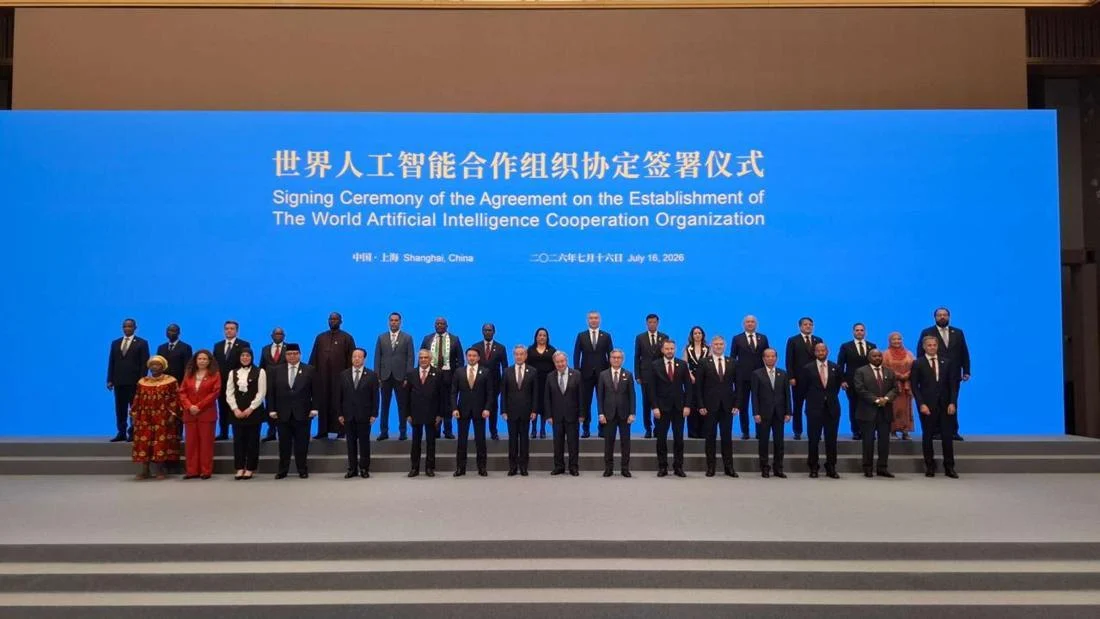
Indonesia has officially cemented its position as a key player in the burgeoning global landscape of artificial intelligence (AI) by becoming one of the 29 founding member states of the World Artificial Intelligence Cooperation Organization (WAICO). This landmark intergovernmental body, established to foster robust international collaboration in the development and governance of AI, marks a significant step towards a more unified and responsible approach to this transformative technology. The formal establishment of WAICO, underscored by the signing of its foundational charter, took place in Shanghai, China, on July 16, 2026. The Indonesian delegation, a testament to the nation’s commitment, was led by Coordinating Minister for Economic Affairs Airlangga Hartarto, who was accompanied by Deputy Minister of Communication and Digital Angga Raka Prabowo. The significance of WAICO’s formation was further amplified by the presence and endorsement of United Nations Secretary-General António Guterres during the signing ceremony, highlighting the international community’s recognition of the critical need for structured global AI governance.

The Genesis of WAICO: A United Nations-Backed Initiative

The establishment of WAICO emerges against a backdrop of increasing global recognition of AI’s profound impact on societies, economies, and international relations. For years, experts and policymakers have grappled with the dual nature of AI: its immense potential for progress and its inherent risks, including ethical dilemmas, issues of bias, privacy concerns, and the potential for misuse. The rapid pace of AI development, often outpacing regulatory frameworks, necessitated a dedicated international platform to guide its trajectory. WAICO is conceived as an independent, non-profit, intergovernmental organization operating under the overarching framework of the United Nations. This unique positioning grants it a broad mandate and legitimacy, distinguishing it from regional or sector-specific AI initiatives.

The primary objective of WAICO is multifaceted: to strengthen global cooperation in promoting AI innovation while simultaneously ensuring that its development is open, inclusive, responsible, and universally beneficial. Unlike previous dialogues that often centered around technologically advanced nations, WAICO’s foundation reflects a broader commitment to ensuring that the benefits of AI are accessible to all countries, particularly developing ones, and that its governance reflects a diverse range of perspectives. The UN’s involvement, symbolized by Secretary-General Guterres’s presence, underscores a collective aspiration to leverage AI for sustainable development goals, mitigate its risks, and prevent a deepening of the digital divide. The move to establish such an organization reflects a growing global consensus that AI’s cross-border implications demand a concerted, multilateral response, rather than fragmented national or regional approaches.

A Chronology of Collaboration: From Shanghai to Global Dialogue

The journey towards WAICO’s formal establishment involved extensive preparatory work and diplomatic engagements. While the specifics of the pre-founding negotiations are still emerging, the selection of Shanghai as the host city for the signing ceremony on July 16, 2026, signals China’s active role and commitment to fostering international AI cooperation. China, a major player in AI research and application, has consistently advocated for global dialogue on AI governance, positioning itself as a proponent of multilateralism in technological development. The high-level representation from Indonesia, with both a Coordinating Minister and a Deputy Minister attending, illustrates the strategic importance Jakarta places on this initiative.

The signing ceremony itself was not merely a formality but a symbolic convergence of nations committed to shaping the future of AI responsibly. Following this pivotal event, the Indonesian delegation, led by Deputy Minister Angga Raka Prabowo, actively participated in an "Informal Preparatory Session on the Establishment of WAICO" held on July 17, 2026. This follow-up meeting was crucial for laying the groundwork for the organization’s operational framework. Discussions during this session likely centered on immediate next steps, including the appointment of interim leadership, the drafting of initial work plans, and identifying priority areas for collaboration. For Indonesia, leading a session at such an early stage demonstrates its intent to be an active contributor rather than a passive participant, influencing WAICO’s direction from its very inception. This chronology underscores a rapid progression from foundational agreement to practical implementation, reflecting the urgency felt by member states to operationalize WAICO’s mandate.

Defining WAICO’s Mandate: Fostering Responsible and Inclusive AI

WAICO’s mandate extends beyond mere innovation; it seeks to embed principles of ethics, inclusivity, and shared benefit into the core of AI development. As an intergovernmental body, it will provide a unique forum for member states to deliberate on AI policies, share best practices, and collectively address challenges that transcend national borders. Its non-profit nature ensures that its focus remains on public good rather than commercial interests, aligning with the UN’s broader development agenda.

The organization’s specific functions are comprehensive:

  1. Capacity Building for Human Resources: This will involve facilitating training programs, workshops, and educational initiatives to equip professionals and policymakers in member states, especially developing ones, with the skills necessary to develop, deploy, and govern AI effectively. It aims to bridge knowledge gaps and foster a globally competent AI workforce.
  2. Expanding Access to AI Technology: WAICO will work towards democratizing access to AI tools, platforms, and infrastructure. This could include promoting open-source AI initiatives, facilitating technology transfer, and advocating for policies that reduce barriers to entry for countries seeking to adopt and adapt AI solutions.
  3. Strengthening Coordination of AI Development Strategies: By providing a platform for dialogue, WAICO intends to harmonize national AI strategies, prevent regulatory fragmentation, and foster interoperability between different AI systems. This coordination is vital to avoid a ‘race to the bottom’ in AI governance and ensure a coherent global approach.
  4. Promoting the Development of International AI Governance and Ethics: This is arguably WAICO’s most critical function. It will involve developing common norms, standards, and best practices for ethical AI. Key areas of focus will likely include data privacy, algorithmic bias, accountability frameworks, transparency requirements, and the societal impact of autonomous systems. The goal is to create a robust ethical framework that guides AI development across diverse cultural and legal contexts.

The emphasis on "open, inclusive, responsible, and beneficial" development is crucial. It signifies a departure from a purely technological perspective, acknowledging the need for AI to serve humanity’s best interests, protect fundamental rights, and contribute to sustainable development rather than exacerbate existing inequalities or create new vulnerabilities. The diversity of its founding members further reinforces this commitment to inclusivity, ensuring that the voices and needs of countries at varying stages of digital development are heard and integrated into global AI policy.

Indonesia’s Strategic Imperative: Catalysing National Digital Transformation

For Indonesia, joining WAICO as a founding member is not merely a diplomatic gesture but a strategic imperative deeply intertwined with its national digital transformation agenda. As the largest economy in Southeast Asia, Indonesia has ambitious goals to become a leading digital economy, leveraging technology to drive economic growth, improve public services, and enhance societal well-being. AI is recognized as a pivotal enabler of this vision.

The benefits for Indonesia are multi-layered:

  1. Active Role in Global AI Policy Formulation: Membership provides Indonesia with a direct seat at the table where global AI policies, norms, and standards are being shaped. This allows Jakarta to advocate for its national interests, ensure that global guidelines are culturally sensitive and applicable to its unique context, and champion the needs of developing nations. It is an opportunity to move from being a technology consumer to a technology co-creator and co-regulator on the international stage.
  2. Expanded International Cooperation: WAICO facilitates unparalleled opportunities for collaboration in technology, investment, research, and the development of Indonesia’s AI ecosystem. This could translate into:
    • Technology Transfer: Gaining access to advanced AI research and applications from other member states.
    • Joint Research and Development: Collaborating on projects in areas critical to Indonesia, such as smart cities, disaster management, agriculture tech, and healthcare AI.
    • Investment Attraction: Positioning Indonesia as an attractive destination for foreign direct investment in AI startups, data centers, and digital infrastructure.
    • Talent Exchange: Participating in programs that foster knowledge sharing and skill development among AI professionals globally.
  3. Acceleration of National Digital Transformation: WAICO is seen as a catalyst for Indonesia’s broader digital economy goals. By aligning its national AI strategy with international best practices and leveraging global expertise, Indonesia can:
    • Boost AI-driven Sectors: Foster the growth of high-value-added sectors like fintech, e-commerce, smart manufacturing, and the creative economy, which are increasingly reliant on AI.
    • Enhance Human Capital: Develop a skilled workforce capable of innovating and deploying AI solutions, addressing the critical shortage of AI talent.
    • Strengthen Regulatory Frameworks: Inform and refine its national AI strategy, ethics guidelines, and data protection laws based on internationally agreed principles, ensuring a robust and trustworthy AI environment.
    • Drive Economic Growth: Position AI as a new source of economic growth, attracting investment and creating high-quality jobs, thereby contributing to the national target of becoming a top-tier global economy.

Indonesia’s participation signals its proactive stance in ensuring that the future of AI is not only technologically advanced but also equitable and beneficial for all segments of its society.

Voices from the Delegation: Commitment to Ethical and Collaborative AI

The official statements from the Indonesian delegation underscore the strategic importance of WAICO membership. Deputy Minister of Communication and Digital Angga Raka Prabowo emphasized the crucial timing of this involvement. "Indonesia’s participation in WAICO is a strategic moment to strengthen national AI governance that is aligned with international best practices, while also opening avenues for cross-country collaboration in developing an inclusive and responsible AI ecosystem," Angga stated, as quoted from a press release on Saturday, July 18, 2026. This statement highlights Indonesia’s dual objective: to refine its domestic AI policies by learning from global standards and to actively contribute to shaping those standards. The emphasis on "inclusive and responsible" AI reflects a national commitment to ethical AI development that serves societal good.

While specific quotes from Coordinating Minister for Economic Affairs Airlangga Hartarto regarding WAICO at the time of the event were not provided in the original text, it is logical to infer his perspective given his leadership role in the delegation and his portfolio. He would likely emphasize the economic potential and strategic necessity of this collaboration. "Artificial intelligence holds immense promise for Indonesia’s economic future, driving innovation across sectors and creating new opportunities for growth and employment," Minister Hartarto might have commented. "Our founding membership in WAICO ensures that Indonesia is not merely a recipient of AI technology but an active architect of its global future, ensuring its development is equitable, sustainable, and aligns with our national development goals. This initiative is pivotal for strengthening our digital economy and securing our competitive edge in the global arena."

Furthermore, the presence of UN Secretary-General António Guterres lends significant weight to WAICO’s mission. His participation at the signing ceremony likely came with a statement reinforcing the UN’s commitment to multilateralism in addressing global challenges. Secretary-General Guterres would have stressed the urgent need for a global framework to govern AI, stating, "The rise of artificial intelligence presents both unprecedented opportunities and profound risks for humanity. It is imperative that we establish inclusive global governance mechanisms to harness AI’s potential for good while mitigating its dangers. WAICO represents a critical step towards building a shared understanding and common principles for AI, ensuring it serves all of humanity, leaves no one behind, and respects human rights." These inferred statements collectively paint a picture of a broad, multi-stakeholder commitment to shaping a positive and responsible future for AI.

A Global Coalition: The Diverse Founding Members of WAICO

The composition of WAICO’s founding members is particularly noteworthy. Beyond Indonesia, the list of 28 other nations includes a diverse array of countries, predominantly from the Global South, such as China, Brazil, Russia, Malaysia, South Africa, Pakistan, Kazakhstan, Uzbekistan, Serbia, Kenya, Ethiopia, Venezuela, and Zambia. This broad geographic and economic representation distinguishes WAICO from other AI governance initiatives that have historically been dominated by Western industrial powers (e.g., the G7 Hiroshima AI Process or the OECD AI Principles).

The inclusion of a significant number of developing and emerging economies suggests a collective desire to ensure that AI governance is not dictated solely by a few technologically advanced nations. It implies a recognition that the impact of AI is global and that its ethical and regulatory frameworks must reflect a wider range of societal values, developmental priorities, and geopolitical perspectives. For many of these nations, AI offers a pathway to accelerate economic development, improve public services, and address pressing societal challenges, but they also face unique challenges related to infrastructure, data privacy, and the potential for technological dependency.

This diverse membership means that WAICO’s discussions will likely encompass a broader spectrum of issues, including digital sovereignty, equitable access to AI resources, capacity building in regions with limited technological infrastructure, and the prevention of AI-driven inequalities. The collaboration between countries with differing political systems and economic models could foster a more robust and universally applicable set of AI governance principles, making WAICO a truly global forum for AI cooperation.

Navigating the Future: Challenges and Opportunities for WAICO and Indonesia

While WAICO’s formation represents a significant milestone, its journey forward will not be without challenges. The very diversity that strengthens its inclusivity could also pose difficulties in reaching consensus on complex issues. Differing national priorities, regulatory philosophies, and ethical frameworks among member states will require careful negotiation and compromise. Funding, institutional structure, and the ability to translate high-level principles into actionable policies will be critical to WAICO’s long-term effectiveness. Furthermore, WAICO will need to carve out its unique niche in an already crowded landscape of AI governance initiatives, ensuring its efforts complement rather than duplicate existing work.

For Indonesia, the opportunities presented by WAICO membership are immense, but so are the responsibilities. The nation will need to:

  1. Develop Robust National AI Strategy: Translate international best practices and WAICO’s guidelines into a coherent and enforceable national AI strategy that addresses its unique socio-economic context.
  2. Bridge the Digital Divide: Ensure that the benefits of AI are distributed equitably across its vast archipelago, preventing further marginalization of remote or underserved communities.
  3. Cultivate Talent and Innovation: Invest significantly in AI education, research, and startup ecosystems to foster local innovation and reduce reliance on foreign technology.
  4. Uphold Ethical Standards: Implement strong ethical guidelines and regulatory frameworks for AI development and deployment within the country, ensuring data privacy, algorithmic fairness, and accountability.
  5. Attract Investment: Leverage its WAICO membership to attract global investment into its AI sector, demonstrating a commitment to a stable and predictable regulatory environment.

Indonesia’s active engagement in WAICO’s initial preparatory sessions indicates its proactive approach to these challenges. By taking a leadership role early on, Indonesia can help shape the organization’s agenda to address issues most pertinent to developing countries, ensuring that WAICO truly serves its mandate of inclusive and responsible AI development. The future success of WAICO, and Indonesia’s role within it, will depend on sustained commitment, effective collaboration, and a shared vision for AI that prioritizes human well-being and global cooperation.

Conclusion: Paving the Way for a Shared AI Future

Indonesia’s founding membership in the World Artificial Intelligence Cooperation Organization marks a pivotal moment in its digital journey and in the global effort to govern AI responsibly. By joining forces with 28 other nations under the auspices of the United Nations, Indonesia is not only securing a seat at the table where the future of AI is being decided but also actively contributing to shaping a framework that is inclusive, ethical, and beneficial for all. This collaboration is set to significantly accelerate Indonesia’s national digital transformation, foster innovation, and solidify its position as a proactive leader in the global technological landscape. As WAICO embarks on its mission to foster collaboration, capacity building, and the development of global AI governance, Indonesia’s commitment to an "inclusive and responsible AI ecosystem" will be instrumental in paving the way for a shared and prosperous AI future.

July 18, 2026 0 comment
0 FacebookTwitterPinterestEmail
Technology

Infinix Reaffirms AIoT Ambitions with Launch of TV X5Q 43 QLED Smart TV and Expanded Smart Ecosystem in Indonesia

by admin July 18, 2026
written by admin

Infinix, a rapidly ascending technology brand, has significantly bolstered its presence in Indonesia’s burgeoning Artificial Intelligence of Things (AIoT) market with the introduction of the Infinix TV X5Q 43, a new 43-inch QLED Smart TV, alongside a suite of complementary smart devices. Priced competitively from Rp3,399,000, this launch marks Infinix’s strategic re-entry into the Indonesian Smart TV segment with a more advanced offering, signaling a serious commitment to developing a comprehensive smart ecosystem that extends well beyond its traditional smartphone stronghold. This move positions Infinix not merely as a smartphone manufacturer but as a holistic provider of interconnected smart living solutions, aiming to capture a larger share of the increasingly tech-savvy Indonesian consumer market.

The unveiling of the Infinix TV X5Q 43 is particularly noteworthy as it represents a clear evolution in the brand’s product strategy within the Smart TV category. After its initial foray into the market, Infinix is now focusing on delivering enhanced visual and auditory experiences, coupled with sophisticated AI-driven functionalities. This approach reflects a growing trend among consumers who seek premium features and intelligent integration without compromising on value. By introducing a QLED panel, AI-Powered HyperEngine, and robust audio capabilities powered by Dolby Audio, Infinix is directly addressing the demands for higher quality entertainment experiences in the home, setting a new benchmark for its offerings in this dynamic market.

A Strategic Timeline: Infinix’s Journey into Smart TVs

Infinix’s engagement with the Indonesian Smart TV market is a deliberate, multi-stage strategy that began a few years ago. While the brand initially concentrated its efforts on carving out a significant niche in the smartphone and, to a lesser extent, laptop sectors, its long-term vision always included a broader AIoT ecosystem. The foundation for this current launch was laid with key milestones:

  • April 2024: Infinix officially entered the Indonesian smart television market. This inaugural launch saw the brand introduce its first Smart TV models, which notably featured Google TV as their operating system. This initial step was crucial, signifying Infinix’s intent to diversify its product portfolio and integrate its devices into a larger smart home framework, leveraging Google’s robust ecosystem for content and smart functionalities. The emphasis then was on accessibility and providing a smart TV experience to a broad consumer base.
  • November 2025: Building on its initial success and market feedback, Infinix expanded its Smart TV lineup with the release of a 43-inch frameless Smart TV. This model was strategically priced around Rp2,500,000, targeting consumers who desired a modern design aesthetic and smart features at a highly affordable price point. The frameless design was a significant visual upgrade, catering to the aesthetic preferences of contemporary households looking for sleek, immersive viewing experiences without breaking the bank.
  • Present Day (2026): The launch of the Infinix TV X5Q 43 marks the latest and most significant stride in this chronology. This model is not just an incremental update but a substantial upgrade in terms of core technology and user experience. By integrating a QLED panel and AI-Powered HyperEngine, Infinix is signaling a pivot towards delivering higher performance and more sophisticated features. This progression illustrates a clear trajectory: from establishing a foothold with competitive entry-level models to now offering mid-range premium options that challenge established players in terms of technology and value. This strategic evolution underscores Infinix’s ambition to cater to a wider spectrum of consumer needs and preferences within the smart home segment.

Unpacking the Infinix TV X5Q 43: A Leap in Home Entertainment

The Infinix TV X5Q 43 stands out with a suite of advanced specifications designed to elevate the home entertainment experience. Unlike its predecessors, which often prioritized aggressive pricing, this new model emphasizes significant technological enhancements.

  • QLED Display Technology: At the heart of the TV X5Q 43 is its 43-inch Full HD QLED (Quantum Dot Light Emitting Diode) panel. This technology represents a substantial upgrade from traditional LED-backlit LCD screens. QLED panels incorporate a layer of quantum dots, nanocrystals that emit highly precise colors when illuminated by a blue LED backlight. This results in a dramatically wider color gamut and improved brightness compared to conventional LCDs. Infinix claims the panel can reproduce over 1 billion colors, translating into images that are exceptionally rich, vibrant, and lifelike, with enhanced contrast and deeper blacks. The inclusion of HDR10 support further amplifies the visual fidelity, allowing for a broader range of luminosity and color detail in compatible content, making bright scenes appear brighter and dark scenes more detailed. The IPS (In-Plane Switching) panel technology ensures wide viewing angles, meaning color accuracy and contrast are maintained even when viewed from the sides, making it ideal for family viewing.
  • Premium Frameless Design: Beyond its display technology, the TV X5Q 43 boasts a sophisticated design. It features a frameless metal bezel, creating a sleek and modern aesthetic that allows the display to dominate the viewing experience. With a screen-to-body ratio reaching an impressive 96 percent, the television offers an immersive visual experience with minimal distraction from the frame. This design choice aligns with contemporary interior aesthetics, allowing the TV to seamlessly integrate into various home environments while adding a touch of elegance.
  • AI-Powered HyperEngine: A key differentiator for the TV X5Q 43 is its AI-Powered HyperEngine. This intelligent processing unit is designed to dynamically optimize both picture and audio quality in real-time. By analyzing the content being played, the HyperEngine can automatically adjust parameters such as brightness, contrast, color saturation, and audio profiles. For instance, when watching a sports match, it might enhance motion clarity and crowd ambiance; for movies, it could deepen cinematic tones and dialogue clarity. This adaptive intelligence ensures that users consistently receive the best possible viewing and listening experience without manual adjustments.
  • Eye Care and Viewing Comfort: Recognizing the importance of viewer well-being, Infinix has integrated several features aimed at eye comfort. "Super Bright" technology ensures optimal visibility even in brightly lit rooms, while "Eye Care Flicker Free" technology reduces screen flicker, a common cause of eye strain during prolonged viewing. Additionally, the TV offers various customizable color modes, allowing users to tailor the display settings to their specific preferences or content types, whether for cinematic immersion, vibrant sports, or optimized gaming.
  • Google TV 5.0: The Gateway to Entertainment: The Smart TV experience is powered by Google TV 5.0, a highly intuitive and feature-rich operating system built on Android TV. Google TV aggregates content from across various streaming services and apps, presenting personalized recommendations based on viewing habits and preferences directly on the home screen. This eliminates the need to jump between different applications, streamlining content discovery. Users gain access to a vast ecosystem of applications from the Google Play Store, including popular streaming platforms like Netflix, YouTube, Disney+, Amazon Prime Video, and many local Indonesian services. Integrated Google Assistant allows for hands-free voice control, enabling users to search for content, control smart home devices, get answers to questions, and manage TV settings simply by speaking into the remote. Furthermore, built-in Chromecast functionality facilitates effortless casting of photos, videos, and music from compatible smartphones or tablets directly to the TV screen, enhancing connectivity and content sharing.
  • Immersive Audio with Dolby Audio: Complementing its visual prowess, the TV X5Q 43 features a robust audio system. It is equipped with dual stereo speakers delivering a total output of 24W, providing ample volume and clarity for typical living spaces. Crucially, the system supports Dolby Audio, a widely recognized standard for high-quality surround sound. Dolby Audio enhances the depth, clarity, and richness of the sound experience, creating a more immersive sonic landscape. Coupled with AI Sound technology, the audio system can intelligently adapt its characteristics based on the type of content being played, ensuring dialogues are clear, music is vibrant, and action sequences are impactful.

Expanding the AIoT Ecosystem: More Than Just a TV

The launch of the Infinix TV X5Q 43 was not an isolated event but part of a broader strategy to expand Infinix’s AIoT ecosystem. Several other smart devices were introduced concurrently, all designed to integrate seamlessly into a connected lifestyle:

  • Infinix XBUDS H5: These new wireless earbuds aim to deliver a premium audio experience. Key features include advanced Bluetooth connectivity, ensuring stable and efficient pairing with devices. The XBUDS H5 boasts Spatial 3D Audio, which creates an immersive soundstage, making listeners feel as if sound is coming from all around them, enhancing music, movie, and gaming experiences. With an impressive battery life of up to 30 hours, these earbuds are designed for extended use throughout the day. Environmental Noise Cancellation (ENC) technology is also integrated, effectively reducing background noise during calls, ensuring clear communication even in noisy environments.
  • Infinix GTPOWER POD 10K: Addressing the universal need for portable power, the GTPOWER POD 10K is a high-capacity power bank. With a 10,000 mAh battery, it can provide multiple charges for smartphones and other small devices. It supports 45W fast charging, significantly reducing the time required to power up compatible devices. A standout feature is the inclusion of both built-in USB-C and Lightning cables, offering universal compatibility and eliminating the need for users to carry separate charging cables, making it an extremely convenient accessory for on-the-go power.
  • Infinix XPOCKET FAN and XPOCKET FAN Pro: Recognizing the demands of outdoor activities and warmer climates, Infinix introduced the XPOCKET FAN and its Pro variant. These portable fans are designed for personal cooling on the go. The Pro version offers an extended battery life of up to 14 hours, providing sustained relief during long outings or commutes. Their compact and lightweight design makes them easy to carry, reflecting Infinix’s commitment to providing practical and user-centric accessories that enhance daily mobility and comfort.

Pricing, Availability, and Value Proposition

The Infinix TV X5Q 43 is available at a launch price of Rp3,399,000 through Infinix’s official online stores. For purchases made through authorized retail partners, the price is set at Rp3,699,000. While this pricing is higher than the 43-inch Smart TV released by Infinix in 2025, the increase is directly correlated with the significant technological advancements and enhanced feature set of the X5Q 43.

The value proposition of the TV X5Q 43 is compelling. Consumers are getting a QLED panel, a technology typically found in higher-priced televisions, combined with the intelligent optimization of the AI-Powered HyperEngine, the comprehensive smart features of Google TV 5.0, and the immersive audio experience provided by Dolby Audio. This strategic pricing allows Infinix to offer a "mid-range premium" television experience that delivers substantial upgrades over basic Smart TVs, yet remains considerably more accessible than high-end QLED or OLED models from established premium brands.

Market Implications and Broader Impact

Infinix’s latest launch carries several significant implications for the brand, the Indonesian consumer electronics market, and consumers alike:

  • For Infinix: This move solidifies Infinix’s transition from a smartphone-centric brand to a comprehensive AIoT ecosystem player. It diversifies its revenue streams and reduces reliance on a single product category. By offering a more premium Smart TV and a range of smart accessories, Infinix enhances its brand perception, moving beyond a purely budget-focused image to one that also emphasizes innovation and value-for-money technology. This strategy is crucial for building long-term brand loyalty and expanding its user base beyond the youth segment.
  • For the Indonesian Market: The introduction of a feature-rich QLED Smart TV at a competitive price point intensifies competition within the Indonesian Smart TV segment. Established players like Samsung, LG, Sony, Xiaomi, Realme, and Coocaa will likely face increased pressure to innovate and offer compelling value propositions. This competition is generally beneficial for consumers, as it often leads to better products, more aggressive pricing, and a wider array of choices. The expansion of Infinix’s AIoT portfolio also contributes to the overall growth and maturation of the smart home market in Indonesia, fostering greater adoption of interconnected devices.
  • For Consumers: Indonesian consumers stand to benefit significantly from this launch. They gain access to advanced display technologies like QLED and sophisticated AI-driven features that were once confined to much higher price brackets. The integrated Google TV 5.0 platform ensures a seamless and personalized entertainment experience, while the expanded AIoT offerings provide practical solutions for daily needs, from enhanced audio to portable power and personal comfort. This means consumers can build a more integrated and intelligent home ecosystem without incurring prohibitive costs, aligning with the growing desire for convenience and connectivity in modern living.

In conclusion, the launch of the Infinix TV X5Q 43 and its accompanying AIoT products represents a pivotal moment for Infinix. It underscores the company’s ambition to be a leading force in the broader smart device landscape, offering a compelling blend of cutting-edge technology, elegant design, and accessible pricing. By focusing on quality upgrades and ecosystem integration, Infinix is strategically positioning itself to cater to the evolving demands of Indonesian consumers, further cementing its position as a dynamic and influential player in the country’s rapidly advancing technology sector.

July 18, 2026 0 comment
0 FacebookTwitterPinterestEmail
Technology

ASUS Republic of Gamers Launches Next-Generation ROG Swift OLED Monitors in Indonesia, Pioneering True Tandem RGB OLED Technology

by admin July 18, 2026
written by admin

ASUS Republic of Gamers (ROG) has officially announced the highly anticipated launch of its latest premium gaming monitor lineup in the Indonesian market: the ROG Swift OLED PG27UCWM and ROG Swift OLED PG32UCWM. This introduction marks a significant stride in display technology, bringing cutting-edge visual performance and advanced thermal management to competitive gamers and professional content creators alike. These two state-of-the-art visual display units are engineered with a 4K True Tandem RGB OLED panel architecture, promising unprecedented levels of contrast, color saturation, and power efficiency that significantly surpass conventional display panels. The strategic debut in Indonesia underscores the region’s burgeoning importance in the global gaming and creative industries, where demand for high-performance hardware continues to accelerate.

This innovation directly addresses a long-standing dilemma faced by high-performance users: the trade-off between achieving ultra-high resolutions and maintaining lightning-fast refresh rates. For years, gamers and creators often had to compromise, choosing between the pixel density of 4K or the fluid motion of high refresh rates. The new ROG Swift OLED series aims to eliminate this compromise, offering an unparalleled balance. ASUS achieves this equilibrium through the integration of an advanced anti-static layer, a revolutionary new thermal management system, and sophisticated artificial intelligence (AI) capabilities, all designed to deliver absolute performance stability and longevity in a single, flagship device. The move represents ROG’s unwavering commitment to pushing the boundaries of gaming hardware, solidifying its position at the forefront of display innovation.

The Evolution of Gaming Displays: A Contextual Overview

The journey of gaming displays has been one of continuous evolution, from the bulky Cathode Ray Tube (CRT) monitors of yesteryear, known for their zero input lag and high refresh rates, to the widespread adoption of Liquid Crystal Display (LCD) technology. LCDs brought larger screens, thinner profiles, and higher resolutions but often struggled with black levels, contrast ratios, and response times compared to CRTs. The subsequent advent of LED backlighting improved contrast and power efficiency, leading to the rise of various panel types like IPS (In-Plane Switching) for superior color accuracy and viewing angles, and VA (Vertical Alignment) for deeper blacks.

However, the quest for the ultimate visual experience persisted, leading to the emergence of Organic Light-Emitting Diode (OLED) technology. OLED panels fundamentally differ from LCDs by having self-emissive pixels, meaning each pixel generates its own light. This allows for perfect blacks (by turning off individual pixels), infinite contrast, and extremely fast response times—qualities highly coveted by competitive gamers and visual professionals. Despite these advantages, early OLED implementations faced challenges, primarily related to potential burn-in (permanent image retention from static elements) and lower peak brightness compared to some LCDs. ASUS ROG’s latest monitors are a testament to how manufacturers are aggressively tackling these historical limitations, bringing OLED to the mainstream premium gaming segment with enhanced reliability and performance. The decision to launch these advanced displays in Indonesia reflects the country’s dynamic and growing market for high-performance computing, where gamers and content creators are increasingly investing in cutting-edge technology.

Unveiling Unprecedented Visual Fidelity: The True Tandem RGB OLED Advantage

The primary allure of both the ROG Swift OLED PG27UCWM and ROG Swift OLED PG32UCWM lies in their groundbreaking use of a True RGB Stripe OLED structure, harmoniously paired with a TrueBlack Glossy™ display layer. This technical architecture represents a significant departure from standard WOLED (White OLED) panels, which are commonly found in many consumer OLED displays. WOLED panels typically incorporate an additional white subpixel alongside the red, green, and blue subpixels to boost overall brightness. While effective in increasing luminance, this approach can sometimes dilute color saturation and accuracy, particularly at higher brightness levels, as the white subpixel can wash out the primary colors.

In contrast, the True RGB Stripe OLED architecture meticulously eliminates this white subpixel. Instead, it relies solely on dedicated red, green, and blue subpixels to generate all colors and luminance directly. This direct emission of RGB light ensures a purer, more accurate color representation across the entire brightness spectrum. Furthermore, the "Tandem" aspect of this OLED technology, typically referring to a dual-layer emissive structure, significantly enhances both brightness output and panel longevity. By stacking two OLED emissive layers, the display can achieve higher peak brightness levels without overdriving individual pixels, thereby reducing stress on the organic materials and mitigating the risk of burn-in. This dual-layer design also contributes to improved power efficiency and extended lifespan, addressing two critical concerns previously associated with OLED technology. This advanced panel technology, likely sourced from leading OLED manufacturers, represents a pinnacle of display engineering for consumer-grade monitors.

For the end-user, this advanced panel design translates into three profoundly visible visual advantages:

  1. Unrivaled Color Accuracy and Saturation: By removing the white subpixel, the monitors can render colors with exceptional fidelity and vibrancy, closer to their intended appearance. This is crucial for content creators who demand precise color reproduction for their work and for gamers seeking the most immersive and lifelike visual experiences. The wider color gamut and higher color volume ensure that even the most subtle nuances of a scene are accurately displayed, providing a professional-grade visual canvas.
  2. Deeper, More Authentic Blacks: The self-emissive nature of OLED pixels means that when a pixel needs to display black, it simply turns off. This results in truly infinite contrast ratios, where blacks are absolute and indistinguishable from the bezel of the monitor. The absence of a white subpixel further ensures that these blacks remain pure and unadulterated, providing an unparalleled sense of depth and realism to images. This infinite contrast is a hallmark of OLED and a major differentiator from even the best LCD technologies.
  3. Higher Peak Brightness with Enhanced HDR Experience: The Tandem OLED structure allows these monitors to achieve higher peak brightness levels compared to single-layer OLED designs. This is particularly impactful for High Dynamic Range (HDR) content, where bright highlights can truly pop against deep shadows, creating a more dynamic and impactful visual experience. The combination of perfect blacks and dazzling highlights makes HDR content appear breathtakingly realistic, bringing games and movies to life with incredible detail and contrast that surpasses conventional displays.

All these superior visual qualities are further complemented by an almost instantaneous response time of merely 0.03ms (Gray-to-Gray). This near-zero response time is a game-changer for competitive gaming, as it effectively eliminates motion blur and ghosting—the undesirable trails or shadows that can appear behind fast-moving objects on slower displays. In fast-paced action sequences, every pixel transition is rendered with absolute clarity, providing gamers with a crucial competitive edge by ensuring that what they see on screen is an accurate, real-time representation of the game world, free from visual artifacts. This response time significantly outperforms even the fastest IPS panels, which typically range from 1ms to 5ms.

Addressing the Longevity Challenge: ASUS’s Innovative Burn-in Prevention

One of the most significant concerns for prospective OLED users has historically been the risk of burn-in, or permanent image retention, caused by static elements displayed over extended periods and exacerbated by extreme heat. ASUS has meticulously engineered solutions to decisively address this challenge, integrating both hardware and software innovations into the new ROG Swift OLED series.

To combat overheating at the hardware level, ASUS has completely revamped the power module design, incorporating GaNFET (Gallium Nitride Field-Effect Transistor) technology. Gallium Nitride (GaN) is a revolutionary wide-bandgap semiconductor material that offers superior electrical properties compared to traditional silicon-based MOSFETs. GaNFETs can operate at higher voltages and temperatures, switch much faster, and exhibit lower resistance when conducting current. In practical terms, this means that the power delivery system within the monitor can operate with significantly greater efficiency, converting more electrical energy into useful power and dissipating substantially less as waste heat.

This material revolution translates into tangible benefits for monitor longevity and performance: GaNFET technology massively boosts power efficiency, resulting in a remarkable reduction in heat production by up to 35 percent. Concurrently, it leads to a 10 percent decrease in ventilation temperatures. By generating less heat internally, the entire system operates cooler, which is paramount for preserving the integrity of the delicate OLED panel and its associated components, thereby greatly diminishing the risk of burn-in. This engineering feat not only extends the lifespan of the monitor but also contributes to its overall reliability and sustained peak performance.

Beyond robust hardware protection, these monitors are also equipped with the latest generation of ASUS’s intelligent software suite, OLED Care Pro. This comprehensive set of features is designed to actively monitor and manage the OLED panel’s health, offering proactive measures to prevent image retention:

  • AI-Powered Pixel Cleaning: This intelligent function periodically runs a pixel refresh cycle, typically when the monitor is in standby or powered off. It subtly shifts pixels and adjusts their luminance uniformity over time, effectively rejuvenating the panel and preventing static images from leaving permanent marks. The AI aspect allows for more intelligent scheduling and execution based on actual usage patterns, optimizing the cleaning process without user intervention.
  • Logo Luminance Limiter: Many user interfaces, games, and applications feature static logos or HUD elements that remain on screen for extended periods. The Logo Luminance Limiter intelligently detects these static bright areas and automatically reduces their brightness without affecting the rest of the display. This subtle adjustment significantly lowers the risk of burn-in in these vulnerable zones, often imperceptible to the user during normal operation.
  • Static Screen Detection: This feature actively monitors the display for prolonged periods of static content. If the monitor detects that the screen has remained largely unchanged for an extended duration, it can trigger alerts or automatically engage pixel shifting or dimming functions to protect the panel. This is particularly useful during extended work sessions or pauses in gameplay where the display might otherwise remain static, acting as an invisible guardian for the display’s health.

By combining the inherent advantages of the True Tandem RGB OLED panel with the advanced thermal management of GaNFETs and the intelligent preventative measures of OLED Care Pro, ASUS aims to provide users with an OLED experience that is not only visually stunning but also reliably durable, alleviating the traditional anxieties associated with the technology. This holistic approach underscores ASUS’s commitment to delivering a premium product with long-term peace of mind.

The Dawn of Intelligent Displays: AI Agent Control and Seamless Connectivity

Embracing the era of pervasive artificial intelligence, the ROG Swift OLED series is designed to be "AI agent-ready." This groundbreaking capability is powered by the integrated ASUS Display Control CLI (Command Line Interface) and Agent Skill features, empowering users to intuitively manage and customize their monitor settings using natural language commands. This represents a significant leap from traditional on-screen display (OSD) menus, offering a more streamlined and personalized user experience.

Imagine being able to simply tell your monitor to adjust its settings. For instance, a user could command the AI system to create a "Morning Profile" that automatically increases brightness and disables blue light filters, optimizing the display for daylight viewing and enhanced alertness. Conversely, a "Night Profile" could be activated to automatically shift the color temperature to a warmer 4000K, reducing eye strain and promoting better sleep hygiene. Beyond these examples, the potential applications are vast:

  • Gaming-Specific Profiles: Users could create profiles for different game genres, e.g., "FPS Mode" to optimize response time and crosshair overlays, or "RPG Mode" for enhanced color vibrancy and cinematic feel. The AI could even learn preferences based on the games being played.
  • Productivity Mode: Automatically adjust settings for text clarity, multi-window layouts, and specific color spaces for design work, ensuring optimal conditions for various professional tasks.
  • Dynamic Adjustments: Request the AI to "reduce glare" or "boost shadow detail" in real-time, allowing for on-the-fly optimization without navigating complex menus, providing immediate visual enhancements.
  • Scheduled Maintenance: Integrate OLED Care Pro routines into daily schedules, ensuring the panel is regularly maintained without user intervention, maximizing its lifespan.

This level of AI integration transforms the monitor from a passive output device into an intelligent, responsive assistant, adapting to the user’s workflow and preferences with unprecedented ease. It aligns with the broader industry trend of smart devices that learn and anticipate user needs, paving the way for a more intuitive interaction with technology, blurring the lines between hardware and software.

Robust Connectivity for the Future of Gaming and Creation

The ROG Swift OLED monitors are not only visually and intelligently advanced but also engineered with robust connectivity options to meet the demanding requirements of current and next-generation hardware.

A standout feature is the inclusion of DisplayPort 2.1a, providing an astounding bandwidth supply of 80Gbps. This is a critical upgrade over previous DisplayPort versions, as it enables the transmission of uncompressed 4K resolution content at extremely high refresh rates (e.g., 240Hz and beyond) without any visual compromise. Older DisplayPort standards often required Display Stream Compression (DSC) to achieve such high resolutions and refresh rates, which, while highly efficient, could introduce minor artifacts or latency in some scenarios. With DisplayPort 2.1a, users can enjoy pristine, uncompressed visuals, ensuring every detail and every frame is rendered perfectly. This future-proof connectivity ensures the monitors are ready to handle the immense rendering power of upcoming graphics card generations without any bottleneck.

Furthermore, the integration of USB-C with 90-watt power transmission (Power Delivery – PD) offers unparalleled convenience and versatility. This single-cable solution allows users to connect compatible laptops, tablets, or other devices to the monitor, simultaneously transmitting video, data, and power. For laptop users, this means a cleaner desk setup, as they can charge their device directly from the monitor, eliminating the need for a separate power adapter. It also facilitates easy connectivity for peripherals such as external drives, transforming the monitor into a central hub for a minimalist yet powerful workstation

July 18, 2026 0 comment
0 FacebookTwitterPinterestEmail
Technology

Five Popular Android Applications Not Recommended by Security Experts Despite Millions of Downloads

by admin July 18, 2026
written by admin

A prominent hardware engineer at Cisco Systems has issued a stark warning regarding several widely used Android applications, some boasting hundreds of millions, even over a billion, downloads. Pankil Shah, a Hardware Engineer at Cisco Systems, underscores that the sheer volume of downloads for an application should never be considered a reliable indicator of its safety, privacy, or necessity. His observations, reported by Android Authority on Friday, July 17, 2026, highlight a concerning trend where user adoption often outpaces critical evaluation, leading individuals to install apps that may compromise their digital well-being or offer redundant functionalities. Shah emphasizes that while not all popular applications are inherently problematic, a significant number warrant avoidance due to substantial privacy and security concerns, or simply because they attempt to address issues already robustly handled by the Android operating system itself. This expert insight serves as a critical reminder for users to exercise greater scrutiny in their app choices, moving beyond download statistics to evaluate the true value and potential risks associated with each installation.

The Evolving Landscape of Android Security and User Trust

The Android ecosystem, with its vast global reach and open-source foundation, has undergone significant evolution in its security architecture over the past decade. Google has progressively integrated advanced security features directly into the operating system and its core services, aiming to protect users from malware, phishing attempts, and data breaches. Initiatives like Google Play Protect, robust permission models, sandboxing, and secure browsing capabilities are now standard. Despite these advancements, a persistent market exists for third-party applications promising enhanced security, privacy, or performance optimization. Often, these applications gain traction through aggressive marketing, appealing to users’ anxieties about digital threats or their desire for a ‘cleaner’ and ‘faster’ device. However, as Shah points out, many such apps not only fail to deliver genuine added value but can, in fact, introduce new vulnerabilities or engage in questionable data practices that undermine the very privacy they purport to protect. This creates a dichotomy where user perception, often influenced by download numbers and marketing hype, diverges sharply from expert recommendations grounded in technical analysis and security best practices. The challenge for the average user lies in navigating this complex landscape to distinguish truly beneficial tools from those that are either superfluous or outright harmful.

Expert Disclosures: Five Apps Under Scrutiny

Shah’s analysis pinpoints five specific applications that, despite their widespread popularity and extensive user bases, do not meet his recommendations for secure and efficient Android usage. These applications span various categories, from virtual private networks (VPNs) and password managers to caller ID services, system cleaners, and antivirus software, each presenting unique concerns.

1. Turbo VPN: The Perils of ‘Free’ Privacy

Turbo VPN stands out as a prime example of a popular application with a troubled past regarding data practices and opaque affiliations. Over the years, numerous reports have surfaced questioning its privacy policies and its reported connections to entities based in China. Shah critically notes that Turbo VPN is representative of a broader issue prevalent among many "free" VPN services that promise unlimited data. The operational costs of running a reliable VPN service—including server infrastructure, bandwidth, and maintenance of secure protocols—are substantial. If users are not directly paying for the service, the business model often relies on alternative revenue streams, which frequently involve monetizing user data through advertising, selling aggregated usage statistics, or even more concerning, logging and sharing user activity.

The irony is profound: users turn to VPNs primarily to enhance their privacy and security by encrypting their internet traffic and masking their IP addresses. However, by selecting an untrustworthy free VPN, they inadvertently expose themselves to greater risks, potentially making their data more vulnerable to collection and exploitation. Reputable VPN providers, such as Proton VPN, which Shah explicitly recommends, operate on a transparent subscription model, clearly outlining their no-logs policies and commitment to user privacy. These providers have established solid track records over several years, adhering to stringent security audits and maintaining trust through consistent performance and ethical data handling. For users seeking a VPN, particularly one with a free tier, prioritizing providers with a long-standing reputation for transparency and security, rather than just raw download numbers, is paramount. The potential compromise of sensitive browsing data and personal information far outweighs the perceived benefit of a "free" service.

2. LastPass: A Crisis of Trust in Password Management

LastPass has historically been a significant name in the realm of password management, a critical tool for digital security. However, Pankil Shah expresses a profound loss of trust in the service, primarily due to a series of severe security incidents that have plagued the company in recent years. The most significant of these was a major security breach in 2022, which profoundly impacted user data. In this incident, attackers successfully infiltrated LastPass’s systems, not only stealing customer data but also gaining unauthorized access to the company’s core security architecture. This level of compromise is particularly alarming for a service entrusted with the master keys to users’ digital lives.

While it is true that no password manager, or any digital service, can claim absolute immunity from sophisticated cyberattacks, the repeated nature and severity of LastPass’s breaches make it difficult for experts like Shah to recommend. The 2022 incident was not an isolated event; LastPass has faced scrutiny for other security lapses in its history, eroding user confidence. The implications of such breaches are far-reaching, potentially exposing encrypted password vaults, sensitive account details, and personal information. The incident raised serious questions about LastPass’s incident response protocols, communication transparency, and the overall robustness of its security infrastructure.

In contrast, Shah advocates for alternatives like Bitwarden, which he personally uses. Bitwarden is an open-source password manager, a characteristic that often instills greater trust in the security community as its code is publicly auditable for vulnerabilities. Furthermore, Bitwarden offers a compelling combination of robust security features and affordability, with premium tiers typically costing around $20 per year. This affordability, coupled with an open-source model and a strong security track record, positions Bitwarden and similar alternatives as superior choices for users seeking reliable and trustworthy password management solutions, especially in light of LastPass’s recent challenges. The choice of a password manager is not merely a convenience; it is a fundamental pillar of personal cybersecurity, and thus, trust in its security integrity is non-negotiable.

3. Truecaller: The Cost of Crowdsourced Caller ID

Truecaller has amassed an enormous user base, boasting over a billion downloads on the Play Store alone, and is also widely used on iOS. Its primary appeal lies in its ability to identify unknown callers, block spam calls, and shield users from unwanted telemarketing interruptions. The effectiveness of Truecaller stems from its unique operating model: it builds a vast, crowdsourced database of contact information by requesting extensive permissions from its users. This means that when a user installs Truecaller and grants it access to their contacts, their entire phonebook — including names, numbers, and potentially other associated data — is uploaded to Truecaller’s servers and contributes to its global database.

Pankil Shah’s primary concern with Truecaller revolves around the sheer volume and intrusive nature of the application permissions it requests. Beyond just contacts, Truecaller often seeks access to call logs, messages, location data, files, photos, videos, and audio recordings. While some of these permissions may be optional, the default requests and the necessity of granting broad access for the app to function optimally raise significant privacy red flags. The act of sharing one’s entire contact list, which includes information about friends, family, and professional contacts who may not have consented to have their data shared with a third party, poses considerable ethical and privacy dilemmas.

Furthermore, the utility of Truecaller has diminished significantly with the advancements in native Android features. Modern Android versions, particularly through the Google Phone app, have integrated sophisticated caller ID and spam blocking functionalities. These native tools leverage Google’s vast database of known spam numbers and continuously updated algorithms to identify and block unwanted calls and messages effectively, often without requiring the extensive data permissions that Truecaller demands. This evolution means that while Truecaller filled a significant gap years ago, its core functionalities are now largely redundant, and arguably, inferior to Android’s built-in capabilities from a privacy perspective. Users can achieve similar, if not better, protection against spam calls without compromising their, or their contacts’, personal data to a third-party service.

4. CCleaner: Obsolete Optimizations and Hidden Risks

CCleaner has long been a popular choice for users seeking to "clean" and "optimize" their devices. It promises to delete junk files, unnecessary data, and identify resource-intensive applications, thereby freeing up storage and potentially improving device performance. This category of "cleaner" applications gained significant popularity during earlier eras of computing and mobile technology when operating systems were less efficient at managing resources and storage.

However, Shah highlights that modern Android smartphones no longer require a separate application like CCleaner to perform most of these functions. The Android operating system has significantly evolved, integrating sophisticated tools for storage management, battery optimization, and performance monitoring directly into its settings. Users can easily identify which applications are consuming excessive battery power or mobile data, manage storage by clearing cache or deleting unused apps, and access built-in file management tools. Google’s own "Files by Google" application, for instance, offers a dedicated "Clean" tab that effectively identifies and allows users to remove junk files, duplicate photos, old screenshots, and infrequently used applications, all completely free and without requiring a third-party app.

Beyond redundancy, CCleaner has also faced its own share of controversies. In 2017, the desktop version of CCleaner was compromised with malware, an incident that severely damaged its reputation and raised questions about the security integrity of the brand. While this particular incident affected the desktop version, it underscored the potential risks associated with installing system-level utilities from third-party developers, especially when those developers might themselves become targets of cyberattacks. The perceived benefits of CCleaner are largely negated by the native capabilities of modern Android, and the potential for introducing unnecessary software that might consume resources or, worse, carry security risks, makes it an expert-disrecommended application. Users are better served by utilizing the robust, built-in tools provided by Google and their device manufacturers.

5. AVG Antivirus & Security: Redundant Protection in a Secure Ecosystem

Antivirus applications for Android, such as AVG AntiVirus & Security, are abundant on the Google Play Store. These apps often market themselves as essential for protection against malware, while also bundling a suite of additional features like privacy tools, app locking, Wi-Fi security checks, and performance optimization utilities. Despite their prevalence and the sense of security they might offer, Pankil Shah, along with many other cybersecurity experts, largely considers these features unnecessary for the vast majority of Android users.

The rationale behind this recommendation is rooted in the comprehensive security architecture already integrated into Android. Google Play Protect, which is built into the Google Play Store and runs continuously in the background, is a cornerstone of Android’s security. It automatically scans every application on a user’s phone—including those installed manually—for malicious behavior. If Play Protect detects anything suspicious, it can warn the user and even automatically disable or remove the offending application. This real-time scanning and vetting process significantly mitigates the risk of malware from the official Play Store and provides a baseline of protection for sideloaded apps.

Furthermore, Android incorporates other critical security features by default, such as app sandboxing (isolating apps from each other and the core system), a robust permission model that requires explicit user consent for sensitive data access, and Android Safe Browsing, which scans potentially dangerous links in real-time to protect against viruses and phishing scams. These layers of defense work in concert to create a secure environment.

Shah argues that AVG and most other Android antivirus applications largely duplicate functionalities that are already present and often more effectively managed by the native Android system. Worse, these third-party solutions often come with a subscription cost, burdening users with unnecessary expenses for features they already receive for free. The expert consensus is clear: "In some ways, AVG and most other Android antivirus apps simply duplicate existing features—and, worse, charge for them. The reality is, as long as you stick to the Play Store for apps and don’t do foolish things like disabling Android’s built-in security features, you generally don’t have to worry about your phone getting infected," Shah concludes. This underscores that informed user behavior, coupled with Android’s inherent security mechanisms, is far more effective than installing redundant and potentially resource-intensive third-party antivirus software.

Implications for User Behavior and Digital Hygiene

The expert recommendations against these popular applications carry significant implications for how users approach their digital hygiene. The core message is one of empowerment through informed decision-making. Users should understand that higher download counts do not equate to higher quality or greater security. Instead, a critical evaluation of an app’s permissions, its developer’s reputation, and its actual necessity in light of native operating system features is crucial. Relying on built-in Android security features, which are meticulously developed and continuously updated by Google, offers a more secure and efficient path than accumulating a multitude of third-party apps that may overlap in functionality or introduce new risks.

This shift in perspective encourages users to:

  • Scrutinize Permissions: Always review the permissions an app requests and question why a particular app needs access to sensitive data (e.g., a flashlight app requesting access to contacts).
  • Prioritize Native Features: Explore Android’s built-in tools for security, privacy, and performance optimization before resorting to third-party solutions.
  • Choose Reputable Developers: Opt for applications from well-known, transparent developers with strong privacy policies and a clean security track record.
  • Understand ‘Free’ Models: Be wary of "free" services, especially those dealing with privacy or security, and understand how they might be monetizing user data.
  • Stay Updated: Keep the Android operating system and all installed applications updated to ensure access to the latest security patches and features.
  • Use Strong, Unique Passwords: Employ a reliable, open-source password manager like Bitwarden for generating and storing strong, unique passwords across all online accounts.

By adopting these practices, Android users can significantly enhance their digital security posture, protect their privacy, and ensure their devices operate optimally, without relying on applications that may offer more harm than help. The era of blindly trusting popular apps based solely on download numbers is giving way to a more discerning and security-conscious approach, driven by expert insights and a better understanding of the underlying technology.

July 18, 2026 0 comment
0 FacebookTwitterPinterestEmail
World News

Pakistan Grapples with Major Child HIV Outbreak in Sindh Province, Uncovering Deep-Seated Public Health Challenges

by admin July 18, 2026
written by admin

The bustling metropolis of Karachi, Pakistan, and its surrounding Sindh province have been plunged into a deepening public health crisis as a significant outbreak of Human Immunodeficiency Virus (HIV) has been identified, primarily affecting children. This alarming development has sent shockwaves across the nation, highlighting critical vulnerabilities within the region’s healthcare infrastructure and raising urgent questions about patient safety and infection control practices. Initial reports indicate at least 130 individuals, a vast majority of whom are young children, have tested positive for HIV, with the infections primarily linked to a government-operated medical facility, the Kulsum Bai Valika (KBV) Hospital, managed by the Sindh Employees Social Security Institution (SESSI).

The scope of the crisis has escalated dramatically in recent weeks, with health authorities scrambling to conduct widespread testing and implement containment measures. Saeed Ghani, the Provincial Minister for Labor in Sindh, revealed earlier this week that an extensive screening campaign had been initiated, examining over 10,500 people in and around the vicinity of KBV Hospital. Of these, 120 individuals were confirmed to be HIV positive, underscoring the rapid transmission within the community served by the hospital. Further investigations at another SESSI facility located in Landhi, a densely populated area of Karachi, uncovered an additional 10 cases, bringing the total reported figure to at least 130. These figures are not static and are anticipated to climb as comprehensive testing continues across affected areas.

A Troubling Chronology of the Outbreak

The current HIV outbreak, while gaining public prominence in late 2025, has a more extended and concerning timeline that officials have now painstakingly pieced together. The first indications of a burgeoning crisis emerged in October 2025, when six initial cases of HIV positive individuals were officially reported to the provincial health department. At this nascent stage, the clustering of these cases had not yet been fully recognized or publicly disclosed.

However, by November 2025, the gravity of the situation became undeniable as residents of SITE Town, a major industrial area in Karachi and the locale of KBV Hospital, began to notice an alarming cluster of infections among children who had received medical care at the facility. This visible pattern among the youngest and most vulnerable members of the community sparked widespread concern and drew the attention of local media and public health advocates. It was this growing public awareness and the clear epidemiological link to KBV Hospital that propelled the provincial government to launch an urgent and extensive investigation. The rapid increase in detected cases since then points to a period of silent transmission before the official response could fully mobilize, highlighting potential delays in surveillance and intervention mechanisms. The subsequent weeks saw a concentrated effort to identify and test individuals, particularly those with a history of treatment at the implicated facilities, leading to the sharp rise in confirmed cases that has captured national headlines.

Pakistan’s Recurring Public Health Challenge: A History of HIV Outbreaks

This current outbreak in Sindh is not an isolated incident but rather a grim echo of previous public health crises that have plagued Pakistan, particularly within the Sindh province. The nation has grappled with the challenge of HIV/AIDS for decades, but recent years have witnessed a concerning trend of localized outbreaks, often linked to unsafe medical practices.

Perhaps the most prominent precedent is the 2019 Ratodero HIV outbreak in Larkana district, also within Sindh. This catastrophic event saw over 1,500 people, predominantly children, contract HIV. Investigations into the Ratodero tragedy revealed that the primary driver of transmission was the reuse of unsterilized syringes and other medical equipment by a single physician. The incident exposed systemic failures in healthcare regulation, inadequate oversight of private medical practitioners, and a dire lack of awareness regarding basic infection control protocols among both healthcare providers and the general public. The Ratodero outbreak served as a stark reminder of the devastating consequences of negligence and the urgent need for robust public health interventions.

Prior to Ratodero, smaller clusters of HIV infections had been reported in various parts of Pakistan, often attributable to similar factors such as unsterile dental procedures, unscreened blood transfusions, and the reuse of needles by quacks or unregistered medical practitioners. These recurring episodes underscore a deep-seated problem within Pakistan’s healthcare landscape: a pervasive lack of adherence to universal precautions, particularly in resource-constrained settings. The absence of stringent regulatory frameworks, coupled with limited public health education and an overburdened healthcare system, creates a fertile ground for infectious disease outbreaks.

Geger Ratusan Anak di Pakistan Positif HIV

According to data from UNAIDS, Pakistan has one of the fastest-growing HIV epidemics in the region, with an estimated 220,000 people living with HIV in 2022. While the national prevalence rate remains low, concentrated epidemics persist among key populations, and the country faces significant challenges in testing, treatment, and prevention. Pediatric HIV, often linked to vertical transmission from mother to child or, as seen in these outbreaks, nosocomial infections, represents a particularly vulnerable aspect of the epidemic. The historical context of these outbreaks provides a critical lens through which to understand the current crisis, suggesting that underlying systemic issues persist despite previous calls for reform.

Deep Dive into SESSI and the Implicated Facilities

The Sindh Employees Social Security Institution (SESSI) plays a crucial role in the provincial healthcare landscape. As an autonomous provincial organization, SESSI is tasked with providing essential healthcare services, medical facilities, and financial assistance to industrial and commercial workers, along with their dependents, across Sindh. This mandate positions SESSI hospitals like Kulsum Bai Valika (KBV) as vital points of access to medical care for a significant portion of the working-class population. The fact that the outbreak has been traced to a SESSI-managed facility is particularly concerning, as these institutions are meant to be pillars of social welfare and health security.

The nature of the services typically offered at such hospitals – including injections, minor surgical procedures, blood tests, and potentially dental work – creates multiple avenues for viral transmission if sterile protocols are compromised. In settings where resources are stretched, and staff training may be inconsistent, the temptation or necessity to reuse equipment, even after inadequate sterilization, can become a dangerous reality. The involvement of a government-run institution like KBV Hospital, rather than an unregistered clinic, adds another layer of complexity, raising questions about internal oversight, quality control, and the implementation of standard operating procedures within formal healthcare settings. The additional cases identified at the Landhi facility further suggest that the issue might not be isolated to a single hospital but could reflect broader systemic challenges within SESSI’s operational framework or a shared pool of potentially contaminated medical supplies or practices.

Official Responses and Immediate Actions

In the wake of the escalating crisis, provincial authorities have initiated a multi-pronged response aimed at containing the outbreak and addressing its root causes. The Sindh Health Department, in collaboration with SESSI and other relevant agencies, has ramped up its efforts on several fronts:

  1. Mass Screening and Testing Campaigns: Following Minister Ghani’s announcement, extensive screening camps have been established in affected areas, particularly around SITE Town and Landhi. These camps offer free HIV testing to all residents, especially those who have previously sought treatment at KBV Hospital or other SESSI facilities. The objective is to identify all positive cases promptly to prevent further transmission and ensure timely access to treatment.
  2. Investigation into Infection Source: A high-level inquiry has been launched to pinpoint the exact source and mechanism of transmission within KBV Hospital and potentially other facilities. This investigation is expected to scrutinize surgical practices, injection protocols, blood transfusion procedures, sterilization techniques for medical equipment, and the overall hygiene standards within the implicated hospitals. Forensic analysis of medical waste and equipment might also be undertaken.
  3. Enhanced Infection Control Protocols: Directives have been issued to all public and private healthcare facilities across Sindh, reiterating the critical importance of stringent infection control measures. This includes mandatory use of single-use disposable syringes, proper disposal of medical waste, thorough sterilization of reusable equipment, and strict adherence to blood screening protocols for transfusions.
  4. Awareness and Education Campaigns: Public health campaigns are being intensified to educate the community on HIV prevention, routes of transmission, the importance of safe medical practices, and the availability of free testing and treatment. Efforts are also being made to combat stigma associated with HIV, which often hinders individuals from seeking testing and care.
  5. Provision of Treatment and Support: For those who have tested positive, particularly the affected children, the provincial government has committed to providing free antiretroviral therapy (ART) and comprehensive medical care. This includes establishing dedicated clinics, ensuring a steady supply of medications, and offering psychosocial support to patients and their families.
  6. Accountability Measures: While specific arrests or disciplinary actions related to the current outbreak have not been widely publicized, the historical precedent of the Ratodero case suggests that if negligence or malpractice is definitively established, legal and administrative actions against responsible individuals or institutions could follow. Health officials have publicly emphasized their commitment to transparency and accountability.

Broader Impact and Long-Term Implications

The ongoing HIV outbreak in Karachi carries profound and multifaceted implications, extending far beyond the immediate health crisis:

  1. Strain on Public Health Infrastructure: The sudden surge in HIV cases places an immense burden on an already stretched public health system. Providing long-term care, medication, and support services for hundreds of newly diagnosed individuals, especially children, will require significant allocation of resources, trained personnel, and specialized facilities. This diverts resources from other essential health programs.
  2. Erosion of Public Trust: The repeated occurrence of such outbreaks, particularly those linked to government-run facilities, severely erodes public trust in the healthcare system. Citizens, especially the vulnerable, may become hesitant to seek necessary medical care, fearing contamination, which could lead to delayed diagnosis and treatment for a myriad of health conditions. This distrust can further entrench the reliance on unregulated quacks, exacerbating public health risks.
  3. Socioeconomic Consequences: For the affected families, the diagnosis of HIV, particularly in a child, brings a cascade of socioeconomic challenges. The cost of long-term treatment, even if subsidized, can be substantial. Stigma and discrimination associated with HIV can lead to social ostracism, educational disruption for children, and employment difficulties for adults. Families may also face psychological distress, anxiety, and despair.
  4. Policy and Regulatory Reforms: The outbreak serves as a stark call for urgent and comprehensive reforms in healthcare policy and regulation. There is an undeniable need for stricter oversight of all medical facilities, both public and private, to ensure adherence to international standards of infection control. This includes regular audits, mandatory training for healthcare workers, robust licensing procedures, and effective complaint mechanisms. Investment in modern medical equipment and adequate supply chains for sterile disposables is also crucial.
  5. International Collaboration and Support: Given the scale of the challenge, Pakistan may require enhanced international assistance from organizations like the World Health Organization (WHO), UNAIDS, UNICEF, and other global health bodies. This support could come in the form of technical expertise, epidemiological investigations, capacity building for healthcare workers, provision of essential medicines, and funding for prevention and treatment programs.
  6. Addressing Root Causes: Beyond immediate containment, the long-term solution lies in addressing the systemic vulnerabilities that enable such outbreaks. This includes improving medical waste management, ensuring access to clean water and sanitation in healthcare facilities, strengthening public health education at all levels, and fostering a culture of patient safety and accountability within the medical profession. The availability of affordable, quality healthcare for all segments of society, reducing the reliance on informal and potentially unsafe practitioners, is also paramount.

The HIV outbreak in Karachi is a sobering reminder of the complex interplay between public health, governance, and socioeconomic factors in a developing nation. While the immediate focus remains on containment and care for the affected, the crisis presents a critical juncture for Pakistan to confront its persistent public health challenges and implement lasting reforms to safeguard the well-being of its citizens, especially its youngest and most vulnerable. The path forward demands unwavering political will, significant investment, and a concerted effort from all stakeholders to rebuild trust and ensure a safer, healthier future.

July 18, 2026 0 comment
0 FacebookTwitterPinterestEmail
World News

Venezuela Earthquake Death Toll Surpasses 5,000 Amidst Mounting Humanitarian Crisis and Extensive Damage

by admin July 18, 2026
written by admin

CARACAS, VENEZUELA – The catastrophic earthquake that struck Venezuela in late June has seen its confirmed death toll rise dramatically to 5,069, nearly a month after the dual seismic events shattered communities across the nation. As of Saturday, July 18, 2026, the devastating aftermath continues to unfold, with over 21,000 individuals still displaced and housed in temporary shelters, highlighting an escalating humanitarian crisis that demands urgent and sustained international attention. The Venezuelan government and a vast network of international and local aid organizations are grappling with the immense scale of destruction, a recovery effort complicated by widespread infrastructure damage and a staggering number of missing persons.

The initial tremors, which struck on June 24, 2026, unleashed an unprecedented level of destruction. Venezuela, situated at the complex intersection of the Caribbean and South American tectonic plates, is no stranger to seismic activity. The country lies along a complex fault system, including the Boconó Fault, which is one of the most active in South America. Historically, Venezuela has experienced numerous significant earthquakes, such as the 1812 Caracas earthquake and the 1967 Caracas earthquake, which caused considerable loss of life and structural damage. However, the events of late June were particularly ferocious, comprising two powerful earthquakes: one measuring a magnitude 7.2 and the other a magnitude 7.5. These colossal seismic events occurred with an alarming proximity of just 39 seconds apart, effectively delivering a one-two punch that maximized structural damage and minimized any chance for residents to react or seek safety between the quakes. Initial geological assessments from the Venezuelan Seismological Research Foundation (FUNVISIS) suggest a shallow focal depth for both events, a critical factor that significantly amplified the destructive energy reaching the surface and contributed to the widespread collapse of buildings and infrastructure, particularly in the more densely populated coastal areas and major urban centers. The immediate aftermath plunged affected regions into chaos, with widespread power outages, communication blackouts, and impassable roads severely hampering initial rescue efforts, isolating communities, and delaying vital assistance.

Chronology of Catastrophe and Response

Gempa Ratakan Ratusan Gedung-50.000 Warga Venezuela Hilang di Runtuhan

The morning of June 24, 2026, began like any other for millions of Venezuelans, but by midday, the country was in the throes of an unparalleled disaster. The twin earthquakes, with their epicenters likely offshore or in coastal regions, were felt across a broad swath of the country, from the capital Caracas to remote rural areas. Eyewitness accounts spoke of buildings swaying violently, then disintegrating into dust and debris within seconds. The sound of collapsing structures was reportedly deafening, followed by an eerie silence punctuated only by the cries of the injured and trapped. Emergency services were immediately overwhelmed by the sheer volume of calls for help, and many first responders found their own facilities damaged.

In the immediate hours following the disaster, the Venezuelan government swiftly declared a national state of emergency across several affected states, mobilizing all available national resources. Military units, civil protection agencies, and local emergency services were dispatched to the hardest-hit areas, but the sheer scale of the destruction presented formidable challenges. Roads were fractured, bridges collapsed, and vital infrastructure like hospitals and communication towers were either severely damaged or completely destroyed. This initial logistical nightmare meant that many affected areas remained cut off, delaying critical search and rescue operations during the crucial "golden hours" for finding survivors. The lack of heavy machinery in many remote areas further complicated efforts to clear debris and access collapsed buildings.

Within the first week, as the true extent of the devastation became clearer through aerial surveys and harrowing ground reports, the international community began to respond. Requests for international assistance were issued by Caracas, and humanitarian aid began to trickle in. Specialized urban search and rescue (USAR) teams from various countries, equipped with advanced detection technology such as ground-penetrating radar and trained K9 units, started arriving at Simón Bolívar International Airport. Their expertise was crucial in navigating complex rubble sites and locating individuals trapped beneath the collapsed structures. However, the sheer volume of rubble from 190 totally collapsed buildings and hundreds more severely damaged structures meant that progress was agonizingly slow and often dangerous for the rescuers. The emotional toll on rescue workers, sifting through the remains of homes and communities, was immense, as they often faced the grim reality of recovering bodies rather than survivors.

By mid-July, nearly a month after the quakes, the focus had shifted significantly from immediate rescue to recovery and humanitarian relief. The death toll, which had steadily climbed from initial estimates, reached 5,069 by July 18. This figure, confirmed by official sources and often updated daily, reflects the grim reality of the disaster’s human cost. Moreover, the United Nations Office for the Coordination of Humanitarian Affairs (OCHA) has issued a stark warning, estimating that approximately 50,000 people remain missing, trapped beneath the colossal amounts of debris or otherwise unaccounted for. This staggering number underscores the ongoing challenge of identifying victims and providing closure to grieving families, many of whom have little hope of finding their loved ones alive, with rescue efforts transitioning into recovery operations.

Gempa Ratakan Ratusan Gedung-50.000 Warga Venezuela Hilang di Runtuhan

Scale of Devastation and Mounting Humanitarian Needs

The human toll of the Venezuelan earthquake extends far beyond the tragic loss of life. The government reports that 17,907 citizens have been rendered homeless, their residences either completely destroyed or deemed unsafe for habitation due to structural instability. These individuals, along with thousands of others whose homes may still be standing but lack essential services, are now part of the more than 21,210 people currently seeking refuge in 107 temporary shelters established across the affected regions. Many more are likely staying with relatives or in makeshift accommodations, uncounted in official figures.

Conditions in these temporary shelters, while providing immediate safety and a roof overhead, are often challenging. Overcrowding is a significant concern, leading to strained resources and increased risk of disease transmission. Limited access to adequate sanitation facilities, including clean water and latrines, exacerbates public health risks, with humanitarian organizations warning of potential outbreaks of waterborne diseases such as cholera and dysentery. Food security is also a pressing issue, as supply chains have been disrupted, and many families have lost their livelihoods. The psychological trauma experienced by survivors, many of whom witnessed their homes and communities crumble, or lost family members in the blink of an eye, is profound. Mental health support and psychosocial services are critically needed, yet often overlooked, components of the humanitarian response. Children, in particular, are vulnerable to long-term psychological distress, having experienced sudden and violent disruption to their lives, separation from family members, and the loss of their educational environment.

The structural damage inflicted by the earthquakes is extensive and pervasive, painting a grim picture of urban and rural destruction. Official figures indicate that 856 buildings sustained significant damage, with 190 of them completely collapsing. This includes not only residential buildings but also vital public infrastructure that underpins societal function. Hospitals and health clinics have been compromised, limiting access to medical care for the injured and those with pre-existing conditions, further straining an already fragile healthcare system. Schools have been reduced to rubble or rendered unsafe, disrupting the education of thousands of children and jeopardizing their future. Roads, bridges, and communication networks have been severely impacted, isolating communities and complicating the delivery of aid, making it difficult for relief convoys to reach remote areas. Power grids and water supply systems have also suffered substantial damage, leading to prolonged blackouts and severe water shortages in many areas, further exacerbating the humanitarian crisis and impeding recovery efforts. The economic impact on local businesses and livelihoods, particularly in agriculture, fishing, and small-scale commerce, is devastating, threatening long-term food security and economic recovery for affected communities, many of whom rely on these sectors for survival.

Gempa Ratakan Ratusan Gedung-50.000 Warga Venezuela Hilang di Runtuhan

Coordinated Response and International Solidarity

In the face of such overwhelming destruction, the response has been a testament to both national resolve and international solidarity. The Venezuelan government has deployed an impressive force of 30,989 personnel from various state institutions, including the military, national police, civil protection, and health ministries. These national teams have been instrumental in initial rescue operations, establishing emergency relief centers, clearing debris, conducting damage assessments, and coordinating aid distribution across a complex logistical landscape. Their efforts, often carried out under extremely hazardous conditions and with limited resources, have been critical in saving lives and providing immediate relief to affected populations.

Complementing these national efforts, 2,278 international rescue personnel have joined the Venezuelan teams, forming a multinational force dedicated to disaster response. These specialized units, often equipped with advanced search and rescue tools, heavy lifting equipment, and medical supplies, have played a crucial role in navigating complex rubble sites and extracting survivors. Countries from across the globe, responding to Venezuela’s urgent call for assistance, have dispatched medical teams, set up field hospitals, provided emergency food supplies, deployed water purification units, and supplied temporary shelter materials. The United Nations Office for the Coordination of Humanitarian Affairs (OCHA) has been actively involved in coordinating the international response, ensuring that aid is delivered efficiently, avoids duplication, and reaches those most in need. Agencies like UNICEF have focused on protecting vulnerable children, providing child-friendly spaces and essential supplies. The World Health Organization (WHO) has supported health interventions and disease surveillance, while the International Federation of Red Cross and Red Crescent Societies have been on the ground providing vital services ranging from emergency shelter and health interventions to sanitation and hygiene support, leveraging their extensive network of volunteers.

Crucially, the spirit of community and resilience among the Venezuelan people has been evident through the mobilization of 31,745 local volunteers. These dedicated individuals, working tirelessly alongside professional responders, have contributed to search efforts, debris removal, setting up community kitchens, and distributing essential supplies to their neighbors. Their intimate knowledge of local areas and strong community ties have proven invaluable in reaching vulnerable populations in remote or hard-to-access areas and tailoring aid efforts to specific needs. This grassroots involvement underscores the collective effort required to confront a disaster of this magnitude and highlights the innate human desire to help in times of crisis.

Gempa Ratakan Ratusan Gedung-50.000 Warga Venezuela Hilang di Runtuhan

Broader Implications and the Path to Recovery

The catastrophic earthquakes of June 2026 have left an indelible mark on Venezuela, presenting a multifaceted challenge that will require years of sustained effort and significant international resources to overcome. The immediate humanitarian crisis, characterized by a high death toll, widespread displacement, and an alarming number of missing persons, is only the beginning of a long and arduous journey towards recovery.

The economic implications are profound and will reverberate through the Venezuelan economy for years. The cost of rebuilding damaged infrastructure—homes, schools, hospitals, roads, and utilities—will run into billions of dollars. This financial burden comes at a time when Venezuela’s economy has already been facing severe challenges, including hyperinflation, international sanctions, and a significant decline in oil production, which is the country’s primary revenue source. The diversion of national resources towards disaster recovery will undoubtedly strain public finances further, potentially impacting other critical social programs, public services, and long-term development initiatives. Livelihoods have been destroyed across various sectors, particularly for those in small businesses, agriculture, and fishing. This necessitates robust and long-term economic recovery programs to help communities rebuild sustainably, restore economic activity, and create new opportunities for those who have lost everything.

Beyond the immediate crisis, the long-term humanitarian needs of the affected population are immense. Providing permanent and safe housing solutions for the nearly 18,000 homeless individuals, along with the thousands still in temporary shelters, is a monumental task that will require extensive planning and investment. Ensuring access to quality healthcare, particularly for those with chronic conditions and trauma-related injuries, will remain a priority for years, alongside the urgent need to rebuild and restore educational facilities to ensure children can return to learning environments. Access to clean water, sanitation, and hygiene facilities will also require significant infrastructure repair and investment to prevent future public health crises. The psychological trauma, particularly among children and those who lost loved ones or experienced severe disruption, will require sustained mental health support programs and community-based psychosocial services to help individuals cope and rebuild their lives. Public health concerns, including the risk of waterborne diseases in crowded shelters and the potential for vector-borne diseases due to stagnant water, will necessitate continuous monitoring and intervention efforts.

Gempa Ratakan Ratusan Gedung-50.000 Warga Venezuela Hilang di Runtuhan

The disaster also highlights critical lessons for disaster preparedness and resilience in Venezuela. Experts from international geological and engineering bodies are likely to emphasize the urgent need for stricter and enforced building codes, especially in seismically active zones, and significant investment in resilient infrastructure that can withstand future seismic events. Enhancing early warning systems, improving seismic monitoring capabilities, and developing comprehensive public awareness campaigns on earthquake safety are also vital steps for future mitigation. These measures require not only technical expertise but also strong political will and sustained funding.

The international community’s role will extend far beyond emergency relief. Sustained financial assistance, technical expertise, and long-term development support will be crucial for Venezuela’s comprehensive recovery and reconstruction efforts. The coordination of these efforts will require robust and transparent partnerships between the Venezuelan government, international organizations, and donor countries to ensure aid effectiveness and accountability. This disaster has underscored the interconnectedness of global humanitarian response, demonstrating that collective action and enduring solidarity are essential when a nation faces a crisis of such overwhelming proportions. The path to recovery will be arduous and protracted, demanding patience, perseverance, and unwavering commitment, but the combined efforts of a resilient populace and a compassionate international community offer the best hope for Venezuela to emerge from the rubble and rebuild stronger and more resilient for the future.

July 18, 2026 0 comment
0 FacebookTwitterPinterestEmail
Newer Posts
Older Posts

Posts Slider

Bald eagles Jackie and Shadow raise $10 million

July 25, 2026

Kemdiktisaintek Buka Beasiswa BPDDI 2026 untuk Dosen, Lanjut...

July 25, 2026

Quipper Indonesia Unveils 2025 Academic Reward Program Utilizing...

July 25, 2026

Indonesia’s Heightened Seismic Hazard: Updated 2024 Map Reveals...

July 25, 2026

Indonesia Intensifies Scrutiny on Unrepatriated Tax Amnesty and...

July 25, 2026

Popular Posts

  • 1

    Indonesia’s Domestic Market Obligation Policy for Palm Oil Proves Effective in Stabilizing Minyakita Prices Amidst Broader Market Dynamics.

    April 16, 2026
  • 2

    Extra Playtime Strengthens the Emotional Bond Between Owners and Dogs According to New Research

    April 22, 2026
  • 3

    OJK Propels South Sumatra’s Regional Economy with Strategic Export Initiatives and Youth Empowerment

    April 22, 2026
  • 4

    Jangan Sampai Ketinggalan! Skill Excel Ini Bisa Bikin Kerja Kamu 2x Lebih Cepat

    April 16, 2026
  • 5

    Mastering Solo Queue in Mobile Legends: Bang Bang: A Deep Dive into Self-Sufficient Carry Heroes

    April 22, 2026

Recent Posts

  • Bald eagles Jackie and Shadow raise $10 million

    July 25, 2026
  • Kemdiktisaintek Buka Beasiswa BPDDI 2026 untuk Dosen, Lanjut S3 Gratis!

    July 25, 2026
  • Quipper Indonesia Unveils 2025 Academic Reward Program Utilizing Gamified Learning Incentives for QSP All Access Users

    July 25, 2026
  • Indonesia’s Heightened Seismic Hazard: Updated 2024 Map Reveals 14 Megathrust Zones and Escalated Earthquake Risks

    July 25, 2026
  • Indonesia Intensifies Scrutiny on Unrepatriated Tax Amnesty and Voluntary Disclosure Program Assets, Setting End-2026 Deadline for Compliance.

    July 25, 2026
  • Facebook
  • Twitter

@2021 - All Right Reserved. Designed and Developed by PenciDesign


Back To Top
Nata News
  • Home

We are using cookies to give you the best experience on our website.

You can find out more about which cookies we are using or switch them off in .

Nata News
Powered by  GDPR Cookie Compliance
Privacy Overview

This website uses cookies so that we can provide you with the best user experience possible. Cookie information is stored in your browser and performs functions such as recognising you when you return to our website and helping our team to understand which sections of the website you find most interesting and useful.

Strictly Necessary Cookies

Strictly Necessary Cookie should be enabled at all times so that we can save your preferences for cookie settings.