• Home
Nata News
keep your memories alive
Sports

Champions League Knockout Stages Kick Off as AC Milan Host Tottenham Hotspur in a High-Stakes Encounter

by admin July 18, 2026
written by admin

The UEFA Champions League, Europe’s premier club football competition, is set to reignite its prestigious knockout phase this week, ushering in the highly anticipated Round of 16 for the 2022/2023 season. As the tournament progresses into its crucial stages, a compelling fixture will see Italian giants AC Milan lock horns with English powerhouse Tottenham Hotspur. The first leg of this enthralling tie is scheduled to take place at Milan’s iconic Stadio San Siro on Wednesday, February 15, 2023, kicking off in the early hours of the morning Western Indonesian Time. This clash represents a significant moment for both clubs, with Milan making their return to the Champions League knockout rounds after a considerable nine-year hiatus, while Tottenham aims to assert their continental dominance.

Milan’s Return to the Big Stage: A Long-Awaited Knockout Berth

For AC Milan, this Round of 16 appearance marks a significant milestone, a testament to their resurgence under the guidance of manager Stefano Pioli. The last time the Rossoneri navigated the group stages to reach this juncture of the Champions League was in the 2013/2014 season. Back then, under the management of Clarence Seedorf, Milan faced a formidable challenge against Spanish giants Atletico Madrid. Despite a spirited effort, Milan ultimately fell short, exiting the competition at this stage. The intervening years have seen periods of rebuilding and transition for the seven-time European champions, making their current presence in the knockout rounds a cause for celebration and renewed ambition among their passionate fanbase. The club’s journey through the group stages this season, characterized by resilience and key performances, has laid the groundwork for what they hope will be a deep run in the tournament.

Tottenham Hotspur: Seeking European Glory

Tottenham Hotspur, managed by the astute Antonio Conte, also arrives at this critical juncture with their own set of aspirations. The North London club has established itself as a consistent presence in European competitions in recent years, including reaching the Champions League final in the 2018/2019 season. This experience in high-pressure knockout games is a valuable asset as they prepare to face Milan. Tottenham’s campaign to reach the Round of 16 saw them navigate a competitive group, demonstrating their ability to perform on the continental stage. Conte’s tactical acumen and the individual brilliance of his squad will be key factors as they aim to overcome the Italian champions.

Squad News and Injury Concerns: Key Absences on Both Sides

As is often the case at this demanding stage of the season, both AC Milan and Tottenham Hotspur are grappling with notable injury concerns and suspensions that could influence team selections and tactical approaches.

For AC Milan, manager Stefano Pioli will have to contend with the continued absence of several key players. Goalkeeper Mike Maignan, a pivotal figure between the posts, remains sidelined, as does defender Alessandro Florenzi and midfielder Ismael Bennacer. These absences represent significant blows to Milan’s defensive solidity and midfield dynamism. However, there is a significant boost with the return of defender Fikayo Tomori, who has recovered from his injury and is expected to slot straight back into the starting lineup. Reports from Football Italia indicate that Tomori will form part of a three-man defense alongside Pierre Kalulu and Malick Thiaw. Veteran defender Simon Kjaer also remains an option for Pioli, offering further defensive experience. On the right wing, Alexis Saelemaekers is likely to feature. However, Sergino Dest and the legendary Zlatan Ibrahimovic are not part of the squad for this phase of the competition, highlighting the strategic decisions being made regarding player availability.

Tottenham Hotspur also faces a challenging injury list that will test their squad depth. Manager Antonio Conte will be without the services of key goalkeeper Hugo Lloris, who is crucial for his leadership and shot-stopping ability. Midfield engine Rodrigo Bentancur and dynamic midfielder Yves Bissouma are also out with injuries, significantly impacting Tottenham’s control in the central areas. Furthermore, Ryan Sessegnon is unavailable, limiting options on the flanks. Adding to their woes, Pierre-Emile Højbjerg is suspended for the first leg, a considerable absence in midfield where his combative style and passing range are vital.

Potential Starting Lineups: A Tactical Chess Match

Based on available information and likely team strategies, Football Italia has provided predicted starting elevens for both sides, offering a glimpse into the tactical battle that awaits:

AC Milan (3-4-1-2):
Tatarusanu; Kalulu, Thiaw, Tomori; Saelemaekers, Krunic, Tonali, Theo; Diaz; Leao, Giroud.

This formation suggests Milan will look to utilize their wing-backs, Saelemaekers and Theo Hernández, to provide width and attacking impetus, while a midfield trio of Krunic, Tonali, and Bennacer (if fit, otherwise potentially another player) will aim to control the center of the park. The attacking duo of Rafael Leão and Olivier Giroud will be tasked with spearheading the attack, supported by Brahim Díaz in an advanced playmaking role. The defense, bolstered by Tomori’s return, will be crucial in stifling Tottenham’s forwards.

Tottenham Hotspur (3-4-3):
Foster; Romero, Dier, Lenglet; Emerson Royal, Skipp, Sarr, Perisic; Kulusevski, Kane, Son.

Tottenham, under Conte, is often expected to adopt a flexible 3-4-3 or 3-5-2 system. With Lloris out, Fraser Forster is expected to deputize in goal. The defense will likely feature Cristian Romero, Eric Dier, and Clément Lenglet. On the wings, Emerson Royal and Ivan Perisic will be tasked with providing both defensive cover and attacking threats. The midfield pairing of Oliver Skipp and Pape Matar Sarr will need to be robust in the absence of Bentancur and Bissouma, and Højbjerg. The formidable attacking trident of Dejan Kulusevski, Harry Kane, and Son Heung-min is designed to exploit any defensive weaknesses. The inclusion of Romero, Perisic, and Kulusevski is noteworthy, as all three possess significant experience playing in Italy’s Serie A, which could prove advantageous in navigating the San Siro atmosphere and Milan’s tactical setup. Romero, a former Atalanta defender, Perisic, a celebrated ex-Inter Milan player, and Kulusevski, who has previously played for Parma and Juventus, bring a wealth of knowledge of Italian football.

Historical Context and Head-to-Head Record

The history between AC Milan and Tottenham Hotspur in European competition is relatively sparse but carries weight. This upcoming tie will be their first meeting in the Champions League knockout stages. Their most recent encounters were in the Europa League. In the 2012/2013 season, they faced each other in the Round of 16, with Tottenham emerging victorious over two legs. This past history, though some years ago, will undoubtedly be on the minds of both sets of players and managers.

The Stakes: A Step Towards European Elite Status

For both clubs, this Round of 16 tie represents more than just advancing in a competition; it’s a statement of intent and an opportunity to solidify their standing among Europe’s elite. AC Milan, seeking to reclaim their former glory, views this as a crucial step in their continental resurgence. A deep run in the Champions League would not only boost their prestige but also their financial standing and attract top talent.

Tottenham Hotspur, while having enjoyed periods of European success, is still in pursuit of a major trophy under Conte. Winning the Champions League would be a crowning achievement for the club and its manager. The pressure to perform in these high-stakes matches is immense, and the team that can best manage the dual demands of domestic and European football will likely prevail.

Tactical Considerations and Potential Game Changers

The tactical battle at San Siro is expected to be intense. AC Milan’s ability to control possession in midfield and utilize the pace and dribbling of players like Rafael Leão will be critical. Their defensive organization, particularly with the return of Tomori, will need to be near-perfect to contain Tottenham’s potent attack.

Tottenham, on the other hand, will likely look to exploit Milan’s potential defensive vulnerabilities through quick transitions and the clinical finishing of Harry Kane and Son Heung-min. The effectiveness of their wing-backs, Perisic and Emerson Royal, in providing width and crossing opportunities will also be a key factor. Antonio Conte’s tactical flexibility and his ability to make impactful substitutions could prove decisive in a tie that is widely expected to be closely contested. The experience of players like Romero and Perisic in Italian football could provide an edge in understanding Milan’s playing style.

Broader Implications for Serie A and Premier League

The performance of both AC Milan and Tottenham Hotspur in this Champions League tie will have broader implications for their respective leagues. A strong showing by Milan in the latter stages of the Champions League would further enhance the reputation of Serie A as a competitive league capable of producing European contenders. Similarly, a successful campaign for Tottenham would bolster the Premier League’s standing as a breeding ground for top European talent and ambitious clubs. The financial rewards and increased global visibility that come with deep runs in the Champions League are significant motivators for clubs aiming to compete at the highest level.

As the whistle blows at San Siro, the stage will be set for a captivating encounter, a true test of mettle for two of Europe’s most storied clubs. The narrative of this Round of 16 tie is one of resurgence, ambition, and the pursuit of continental glory, with both AC Milan and Tottenham Hotspur eager to write their next chapter in the annals of Champions League history. The absence of key players on both sides adds an intriguing layer of unpredictability, potentially opening the door for emerging stars to make their mark on the grandest stage of European club football.


July 18, 2026 0 comment
0 FacebookTwitterPinterestEmail
Lifestyle

South Korean Superstar Suzy Captivates Singapore with Radiant Appearance at Tsubaki Pop-Up Event

by admin July 18, 2026
written by admin

Singapore – Acclaimed South Korean actress and singer Bae Suzy, known for her captivating on-screen presence and stunning visuals, recently graced Singapore with her presence, drawing significant attention for her appearance at a Tsubaki salon pop-up experience. The global ambassador for the Japanese haircare brand showcased her radiant beauty and lustrous hair, reinforcing her status as a prominent figure in the global entertainment and beauty industries. The event, held at Plaza Singapura, marked a significant moment for Tsubaki’s engagement with its Southeast Asian fanbase and highlighted Suzy’s enduring popularity across international markets.

The meticulously curated pop-up event served as a platform for Tsubaki to connect with consumers, offering interactive experiences and product demonstrations that allowed attendees to immerse themselves in the brand’s philosophy of achieving healthy, beautiful hair. Suzy’s role as global ambassador underscores Tsubaki’s strategic approach to leveraging star power to enhance brand visibility and appeal to a diverse demographic. Her personal endorsement and evident commitment to hair health resonated deeply with the audience, who eagerly sought insights into her beauty regimen.

Suzy’s arrival in Singapore was met with considerable fanfare. Fans gathered in large numbers at Plaza Singapura, eager to catch a glimpse of the beloved star. Her choice of attire for the event was a striking ensemble in vibrant red, a color that powerfully complemented her dark, glossy hair. This bold fashion statement, featuring a vest and trousers from the brand avouavou, was further elevated by the exquisite sparkle of FRED Jewelry, including a necklace and rings, adding an aura of sophisticated glamour to her overall look. The coordinated ensemble not only highlighted her impeccable sense of style but also projected an image of confidence and elegance, drawing comparisons to the polished aesthetics often seen in Japanese anime.

During the event, Suzy engaged directly with her admirers, expressing her delight at being in Singapore. Her fluent English delivery of a welcoming message, "Hello everyone, I’m Suzy! I’m so happy to be here in Singapore for Tsubaki’s pop up. It’s great to see you all. Thank you for coming today!" was met with enthusiastic applause, underscoring her global appeal and ability to connect with diverse audiences. The warm reception she received from the Singaporean public further solidified her status as a beloved international celebrity.

A Glimpse into Suzy’s Haircare Secrets

Beyond her captivating presence, Suzy shared valuable insights into her approach to maintaining hair health, a topic of great interest given her role as a haircare ambassador. She emphasized the paramount importance of hair conditioning, stating, "Ensuring my hair remains in good condition is very important." Her philosophy, however, extends beyond mere product application. Suzy revealed that true hair vitality stems from adequate rest and self-care. "To achieve that, what’s truly important is to get enough rest. Take a whole day to rest, relax, and be yourself," she advised. This holistic approach, prioritizing well-being and stress reduction, offers a relatable and accessible strategy for achieving healthy hair, resonating with individuals seeking a balanced lifestyle.

The emphasis on rest and self-care as a beauty secret is a growing trend in the wellness industry, aligning with the understanding that external beauty is often a reflection of internal health. Suzy’s endorsement of this philosophy positions Tsubaki as a brand that understands and promotes comprehensive well-being, not just superficial solutions. This message is particularly pertinent in today’s fast-paced world, where stress and fatigue can significantly impact physical appearance.

Tsubaki’s Strategic Engagement in Southeast Asia

The choice of Singapore as the venue for Tsubaki’s salon pop-up experience is indicative of the brand’s strategic focus on the burgeoning Southeast Asian market. Singapore, with its cosmopolitan nature and strong consumer base for premium beauty products, serves as an ideal hub for launching and promoting new initiatives. The event’s success can be attributed to Tsubaki’s understanding of local consumer preferences and its ability to create engaging brand experiences.

The brand’s partnership with Suzy, a globally recognized figure, amplifies its reach and appeal across the region. Her involvement as a global ambassador allows Tsubaki to tap into her extensive fan base, fostering a deeper connection with consumers who admire her style and endorse her lifestyle choices. The pop-up event, therefore, was not merely a promotional activity but a strategic move to solidify Tsubaki’s presence and brand loyalty in a key growth market.

Supporting Data and Market Context

The global haircare market is a significant and growing industry, driven by increasing consumer awareness of hair health and a desire for aesthetically pleasing results. According to market research reports, the global hair care market size was valued at approximately USD 86.7 billion in 2022 and is projected to expand at a compound annual growth rate (CAGR) of over 4.5% from 2023 to 2030. Factors contributing to this growth include rising disposable incomes, increasing demand for natural and organic hair care products, and the influence of social media and celebrity endorsements.

Within this landscape, the Asian market, particularly East and Southeast Asia, represents a substantial segment. South Korea, in particular, has emerged as a trendsetter in beauty and skincare, with its "K-beauty" influence reaching global audiences. Japanese beauty brands, like Tsubaki, also command significant respect for their quality and innovation. Suzy’s popularity, rooted in her Korean entertainment career, naturally extends her influence to beauty trends across Asia and beyond. Tsubaki’s investment in such high-profile collaborations is a well-established strategy to capture market share and build brand equity.

A Look Ahead: Suzy’s Upcoming Projects

Fans of Suzy have further reasons to celebrate as her acting career continues to flourish. The article notes her upcoming drama, set to be released this year, where she will star alongside Kim Seon Ho. The project, titled "Potraits of Delusion," is poised to showcase a new facet of Suzy’s acting prowess, with the intriguing premise of her portraying a beautiful vampire alongside Kim Seon Ho as a painter. This collaboration, featuring two highly popular actors, is expected to generate considerable buzz and anticipation within the K-drama community. The chemistry between the lead actors will undoubtedly be a key element in the narrative, further enhancing the appeal of this highly anticipated release.

The success of K-dramas globally, amplified by streaming platforms and social media, has created a consistent demand for high-quality content and engaging performances. Suzy’s participation in "Potraits of Delusion" aligns with this trend, positioning her to further solidify her status as a leading actress in the international entertainment sphere. Her ability to transition seamlessly between various roles and genres, coupled with her strong fan following, ensures that her projects are met with widespread interest and critical attention.

Broader Implications and Analysis

Suzy’s appearance at the Tsubaki event in Singapore serves as a microcosm of several broader trends. Firstly, it highlights the increasing globalization of celebrity endorsements and brand marketing. Celebrities like Suzy possess a global reach that transcends national borders, allowing brands to connect with diverse consumer bases. Secondly, the event underscores the growing importance of experiential marketing in the beauty industry. Pop-up events and immersive brand experiences offer consumers a unique opportunity to engage with products and brands on a more personal level, fostering stronger brand loyalty.

Furthermore, Suzy’s emphasis on rest and self-care as key to hair health reflects a shift towards a more holistic approach to beauty. Consumers are increasingly seeking products and brands that align with their values of well-being and sustainable living. Tsubaki’s association with Suzy, who champions this philosophy, positions the brand as one that understands and caters to these evolving consumer demands. The successful execution of such events demonstrates Tsubaki’s adeptness at leveraging cultural influence and celebrity power to achieve its marketing objectives in competitive international markets. The continued success of such strategies will likely shape future marketing approaches for global beauty brands.

July 18, 2026 0 comment
0 FacebookTwitterPinterestEmail
Automotive

High Enthusiasm Marks VinFast Electric Motorcycle Test Drive Event in Jakarta as Brand Targets Local Production

by admin July 18, 2026
written by admin

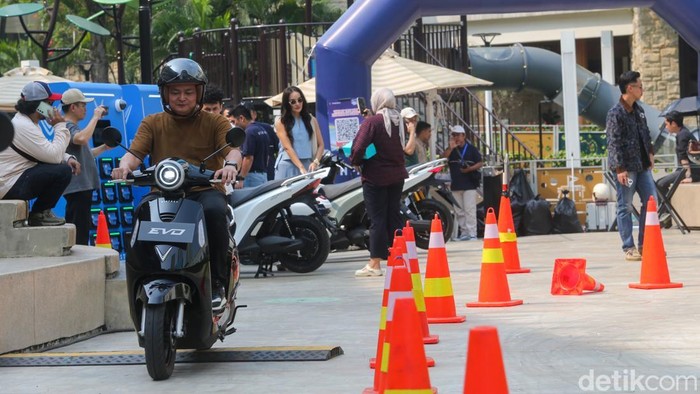
The bustling atmosphere at Tribeca Park, Central Park Mall in Jakarta, reached a crescendo this Saturday, July 18, 2026, as hundreds of urban commuters and automotive enthusiasts gathered to experience the latest offerings from VinFast. The Vietnamese electric vehicle (EV) powerhouse, which has been rapidly expanding its footprint across Southeast Asia, hosted a large-scale test drive event to showcase its primary electric motorcycle lineup: the Evo, the Viper, and the Feliz. This public exhibition serves as a critical milestone in VinFast’s aggressive strategy to dominate the Indonesian two-wheeler market, a sector traditionally held by Japanese internal combustion engine (ICE) giants.

As the morning sun transitioned into the afternoon heat, the queue at the registration desk remained steady, with visitors eager to get hands-on experience with the technology that VinFast claims will redefine urban mobility in the archipelago. The event was not merely a display of hardware but a comprehensive demonstration of a new ecosystem designed to alleviate the common anxieties associated with electric vehicle adoption, such as battery longevity, charging infrastructure, and resale value.

Antusiasme Warga Jajal Motor Listrik VinFast

A Trio of Models Tailored for the Indonesian Commuter

VinFast’s entry into the Indonesian market is spearheaded by three distinct models, each designed to cater to different demographic segments within the sprawling metropolis of Jakarta. The Evo, often seen as the entry-point for younger riders and students, features a sleek, minimalist design optimized for agility in Jakarta’s notorious traffic. During the test drive, participants noted its lightweight frame and instantaneous torque, which are essential for the stop-and-go nature of city commuting.

The Feliz, positioned as the versatile mid-range option, targets office workers and families. It offers a more substantial build, enhanced storage capacity, and a focus on ergonomic comfort for longer rides between the satellite cities of Bogor, Depok, Tangerang, and Bekasi (Jabodetabek). Its stability at higher speeds and refined suspension system were frequently cited by test riders as standout features.

The Viper, the most performance-oriented of the trio, attracted a crowd interested in power and aesthetics. With a more aggressive stance and advanced digital instrumentation, the Viper is intended to compete with high-end gasoline scooters. It represents VinFast’s technological "halo" in the motorcycle segment, showcasing the maximum potential of their proprietary electric drivetrains. Together, these three models represent a tiered approach to market penetration, ensuring that there is a VinFast product for every price point and lifestyle requirement.

Antusiasme Warga Jajal Motor Listrik VinFast

Innovation in Ownership: The Three-Tiered Battery Scheme

One of the most significant talking points during the event was VinFast’s flexible battery ownership model. Recognizing that the high upfront cost of lithium-ion batteries is a primary barrier to EV adoption, VinFast has introduced three distinct paths for Indonesian consumers.

The first is the battery swap scheme, which allows riders to exchange depleted batteries for fully charged ones at designated stations in minutes. This model mimics the convenience of a traditional petrol station visit and is particularly attractive to delivery riders and high-mileage commuters. The second option is the battery subscription service, where consumers pay a monthly fee to "rent" the battery. This significantly lowers the initial purchase price of the motorcycle and shifts the responsibility of battery health and degradation from the consumer to the manufacturer. Finally, for those who prefer traditional ownership, VinFast offers a full purchase option where the customer owns the battery outright.

By offering these choices, VinFast is addressing the economic diversity of the Indonesian market. The subscription model, in particular, is expected to be a game-changer, as it allows the electric motorcycles to be priced competitively against, or even lower than, equivalent petrol-powered scooters.

Antusiasme Warga Jajal Motor Listrik VinFast

Industry-Leading Warranty and After-Sales Commitment

To combat the skepticism often faced by new entrants in the automotive space, VinFast has introduced a comprehensive warranty package that is among the most generous in the industry. The brand provides a total protection period of up to six years or 72,000 kilometers. This is structured as a primary warranty covering four years or 60,000 kilometers, supplemented by an additional two-year or 12,000-kilometer extension, subject to specific terms and conditions.

This long-term commitment is a strategic move to build brand trust and ensure high residual values for their vehicles. In a market where reliability is a top priority, a six-year warranty sends a strong signal about the manufacturer’s confidence in their build quality and battery management systems. During the event, VinFast representatives emphasized that their service network is being expanded rapidly across Java and Bali to support this warranty promise, ensuring that "green" mobility does not come at the cost of convenience.

Chronology of Market Entry and Consumer Demand

The path to this weekend’s successful test drive event began in early 2026. VinFast officially opened pre-orders for the Evo, Viper, and Feliz in May 2026, supported by a digital marketing campaign that highlighted the environmental and economic benefits of switching to electric power. The response was immediate and overwhelming, with the company reporting thousands of units ordered within the first eight weeks.

Antusiasme Warga Jajal Motor Listrik VinFast

The Jakarta test drive event at Central Park Mall is the first of several planned across major Indonesian cities, including Surabaya, Bandung, and Medan. The timeline for VinFast’s expansion is ambitious. While the units currently being tested and delivered are Completely Built Up (CBU) imports from VinFast’s state-of-the-art manufacturing hub in Hai Phong, Vietnam, this is only a temporary arrangement.

The Shift to Local Production: A 2027 Vision

A pivotal element of VinFast’s long-term strategy in Indonesia is the localization of production. Company officials confirmed at the event that plans are well underway to begin local assembly (CKD) and eventual full-scale manufacturing in Indonesia starting next year, in 2027. This move is aligned with the Indonesian government’s "Making Indonesia 4.0" roadmap, which aims to position the country as a global hub for the EV supply chain.

By producing locally, VinFast will be able to take advantage of government incentives, reduce logistics costs, and achieve a higher Domestic Component Level (TKDN). This transition is expected to further drive down retail prices, making electric motorcycles accessible to an even broader segment of the population. Furthermore, local production is a clear indicator of VinFast’s commitment to the Indonesian economy, promising job creation and technology transfer in the high-tech manufacturing sector.

Antusiasme Warga Jajal Motor Listrik VinFast

Broader Implications for Jakarta’s Urban Landscape

The enthusiasm seen at Tribeca Park is reflective of a broader shift in consumer sentiment in Jakarta. Faced with persistent air quality challenges and rising fuel costs, residents are increasingly looking toward sustainable alternatives. The Indonesian government has supported this transition through various subsidies and the development of charging infrastructure, but the entry of a major player like VinFast provides the necessary product variety and competitive pressure to accelerate the movement.

Market analysts suggest that VinFast’s aggressive entry could trigger a "price war" and an "innovation race" among two-wheeler manufacturers in Indonesia. This competition is ultimately beneficial for the consumer, leading to better technology, more robust service networks, and more affordable pricing across the board. If VinFast can maintain the momentum generated during this test drive event and successfully transition to local production in 2027, they may well become the catalyst for the mass-market electrification of Indonesia.

Conclusion: A Green Milestone in the Heart of the City

As the test drive event concluded on Saturday evening, the sheer volume of participants served as a testament to the changing tides of the Indonesian automotive industry. VinFast has managed to capture the public imagination not just with stylish motorcycles, but with a holistic approach to the EV experience. From flexible battery schemes to an unprecedented six-year warranty, the brand is systematically dismantling the barriers to electric mobility.

Antusiasme Warga Jajal Motor Listrik VinFast

The sight of the Evo, Viper, and Feliz navigating the test track at Central Park Mall is a glimpse into the future of Jakarta’s streets—a future that is quieter, cleaner, and increasingly powered by electricity. With thousands of pre-orders already in the books and a factory on the horizon, VinFast’s journey in Indonesia is just beginning, but its impact is already being felt across the city’s urban sprawl. The success of this event confirms that Indonesian consumers are not just ready for electric motorcycles; they are actively seeking them out, provided the brand can offer the right mix of technology, value, and long-term reliability.

July 18, 2026 0 comment
0 FacebookTwitterPinterestEmail
Travel

Prilly Latuconsina Showcases the Natural Splendor of Kalibiru as Yogyakarta Strengthens Its Position as a Premier Eco-Tourism Destination

by admin July 18, 2026
written by admin

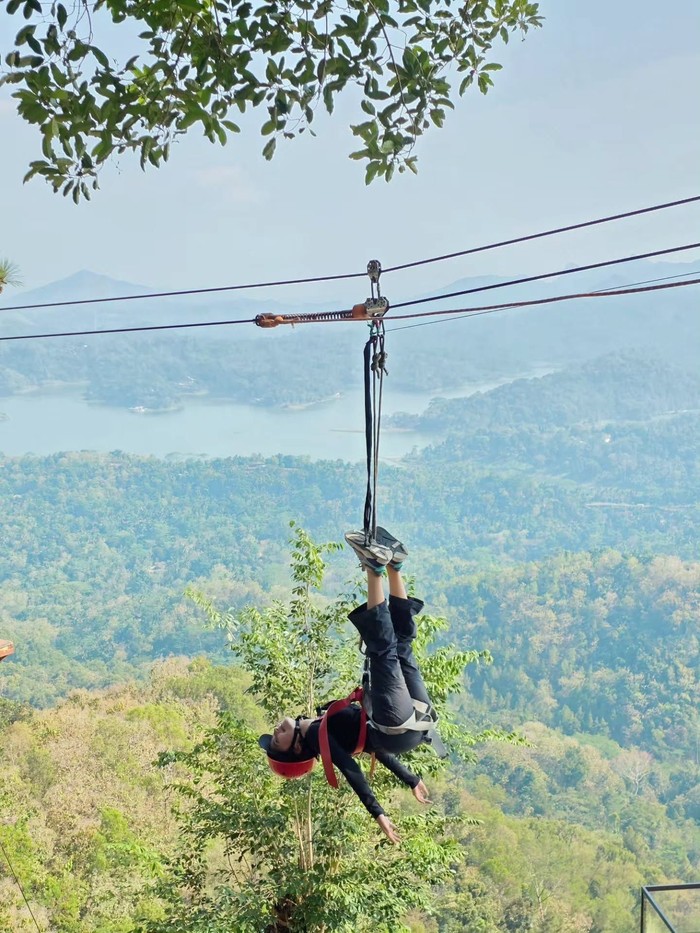
Prominent Indonesian actress and entrepreneur Prilly Latuconsina has once again captured the public’s attention by highlighting the scenic beauty of Kalibiru Natural Tourism in Kulon Progo, Yogyakarta. During her visit on Saturday, July 18, 2026, the high-profile celebrity shared a series of adventurous moments with her millions of social media followers, effectively placing a spotlight on the Menoreh Hills’ eco-tourism potential. The visit, which featured Latuconsina engaging in outdoor activities and sampling local delicacies, serves as a significant endorsement for the regional tourism sector as it continues to evolve in the post-infrastructure boom of the Special Region of Yogyakarta.

The presence of such a high-profile figure in Kulon Progo is seen by industry analysts as a vital contribution to the "Jewel of Java" branding initiative spearheaded by the local government. Latuconsina, known for her affinity for outdoor pursuits such as professional diving and sustainable fishing, brought an authentic adventurous spirit to the destination, which is famous for its panoramic views of the Sermo Reservoir and its pioneering tree-top photo platforms.

Potret Prilly Latuconsina Liburan-Santap Durian di Kulon Progo

A Chronology of the Visit to the Menoreh Highlands

The visit commenced in the early hours of Saturday, as Latuconsina and her entourage traveled to the Hargorejo village area in the Kokap District. Located approximately 40 kilometers from the heart of Yogyakarta city, the journey to Kalibiru has become significantly more accessible in recent years due to improved road infrastructure connecting the new Yogyakarta International Airport (YIA) to the surrounding highland attractions.

Upon arrival, the actress was greeted by the lush greenery of the Menoreh Hills. Her itinerary was designed to showcase the diverse offerings of the park. The first phase of her visit focused on the "extreme" photo spots that initially made Kalibiru a viral sensation over a decade ago. Latuconsina was observed climbing the iconic wooden platforms perched high in the pine trees, offering an unobstructed view of the emerald-green Sermo Reservoir below.

Following the photography sessions, which were widely shared on Instagram and other digital platforms, Latuconsina transitioned to a more immersive cultural and culinary experience. In the afternoon, she engaged with local vendors to sample seasonal produce, most notably the local durian, which is a staple of the Kulon Progo highland economy. This segment of her visit highlighted the "farm-to-table" appeal of the region, emphasizing that Kalibiru is not merely a visual destination but a sensory one that supports local agricultural communities.

Potret Prilly Latuconsina Liburan-Santap Durian di Kulon Progo

The Evolution of Kalibiru: From Reforestation to Global Attraction

To understand the significance of this visit, one must look at the historical context of Kalibiru. Unlike many tourist destinations that are developed by large corporations, Kalibiru is a triumph of community-based forest management (HKm). In the early 2000s, the area was largely degraded land. Through the collective efforts of the local community and government reforestation programs, the area was transformed into a lush forest.

By 2008, the local community received formal rights to manage the forest, leading to the birth of the Kalibiru National Tourism area. It became a pioneer in the "selfie-tourism" trend that swept Indonesia between 2014 and 2019. However, as travel preferences have shifted toward more substantive eco-tourism and wellness experiences in 2026, the site has had to reinvent itself.

The current iteration of Kalibiru focuses on sustainable interaction with nature, offering trekking trails, educational tours about forest conservation, and high-quality culinary experiences. Latuconsina’s visit highlights this successful transition, proving that the destination remains relevant for modern travelers seeking a blend of aesthetic appeal and genuine outdoor activity.

Potret Prilly Latuconsina Liburan-Santap Durian di Kulon Progo

Supporting Data: The Economic Impact of Celebrity Endorsements in Kulon Progo

Data from the Yogyakarta Tourism Office (Dinas Pariwisata DIY) indicates a direct correlation between high-profile social media coverage and immediate spikes in regional visitor numbers. In the 2025 fiscal year, destinations in Kulon Progo saw a 15% increase in domestic arrivals following strategic influencer campaigns. Analysts predict that Latuconsina’s recent visit could trigger a similar 10% to 12% increase in weekend foot traffic over the next quarter.

Furthermore, the "Prilly Effect" is particularly potent among the Gen Z and Millennial demographics, who account for approximately 65% of domestic tourists in Yogyakarta. By showcasing her "envy-inducing" (as described by netizens) experiences, Latuconsina acts as a catalyst for "aspirational travel," where followers seek to replicate the experiences of figures they admire.

From an infrastructure perspective, the proximity of Kalibiru to Yogyakarta International Airport is a strategic advantage. Since the airport’s full integration with the regional rail and toll road networks in 2024, the "Menoreh Circuit"—which includes Kalibiru, Waduk Sermo, and the various waterfalls in the area—has seen a steady 20% annual growth in international visitors, particularly from Southeast Asian neighbors like Malaysia and Singapore.

Potret Prilly Latuconsina Liburan-Santap Durian di Kulon Progo

Official Responses and Regional Tourism Strategy

Local officials have responded positively to the actress’s visit, viewing it as a validation of their ongoing efforts to promote Kulon Progo as a premium alternative to the more crowded urban centers of Yogyakarta.

"We appreciate figures like Prilly Latuconsina who take the time to explore the natural wealth of Kulon Progo," said a representative from the local Tourism Awareness Group (Pokdarwis). "Her courage in trying the outdoor wahana (rides) and her appreciation for our local durian sends a message that our region is safe, exciting, and rich in culture. It encourages the local youth to take pride in their heritage and continue preserving the environment."

The regional government’s strategy for 2026-2030 involves shifting from "mass tourism" to "quality tourism." This involves limiting the number of visitors at specific peaks to ensure environmental sustainability while increasing the average spending per tourist through better services and premium experiences. High-profile visits play into this by positioning Kalibiru as a "must-visit" destination for influential travelers, thereby allowing local operators to justify investments in better facilities and higher service standards.

Potret Prilly Latuconsina Liburan-Santap Durian di Kulon Progo

Fact-Based Analysis: The Implications of Outdoor Celebrity Branding

Prilly Latuconsina’s visit is more than a simple vacation; it is a case study in modern tourism marketing. In an era where traditional advertising is often met with skepticism, the "lifestyle integration" of a destination into a celebrity’s personal narrative is incredibly effective.

  1. The Shift to "Adventure-Lite": Latuconsina’s photos, showing her comfortably navigating heights and outdoor terrains, promote "adventure-lite" experiences. This appeals to urban dwellers who want the thrill of nature without the need for professional-grade mountaineering skills.
  2. Revitalization of Local Commodities: By specifically highlighting the consumption of durian, the actress provides a boost to the local agricultural sector. This reminds tourists that the Menoreh Hills are an agricultural hub, potentially increasing demand for local exports and agritourism.
  3. Gender and the Outdoors: As a female icon with a reputation for being "brave" and "independent," Latuconsina’s engagement with the rugged terrain of Kulon Progo challenges traditional stereotypes and encourages more female travelers to pursue solo or group outdoor adventures in the region.

Future Outlook for Kalibiru and Kulon Progo Tourism

Looking ahead to the remainder of 2026, the Special Region of Yogyakarta aims to surpass its previous tourism revenue records. The focus remains on the "West Progo" development zone. With the completion of several boutique eco-resorts in the Menoreh vicinity, the area is poised to transition from a day-trip destination to a multi-day stayover hub.

The challenge for Kalibiru will be maintaining the balance between the increased demand generated by celebrity visits and the ecological carrying capacity of the forest. However, with the current community-based management model, the revenue generated from increased ticket sales and culinary spending is largely reinvested into forest maintenance and community welfare, creating a circular economy that benefits both nature and the people.

Potret Prilly Latuconsina Liburan-Santap Durian di Kulon Progo

In conclusion, Prilly Latuconsina’s excursion to Wisata Alam Kalibiru serves as a potent reminder of the enduring allure of Yogyakarta’s natural landscapes. Through the lens of one of Indonesia’s most influential personalities, the hidden gems of Kulon Progo are being rediscovered by a new generation of travelers, ensuring that the Menoreh Hills remain a cornerstone of the nation’s tourism identity for years to come. As the "Jewel of Java" continues to shine, the integration of celebrity influence, community management, and sustainable practices appears to be the winning formula for the region’s future.

July 18, 2026 0 comment
0 FacebookTwitterPinterestEmail
Science

Aksi Warga Jaga Pegunungan Menoreh dari Pemburu Burung

by admin July 18, 2026
written by admin

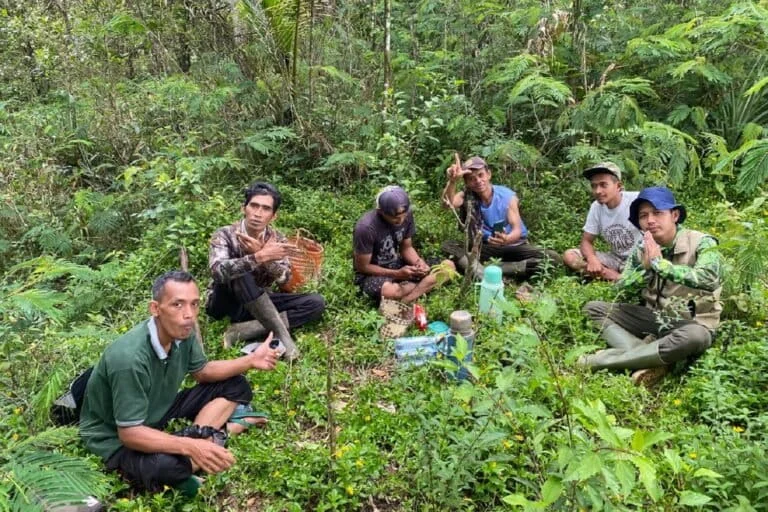
In the lush, verdant landscapes of the Menoreh Hills, a quiet revolution is taking place as local communities transition from being hunters to becoming the primary guardians of their avian heritage. This movement reached a critical juncture in May when the Lestari Purwosari Group, a leading force in the development of ecotourism in Purwosari Tourism Village, Kulon Progo Regency, Yogyakarta, successfully apprehended a bird poacher operating within their jurisdiction. The incident highlights a growing trend of grassroots enforcement in response to the persistent threat of the illegal wildlife trade, which continues to target the Menoreh region to supply the insatiable demand of the songbird market.

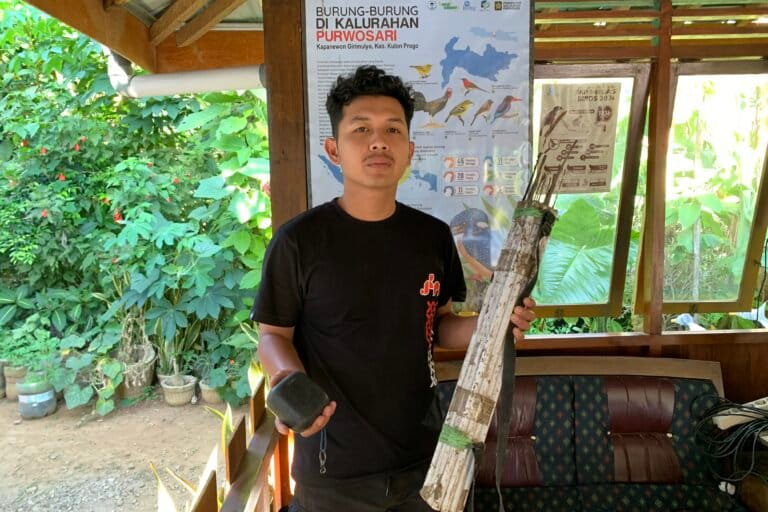
The encounter began when Tegar Cahaya Putra, the initiator and activist of the Lestari Purwosari Group, and local residents noticed a suspicious individual on one of the village’s hills. The man, a resident of Sleman, was found carrying a specialized poaching kit: a small electronic speaker, pulut (a traditional high-strength bird glue), and a carrying cage. These tools represent the modern face of poaching, where technology is used to mimic bird calls to lure unsuspecting creatures into sticky traps. Despite an initial verbal warning from the villagers, the poacher merely relocated to another part of the village, underestimating the vigilance of the community.

The persistence of the poacher triggered a rapid response through the village’s digital network. Residents utilized a WhatsApp group to track his movements, leading to his eventual capture by the community. He was escorted to the community secretariat, where his identity was recorded, and he was required to sign a formal statement on a stamped document (materai) pledging never to repeat his actions. Upon inspection, several birds were found in his possession, including the Oriental White-eye (kacamata kuning), the Maroon-breasted Philentoma (cucak delima), and the Horsfield’s Thrush (poksay kuda). All the captured birds were immediately released back into the wild by the activists.

The Persistence of Poaching and the Economic Driver

The challenge of protecting the Menoreh Hills is compounded by the involvement of various demographics in poaching activities. Shortly after the Sleman resident was caught, another poacher was intercepted in Purwosari. To the disappointment of the community, this individual was a minor—a junior high school student from the neighboring district of Girimulyo. When questioned, the youth admitted that his primary motivation was financial gain, seeking to sell the birds to supplement his income.

Aksi Warga Jaga Pegunungan Menoreh dari Pemburu Burung

The methodology remains consistent across different age groups: the use of electronic speakers to play recorded birdsong, which draws territorial or social birds toward the pulut traps. Once the birds land on the glue-covered branches or cages, they are unable to fly, often suffering stress or physical injury in the process. This incident underscored a harsh reality for the conservationists: as long as there is a market for songbirds, individuals from both within and outside the region will continue to view the Menoreh Hills as a resource to be exploited.

To combat this, the Kalurahan (Village) of Purwosari has taken proactive measures. Warning signs prohibiting hunting have been installed along the main entry points from both the Yogyakarta side to the east and the Purworejo side to the west. These physical warnings are backed by Village Regulation (Peraturan Kalurahan) No. 9 of 2022 concerning Environmental Preservation. While the regulation has been successful in deterring local residents from hunting, the primary threat now originates from outsiders who travel to the region specifically to harvest its biodiversity.

From Scarcity to Awareness: The Birth of a Movement

The catalyst for this intensive conservation effort was a period of alarming silence. Around 2020, residents of Purwosari began to notice a significant decline in the bird population. The once-vibrant dawn chorus had faded to a few fleeting chirps. For a community situated in the Menoreh Hills—a vital habitat for Javanese endemic species and a known migratory corridor—the absence of birds was an ecological red flag.

The region is home to several high-priority species, including the Indigo Flycatcher (sikatan cacing), the Crested Serpent Eagle (elang ular bido), the Green Iora (cucak ranting), and the Javan Partridge (puyuh gonggong jawa). Recognizing the impending loss of these species, Tegar and other community leaders initiated a ban on bird trapping. The transition was not initially met with universal support, as many residents had long relied on hunting as a primary or supplementary source of income.

To address the economic gap, the community partnered with the Yayasan Kanopi Indonesia (Canopy Indonesia Foundation) to launch a "Nest Adoption" program. This innovative conservation model allows donors or tourists to "adopt" a bird’s nest, providing financial compensation to the villagers who monitor and protect the nest until the chicks fledge. This program, combined with the rise of birdwatching tourism and wildlife photography, has provided a sustainable alternative to poaching. Former hunters have now found that they can earn more by guiding photographers and protecting habitats than they ever could by selling birds in the market.

Aksi Warga Jaga Pegunungan Menoreh dari Pemburu Burung

Legal Frameworks and Cross-Border Challenges

The success of conservation in the Menoreh Hills depends heavily on the consistency of regulations across administrative boundaries. While Purwosari implemented its regulation in 2022, the neighboring village of Pandanrejo in Purworejo, Central Java, has had a similar regulation in place since 2019. However, Dwi Kristanto Sektyawan, the Village Head of Pandanrejo, admits that enforcement was initially slow.

"We only truly began implementing the regulation in 2023," Sektyawan noted. He observed that the shift in community mindset takes time, but the progress is encouraging. In Pandanrejo, the village is planning to implement stricter social sanctions, such as displaying photos of apprehended poachers in front of the village office to create a public deterrent.

Sugiyanto, the Conservation Coordinator for Pandanrejo Tourism Village, highlighted the difficulty of managing "border zones." Poachers often claim they are operating outside the restricted village boundaries to avoid repercussions. "Birds do not recognize administrative borders," Sugiyanto remarked. "They fly across village lines, and if we don’t coordinate, the poachers will simply wait at the edge of the protected zones."

To close these loopholes, a cross-village patrol network has been established. This collaborative effort includes Purwosari, Pandanrejo, Donorejo, and Jatimulyo. The latter, Jatimulyo, has been a pioneer in bird conservation since 2015 and serves as a model for the surrounding areas. By coordinating patrols, the villages can effectively corner poachers, leaving them with no route for escape and ensuring that a violation in one village is recognized and penalized by the others.

Ecological Impact and Agricultural Sustainability

The drive to protect birds is not merely a matter of sentiment; it is rooted in the practicalities of agricultural survival. The Menoreh Hills are characterized by an agroforestry system where coffee, cloves, cocoa, tea, and durian are grown in mixed plantations. These crops are highly dependent on the ecosystem services provided by birds.

Aksi Warga Jaga Pegunungan Menoreh dari Pemburu Burung

Nurina Indriyani, Director of Yayasan Kanopi Indonesia, emphasized the strategic role of birds in this landscape. "Birds are essential for pollination, which directly affects the yields of crops like durian and coffee," she explained. "Furthermore, they act as natural pest controllers. When insect populations surge, birds are the first line of defense. Without them, farmers would be forced to use expensive and harmful chemical pesticides."

Data collected by the foundation and local groups shows the high stakes of this conservation effort. Purwosari is home to at least 98 bird species, while Pandanrejo hosts 52. Among these are nine protected species and one species listed as critically endangered. The presence of these birds serves as a vital indicator of environmental health; a thriving bird population suggests a balanced ecosystem, while their disappearance signals environmental degradation.

Analysis of Implications and the Path Forward

The community-led conservation model in the Menoreh Hills represents a significant shift in Indonesia’s approach to wildlife protection. Traditionally, conservation has been the domain of state agencies and large NGOs. However, the Menoreh experience demonstrates that when local communities are given the tools and economic incentives to protect their own environment, the results are often more immediate and sustainable.

The transition from a "hunting culture" to a "protection culture" has profound social implications. It fosters a sense of collective ownership over natural resources and creates a social environment where poaching is no longer seen as a viable livelihood but as a theft from the community’s collective future. The use of social media and digital communication has also empowered these rural communities to act with the speed and efficiency of a professional security force.

However, challenges remain. The demand for songbirds in urban centers like Jakarta and Surabaya continues to drive high prices, which will always tempt some to bypass the law. Furthermore, as bird populations recover in the Menoreh Hills, they may become even more attractive targets for large-scale professional poaching syndicates.

Aksi Warga Jaga Pegunungan Menoreh dari Pemburu Burung

To ensure long-term success, the "Menoreh Model" requires continued support from regional governments to harmonize regulations across the Yogyakarta and Central Java provincial lines. Expanding the ecotourism infrastructure—such as high-quality birdwatching hides and trained local guides—will be essential to solidify the economic benefits of conservation.

The story of Purwosari and its neighbors is a testament to the power of local action. By choosing to protect the "winged assets" of their hills, these villages are not only saving species from extinction but are also securing the ecological and economic foundations of their own future. The silent mornings of 2020 are being replaced by the diverse melodies of a forest in recovery, a sound that serves as both a reward for their efforts and a reminder of the vigilance required to keep the Menoreh Hills a sanctuary for all its inhabitants.

July 18, 2026 0 comment
0 FacebookTwitterPinterestEmail
Science

Breakthrough in Daytime Astronomy Macquarie Universitys Huntsman Telescope Enables 24 Hour Celestial Monitoring and Satellite Tracking

by admin July 18, 2026
written by admin

In a significant leap for the field of observational astrophysics, a team of researchers at Macquarie University in Australia has successfully pioneered a technique that allows for the precise measurement of stars, satellites, and other celestial bodies during broad daylight. Utilizing the innovative Huntsman Telescope, which was originally designed for ultra-sensitive night-sky observations, the team has demonstrated that the traditional barriers between day and night astronomy are beginning to dissolve. This development, detailed in a study published in the Publications of the Astronomical Society of Australia on May 20, 2024, marks a pivotal shift in how astronomers and space agencies might monitor the increasingly crowded orbital environment of Earth, as well as transient stellar events that do not adhere to a nocturnal schedule.

The Huntsman Telescope is located at the Siding Spring Observatory near Coonabarabran, New South Wales—a site long regarded as Australia’s premier optical astronomy hub. Unlike traditional monolithic telescopes that rely on a single large mirror, the Huntsman employs a unique "multi-eye" design inspired by the Dragonfly Telephoto Array. It consists of an array of ten high-performance Canon 400mm f/2.8 L-series lenses, which are more commonly seen on the sidelines of professional sporting events than in deep-space observatories. By aligning these lenses to work in parallel, the Huntsman can capture an immense amount of data with extreme sensitivity to low-surface-brightness features. However, its latest achievement—successful daytime operation—relies not just on the glass, but on a sophisticated combination of broadband light filters and high-speed digital processing.

The Challenge of the Blue Sky

For centuries, the primary adversary of the optical astronomer has been the Sun. During the day, sunlight enters Earth’s atmosphere and undergoes Rayleigh scattering, where shorter wavelengths of light (blue) are scattered in every direction by the gases in the atmosphere. This creates the bright blue canopy that effectively "drowns out" the much fainter light coming from distant stars and orbiting satellites. Historically, this has restricted optical astronomy to a narrow window of darkness, often further limited by lunar cycles and weather conditions.

Sarah Caddy, a doctoral candidate and the lead architect behind the Huntsman Telescope’s daytime capabilities, noted that while the concept of daytime observation is not new, the precision required to make it scientifically useful has remained elusive. "People have tried to observe stars and satellites in optical wavelengths during the day for centuries, but it is incredibly difficult to do," Caddy stated. The breakthrough at Macquarie University involves using specialized broadband filters that are finely tuned to block out the dominant wavelengths of scattered sunlight while allowing specific, high-contrast wavelengths from celestial targets to pass through to the sensors.

Technological Innovation: The Multi-Lens Advantage

The Huntsman Telescope’s hardware configuration is central to this success. Each of the ten lenses is equipped with a high-end astronomical camera and astro-mechanical focusing equipment. The system is designed to take thousands of short-exposure images per second. In daytime conditions, long exposures would simply result in a washed-out white frame due to atmospheric glare. By taking rapid-fire, short exposures, the Huntsman’s computers can process the data in real-time, "stacking" the images to cancel out atmospheric noise and enhance the signal of the target object.

Before deploying the full ten-lens array for daytime use, the researchers spent months conducting rigorous testing with a "mini-Huntsman" pathfinder—a single-lens version of the system. This phase was crucial for determining the optimal exposure timings and understanding how atmospheric turbulence, which is significantly more volatile during the day due to ground heating, affects the "twinkling" or blurring of the target. Through this iterative process, the team developed algorithms capable of tracking targets with high precision despite the shimmering heat of the New South Wales interior.

Monitoring the Red Supergiant: The Betelgeuse Case Study

One of the most high-profile targets used to prove the Huntsman’s daytime efficacy was Betelgeuse, the massive red supergiant located in the constellation Orion. Approximately 650 light-years from Earth, Betelgeuse is one of the most studied stars in the sky, primarily because it is in the final stages of its life cycle and is expected to eventually explode as a supernova.

In late 2019 and early 2020, Betelgeuse underwent what astronomers called the "Great Dimming," a sudden and dramatic drop in its brightness. While it was eventually determined that the dimming was caused by a massive ejection of surface material that cooled into a dust cloud, the event highlighted a major gap in astronomical infrastructure: if a star begins to behave erratically during a period when it is only visible from Earth during the day, astronomers might miss the critical early stages of a supernova.

The ability of the Huntsman to track Betelgeuse during daylight hours ensures that such "transient" events can be monitored 24/7. Continuous monitoring is essential for building accurate models of stellar evolution and for providing early warnings of cosmic events that could have implications for our understanding of physics.

Addressing the Global Satellite Crisis

Beyond the realm of pure astrophysics, the Huntsman Telescope’s daytime capabilities have immediate practical applications for "Space Situational Awareness" (SSA). The orbital environment around Earth is currently experiencing an unprecedented surge in activity. There are currently approximately 10,000 active satellites in orbit, a number that has grown exponentially over the last five years due to the rise of "mega-constellations" like SpaceX’s Starlink and Amazon’s Project Kuiper.

Industry projections suggest that as many as 50,000 additional satellites could be launched into Low Earth Orbit (LEO) within the next decade. This congestion creates a significant risk of collisions, which can produce clouds of high-velocity debris—a phenomenon known as the Kessler Syndrome, which could potentially render certain orbits unusable for generations.

Currently, most satellite tracking is done via radar or by optical telescopes operating at night. However, radar can be expensive and has limits on the size of objects it can detect, while nocturnal optical tracking leaves a massive gap in surveillance during the day. "Astronomy during the day is an exciting field, and with advances in camera sensors, filters, and other technologies, we are seeing dramatic improvements in the sensitivity and precision that can be achieved under clear sky conditions," Caddy explained. By providing a cost-effective method for daytime optical tracking, the Huntsman project offers a way to maintain a "constant eye" on the sky, helping to prevent collisions and track the movements of space junk in real-time.

Economic and Strategic Implications

The Huntsman Telescope represents a shift toward "off-the-shelf" innovation. By using mass-produced Canon lenses rather than custom-ground mirrors, Macquarie University has created a world-class research instrument at a fraction of the cost of traditional observatories. This scalability is vital for the future of space surveillance. To effectively manage tens of thousands of satellites, a global network of telescopes is required. The Huntsman model proves that such a network can be built using relatively affordable, modular components.

From a strategic perspective, the ability to track satellites during the day is of immense interest to both civilian and defense agencies. Space is increasingly viewed as a critical domain for national security, telecommunications, and global navigation. The ability to monitor the assets of both allies and adversaries without the "blind spot" of daylight hours enhances a nation’s ability to respond to orbital anomalies or hostile maneuvers.

Future Outlook and Academic Impact

The success of the Macquarie University team has already sparked interest across the international astronomical community. The methodology used—combining specific broadband filtering with high-frame-rate CMOS (Complementary Metal-Oxide-Semiconductor) sensors—is likely to be adopted by other observatories looking to maximize their utility.

As the Huntsman Telescope continues its mission at Siding Spring, the team plans to expand the array and refine the software further. Future iterations may include even more lenses, increasing the light-gathering power and allowing for the detection of even smaller, fainter pieces of space debris during the day.

The implications of this research extend to the very way we train the next generation of astronomers. By proving that the sky is "always open," Macquarie University is expanding the curriculum and the opportunities for student research. The project serves as a testament to the power of interdisciplinary engineering, combining optics, mechanical design, and advanced data science to solve a problem that has hampered the field for centuries.

In conclusion, the Huntsman Telescope’s transition to a 24-hour instrument is more than just a technical milestone; it is a necessary evolution in an era where our reliance on space-based technology is at an all-time high. Whether it is watching a distant star prepare for its final explosion or ensuring that a communication satellite avoids a piece of drifting debris, the ability to see through the blue of our own atmosphere opens a new window into the universe—one that never has to close.

July 18, 2026 0 comment
0 FacebookTwitterPinterestEmail
Science

Skullcandy and Bose Redefine Haptic Audio with the Launch of the Crusher 1080 ANC Headphones

by admin July 18, 2026
written by admin

The landscape of personal audio has undergone a significant shift as Park City-based Skullcandy officially unveiled its latest flagship product, the Crusher 1080 ANC, at a high-profile event in New York City. This release marks the most substantial milestone in a multi-year strategic partnership with Bose, a titan of the premium audio industry. By integrating Bose’s world-renowned noise cancellation and spatial audio technologies into Skullcandy’s signature haptic bass hardware, the two companies aim to capture a unique segment of the market: the "basshead" audiophile who demands both physical sensation and high-fidelity clarity. Priced at a competitive $279.99, the Crusher 1080 ANC represents a bold attempt to bridge the gap between lifestyle-focused consumer electronics and professional-grade acoustic engineering.

A Strategic Alliance: The Evolution of Sound by Bose

The collaboration between Skullcandy and Bose did not emerge in a vacuum. It is the result of a calculated "SoundHeist" campaign that began in April 2025. During the initial phase of this partnership, Skullcandy released the Method 360 ANC earbuds, which served as a proof-of-concept for Bose’s licensing model. While Bose has historically guarded its proprietary technologies with vigor, the "Sound by Bose" initiative represents a pivot toward ingredient branding, similar to how Dolby or Intel operate within their respective fields.

The Crusher 1080 ANC is the first over-ear headphone outside of the Bose ecosystem to feature the full suite of Bose’s advanced audio processing. This includes QuietControl adaptive active noise cancellation (ANC), TrueSpatial spatial audio with integrated head tracking, and the Bose WaveForm audio engine. For Skullcandy, the partnership provides an immediate infusion of technical credibility, addressing long-standing criticisms regarding the lack of refinement in high-volume, bass-heavy headphones. For Bose, the alliance offers a gateway into the younger, trend-driven demographic that has traditionally favored Skullcandy’s aggressive styling and "feel the music" philosophy.

Technical Specifications and Engineering Innovations

At the heart of the Crusher 1080 ANC is a sophisticated dual-driver system. Unlike standard headphones that rely on a single driver to handle the entire frequency range, the Crusher series utilizes a dedicated haptic motor—an actuator—designed specifically to produce low-end vibrations that the user can feel physically. In previous iterations, this haptic feedback often came at the expense of mid-range and high-frequency clarity, leading to a "muddy" sound profile.

Skullcandy and Bose reunite for the new Crusher 1080 ANC, a headphone full of firsts

To rectify this, Skullcandy’s engineering team developed a new "live edge" diaphragm. Constructed from a significantly stiffer material than previous models, this diaphragm employs a pistonic motion that is more controlled and less prone to distortion, even when the haptic drivers are at maximum output. The result is a frequency response that remains balanced while the physical "thump" of the bass is engaged.

The integration of Bose QuietControl adds a layer of sophistication rarely seen in this price bracket. The system utilizes six external and internal microphones to monitor the "fit and seal" of the earcups in real-time. This allows the ANC to adapt dynamically to the user’s environment, whether they are in a crowded subway or a high-decibel flight cabin. Furthermore, the inclusion of Bluetooth 5.3 and LE Audio support ensures low-latency performance and compatibility with Auracast, a burgeoning technology that allows users to share audio streams with multiple nearby devices.

Chronology of the New York Launch Event

The official debut of the Crusher 1080 ANC took place on July 15 at Capitale, the historic Beaux-Arts venue formerly known as the Bowery Savings Bank Building. The choice of location was symbolic; the soaring 65-foot coved ceilings and Corinthian columns provided a stark, classical contrast to the high-energy, neon-saturated branding of Skullcandy.

The event was presided over by brand ambassador and legendary skateboarder Tony Hawk, who has become a fixture of Skullcandy’s recent marketing efforts. Attendees were ushered through the grand foyer into a specialized "sound lab" where dozens of Crusher units were suspended from the rigging. The demonstration focused on the versatility of the hardware, featuring a live DJ set that utilized high-energy electronic dance music (EDM) to showcase the headphones’ ability to isolate the listener from the ambient noise of a cavernous marble hall.

During the demonstration, Skullcandy executives emphasized the user-centric design of the physical controls. Moving away from the industry trend of capacitive touch panels—which can be finicky in cold weather or during physical activity—the Crusher 1080 ANC features tactile, physical buttons. This includes an "animated" Crusher wheel that allows users to adjust the intensity of the haptic bass in real-time, with the level reflected visually within the paired Skullcandy smartphone application.

Skullcandy and Bose reunite for the new Crusher 1080 ANC, a headphone full of firsts

Market Positioning and Comparative Analysis

At $279.99, the Crusher 1080 ANC is positioned as a "premium-alternative" in a market dominated by the $350-$500 offerings from Sony, Apple, and Bose itself. By licensing Bose’s technology, Skullcandy is able to offer top-tier ANC performance at a price point that undercuts the Sony WH-1000XM5 and the Apple AirPods Max.

Feature Skullcandy Crusher 1080 ANC Sony WH-1000XM5 Bose QuietComfort Ultra
Price (MSRP) $279.99 $399.99 $429.00
Battery Life (ANC On) 50 Hours 30 Hours 24 Hours
Special Feature Haptic Sensory Bass Industry-leading ANC Immersive Audio Mode
Connectivity BT 5.3 + LE Audio BT 5.2 BT 5.3
Controls Physical Buttons/Wheel Touch Sensor Touch + Physical

The battery life of the Crusher 1080 ANC is particularly noteworthy, offering up to 60 hours with ANC disabled and 50 hours with it engaged. This places it at the top of its class for endurance, making it an attractive option for long-haul travelers and power users who wish to avoid frequent charging cycles.

Official Responses and Industry Implications

Industry analysts view the Skullcandy-Bose partnership as a sign of increasing consolidation and specialization within the audio sector. "We are seeing a shift where the ‘how’ of audio processing is becoming a licensed commodity," said a senior tech analyst present at the event. "Skullcandy is effectively admitting that Bose does ANC better than anyone else, while Bose is acknowledging that Skullcandy has a lock on the ‘sensory’ experience of audio. It’s a win-win for both brands."

Skullcandy executives stated that the goal was to create "the greatest basshead headphone ever," a mission that acknowledges the polarizing nature of haptic audio. While "reference" headphones aim for a flat, accurate frequency response, the Crusher line is unapologetically designed for "fun." The inclusion of Bose TrueSpatial (Motion) allows the headphones to simulate a wide, theater-like soundstage, which is particularly effective for live concert recordings and cinematic content.

However, the integration of these two disparate technologies presented a significant engineering challenge. Active Noise Cancellation works by creating "counter-waves" to cancel out external sound. Haptic bass works by creating physical vibrations. In a closed-back headphone system, there is a high risk that the haptic vibrations could be interpreted by the ANC microphones as external noise, leading to a feedback loop or "motorboating" interference. The success of the Crusher 1080 ANC hinges on the sophisticated control-loop design provided by the Bose WaveForm engine, which ensures that the haptic driver and the ANC system operate in harmony rather than in conflict.

Skullcandy and Bose reunite for the new Crusher 1080 ANC, a headphone full of firsts

Consumer Availability and Design Philosophy

The Crusher 1080 ANC is available immediately in four distinct colorways: Black, Candy (a vibrant pink), Primer (a muted khaki), and Cement (a modern grey). The design remains consistent with Skullcandy’s "industrial-utility" aesthetic, featuring a flat-folding, collapsible frame that fits into an included lined rolltop bag.

The product’s launch is expected to be a major driver for Skullcandy’s 2025-2026 fiscal year, particularly as the brand seeks to distance itself from its former reputation as a budget-tier manufacturer. By aligning with Bose, Skullcandy has effectively moved upmarket, challenging the status quo of what a "premium" headphone should provide. While the intense haptic feedback may not appeal to the traditional audiophile seeking a clinical listening experience, the Crusher 1080 ANC offers a unique, visceral alternative that is currently unmatched by any other major manufacturer in the global market.

As the personal audio industry continues to evolve toward more immersive and specialized experiences, the Crusher 1080 ANC stands as a testament to the power of strategic collaboration. It proves that even in a crowded market, there is still room for innovation when two companies are willing to share their "crown jewels" to create something entirely new.

July 18, 2026 0 comment
0 FacebookTwitterPinterestEmail
Education

Universitas Sam Ratulangi Opens Wave II of Tumou Tou Independent Admission Route for 2026 Academic Year

by admin July 18, 2026
written by admin

Universitas Sam Ratulangi (Unsrat) in Manado, North Sulawesi, has officially announced the opening of the second wave of its independent admission pathway, known as the Tumou Tou (T2) selection, for the 2026/2027 academic year. This announcement follows the completion of the first wave and aims to fill remaining seats across various undergraduate programs. Prospective students who were unable to secure a spot through the national selection processes—the National Selection Based on Merit (SNBP) and the National Selection Based on Tests (SNBT)—now have a final opportunity to join one of Eastern Indonesia’s most prestigious higher education institutions. The registration window for this second phase is currently active and is scheduled to remain open until July 24, 2026.

The T2 pathway is a localized entrance mechanism designed to provide equitable access to education while maintaining high academic standards. According to the official announcement issued by the Rector of Universitas Sam Ratulangi, documented under Number 6760/UNI2.I/PD/2026, the selection process for this wave will deviate from traditional computer-based testing. Instead, the university will employ a portfolio-based selection method, primarily evaluating the academic performance of applicants as reflected in their high school report cards and relevant achievements. This approach allows the admissions committee to assess the long-term academic consistency of candidates rather than relying solely on a single day of testing.

Eligibility Criteria and Basic Requirements

To maintain the quality of the incoming cohort, Unsrat has established specific eligibility criteria for the T2 Wave II selection. The pathway is open to graduates of Senior High Schools (SMA), Vocational High Schools (SMK), Madrasah Aliyah (MA), Madrasah Aliyah Kejuruan (MAK), and those holding a Package C (Paket C) equivalency certificate. Eligible applicants must have graduated in the years 2024, 2025, or 2026. This three-year window ensures that recent graduates and those who took a gap year have a fair chance at enrollment.

Furthermore, the university has set an age limit of 25 years for all applicants at the time of registration. This policy is standard across many Indonesian state universities to prioritize younger students entering higher education for the first time. In terms of administrative costs, each applicant is required to pay a non-refundable registration fee of Rp 400,000. This fee covers the administrative processing of the portfolio and the management of the selection system. Applicants are permitted to select a maximum of two study programs (prodi), which must be ranked in order of preference. It is highly recommended that students choose programs aligned with their high school background to maximize their portfolio score.

Understanding the Tumou Tou Philosophy

The name of the admission pathway, "Tumou Tou," is deeply rooted in the local culture of the Minahasa people of North Sulawesi. It is derived from the philosophical motto "Si Tou Timou Tumou Tou," popularized by the university’s namesake, Dr. Gerungan Saul Samuel Jacob Ratulangi (Sam Ratulangi). The phrase translates to "Man lives to bring life to others" or "Human beings live to humanize others."

By naming its independent selection process after this philosophy, Universitas Sam Ratulangi emphasizes its mission to produce graduates who are not only academically proficient but also socially responsible and dedicated to the development of their communities. The T2 pathway is seen as a commitment by the university to provide "life-giving" educational opportunities to the local population and students from across the Indonesian archipelago, ensuring that the flame of knowledge continues to spread.

Detailed Chronology and Selection Schedule

The 2026 T2 Wave II selection follows a strict timeline to ensure that the academic year can commence on schedule in August. Prospective students must adhere to the following dates:

  1. Registration Period: Open now through July 24, 2026. During this time, candidates must complete their online profiles and upload all necessary documentation.
  2. Payment Deadline: Generally coincides with the registration period. Payments must be made through designated partner banks such as BNI, BRI, BTN, or Bank Mandiri using a unique billing code generated by the registration portal.
  3. Portfolio Submission: Applicants must ensure that their digital portfolios, including scanned report cards from semesters one through five, are uploaded by the July 24 deadline.
  4. Verification and Selection: The university’s academic board will conduct a thorough review of the submitted portfolios between late July and early August.
  5. Result Announcement: The final list of successful candidates is expected to be published on the official Unsrat website in the first week of August 2026.
  6. Re-registration and Tuition Payment: Following the announcement, successful candidates will have a short window to complete their administrative re-registration and pay the required Institutional Development Contribution (SPI) and the Single Tuition Fee (UKT).

Distribution of Quotas Across Faculties

The Rector’s announcement has outlined the availability of seats across various faculties. While some programs, such as Medicine and Law, often reach capacity during the national selection phases or the first wave of T2, several strategic faculties are still looking for high-quality candidates in this second wave.

Fakultas Teknik (Faculty of Engineering):
The Faculty of Engineering remains a cornerstone of Unsrat, especially as North Sulawesi undergoes significant infrastructure development, including the expansion of the Likupang Special Economic Zone (SEZ). Programs such as Civil Engineering, Architecture, and Electrical Engineering are seeking students who demonstrate strong competencies in mathematics and physics.

Fakultas Pertanian (Faculty of Agriculture):
As a region rich in volcanic soil and coastal resources, North Sulawesi relies heavily on agricultural innovation. The Faculty of Agriculture offers spots in Agrotechnology, Agribusiness, and Forestry. These programs are vital for the national food security agenda and environmental conservation efforts.

Fakultas Ekonomi dan Bisnis (Faculty of Economics and Business):
This faculty continues to be one of the most popular choices. Wave II offers opportunities in Management, Accounting, and Development Economics. The university is looking for candidates who can contribute to the digital economy and regional trade hubs.

Fakultas Ilmu Sosial dan Ilmu Politik (Faculty of Social and Political Sciences):
Commonly known as FISIP, this faculty offers programs in Communication Studies, International Relations, and Public Administration. These programs are designed to produce the next generation of diplomats, journalists, and civil servants.

Fakultas Ilmu Budaya (Faculty of Humanities):
The Faculty of Humanities focuses on preserving the linguistic and cultural heritage of Indonesia. Programs in English Literature, Indonesian Literature, and History are available for those with a strong background in the arts and social sciences.

Fakultas Matematika dan Ilmu Pengetahuan Alam (Faculty of Mathematics and Natural Sciences):
FMIPA provides the fundamental scientific foundation for the university. Available slots in Biology, Chemistry, and Physics are crucial for students aiming for careers in research, pharmacy, or environmental science.

Financial Implications and Institutional Development Contribution (SPI)

One of the distinguishing features of the Independent (Mandiri) pathway in Indonesian state universities is the financial structure. Unlike the SNBP and SNBT pathways, where students only pay the UKT (Uang Kuliah Tunggal) based on their family’s economic capability, students admitted through the T2 pathway are generally required to pay an Institutional Development Contribution (SPI/Sumbangan Pengembangan Institusi).

The SPI is a one-time payment made at the beginning of the freshman year. This fund is utilized by the university to improve laboratory facilities, upgrade digital infrastructure, and maintain campus buildings. While the amount varies depending on the chosen study program and the applicant’s voluntary commitment, the university maintains that the selection remains merit-based. The portfolio score is the primary determinant of admission, ensuring that the quality of education is not compromised by financial factors.

Strategic Importance of Unsrat in Eastern Indonesia

Universitas Sam Ratulangi’s decision to open a second wave of independent admissions reflects its role as a regional educational anchor. As the largest university in North Sulawesi, Unsrat serves as a magnet for students from Gorontalo, Central Sulawesi, North Maluku, and Papua. By offering a portfolio-based selection in the second wave, the university provides a pragmatic solution for students who may have faced geographical or technical hurdles during the national exam periods.

Education analysts suggest that the T2 Wave II is particularly beneficial for vocational school (SMK) graduates. Since the portfolio selection looks at specific skill sets and practical grades, SMK students often find this pathway more accommodating than standardized national tests that are heavily weighted toward general high school (SMA) curricula.

Step-by-Step Registration Process

To ensure a smooth application process, the university has provided a clear protocol for prospective students:

  1. Account Creation: Visit the official admission portal at https://regmaba.unsrat.ac.id and register using a valid email address and National Identification Number (NIK).
  2. Bio-data Entry: Fill in personal details, family information, and educational history. Accuracy is critical, as discrepancies can lead to disqualification.
  3. Document Upload: Upload a formal photograph, a scan of the diploma (or a Graduation Certificate for 2026 graduates), and the report cards from the first five semesters.
  4. Program Selection: Choose up to two study programs. Applicants are advised to check the specific requirements for each prodi, such as color-blindness tests for certain science and engineering tracks.
  5. Payment: Generate the billing code and complete the Rp 400,000 payment. Once paid, the application status will be updated to "Completed."
  6. Card Printing: Print the T2 Wave II registration card, which serves as proof of application.

Broader Implications for Higher Education Access

The expansion of independent admission waves like the T2 at Unsrat is part of a broader trend in Indonesian higher education toward institutional autonomy. While the Ministry of Education, Culture, Research, and Technology (Kemendikbudristek) sets the overarching rules, universities are increasingly given the flexibility to manage their own intake to meet local demands.

Critics of the independent pathway often point to the higher costs associated with SPI. However, university officials argue that these funds are essential for maintaining the competitiveness of state universities in an era of diminishing direct government subsidies. Furthermore, Unsrat continues to provide scholarship opportunities, such as the KIP-Kuliah (Kartu Indonesia Pintar), to ensure that high-achieving students from underprivileged backgrounds are not excluded from the T2 pathway.

As the July 24 deadline approaches, the university administration has urged all prospective applicants to be wary of scams. "Admission is conducted strictly through the official online portal. No third parties or individuals are authorized to guarantee a seat in exchange for money," a university representative stated. Candidates are encouraged to monitor the official website, www.unsrat.ac.id, for any updates or schedule adjustments. With the 2026 academic year on the horizon, the T2 Wave II stands as a final gateway for thousands of aspiring professionals to secure their future at Universitas Sam Ratulangi.

July 18, 2026 0 comment
0 FacebookTwitterPinterestEmail
Education

Official Warning Against Fraudulent Misuse of PT Quipper Edukasi Indonesia Identity and Brand Attributes

by admin July 18, 2026
written by admin

PT Quipper Edukasi Indonesia, a leading education technology provider operating under the brand name Quipper, has issued a comprehensive public advisory to students, teachers, and the broader educational community regarding the unauthorized use of its corporate identity. The organization has observed an increasing trend of third-party actors misappropriating the Quipper name, logo, and official attributes for potentially fraudulent activities. In a formal statement aimed at safeguarding its stakeholders, the company emphasized that any engagement with entities claiming to represent Quipper must be rigorously verified through official channels to prevent financial loss or the compromise of personal data. This warning comes at a time when digital impersonation and phishing scams targeting the education sector are on the rise across Southeast Asia, prompting corporate entities to reinforce their communication protocols and legal boundaries.

The advisory highlights a critical concern regarding the security of the "Quipperian" community—a term used to describe the vast network of students and educators who utilize the platform for digital learning. PT Quipper Edukasi Indonesia has clarified that its internal teams manage all official communications and that any deviation from established protocols should be treated as a high-risk red flag. The company’s proactive stance is designed to draw a clear line between legitimate educational services and the deceptive practices of bad actors who exploit the reputation of established EdTech brands to facilitate scams, including illegal financial schemes and data harvesting.

Contextual Background of Digital Fraud in the EdTech Sector

The emergence of this advisory is situated within a broader regional context of escalating cybercrime. Since the rapid digital transformation catalyzed by the global pandemic, the education technology sector has become a prime target for social engineering attacks. According to cybersecurity reports from the National Cyber and Crypto Agency (BSSN) of Indonesia, there has been a notable increase in "brand hijacking," where reputable companies are used as a front for phishing operations. For an organization like Quipper, which serves millions of users, the integrity of its brand is paramount to maintaining the trust of educational institutions and parents.

Fraudulent actors often employ sophisticated tactics, such as creating look-alike websites, unauthorized social media profiles, and deceptive messaging through platforms like WhatsApp or Telegram. These actors may offer fake scholarships, discounted premium subscriptions, or even job opportunities, all while using Quipper’s trademarked assets to lend an air of legitimacy to their schemes. By issuing this warning, PT Quipper Edukasi Indonesia is taking a defensive measure to educate its user base on the hallmarks of official communication versus fraudulent solicitation.

Official Communication Protocols and Domain Verification

To mitigate the risk of impersonation, PT Quipper Edukasi Indonesia has outlined strict guidelines for identifying legitimate correspondence. A primary pillar of this verification process is the domain used for electronic mail. The company has explicitly stated that all official emails from its employees, including members of senior management, are sent exclusively from the "@quipper.com" domain. Any communication received from generic public email providers—such as Gmail, Yahoo, or Outlook—or from domains that mimic the official one (e.g., "quipper-promo.com" or "admin-quipper.id") should be considered fraudulent and reported immediately.

Furthermore, the company has reiterated that its official contact information is maintained internally and is clearly listed within the Quipper platform. Users are encouraged to cross-reference any incoming requests for information or payment with the contact details provided in their authenticated user dashboards. This centralized approach to communication ensures that there is a "single source of truth," reducing the likelihood of users falling victim to decentralized scams conducted through unverified third-party messaging apps.

Data Privacy and Compliance with Personal Data Protection Laws

In alignment with Indonesia’s Law No. 27 of 2022 on Personal Data Protection (UU PDP), PT Quipper Edukasi Indonesia has reaffirmed its commitment to the confidentiality and security of user data. The company’s advisory underscores that the sharing of personal data with third parties is subject to rigorous internal controls and legal requirements. Under no circumstances will Quipper share a user’s private information with an external entity without first obtaining explicit, written consent from the data owner.

This clarification is particularly relevant in an era where data is a highly valued commodity for marketers and scammers alike. Fraudulent actors often attempt to trick users into revealing sensitive information, such as national identification numbers, bank account details, or login credentials, under the guise of "account verification" or "system updates." By reminding users of their rights and the company’s legal obligations, Quipper is empowering its community to exercise caution and demand transparency whenever their personal information is requested.

Disassociation from Financial Services and Online Lending

A significant portion of the advisory is dedicated to clarifying Quipper’s business scope, specifically regarding financial services. PT Quipper Edukasi Indonesia has categorically stated that it is not involved in any form of online lending (known locally as pinjaman online or pinjol), investment schemes, or the distribution of funds. This clarification is a response to the growing issue of "loan sharks" and fraudulent investment platforms using the names of reputable companies to lure in victims who believe the service is backed by a trusted brand.

The company’s statement clarifies that any financial transactions or personal liabilities incurred by individuals—including its own employees—are strictly personal matters. Quipper does not assume responsibility for the financial conduct of its staff outside the scope of their official duties, nor does it facilitate personal loans or private investments. By distancing itself from the volatile "pinjol" and investment sectors, Quipper is protecting its core mission as an educational service provider and preventing its brand from being associated with high-risk financial activities that often lead to predatory debt cycles.

Legal Recourse and Corporate Responsibility

PT Quipper Edukasi Indonesia has signaled its intention to take firm legal action against any individuals or groups found to be misusing its brand for criminal purposes. The organization stated that it would handle cases of fraud or identity theft through the appropriate legal channels to ensure that perpetrators are held accountable. This "zero-tolerance" policy serves as a deterrent to potential scammers and demonstrates the company’s resolve in protecting its intellectual property and the safety of its customers.

The company also emphasized the separation of corporate and personal liability. In instances where an individual may use their association with the company to engage in unauthorized personal business or financial dealings, Quipper has made it clear that such actions are not representative of the organization. This distinction is vital for maintaining corporate governance and ensuring that the company’s assets and reputation are not compromised by the independent actions of individuals.

Broader Implications for the Digital Education Landscape

The challenges faced by Quipper are indicative of a larger trend affecting the global EdTech industry. As education becomes increasingly digitized, the "trust deficit" created by cybercrime threatens to slow the adoption of innovative learning tools. When users fear that their data or finances are at risk, they may become hesitant to engage with digital platforms. Therefore, the proactive communication strategies employed by PT Quipper Edukasi Indonesia are not just about brand protection; they are essential for the sustainability of the digital education ecosystem.

Industry analysts suggest that EdTech companies must move beyond traditional service delivery and adopt the role of "security educators." By teaching students and teachers how to navigate the digital world safely, these companies add a layer of value that goes beyond the curriculum. Quipper’s advisory serves as an educational tool in itself, providing a practical case study in digital literacy and cyber hygiene for its users.

Recommendations for Teachers and Students

In light of these developments, PT Quipper Edukasi Indonesia has urged its community to remain vigilant. Educators and students are advised to perform "due diligence" before responding to any offers or requests that appear to come from Quipper. This includes:

  1. Verifying the Sender: Always check the email address or the handle of the social media account. Official accounts are typically verified with a "blue check" or listed on the official website.
  2. Avoiding Suspicious Links: Do not click on links or download attachments from unsolicited messages, as these may contain malware or lead to phishing sites.
  3. Reporting Irregularities: If a user encounters a suspicious account or message using the Quipper name, they should report it to the company’s official customer support team immediately.
  4. Protecting Credentials: Never share passwords or OTP (One-Time Password) codes with anyone, including individuals claiming to be Quipper staff.

Conclusion and Commitment to Security

PT Quipper Edukasi Indonesia concludes its advisory by reiterating its unwavering commitment to the security and trust of its customers and employees. The organization recognizes that its success is built on the confidence that parents, teachers, and students place in its platform. By maintaining transparent communication and robust security protocols, Quipper aims to continue its mission of providing high-quality educational resources in a safe and secure digital environment.

As the digital landscape continues to evolve, PT Quipper Edukasi Indonesia remains dedicated to monitoring for potential threats and updating its community on the best practices for online safety. This ongoing effort reflects the company’s role as a responsible leader in the Indonesian EdTech space, ensuring that the focus remains where it belongs: on the empowerment of the next generation through education. Through collective vigilance and adherence to official guidelines, the Quipperian community can continue to thrive while remaining protected from the opportunistic tactics of fraudulent actors.

July 18, 2026 0 comment
0 FacebookTwitterPinterestEmail
Politics

Molecular Insights from Virginia Tech Redefine Understanding of Memory Loss, Paving Way for Targeted Therapies.

by admin July 18, 2026
written by admin

Jakarta, Indonesia – A groundbreaking scientific endeavor spearheaded by researchers at Virginia Tech is fundamentally reshaping our understanding of age-related memory decline, challenging the long-held notion that cognitive impairment is merely an inevitable consequence of growing older. This pioneering work suggests that rather than a simple wear-and-tear process, memory loss stems from specific, identifiable molecular alterations within the brain, opening unprecedented avenues for future therapeutic interventions. The implications of these findings extend far beyond academic curiosity, offering a beacon of hope for millions globally affected by various forms of dementia and age-related cognitive decline.

The research, highlighted by Timothy Jarome, an associate professor in the School of Animal Sciences, Agriculture, and Life Sciences, underscores a critical shift in perspective. "This research indicates that memory decline is linked to specific molecular changes that can be studied and targeted," Jarome stated, emphasizing the potential to move beyond symptomatic management towards addressing the root causes of cognitive impairment. By meticulously dissecting the molecular triggers at play, scientists can now envision a future where dementia is not just understood but actively combated through precision medicine. This marks a significant departure from conventional wisdom, which often attributed memory issues to a diffuse, untreatable process of cellular decay.

The Shifting Paradigm: Beyond "Natural" Aging

For decades, the public and much of the scientific community largely accepted memory loss, often colloquially referred to as "pikun," as an unavoidable aspect of human aging. The increasing prevalence of conditions like Alzheimer’s disease and other forms of dementia as global populations age has amplified this concern, placing immense pressure on healthcare systems and individual families. According to the World Health Organization (WHO), over 55 million people worldwide live with dementia, with nearly 10 million new cases diagnosed each year. This number is projected to reach 78 million by 2030 and 139 million by 2050, underscoring the urgent need for effective prevention and treatment strategies. The economic burden is equally staggering, estimated at over US$1.3 trillion annually, a figure expected to rise sharply with increasing prevalence.

The Virginia Tech team’s findings represent a crucial pivot point, suggesting that memory decline is not a monolithic, intractable process but rather a cascade of precise molecular events. This perspective empowers researchers to identify specific biochemical pathways that go awry with age and, crucially, to develop targeted interventions. The focus has shifted from broad neurodegeneration to pinpointing the intricate cellular machinery that governs memory formation and retrieval, offering a more optimistic outlook for future therapeutic development.

Unraveling Molecular Mechanisms: K63 Polyubiquitination

Central to the Virginia Tech team’s discoveries is a complex molecular process known as K63 polyubiquitination. To understand its significance, one must first grasp the concept of ubiquitination. Ubiquitin is a small, regulatory protein found in virtually all eukaryotic cells. Its primary function is to tag other proteins, signaling their fate within the cell. This tagging can lead to various outcomes, including degradation, altered localization, or changes in activity. Polyubiquitination occurs when multiple ubiquitin molecules are linked together and attached to a target protein, forming a chain. The specific type of linkage within this chain determines the cellular consequence.

K63 polyubiquitination, characterized by a linkage through the lysine 63 residue of ubiquitin, is particularly critical in regulating a host of cellular behaviors, including DNA repair, inflammatory responses, and, most pertinently to this research, synaptic plasticity—the ability of synapses to strengthen or weaken over time in response to increased or decreased activity. Synaptic plasticity is the fundamental cellular mechanism underlying learning and memory. When K63 polyubiquitination functions normally, neurons can communicate efficiently, and new memories can be formed and consolidated optimally.

However, the Virginia Tech research revealed a significant age-related dysregulation of this process within key memory centers of the brain. The hippocampus, a seahorse-shaped structure deep within the temporal lobe, is universally recognized as the brain’s primary memory hub, crucial for forming new declarative memories (facts and events). In aged brains, the study found an increased activity of K63 polyubiquitination within the hippocampus. Conversely, in the amygdala, an almond-shaped structure integral to processing emotions and forming emotional memories (like fear responses), the activity of K63 polyubiquitination was found to decrease with age.

This imbalance—an upregulation in one crucial memory region and a downregulation in another—is hypothesized to be a significant contributor to age-related memory impairment. The precise regulation of protein dynamics is vital for maintaining synaptic health and function. An excess of K63 polyubiquitination in the hippocampus could lead to inappropriate protein signaling or degradation, disrupting the delicate balance required for long-term potentiation (LTP), a persistent strengthening of synapses based on recent activity that is crucial for memory. Conversely, insufficient K63 polyubiquitination in the amygdala might impair its ability to modulate emotional responses and integrate them into memory, leading to deficits in emotionally charged recollections. The research suggests that this precise molecular dysregulation, rather than a generalized decline, drives specific memory deficits.

The Role of the IGF2 Gene and Epigenetic Control

Beyond K63 polyubiquitination, the Virginia Tech team also delved into the role of specific genes, identifying the Insulin-like Growth Factor 2 (IGF2) gene as another critical player in memory formation. IGF2 is a peptide hormone known for its role in growth and development, but it also plays a significant part in adult brain function, particularly in memory consolidation and synaptic plasticity. Previous research has indicated that IGF2 can enhance memory formation and protect neurons from damage.

The Virginia Tech study uncovered that the function of the IGF2 gene experiences a decline with aging, a phenomenon attributed to a process called DNA methylation. DNA methylation is a fundamental epigenetic mechanism—changes in gene expression that do not involve alterations to the underlying DNA sequence. In DNA methylation, a methyl group (CH3) is added to a cytosine base in the DNA strand, typically within CpG sites (regions where a cytosine nucleotide is followed by a guanine nucleotide). This chemical modification acts like a "dimmer switch," often leading to the silencing or deactivation of the gene. With age, aberrant DNA methylation patterns can accumulate, leading to the inappropriate silencing of genes crucial for healthy cellular function, including those involved in memory.

The research indicates that the increased methylation of the IGF2 gene with age leads to its reduced expression, thereby impairing its beneficial effects on memory formation. This finding further reinforces the idea that age-related memory loss is not random but linked to precise molecular and epigenetic modifications that can be specifically targeted.

CRISPR: A Precise Tool for Intervention

The Virginia Tech researchers leveraged the revolutionary gene-editing technology known as CRISPR (Clustered Regularly Interspaced Short Palindromic Repeats) to intervene in these molecular processes. CRISPR-Cas systems, originally discovered as a bacterial defense mechanism against viruses, have been repurposed into powerful tools for editing genomes with unprecedented precision. The standard CRISPR-Cas9 system uses a guide RNA to direct the Cas9 enzyme to a specific DNA sequence, where it creates a double-strand break, allowing for gene knockout or insertion.

For the K63 polyubiquitination intervention, the researchers utilized CRISPR to "regulate" or reset the process in both the hippocampus and amygdala. By carefully adjusting the activity of this molecular pathway in these two crucial brain regions, they observed significant improvements in memory performance and overall cognitive function in their experimental subjects. This demonstrated that the imbalance in K63 polyubiquitination was indeed a causative factor in memory decline and that its normalization could restore cognitive abilities.

In the case of the IGF2 gene, the team employed a modified version of CRISPR, specifically CRISPR-dCas9. The "d" stands for "dead" or "deactivated," meaning the Cas9 enzyme is engineered to bind to DNA but not cut it. Instead, dCas9 can be fused with other effector proteins, allowing it to act as a "programmable switch" to either activate or repress gene expression without altering the DNA sequence. By using CRISPR-dCas9 to reactivate the methylated and silenced IGF2 gene, the researchers were able to significantly enhance memory in aged mice. This epigenetic editing approach offers a less invasive way to modulate gene activity compared to traditional gene editing that permanently alters the DNA.

The success of these interventions using CRISPR technology underscores its immense potential as a therapeutic tool for neurological disorders. Its precision allows for targeting specific genes or molecular pathways implicated in disease, offering a level of control previously unattainable.

The Criticality of Timing: A New Therapeutic Window

One of the most profound insights from the Virginia Tech study is the critical importance of the timing of intervention. The researchers found that while reactivating the IGF2 gene significantly improved memory performance in aged subjects already experiencing cognitive decline, the effect was not significant in middle-aged subjects who had not yet developed memory impairments. Jarome articulated this crucial observation: "When the gene was reactivated, memory performance increased. However, the timing of intervention is very important—it must be done when the decline is beginning to occur."

This finding has significant implications for future diagnostic and therapeutic strategies. It suggests that there might be a "therapeutic window" during which interventions are most effective. Administering gene-editing therapies too early, before the molecular mechanisms of decline have fully manifested, may yield little benefit. Conversely, intervening too late, when widespread neurodegeneration has already taken hold, might also be less effective. This emphasizes the need for developing highly sensitive biomarkers that can detect the earliest molecular signs of cognitive decline, allowing for timely and precise interventions. It points towards a future of personalized medicine, where treatments are tailored not just to an individual’s genetic makeup but also to their specific stage of cognitive aging.

Global Burden of Memory Loss and the Promise of New Therapies

The global burden of memory loss and dementia is monumental, impacting individuals, families, and healthcare systems worldwide. With an aging global population, the number of people living with dementia is projected to almost triple by 2050, reaching 153 million, according to a 2022 study published in The Lancet Public Health. This increase will place unprecedented strain on resources and demand innovative solutions. Current treatments for dementia primarily focus on managing symptoms and offer limited efficacy in slowing or reversing disease progression. This lack of disease-modifying therapies highlights the urgent need for breakthroughs like those achieved by the Virginia Tech team.

The molecular-level understanding and the successful demonstration of gene-editing interventions offer a tangible promise for developing a new generation of therapies. Instead of broad-spectrum drugs, future treatments could be highly targeted, addressing the specific molecular dysregulations identified in this research. This could lead to therapies that not only alleviate symptoms but also modify the disease course, potentially restoring lost cognitive function. The research points toward novel drug development strategies focusing on modulating K63 polyubiquitination or epigenetic modifiers to reactivate crucial genes like IGF2.

Expert Perspectives and Future Outlook

While the Virginia Tech research is still in its preclinical stages, conducted primarily on animal models, the scientific community is likely to react with cautious optimism. Experts in neurobiology and aging research would undoubtedly recognize the significance of identifying precise molecular targets. The ability to reverse memory deficits in aged mice using gene-editing tools provides compelling proof-of-concept.

Statements from Jarome and his team, even if inferred, would likely convey a sense of excitement tempered by the rigorous path ahead. They would emphasize that while these findings are transformative, translating them from laboratory mice to human patients is a complex and lengthy process involving extensive safety testing and clinical trials. Patient advocacy groups, representing individuals and families affected by dementia, would likely welcome these findings as a significant step forward, offering renewed hope where current options are limited. Pharmaceutical companies, constantly seeking innovative drug targets, would be keenly interested in these molecular pathways as potential new avenues for drug discovery and development. The precision offered by CRISPR technology makes these targets particularly attractive for developing highly specific and potentially more effective treatments.

Challenges and Ethical Considerations

Despite the immense promise, several challenges and ethical considerations must be addressed before these findings can fully materialize into human therapies.

  • Translation to Humans: The human brain is vastly more complex than that of a mouse. Ensuring the safety and efficacy of gene-editing interventions in humans, particularly in sensitive areas like the brain, requires meticulous research. Delivering gene-editing tools to specific brain regions in a safe and efficient manner remains a significant hurdle.
  • Off-Target Effects: While CRISPR is precise, off-target edits—unintended alterations to the genome—are a concern. Ensuring that interventions do not inadvertently cause other problems is paramount.
  • Long-Term Safety: The long-term effects of altering molecular pathways or gene expression in the brain are unknown. Continuous monitoring and extensive follow-up would be necessary in any future human trials.
  • Cost and Accessibility: Gene therapies are currently extremely expensive. Ensuring equitable access to such advanced treatments, should they prove successful, will be a major societal challenge.
  • Ethical Implications of Cognitive Enhancement: The ability to "reset" memory function or enhance cognitive abilities raises profound ethical questions. If gene-editing tools can reverse age-related decline, could they also be used for non-medical cognitive enhancement? Society will need to grapple with the implications of such capabilities.

Conclusion: A New Era in Brain Health

The research from Virginia Tech marks a pivotal moment in our understanding of age-related memory loss. By shifting the focus from generalized aging to specific molecular and epigenetic dysregulations, the scientific community is now equipped with precise targets for intervention. The successful application of advanced gene-editing technologies like CRISPR to modulate K63 polyubiquitination and reactivate the IGF2 gene in animal models provides compelling evidence that memory decline is not an insurmountable force of nature but a treatable condition.

While the journey from lab bench to bedside is long and fraught with challenges, these findings illuminate a clear path forward. They underscore the importance of continued investment in fundamental research, pushing the boundaries of what is possible in neuroscience. As our global population continues to age, the promise of therapies that can truly reverse or prevent memory loss offers not just scientific triumph but a profound improvement in human health and quality of life, heralding a new era in brain health and our fight against cognitive decline.

July 18, 2026 0 comment
0 FacebookTwitterPinterestEmail
Newer Posts
Older Posts

Posts Slider

Bald eagles Jackie and Shadow raise $10 million

July 25, 2026

Kemdiktisaintek Buka Beasiswa BPDDI 2026 untuk Dosen, Lanjut...

July 25, 2026

Quipper Indonesia Unveils 2025 Academic Reward Program Utilizing...

July 25, 2026

Indonesia’s Heightened Seismic Hazard: Updated 2024 Map Reveals...

July 25, 2026

Indonesia Intensifies Scrutiny on Unrepatriated Tax Amnesty and...

July 25, 2026

Popular Posts

  • 1

    Indonesia’s Domestic Market Obligation Policy for Palm Oil Proves Effective in Stabilizing Minyakita Prices Amidst Broader Market Dynamics.

    April 16, 2026
  • 2

    Extra Playtime Strengthens the Emotional Bond Between Owners and Dogs According to New Research

    April 22, 2026
  • 3

    OJK Propels South Sumatra’s Regional Economy with Strategic Export Initiatives and Youth Empowerment

    April 22, 2026
  • 4

    Jangan Sampai Ketinggalan! Skill Excel Ini Bisa Bikin Kerja Kamu 2x Lebih Cepat

    April 16, 2026
  • 5

    Mastering Solo Queue in Mobile Legends: Bang Bang: A Deep Dive into Self-Sufficient Carry Heroes

    April 22, 2026

Recent Posts

  • Bald eagles Jackie and Shadow raise $10 million

    July 25, 2026
  • Kemdiktisaintek Buka Beasiswa BPDDI 2026 untuk Dosen, Lanjut S3 Gratis!

    July 25, 2026
  • Quipper Indonesia Unveils 2025 Academic Reward Program Utilizing Gamified Learning Incentives for QSP All Access Users

    July 25, 2026
  • Indonesia’s Heightened Seismic Hazard: Updated 2024 Map Reveals 14 Megathrust Zones and Escalated Earthquake Risks

    July 25, 2026
  • Indonesia Intensifies Scrutiny on Unrepatriated Tax Amnesty and Voluntary Disclosure Program Assets, Setting End-2026 Deadline for Compliance.

    July 25, 2026
  • Facebook
  • Twitter

@2021 - All Right Reserved. Designed and Developed by PenciDesign


Back To Top
Nata News
  • Home

We are using cookies to give you the best experience on our website.

You can find out more about which cookies we are using or switch them off in .

Nata News
Powered by  GDPR Cookie Compliance
Privacy Overview

This website uses cookies so that we can provide you with the best user experience possible. Cookie information is stored in your browser and performs functions such as recognising you when you return to our website and helping our team to understand which sections of the website you find most interesting and useful.

Strictly Necessary Cookies

Strictly Necessary Cookie should be enabled at all times so that we can save your preferences for cookie settings.