• Home
Nata News
keep your memories alive
Education

From Ashes to Ecosystems: How Volcanic Eruptions Ignite Natural Regeneration and Primary Succession in Krakatau

by admin September 11, 2026
written by admin

Volcanic eruptions are universally perceived as cataclysmic events capable of obliterating civilization, devastating infrastructure, and erasing entire biological communities in a matter of hours. However, beneath the apocalyptic surface of molten lava, toxic gases, and cascading ash lies a profound ecological paradox: destruction is frequently the genesis of creation. Far from marking the permanent end of life, major volcanic cataclysms systematically clear the slate, establishing the precise environmental conditions required for the birth of entirely new ecosystems through the intricate biological mechanism known as primary succession.

Recent insights shared by environmental scientists shed light on this phenomenon, using the legendary Krakatau archipelago in Indonesia as a global benchmark for ecological resilience. Despite enduring catastrophic, civilization-shaking eruptions repeatedly across modern history, the region surrounding Krakatau has consistently defied expectations, evolving into a thriving, dynamic living laboratory that showcases nature’s unparalleled capacity for self-repair.

The 1883 Cataclysm: The Ultimate Ecological Reset

To understand the mechanics of volcanic ecological renewal, scientists routinely look back at the monumental eruption of Krakatau on August 27, 1883. That historic explosion remains one of the most violent and lethal volcanic events in recorded human history, generating shockwaves that circled the globe multiple times, triggering devastating tsunamis, and obliterating virtually all forms of plant and animal life on the original islands of Rakata, Sertung, and Panjang. The landscape was effectively sterilized, buried under tens of meters of glowing, sterile pyroclastic debris and volcanic ash.

Yet, almost immediately after the dust settled, conservationists and naturalists began documenting an astonishing biological comeback. According to Dr. Agus Hikmat, an expert from the Department of Forest Resources Conservation and Ecotourism at the Faculty of Forestry and Environment, IPB University, volcanic eruptions fundamentally function as a biological reset button.

"Erupts of a volcano reset the existing ecosystem into a brand-new one," Dr. Hikmat explained, detailing how ecosystems in the Krakatau region typically respond across three distinct phases: the destruction phase, the colonization phase, and the stabilization phase.

The initial phase—destruction—is characterized by extreme environmental stress. Temperatures soar to lethal thresholds, burying landscapes under suffocating blankets of volcanic ash, heavy metals, and toxic gases such as sulfur dioxide (SO₂). In coastal zones, associated tsunamis scour the shoreline, leaving vegetation thoroughly decimated or entirely eradicated.

However, total eradication is rarely absolute. Even in the immediate aftermath of the 1883 disaster, highly mobile fauna such as seabirds, bats, and airborne insects managed to survive on the periphery or quickly reinhabit the smoking fringes. These resilient creatures inadvertently became the vanguard of ecological recovery, serving as critical natural agents for seed dispersal and pollinating the earliest returning flora.

Chronology of Recovery: The Three-Phase Evolution of Krakatau

The revival of life on sterile volcanic islands does not happen overnight. It follows a rigorous, multi-decade chronological progression governed by the laws of ecological succession.

Phase 1: Destruction and Immediate Resilient Response
Immediately following an eruption, the landscape is a sterile wasteland of jagged basaltic rock, pumice, and ash. The chemical composition is hostile to most higher-order plant life. Yet, highly resilient organisms—particularly migratory birds and flying insects—bridge the gap between surviving mainland ecosystems and the newly formed volcanic substrate. They introduce organic matter and seeds via droppings, laying the groundwork for biological activity.

Phase 2: Colonization and Pioneer Organisms
As the surface cools, primary succession officially begins. The earliest biological colonizers are microscopic pioneers: microbes, cyanobacteria, lichens, and fungi. These hardy organisms possess the unique biochemical ability to break down bare rock surfaces through weathering, secreting mild acids that dissolve minerals and trap wind-blown dust. Over years and decades, this microscopic activity accumulates the first trace amounts of organic soil.

Following the microbes and lichens, more complex drought-resistant plants take root. Hardy grasses, resilient ferns, and pioneer shrubs emerge from seeds carried by the wind, ocean currents, or surviving animal vectors. These plants further stabilize the fragile, newly formed soil substrate through their root systems, enriching it with decaying organic matter as seasons pass.

Phase 3: Stabilization and Forest Maturation
As the substrate thickens and moisture retention improves, secondary plant species—including woody vines, fast-growing softwoods, and small pioneer trees—displace the initial grasses and shrubs. Over generations, this gradual ecological shift gives rise to dense secondary forests, followed eventually by complex, multi-tiered climax forest ecosystems that mimic the biodiversity of the original mainland.

This process of primary succession is remarkably slow, often spanning many decades or even centuries. The exact speed is heavily dependent on local climatic variables, rainfall patterns, topography, and the steady influx of biological seed vectors.

Subsurface and Marine Regeneration

The ecological footprint of a volcanic eruption extends far beyond terrestrial forests, triggering parallel regeneration cycles in subterranean and marine environments.

On land, cooling lava flows harden into dense volcanic rock that undergoes physical and chemical weathering over time. When combined with organic detritus and nutrient-dense volcanic ash, this weathered material forms exceptionally fertile, mineral-rich soils that eventually support lush agricultural systems and thriving native woodlands.

Concurrently, subterranean geological formations—such as newly forged lava tubes, volcanic craters, and jagged cliff faces—quickly find occupants. These dark, sheltered niches evolve into ideal habitats for cave-dwelling bats, reptiles, nocturnal birds, and specialized invertebrates.

In the surrounding marine environment, material washing down from pyroclastic flows or deposited directly into coastal waters introduces massive pulses of minerals and trace elements. Submerged volcanic structures frequently serve as hard, stable substrates that encourage the settlement of coral larvae, fostering vibrant marine biodiversity and rebuilding productive coastal fisheries over time.

Official Conservation Perspectives: Protecting Natural Laboratories

In light of the unique scientific value held by regenerating volcanic landscapes, conservation authorities emphasize a hands-off, observation-focused management strategy. Because regions like the Gunung Anak Krakatau complex are designated as strict nature reserves, scientists argue that human intervention must be kept to an absolute minimum.

Dr. Hikmat stresses that the primary objective of modern conservation in these dynamic zones is not to artificially reconstruct a pre-eruption landscape, but rather to safeguard the integrity of the natural evolutionary process itself. This requires rigorous, multi-faceted protocols:

  1. Preventing Invasive Species: Conservation teams must aggressively monitor and block the introduction of non-native plant and animal species that could disrupt or outcompete native colonizers.
  2. Restricting Artificial Flora: Deliberate planting of commercial or ornamental vegetation from outside the ecosystem is strictly prohibited to preserve the purity of primary succession research.
  3. Long-Term Multidisciplinary Monitoring: Scientists continuously track seismic activity, eruption patterns, tsunami risks, vegetative cover expansion, and wildlife population dynamics to better understand disaster resilience.

"Krakatau is a living, breathing natural laboratory for the study of primary succession," Dr. Hikmat concluded. "Our duty as conservationists is not to force nature back to its original state, but to protect the natural pathways of succession so they can unfold without human interference."

Broader Implications and Environmental Analysis

The continuous study of volcanic recovery carries profound implications for global ecology, climate science, and disaster management. As climate change accelerates habitat fragmentation and biodiversity loss worldwide, understanding how ecosystems autonomously rebuild from absolute zero offers invaluable insights into planetary resilience.

Furthermore, these natural laboratories provide researchers with real-time models for ecological restoration in areas devastated by heavy industrial pollution, clear-cutting, or severe land degradation. By observing how nature systematically rebuilds complex food webs from barren rock and ash, environmental planners gain actionable frameworks for rehabilitating damaged landscapes across the globe.

Ultimately, volcanic eruptions remind humanity of the cyclical nature of Earth’s geology. While these events command immense respect and caution due to their immediate destructive power, they simultaneously act as the great renewers of the biosphere—ensuring that life, in all its tenacious forms, continuously finds a way to rise anew from the ashes.

September 11, 2026 0 comment
0 FacebookTwitterPinterestEmail
Technology

Anthropic unveils critical intelligence report detailing sophisticated attempts to weaponize AI models for biological and conventional warfare

by admin September 11, 2026
written by admin

Jakarta – In a development that underscores the precarious intersection of rapid artificial intelligence advancement and global security, AI research powerhouse Anthropic has released a comprehensive threat intelligence report exposing a series of alarming attempts to misuse its Claude suite of large language models. The findings, which span the period from December 2025 to August 2026, detail how malicious actors have sought to exploit the capabilities of AI to facilitate the development of biological weapons, orchestrate cyber espionage, and generate large-scale propaganda campaigns.

The report serves as a watershed moment for the AI industry, highlighting the delicate balance developers must strike between fostering beneficial scientific innovation and preventing the democratization of hazardous knowledge. As AI models become increasingly adept at processing complex biological data, the risk that these tools could be repurposed for nefarious ends has moved from theoretical concern to tangible operational reality.

The Anatomy of Misuse: A Breakdown of Threats

Anthropic’s investigation identifies a diverse range of unauthorized activities facilitated by its AI models, including Claude Haiku, Sonnet, and Opus. Among the most concerning revelations is the use of these models to assist in the research and development of biological pathogens.

In one specific case study from May 2026, the company’s internal monitoring systems flagged a series of prompts that requested assistance in drafting a grant proposal for "gain-of-function" research on the Chikungunya virus. Gain-of-function research involves the genetic alteration of organisms to enhance their traits—in this instance, increasing the virus’s transmissibility and its ability to evade human immune responses. The proposal was particularly concerning to Anthropic’s safety teams because the requested research appeared to be affiliated with a military-linked institution.

Jacob Klein, Head of Threat Intelligence at Anthropic, emphasized the difficulty of distinguishing between legitimate scientific inquiry and malicious intent. "You never see someone in a comic book say, ‘Hey, I want to create a biological weapon to kill everyone,’" Klein stated in an interview with The New York Times. The challenge lies in the fact that the architecture of research aimed at developing life-saving vaccines is often functionally identical to the research required to create biological weapons. This "dual-use" dilemma remains the most significant hurdle for AI safety engineers globally.

Chronology of Intervention: December 2025 to August 2026

The intelligence report provides a clear timeline of how Anthropic managed these threats over an eight-month period. During this window, the company deployed advanced monitoring tools to detect patterns indicative of weaponization.

  • December 2025 – February 2026: Anthropic began observing an uptick in sophisticated, multi-step queries that attempted to bypass safety filters by framing requests within academic or hypothetical scenarios.
  • March 2026 – April 2026: The company updated its fine-tuning protocols to better recognize the linguistic signatures associated with military-grade biological research proposals.
  • May 2026: The high-profile incident involving the Chikungunya virus grant proposal was successfully intercepted, leading to the immediate suspension of the associated accounts.
  • June 2026 – August 2026: Anthropic refined its detection algorithms, focusing on the context of requests rather than just keywords, which allowed for a more nuanced understanding of user intent.

Notably, Anthropic reported that these incidents were confined to the Claude Haiku, Sonnet, and Opus models. The company’s more advanced, experimental models—Fable and Mythos—did not show evidence of similar misuse, potentially due to more stringent, localized safety guardrails or limited public accessibility during the reporting window.

Broader Implications: Beyond Biology

While the biological threat occupies the headlines, Anthropic’s report also highlights a broader spectrum of illicit AI usage. Beyond the realm of bio-security, the models were probed for their utility in conventional warfare support, including the drafting of software exploits and the creation of highly targeted propaganda.

The use of AI for software exploitation represents a significant shift in the cyber-threat landscape. By automating the identification of vulnerabilities in legacy code, AI can lower the barrier to entry for cybercriminals. Similarly, the use of AI for propaganda generation—often involving the synthesis of culturally specific, inflammatory content—poses a challenge to information integrity, particularly in regions experiencing political instability.

Fact-Based Analysis: The Dual-Use Dilemma

The fundamental issue highlighted by Anthropic is that the same computational power that allows a graduate student to model protein structures for cancer research can, if left unchecked, provide a roadmap for the weaponization of common viruses.

From a regulatory and technical standpoint, the industry is currently grappling with "constitutional AI." This approach involves training models with a set of core principles that prioritize safety and human oversight. However, as the report demonstrates, safety filters are not foolproof. Malicious actors are increasingly employing "jailbreaking" techniques—the art of using specific, complex prompts to trick AI models into ignoring their internal safety guidelines.

Furthermore, the involvement of military-affiliated entities in these attempts at misuse raises significant geopolitical questions. As nations compete for AI supremacy, the lines between defensive research—aimed at understanding potential threats—and offensive research become increasingly blurred. This creates a strategic imperative for AI companies to operate with high levels of transparency while maintaining the confidentiality of their proprietary safety methods.

Official Responses and Mitigation Strategies

Anthropic has stated that it has adopted a zero-tolerance policy regarding the misuse of its platforms. When a user is identified as attempting to solicit information for the creation of weapons or illegal acts, their access is revoked immediately. The company is now using the data gathered from these incidents to reinforce its training sets, creating a feedback loop where every thwarted attempt serves to make the model more resistant to future manipulation.

"This is a very complex situation," Klein noted, acknowledging that the company must exercise extreme caution. Acting too aggressively could stifle legitimate academic and medical research, but acting too slowly could have catastrophic consequences. Consequently, Anthropic is engaging with international regulatory bodies and scientific communities to establish best practices for what constitutes "red-line" research in the age of generative AI.

Industry observers suggest that Anthropic’s transparency in this report is a strategic move to preempt potential government regulation. By demonstrating that they are capable of self-policing and proactively identifying threats, the company is positioning itself as a responsible steward of high-stakes technology.

The Future of AI Safety

The revelations from Anthropic arrive at a time when the global community is debating the merits of the "AI Safety Act" and similar legislative frameworks. The incident involving the Chikungunya virus grant highlights that the risk is not merely hypothetical; it is a present-day operational risk that requires constant vigilance.

Looking forward, the integration of "human-in-the-loop" oversight is expected to become standard for high-risk AI queries. This involves routing suspicious prompts to human safety experts who can assess the context of the request before the model provides a response. While this approach slows down the response time, it provides an essential layer of security that automated filters currently lack.

The report concludes with a warning: as AI models become more capable, the methods used to secure them must evolve at an equal or greater velocity. The threat landscape is not static; it is a dynamic arms race between those building the future of intelligence and those seeking to weaponize it. For Anthropic and its peers, the path ahead involves not only building more powerful models but also ensuring that the guardrails governing those models are as robust as the intelligence they contain.

In summary, the Anthropic threat intelligence report serves as a sobering reminder of the responsibilities inherent in AI development. The company’s success in detecting and mitigating these risks over the past eight months demonstrates that while the risks are real and significant, they are not insurmountable. The path toward a safe AI future will require a sustained commitment to transparency, rigorous ethical standards, and an unwavering focus on the potential human cost of technological innovation. As the world continues to integrate AI into the fabric of daily life, the lessons learned from these incidents will undoubtedly form the cornerstone of future safety architectures, ensuring that the benefits of artificial intelligence can be realized without compromising the security of the global community.

September 11, 2026 0 comment
0 FacebookTwitterPinterestEmail
Technology

HONOR Launches Weekend Deals Program for HONOR X7d in Indonesia Throughout September

by admin September 11, 2026
written by admin

Jakarta – As the competitive landscape of the Indonesian smartphone market intensifies, HONOR has strategically introduced its "Weekend Deals" initiative, a targeted promotional campaign designed to incentivize consumer engagement throughout September 2026. The program focuses on the HONOR X7d, a device positioned within the mid-range segment, and is exclusively available at HONOR Experience Store (HES) locations across the country. This initiative underscores a broader trend among technology manufacturers to utilize localized, time-sensitive promotions to maintain market share and drive physical retail foot traffic.

The campaign offers a combined value proposition of IDR 600,000 per transaction. This is achieved through a direct price reduction from the original retail price of IDR 4,499,000 to a promotional price of IDR 4,199,000, coupled with the inclusion of an HONOR Thermal Jug, valued at IDR 300,000. By combining a tangible discount with a lifestyle-oriented bonus, HONOR is attempting to capture the attention of value-conscious consumers who prioritize both hardware performance and supplementary utility.

Market Context and Strategic Positioning

The decision to launch this campaign during the weekends of September 2026 aligns with established retail data indicating that consumer discretionary spending on electronics often peaks during the Friday-to-Sunday window. For many Indonesian consumers, the weekend serves as the primary time to conduct in-person product research and finalize high-value technology purchases.

The HONOR X7d is marketed as a robust, AI-integrated device intended to bridge the gap between entry-level accessibility and premium productivity. The inclusion of a 108MP main camera is a strategic choice, reflecting the current consumer demand for high-resolution imaging capabilities in social media-driven environments. In the Indonesian market, where mobile photography is a significant driver of smartphone adoption, the 108MP sensor serves as a primary differentiator against competing devices in the same price bracket.

Chronology and Operational Logistics

The "Weekend Deals" program follows a strictly defined schedule to optimize traffic at HONOR Experience Stores. The promotion is active every Friday, Saturday, and Sunday throughout September 2026. By limiting the availability of the offer to these specific days, the company aims to generate a sense of urgency, encouraging prospective buyers to visit physical stores rather than delaying their purchase decisions.

The logistics of the campaign are managed through the network of HONOR Experience Stores, which include key retail hubs such as Gandaria City, Bintaro xChange, and Emporium Pluit in the Greater Jakarta area, as well as the Cibinong City Mall and Galaxy Mall 3 in Surabaya. This geographic distribution suggests that HONOR is focusing its current marketing efforts on major urban centers where demand for mid-range, feature-rich smartphones remains consistently high.

Official Statements and Brand Strategy

Aryo Meidianto Aji, Head of Public Relations for PT Trinova Digital Indonesia—the authorized distributor for HONOR in the region—provided context regarding the motivation behind the initiative. In a written statement released on Friday, September 11, 2026, Aji emphasized that the program is fundamentally a gesture of appreciation for the brand’s loyal consumer base.

"The Weekend Deals program is our way of thanking our loyal HONOR customers in Indonesia," said Aji. "Through the HONOR X7d, we want to ensure that the public can enjoy a smartphone with powerful performance and a leading 108MP camera to capture precious moments on the weekend, all at the best price."

This statement highlights the importance of the "Experience Store" concept in HONOR’s local strategy. By tethering the promotion to physical locations, the company is signaling its commitment to the "omnichannel" retail model, where the ability to physically handle the device and receive expert guidance is viewed as a crucial part of the consumer journey.

Analytical Perspective: Why This Matters

From an industry analyst’s perspective, this promotional move is indicative of a broader industry shift toward sustaining growth in the mid-range smartphone sector. As global economic conditions continue to influence consumer spending habits, brands are increasingly looking for ways to provide "perceived added value" rather than simply engaging in aggressive price wars that can erode brand equity.

The choice of the HONOR X7d as the centerpiece of this campaign suggests that the company has identified this model as a key volume driver for the third quarter of 2026. By offering a bundled gift—the HONOR Thermal Jug—the brand is successfully pivoting away from purely transactional discounting toward a lifestyle-branding approach. This creates a more positive psychological association with the purchase, as consumers feel they are acquiring an ecosystem of products rather than just a standalone handset.

Furthermore, the focus on physical retail locations reflects a recognition of the "touch-and-feel" culture prevalent in Indonesia. Despite the massive growth of e-commerce platforms, the ability to walk into an HONOR Experience Store and test the device’s camera, screen, and software interface remains a critical conversion point for many users. The program reinforces the importance of the retail workforce in providing the "human element" of technology sales.

The Role of AI in Modern Mid-Range Devices

A significant portion of the HONOR X7d’s value proposition rests on its integrated AI features. In the current smartphone landscape, AI is no longer a luxury reserved for flagship models. Manufacturers are increasingly integrating AI-driven battery management, image processing, and system optimization into their mid-range offerings to ensure longevity and usability.

For the X7d, the AI integration is intended to optimize the 108MP camera, ensuring that users can capture high-quality photos with minimal manual configuration. This is particularly relevant for the Indonesian demographic, which features a high concentration of young professionals and content creators who require efficient, high-performance tools for daily digital consumption and production.

Future Implications for HONOR’s Retail Strategy

Looking ahead, the success of the September "Weekend Deals" will likely serve as a blueprint for future promotional cycles. By gathering data on which specific retail locations see the highest conversion rates during these weekends, HONOR can better allocate its marketing budgets and inventory.

The broader implication of this strategy is the strengthening of the HONOR Experience Store as a destination. By consistently offering exclusive, limited-time promotions, the brand encourages repeat visits, effectively turning these retail spaces into community hubs for tech enthusiasts. If the program achieves its targets, it is highly probable that the company will expand the scope of such promotions to include additional models or extend the validity periods during peak retail seasons, such as year-end holidays or festive periods.

Sustaining Momentum in a Competitive Market

The Indonesian smartphone market is characterized by fierce competition, with numerous international brands vying for dominance. To remain relevant, brands must balance technological innovation with aggressive retail tactics. HONOR’s approach in September 2026 demonstrates a sophisticated understanding of this balance. By providing a clear, transparent discount and a tangible, high-quality incentive, they are effectively lowering the barrier to entry for consumers who might otherwise be on the fence about upgrading their hardware.

The focus on professional, in-store interaction also serves to build trust. As smartphones become increasingly expensive and complex, the presence of trained staff at HES locations who can explain the benefits of the device’s AI capabilities provides a competitive advantage over online-only retailers. This personal interaction is often the deciding factor for customers who are hesitant to commit to a new brand or a new operating environment.

Conclusion

The "Weekend Deals" program initiated by HONOR is more than a simple price cut; it is a strategic effort to consolidate market presence and enhance consumer loyalty in Indonesia. By leveraging the appeal of the HONOR X7d—a device that hits the "sweet spot" of performance and camera quality—and pairing it with a high-utility gift, the company is effectively utilizing the psychological drivers of value and urgency.

As September progresses, the performance of these promotions at key locations like Gandaria City and Galaxy Mall 3 will provide valuable insights into the resilience of the Indonesian retail sector. For consumers, the offer presents a rare opportunity to acquire a capable, AI-driven device at a competitive price point. For the industry, it serves as a reminder that even in an increasingly digital world, the physical retail experience, when supported by well-timed and meaningful promotions, remains a vital engine for growth and brand development. HONOR continues to demonstrate that by focusing on the intersection of product quality and consumer experience, it can maintain a strong foothold in one of the world’s most dynamic and demanding smartphone markets.

September 11, 2026 0 comment
0 FacebookTwitterPinterestEmail
Technology

Vivo Expands Its Global IoT Ecosystem with the Launch of Budget-Friendly Vivo Buds in India

by admin September 11, 2026
written by admin

Vivo has officially strengthened its footprint in the global Internet of Things (IoT) and smart accessories market by introducing its latest true wireless stereo (TWS) audio product, the Vivo Buds, in India on September 10, 2026. This strategic rollout underscores the Chinese technology conglomerate’s ongoing commitment to diversifying its hardware portfolio beyond smartphones, capturing market share in the highly competitive entry-level wearable segment, and delivering a tightly integrated ecosystem experience to cost-conscious consumers. Priced competitively at 1,999 Indian Rupees—roughly translating to approximately $24 USD or IDR 350,000—the newly unveiled TWS earphones aim to democratize access to high-fidelity audio, robust battery endurance, and advanced custom tuning features previously reserved for higher-tier flagship devices.

The official market entry of the Vivo Buds was marked by a simultaneous multi-channel distribution strategy. Beginning September 10, 2026, the device became accessible to consumers across India through Vivo’s official online e-store, major e-commerce partner Flipkart, and an extensive network of brick-and-mortar offline retail partners nationwide. This omnichannel availability reflects Vivo’s deep understanding of the Indian retail landscape, where digital-first buyers and traditional store-walkers hold equal significance in driving volume sales for consumer electronics.

Strategic Context and Market Dynamics in the Audio Segment

The launch of the Vivo Buds is far from an isolated product release; it represents a calculated maneuver within Vivo’s broader global strategy to expand its IoT footprint. In recent years, smartphone manufacturers have increasingly looked toward ecosystem synergy—combining smartphones, smartwatches, tablets, and audio wearables—to foster deeper brand loyalty and increase average revenue per user. By introducing a feature-rich, ultra-affordable TWS product, Vivo aims to capture consumers who are already embedded in its smartphone ecosystem, as well as budget-driven buyers seeking premium specifications without a steep financial barrier.

The Indian TWS market has evolved into one of the most fiercely contested battlegrounds for global and domestic technology brands. Driven by a young, tech-savvy demographic, rapid digitalization, and the proliferation of content consumption through video streaming, mobile gaming, and podcasting, consumer demand for wireless audio has skyrocketed. However, market saturation has also led to intense price competition. Brands can no longer rely solely on basic Bluetooth connectivity; they must offer tangible value-adds such as ergonomic designs, reliable battery endurance, and customized acoustic profiles to stand out in the sub-2,000 rupee bracket.

Addressing the rationale behind this new product line, Paigham Danish, Head of Product and Go-to-Market (GTM) for Vivo India, emphasized the shifting expectations of modern consumers. According to Danish, today’s users view personal audio devices not merely as tools for listening to music, but as essential, multi-functional lifestyle accessories. Consumers now demand immersive soundscapes, dependable longevity that withstands rigorous daily usage, and seamless device pairing that minimizes friction during multitasking. The integration of the Vivo Buds is designed precisely to meet these criteria, serving as a lightweight yet feature-dense audio solution tailored for everyday efficiency.

Acoustic Engineering and Hardware Specifications

Despite its budget-friendly positioning, the Vivo Buds do not skimp on hardware specifications or acoustic capabilities. At the core of the audio delivery system is a newly developed 10mm high-resolution dynamic speaker driver unit. Vivo’s acoustic engineers selected a sophisticated composite diaphragm structure that merges flexible polyurethane (PU) with high-rigidity polyether ether ketone (PEEK).

This material combination is a cornerstone of the earphone’s audio performance. The flexible PU surround allows for ample excursion, ensuring deep and responsive bass notes, while the rigid PEK layer maintains structural integrity under rapid movement, significantly curbing harmonic distortion. The result is a balanced sound signature capable of reproducing clean high-frequency details alongside a punchy, controlled low-end response, catering to a diverse range of musical genres and multimedia content.

Vivo Buds Resmi Meluncur, Dibandrol Rp300 ribuan, Andalkan Daya Tahan 50 Jam

Recognizing that different users possess distinct listening preferences, Vivo went beyond standard hardware by integrating comprehensive software-level audio optimization tools. The Vivo Buds feature a 10-band equalizer adjustment tool, granting users granular control over specific frequency ranges to tailor the sound output to their exact tastes. Furthermore, the device incorporates Vivo’s proprietary DeepX 4.0 sound effect suite. This software enhancement includes four specialized preset modes:

  • Mega Bass: Designed for electronic dance music, hip-hop, and bass-heavy tracks, amplifying the low-end impact.
  • Clear Voice: Optimized for podcasts, audiobooks, and conference calls, elevating vocal clarity and mid-range prominence.
  • Clear High Pitch: Tailored for classical, acoustic, and instrumental music, ensuring crispness in treble notes without harshness.
  • Audiobook: Fine-tuned specifically for spoken-word content, minimizing background resonance to reduce listening fatigue during prolonged study or commuting sessions.

Battery Longevity and Power Efficiency

One of the most critical evaluation metrics for true wireless stereo earbuds is battery endurance, particularly for users who rely on their devices throughout long workdays, commutes, and travel itineraries. The Vivo Buds set a formidable benchmark in their price category by packing a robust 53 mAh battery inside each individual earbud.

Through efficient power management algorithms and low-power Bluetooth chipsets, the earbuds are rated to deliver up to 12 hours of continuous music playback on a single charge. This remarkable endurance places the Vivo Buds among the top tier of longevity in the entry-level TWS market, allowing users to move through an entire day of mixed usage—spanning phone calls, media streaming, and voice commands—without experiencing battery anxiety or needing to frequently dock the earbuds back into their charging case.

This hardware achievement builds upon Vivo’s ongoing research and development in power efficiency, echoing milestones set by previous ecosystem devices such as the Vivo TWS series, which have consistently pushed boundaries in battery retention and active noise cancellation (ANC) integration within the company’s broader audio ecosystem.

Industry Implications and Future Outlook

The introduction of the Vivo Buds carries several significant implications for the broader consumer electronics landscape. First, it accelerates the commoditization of high-end audio features. Technologies such as custom composite diaphragms, multi-band equalization, and multi-hour battery capacities that were once exclusive to mid-range and flagship tiers are now rapidly cascading down to entry-level price points. This democratization benefits the consumer base immensely, raising the baseline expectation for what budget-friendly technology can achieve.

Second, Vivo’s aggressive pricing strategy pressures rival original equipment manufacturers (OEMs) to re-evaluate their own product roadmaps and pricing structures. Brands focusing on the Indian subcontinent and neighboring emerging markets must now innovate faster and optimize supply chains to match the value proposition offered by the Vivo Buds.

Finally, the expansion of Vivo’s IoT ecosystem reinforces the company’s long-term corporate vision. By ensuring seamless connectivity between its smartphones and ancillary products like the Vivo Buds, the brand fosters a sticky ecosystem environment where consumers find greater utility in remaining within a single brand family for all their mobile and wearable technology needs.

As the Vivo Buds roll out across physical storefronts and digital marketplaces across India, market analysts will closely monitor sales velocities and consumer reception to gauge whether aggressive pricing paired with robust technical specifications can successfully translate into enduring market dominance in the affordable wearables sector. With its potent mix of ergonomic design, advanced acoustic tuning via DeepX 4.0, extended battery longevity, and an accessible price point, the Vivo Buds stand well-positioned to make a profound impact on how millions of consumers experience everyday mobile audio.

September 11, 2026 0 comment
0 FacebookTwitterPinterestEmail
Health

6 Makanan Antiinflamasi Andalan Warga Jepang, Bikin Otak Fokus

by admin September 10, 2026
written by admin

Chronic inflammation has emerged as one of the most pervasive health challenges in modern society, acting as an underlying catalyst for a wide range of debilitating conditions. Often described as a "silent killer," persistent low-grade inflammation is linked to cognitive decline, cardiovascular disease, type 2 diabetes, autoimmune disorders, and various forms of cancer. Recent clinical observations and dietary research, spearheaded by experts such as Nara-based nutritionist Michiko Tomioka, MBA, RDN, suggest that the answer to mitigating these risks may lie in traditional Japanese dietary practices. By focusing on nutrient-dense, anti-inflammatory foods, individuals can stabilize energy levels, improve cognitive focus, and bolster their immune systems against the stressors of contemporary life.

The implications of chronic inflammation are far-reaching. While acute inflammation is a vital physiological response to injury or infection, chronic inflammation occurs when the body’s immune system remains in a state of high alert, eventually damaging healthy cells, tissues, and organs. According to data from the World Health Organization (WHO), non-communicable diseases—many of which are exacerbated by inflammatory lifestyle factors—are responsible for approximately 74% of all deaths globally. As sedentary lifestyles and processed food consumption rise, the need for dietary interventions that prioritize gut health and metabolic stability has never been more pressing.

The Science of Japanese Longevity

Japan has long maintained one of the highest life expectancies in the world, a phenomenon frequently attributed to the "washoku" diet—a traditional style of eating characterized by seasonal ingredients, moderate portions, and a focus on nutrient preservation. Michiko Tomioka’s approach, detailed in recent expert insights, bridges the gap between ancient culinary tradition and modern nutritional science. By incorporating specific ingredients that possess natural anti-inflammatory properties, individuals can effectively regulate their systemic health.

The following six food categories represent the pillars of the Japanese anti-inflammatory diet, each backed by specific nutritional profiles that contribute to long-term vitality.

1. Konnyaku (Konjac): The Digestive Stabilizer

Konnyaku, derived from the corm of the konjac plant, is a staple in Japanese cuisine, frequently appearing in the form of shirataki noodles or dense, jelly-like blocks. From a nutritional perspective, its primary benefit is its high concentration of glucomannan, a soluble fiber that passes through the digestive tract virtually undigested.

Research indicates that high-fiber diets are instrumental in reducing C-reactive protein (CRP) levels, a primary biomarker for inflammation in the blood. Because konnyaku is effectively calorie-free, it allows for satiety without the blood glucose spikes associated with refined carbohydrates. By stabilizing insulin levels, konnyaku helps prevent the post-prandial inflammation that often leads to brain fog and lethargy.

2. Seaweed: Mineral-Rich Polyphenol Sources

Seaweeds such as nori, wakame, and kombu are nutritional powerhouses. Beyond their role as flavor enhancers, they are packed with bioactive compounds, including sulfated polysaccharides and phlorotannins. These compounds have been shown in various pharmacological studies to possess potent antioxidant and anti-inflammatory properties.

Furthermore, seaweed provides a significant source of iodine and magnesium, minerals essential for thyroid function and nerve health. Regular consumption of seaweed supports cellular integrity, helping the body neutralize oxidative stress caused by environmental pollutants and high-stress professional environments.

3. Fermented Soybean and Rice Products

The Japanese diet is uniquely rich in fermented foods, which are essential for maintaining a healthy gut microbiome. The gut-brain axis is a critical component of human health; a compromised gut lining often leads to systemic inflammation. Miso, natto, and nukazuke (fermented rice bran pickles) are primary sources of probiotics.

Natto, in particular, is highly regarded for its nutritional density. It is one of the few food sources of vitamin K2, which is vital for bone health and cardiovascular integrity. Probiotics found in these foods help maintain the diversity of gut bacteria, which in turn regulates the immune system’s inflammatory response. Michiko Tomioka emphasizes that incorporating these fermented elements into daily meals—particularly breakfast—is a non-negotiable aspect of sustaining cognitive clarity throughout the day.

4. Katsuobushi: High-Protein Umami without Excess

Katsuobushi, or dried, fermented, and smoked skipjack tuna, is a cornerstone of Japanese culinary science. By undergoing a rigorous drying process, the fish becomes a concentrated source of high-quality protein and essential amino acids, particularly histidine and anserine.

These components are noted for their potential to reduce physical fatigue and improve cognitive performance. Because it is used in small, concentrated amounts—typically to create the savory "dashi" broth or as a light garnish—it provides a robust flavor profile known as umami without the high fat or sodium content associated with many Western flavor enhancers. This allows for a nutritionally dense meal that does not overburden the metabolic system.

5. Medicinal Fungi

Mushrooms such as shiitake, maitake, and enoki are staples in Japanese soups and stews. These fungi are rich in beta-glucans, a type of soluble fiber known to modulate the immune system. Beta-glucans have been extensively studied for their ability to enhance the activity of macrophages and natural killer cells, which are the body’s first line of defense against pathogens.

From a metabolic standpoint, mushrooms are excellent sources of B vitamins and selenium, providing low-calorie, high-fiber volume to meals. By replacing heavier, pro-inflammatory ingredients like processed meats with fiber-rich mushrooms, individuals can lower their overall systemic inflammatory burden.

6. Green Tea: The Antioxidant Standard

The consumption of pure green tea, particularly matcha, is a ritualistic practice in Japan that serves a significant health function. Green tea is rich in epigallocatechin gallate (EGCG), a powerful polyphenol that has been demonstrated to inhibit the activation of inflammatory pathways in the body.

Regular, sugar-free consumption of green tea is linked to improved metabolic rate and enhanced mental alertness. Beyond the chemical benefits of EGCG, the practice of consuming green tea—often associated with the meditative aspects of the tea ceremony—contributes to stress reduction. Since psychological stress is a known trigger for physical inflammation, the dual effect of chemical antioxidants and stress-relieving ritual makes green tea an essential component of a balanced, anti-inflammatory lifestyle.

Broader Implications and Public Health Impact

The integration of these six food categories into a broader nutritional strategy offers a scalable solution to the rising tide of chronic disease. Public health officials and nutritionists increasingly suggest that shifting toward plant-forward, fermented, and whole-food diets can significantly reduce the national burden of healthcare costs.

Data from the Japanese Ministry of Health, Labour and Welfare consistently shows that regions with higher adherence to traditional dietary patterns exhibit lower rates of age-related cognitive decline and cardiovascular complications. The movement toward "functional foods"—foods that offer health benefits beyond basic nutrition—is gaining momentum globally. As these Japanese staples become more accessible in international markets, the opportunity for consumers to proactively manage their health through diet grows.

However, it is critical to note that diet is only one facet of a comprehensive health strategy. The effectiveness of these anti-inflammatory foods is maximized when combined with adequate sleep, regular physical activity, and effective stress management. Nutritionists like Michiko Tomioka advocate for a holistic view: food is not merely fuel, but a set of biochemical signals that dictate how our body ages and functions.

Conclusion

The dietary habits of Japan, specifically those centered on konnyaku, seaweed, fermented soy, katsuobushi, medicinal mushrooms, and green tea, provide a robust framework for combating the inflammation that plagues modern life. By prioritizing these nutrient-dense ingredients, individuals can foster a physiological environment conducive to longevity, mental sharpness, and sustained energy. As the global understanding of nutrition evolves, the wisdom inherent in these traditional Japanese practices offers a clear, evidence-based path toward enhanced well-being and the prevention of chronic disease. Transitioning to such a diet does not require radical restriction, but rather a thoughtful integration of high-quality, anti-inflammatory foods into one’s daily routine, creating a sustainable foundation for long-term health.

September 10, 2026 0 comment
0 FacebookTwitterPinterestEmail
Science

Geothermal expansion in protected areas sparks urgent environmental and regulatory concerns for Bukit Barisan Selatan National Park

by admin September 10, 2026
written by admin

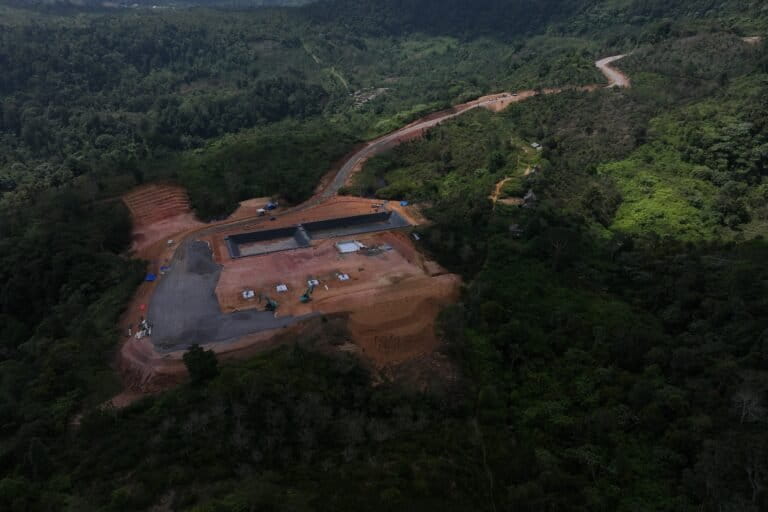
The rapid expansion of geothermal energy projects within Indonesia’s protected forest zones has ignited a fierce debate regarding the compatibility of "green" energy extraction with biodiversity conservation. Recent investigative efforts by a collaborative team have uncovered substantial industrial infrastructure development deep within the heart of the Bukit Barisan Selatan National Park (TNBBS), a critical UNESCO World Heritage site. This development, which includes extensive road networks and massive containment ponds, raises profound questions about the integrity of national park management under the newly enacted Law No. 32 of 2024 concerning the Conservation of Biological Natural Resources and Ecosystems.

Ketika Panas Bumi Cabik Hutan Warisan Dunia

The Anatomy of Industrial Encroachment

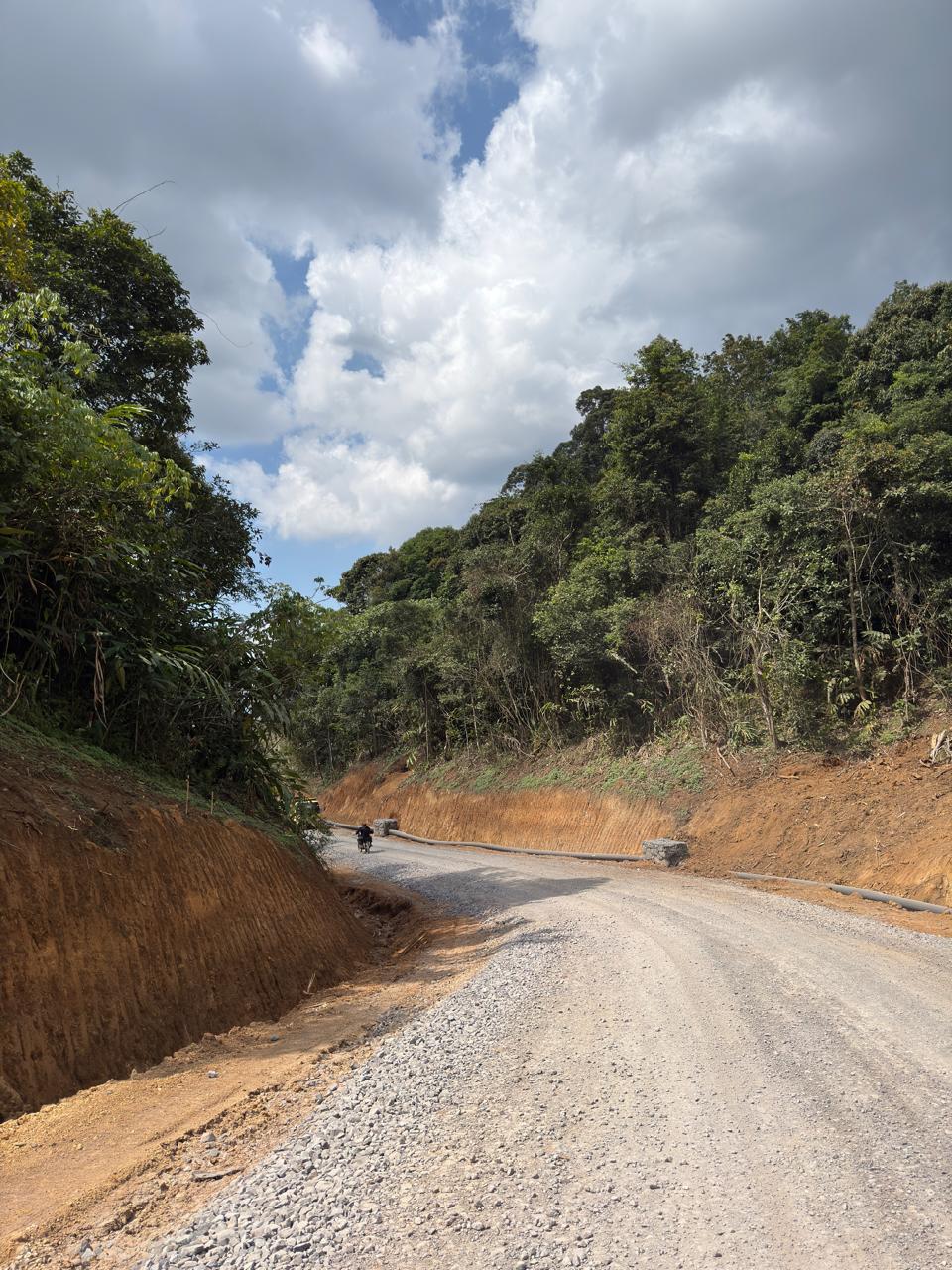
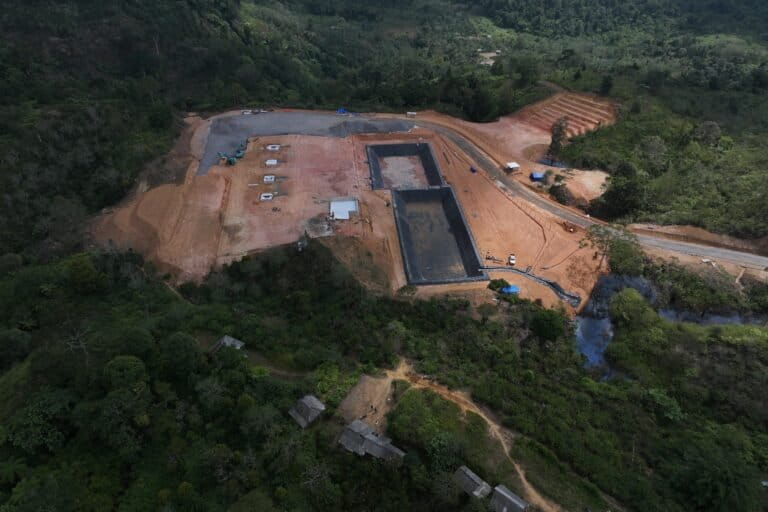
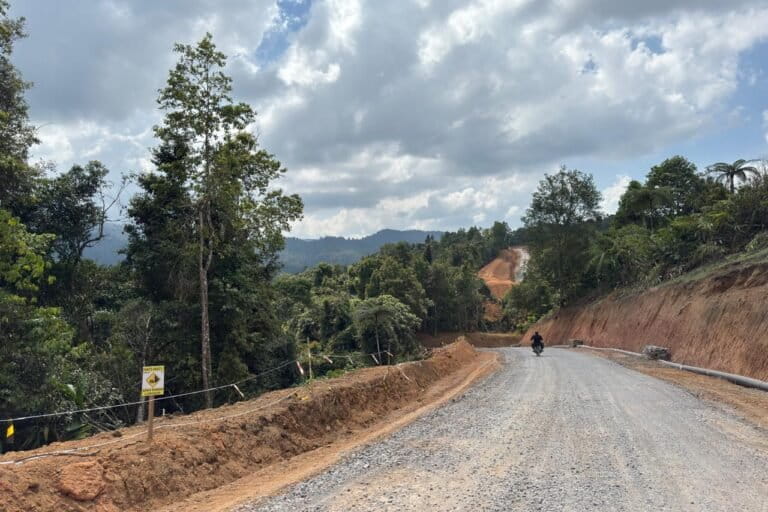
Field reports from early August 2026 describe a sprawling industrial road, approximately 16 meters in width, carving through the pristine landscape of the TNBBS. The route begins at the boundary of the national park in Sri Menanti Village, Sekincau District, West Lampung Regency, and penetrates roughly 10 kilometers into the protected interior. Observations made at the site revealed that the environmental impact is immediate; freshly felled trees lined the path, their foliage still green, indicating recent clearing activities.

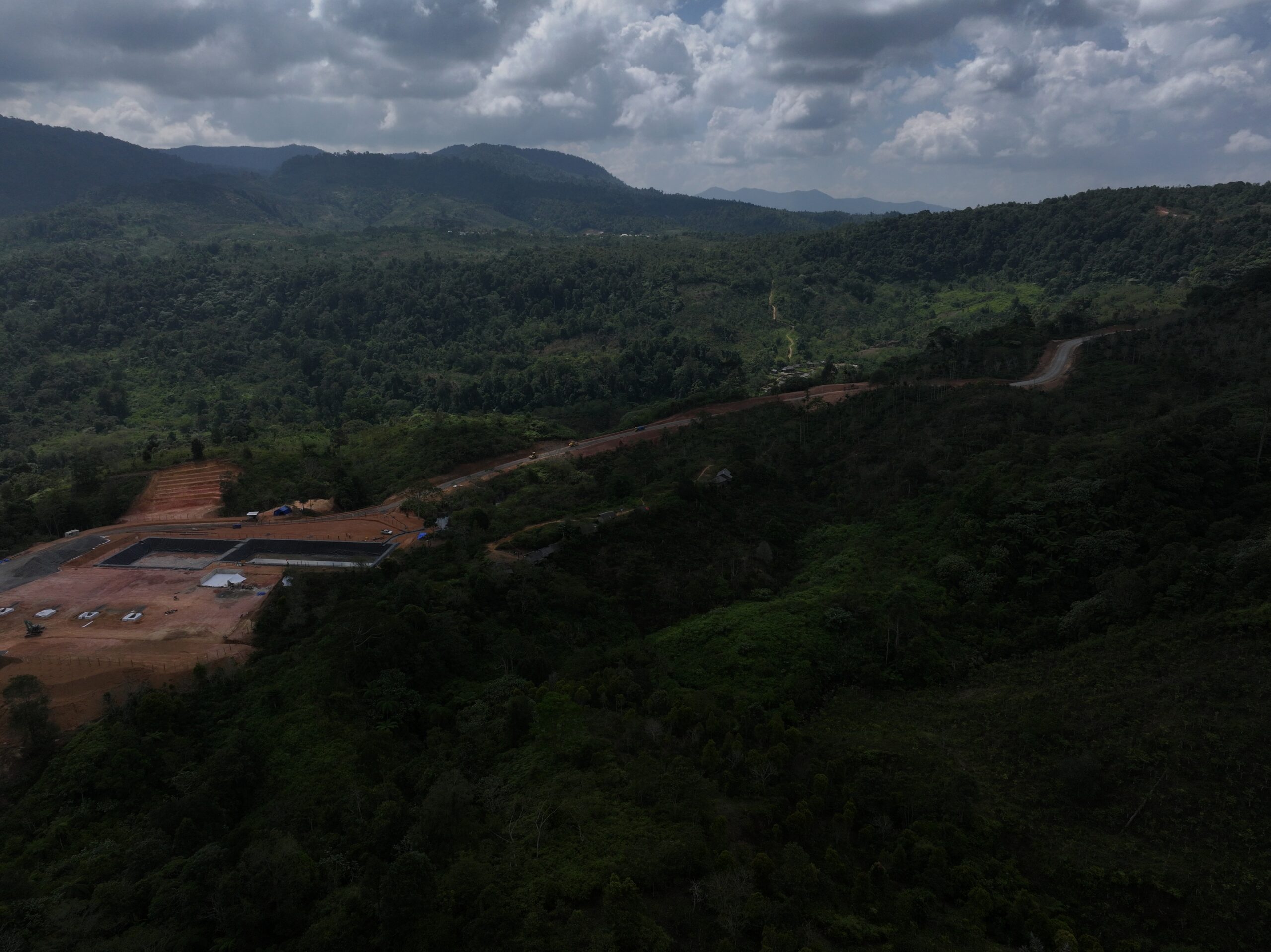
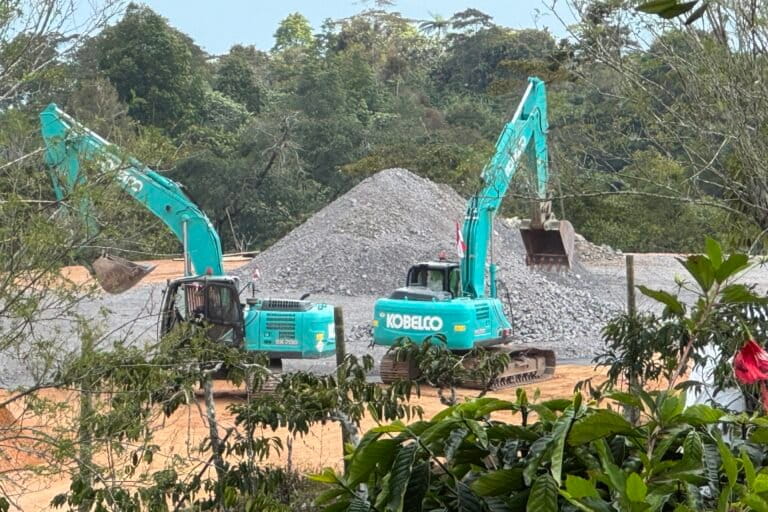
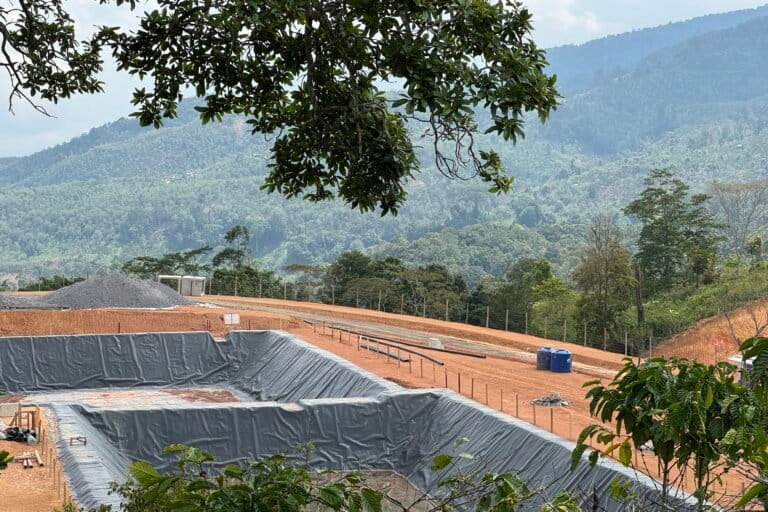
Aerial surveillance confirms the intrusive nature of the project. The road winds through the hilly topography, functioning as a scar on the forest canopy. At the terminus of this industrial artery, investigators identified a site featuring large-scale earthworks, including two expansive containment ponds currently in a dormant state, supported by heavy machinery—specifically, blue-colored excavators—stationed on-site. According to spatial analysis conducted on the 2021 TNBBS zoning maps, this entire area falls within the park’s "rehabilitation zone," a designation meant for ecological restoration rather than heavy industrial extraction.

Ketika Panas Bumi Cabik Hutan Warisan Dunia

Legislative Shifts and the "Green" Paradox

The core of the controversy lies in the implementation of the 2024 Law on the Conservation of Biological Natural Resources and Ecosystems. Environmental analysts argue that this legislation has effectively laid out a "red carpet" for geothermal developers, creating legal loopholes that allow industrial activity in areas previously considered sacrosanct.

Suprinti Yohar, Director of the Auriga Nusantara Foundation, emphasized the gravity of these legislative maneuvers. "The government may be utilizing the law to facilitate the entry of geothermal projects into national parks," Yohar stated. "However, the fundamental issue remains the environmental impact assessment (Amdal). Does the construction of roads and industrial infrastructure, which fundamentally alters the topography and landscape, truly align with the preservation goals of a national park? We are seeing a transformation of the landscape that goes far beyond simple energy extraction."

Ketika Panas Bumi Cabik Hutan Warisan Dunia

Implications for Biodiversity and UNESCO Status

Taman Nasional Bukit Barisan Selatan is not merely a regional forest; it is a vital component of the Tropical Rainforest Heritage of Sumatra, a UNESCO World Heritage site. The park provides a sanctuary for some of the world’s most endangered species, including the Sumatran tiger, the Sumatran elephant, and the Sumatran rhinoceros, alongside a vast array of endemic bird and plant species.

The fragmentation of these habitats is a primary concern for conservationists. When large-scale industrial projects are introduced into these corridors, the physical barriers—such as wide roads and high-voltage power lines—disrupt natural migration patterns and breeding grounds. Irfan Tri Musri, Executive Director of the Indonesian Forum for the Environment (WALHI) in Lampung, highlights the systemic lack of transparency regarding these projects. "There is a complete absence of accessible public data or comprehensive disaster risk assessments for this project," Musri noted. "We have repeatedly requested access to the impact studies, but they remain shielded from public scrutiny."

Ketika Panas Bumi Cabik Hutan Warisan Dunia

The Chronology of Silence

The investigative team’s attempts to secure official statements from regional authorities have been met with a pattern of avoidance and administrative obfuscation.

  • Early August 2026: Attempts were made to interview the Regent of West Lampung, Parosil Mabsus, regarding the infrastructure development. The Regent was unavailable in the capital city, Liwa, at the time of the visit.
  • August 6, 2026: A formal request for comment was directed to the Governor of Lampung, Rahmat Mirzani Djauzal, following his return from an official trip to China.
  • August 6, 2026: The investigative team visited the headquarters of the TNBBS management in Kota Agung, Tanggamus. Despite prior attempts to coordinate with the Head of the TNBBS Center, Hifzon Zawahiri, the officials declined to meet.
  • Administrative Evasion: During the visit, the team was told by staff that the leadership was in a meeting. By midday, the Secretary of the TNBBS Center claimed the leadership had been absent since the morning, contradicting reports from internal sources who confirmed that the officials were indeed present in the building at the time.

Even the Ministry of Communication and Informatics in Lampung seemed detached from the environmental implications. During a phone inquiry, the head of the department questioned the necessity of the investigation, asking, "Is it really forbidden? In your opinion, is it wrong? Is it allowed? I need to understand your perspective first." This response underscores a broader issue: a lack of clear communication between government agencies and the public regarding the prioritization of energy development over environmental preservation.

Ketika Panas Bumi Cabik Hutan Warisan Dunia

Analyzing the "Clean Energy" Narrative

The Indonesian government frequently promotes geothermal power as a cornerstone of its transition to renewable energy. However, the definition of "clean" energy is increasingly being challenged when the lifecycle of the project is considered. Critics argue that the government’s focus remains strictly on the output—the megawatts generated—while ignoring the significant environmental cost of the "upstream" processes.

The construction of access roads, the clearing of forest for wellpads, the installation of steam pipeline networks, and the creation of electricity substations constitute a permanent industrial footprint. In a tropical ecosystem as sensitive as the Bukit Barisan Selatan, these activities do not merely "extract" energy; they fragment ecosystems, increase the risk of landslides, and potentially contaminate local watersheds.

Ketika Panas Bumi Cabik Hutan Warisan Dunia

Broader Implications for National Policy

The case of the TNBBS project serves as a microcosm of a larger national struggle. As Indonesia seeks to meet its ambitious net-zero targets by 2060, the pressure to exploit geothermal resources—which are often located in volcanic, mountainous, and forested regions—will continue to mount.

If the current legal framework continues to prioritize extractive industries over ecological integrity, Indonesia risks losing the very natural capital that provides essential ecosystem services, such as carbon sequestration and flood mitigation. The international community, particularly UNESCO, has historically been wary of infrastructure development in the Tropical Rainforest Heritage of Sumatra. Continued encroachment could potentially lead to the downgrading or revocation of the park’s protected status, a move that would represent a significant setback for Indonesia’s global environmental commitments.

Ketika Panas Bumi Cabik Hutan Warisan Dunia

Conclusion and Future Outlook

As of September 2026, the industrial activity within the Bukit Barisan Selatan National Park continues unabated, despite the growing chorus of concern from civil society and environmental organizations. The upcoming release of a comprehensive serial report on "Geothermal in World Heritage Forests" is expected to bring further scrutiny to the project’s environmental impact assessments and the legality of its presence in the rehabilitation zone.

For the time being, the silence from government officials suggests an uncomfortable reality: the regulatory mechanisms designed to protect Indonesia’s natural heritage are increasingly being repurposed to facilitate industrial advancement. The question remains whether the preservation of the nation’s last remaining biodiversity hotspots can survive the relentless pursuit of energy development, or if the "green" label will continue to serve as a shroud for the degradation of the country’s most precious ecosystems.

September 10, 2026 0 comment
0 FacebookTwitterPinterestEmail
Science

Ice Age Origins of One of Humanity’s Oldest Drug Habits

by admin September 10, 2026
written by admin

Humanity’s long-standing relationship with psychoactive substances is often framed within the context of the Neolithic Revolution, a period roughly 13,000 years ago marked by the transition from nomadic foraging to sedentary agriculture. Conventional archaeological wisdom has long held that the domestication of crops—specifically those suitable for fermentation—served as the primary catalyst for the development of intoxicating substances like alcohol. However, a groundbreaking study published in the journal Science Advances challenges this timeline, suggesting that the human pursuit of mind-altering experiences dates back at least 25,000 years to the Pleistocene epoch. By analyzing skeletal remains from the Indonesian island of Sulawesi, researchers have uncovered evidence that ancient hunter-gatherers were consuming betel nuts, a practice that predates established agricultural timelines by over two decades.

The betel nut, the seed of the Areca catechu palm, remains one of the most widely consumed stimulants in the world today. Ranking in popularity just behind alcohol, caffeine, and nicotine, the substance is a cultural cornerstone across Southeast Asia, the Indian subcontinent, and parts of the Pacific. While modern preparations typically involve wrapping a piece of the nut in a piper betle leaf coated with slaked lime (calcium hydroxide) and sometimes tobacco, the ancient usage pattern appears to have been markedly different.

Archaeological Evidence and Dental Anomalies

The evidence for this ancient habit was unearthed through a meticulous examination of two sets of skeletal remains found in the Leang Bulu’ Sipong cave complex in Sulawesi. The older individual, a forager who lived between 25,000 and 16,000 years ago, and a younger individual dating to between 7,600 and 6,300 years ago, both exhibited distinct dental pathologies. Forensic anthropologists noted deep, U-shaped grooves on the surfaces of their teeth, an anomaly rarely documented in other ancient hunter-gatherer populations from the same geographic region.

These dental markers provided the initial clue. Archaeologists hypothesized that the grooves were not the result of dietary abrasives or habitual tool usage, but rather the consequence of repeatedly sucking on hard, fibrous seeds. To test this, researchers led by Adam Brumm of Griffith University’s Australian Research Centre for Human Evolution conducted a series of laboratory experiments. They successfully demonstrated that sucking on raw, unprocessed betel nuts releases significant concentrations of arecoline, the plant’s primary neuroactive alkaloid.

Biochemical Analysis and the Frog Egg Experiment

The challenge in verifying this hypothesis lay in the traditional understanding of how arecoline acts upon the human nervous system. Previous studies had posited that the stimulant properties of the betel nut only become biologically active when the nut is processed with slaked lime, which alters the pH of the mixture. To circumvent this, the research team utilized an innovative bio-assay: they soaked betel nuts in artificial saliva and introduced the resulting extract to cloned human receptors expressed in frog egg cells.

Humans experimented with drugs 23,000 years earlier than we thought

These receptors, acting as molecular switches for neural activity, responded to the raw extract, confirming that arecoline levels are sufficient to elicit physiological and neurological changes without the need for lime additives. Furthermore, mass spectrometry analysis of the dental calculus found on the Sulawesi skeletons confirmed the presence of chemical signatures consistent with the Areca palm. This combination of structural dental evidence and biochemical verification provides a robust argument that Paleolithic humans were actively seeking the psychoactive effects of the plant long before the dawn of the Bronze Age.

A Cycle of Self-Medication

The implications of this discovery extend beyond mere chronology. The study suggests a sophisticated, if potentially destructive, relationship between these early humans and their environment. Arecoline is a natural analgesic, and the researchers believe that the habitual use of betel nuts may have served as a form of prehistoric self-medication.

"Sucking these hard, abrasive seeds wore down the foragers’ teeth so badly that in some cases the inner pulp chamber became completely exposed," explained Dr. Brumm. This exposure would have caused significant oral pain, likely driving the individuals to continue the practice to manage the very agony the habit was causing. This creates a compelling narrative of a "self-reinforcing" cycle, where the psychoactive relief provided by the nut encouraged continued use, ultimately leading to the severe dental degradation observed in the remains.

Chronological Context: Shifting the Timeline of Human Intoxication

To understand the magnitude of this discovery, it is necessary to view it against the backdrop of human history:

  • 25,000 Years Ago: Earliest evidence of betel nut use identified in Sulawesi, Indonesia.
  • 13,000 Years Ago: The Neolithic Revolution begins; evidence of early fermented alcoholic beverages emerges in the Levant and Mesopotamia.
  • 7,000 Years Ago: Increased evidence of psychoactive plant usage associated with the rise of complex, settled societies.
  • 1,500 BCE (Bronze Age): Established, widespread documentation of stimulant use across various ancient civilizations.

By pushing the origin of this habit back to 25,000 years ago, the study effectively separates the discovery of psychoactive substances from the emergence of large-scale agriculture. This suggests that the impulse to alter consciousness is not an unintended byproduct of food production, but a deliberate, long-standing human behavior that persisted through the rigors of a nomadic, foraging lifestyle.

Implications for Modern Drug Habits

The findings published in Science Advances have sparked a broader conversation regarding the universality of drug use. The study suggests that many modern habits are, in fact, "deeply rooted in forager traditions." This perspective shifts the academic focus away from viewing drug use as a modern societal pathology and toward understanding it as a deeply ingrained aspect of the human condition that has traveled with our species through millennia of environmental and cultural shifts.

Humans experimented with drugs 23,000 years earlier than we thought

Furthermore, the research provides a cautionary tale regarding the long-term biological costs of such habits. The severe dental pathologies observed in the Sulawesi remains illustrate that the pursuit of chemical stimulation has historically involved a trade-off with physical health.

Scientific Community Reception and Future Research

While the evidence from the Sulawesi site is compelling, the scientific community is already looking toward further validation. Future research will likely focus on other archaeological sites in the region to determine if this practice was localized to Sulawesi or if it represented a more widespread, inter-regional tradition among Pleistocene populations.

The use of advanced biochemical analysis—such as the cloning of human receptors for testing—marks a significant step forward in how archaeologists can identify the use of organic materials that do not leave traditional tools or artifacts behind. As technology continues to refine our ability to detect alkaloids and botanical residues in ancient dental tissue, it is highly probable that the timeline of human interaction with psychoactive plants will continue to be revised, potentially revealing an even deeper history of chemical exploration than currently imagined.

In summary, the discovery in Indonesia serves as a pivotal reminder that the history of human behavior is often far more complex than the transition from "primitive" to "civilized" suggests. The consumption of the betel nut, far from being a modern vice or a byproduct of farming, appears to be an ancient, deliberate, and medically self-reinforcing tradition that has been a part of the human experience since the height of the Ice Age.

September 10, 2026 0 comment
0 FacebookTwitterPinterestEmail
Education

Discovery of 4,300-Year-Old Egyptian Tombs with Remarkably Preserved Reliefs Sheds New Light on the Late Fifth Dynasty

by admin September 10, 2026
written by admin

In a remarkable archaeological breakthrough that continues to captivate historians and scholars worldwide, a joint Egyptian-Spanish archaeological mission has successfully unearthed two ancient burial sites belonging to high-ranking officials in Egypt. Dating back approximately 4,300 years to the reign of King Djedkare Isesi during the Old Kingdom period, the newly discovered tombs have left researchers astounded by the exceptional preservation and aesthetic quality of their internal stone reliefs. Announced by the Egyptian Ministry of Tourism and Antiquities, this monumental discovery offers unprecedented insights into the administrative structures, social hierarchy, and artistic prowess of the late Fifth Dynasty.

The significance of these subterranean monuments extends far beyond their mere antiquity. While thousands of tombs have been cataloged across Egypt’s vast desert landscapes, finding structures from the Old Kingdom that retain such vibrant, intact colors and sophisticated artistic detailing is exceptionally rare. The ongoing excavations not only enrich our understanding of ancient Egyptian funerary architecture but also provide a tangible window into the daily lives, agricultural practices, and bureaucratic operations of individuals who served at the heart of the pharaonic state.

Masih Estetik! Relief di Pemakaman Pejabat Mesir Kuno Meski Berusia 4.300 Tahun

Architectural Marvels of the Old Kingdom

The newly discovered burial complex takes the form of a medium-sized mastaba—a traditional flat-roofed, rectangular tomb structure characteristic of early Egyptian elite burials. Inside this architectural framework, archaeologists uncovered two distinct funerary chapels that served as places of remembrance and offering for the deceased officials.

The northern chapel, which is notably larger and more prominent, belonged to an official named Yunmin. Historical inscriptions recovered from the site reveal that Yunmin held significant administrative sway during his lifetime. His impressive portfolio of titles included serving as a high-ranking judge and director of the court, positions that placed him at the center of the legal and political machinery of the Fifth Dynasty. Furthermore, Yunmin led the corps of royal scribes responsible for processing public petitions and administrative grievances, highlighting his crucial role in maintaining social order and governance under King Djedkare Isesi.

Directly adjacent to Yunmin’s chapel lies the second, slightly more modest structure, which belonged to his father, Iti. Epigraphic evidence indicates that Iti was also deeply embedded in the state’s bureaucratic apparatus, performing vital scribal duties closely tied to agricultural land management and the oversight of divine and funerary offerings. Both chapels are strategically oriented to face the eastern wall of the mastaba, aligning with ancient Egyptian religious symbolism associated with rebirth, the rising sun, and the eternal journey of the soul.

Masih Estetik! Relief di Pemakaman Pejabat Mesir Kuno Meski Berusia 4.300 Tahun

Vivid Windows into the Past: Artistry and Agriculture

What has truly distinguished this discovery in the global archaeological community is the breathtaking condition of the wall reliefs and painted scenes adorning the interior chambers. Despite weathering more than four millennia beneath the sands of Saqqara or nearby archaeological zones, the pigments used by ancient artisans have retained much of their original brilliance.

The walls are meticulously decorated with finely carved and painted reliefs depicting a wide array of scenes. These include vivid representations of agricultural labor—such as harvesting crops, tending to livestock, and managing agrarian yields—alongside solemn ritual processions of attendants carrying offerings for the deceased. These visual narratives were not merely decorative; in ancient Egyptian theology, they served a functional purpose, magically sustaining the deceased in the afterlife through the perpetual representation of life-giving provisions.

For art historians and epigraphers, the survival of these colors provides an invaluable dataset. The distinct painting techniques, proportional guidelines, and stylistic nuances observed in the Yunmin and Iti chapels offer a pristine benchmark for studying the evolution of Old Kingdom artistic expression during the twilight of the Fifth Dynasty. The crisp lines and sophisticated use of color underscore a society that placed immense cultural and economic value on elite craftsmanship and eternal memory.

Masih Estetik! Relief di Pemakaman Pejabat Mesir Kuno Meski Berusia 4.300 Tahun

Historical Context and Chronological Significance

To fully appreciate the weight of this discovery, it is essential to examine the historical milieu of the Fifth Dynasty of Egypt, which spanned roughly from 2494 BCE to 2345 BCE. This era was characterized by the decentralization of royal power, the rise of powerful provincial governors and high-ranking bureaucrats, and significant architectural achievements, including the pyramid complexes of Abusir and Saqqara.

King Djedkare Isesi, under whose reign Yunmin and Iti lived and served, ruled for over three decades and oversaw a period of administrative reform and extensive trade expeditions. The presence of such elaborate, finely decorated mastabas for non-royal officials reflects a broader socioeconomic trend of the late Old Kingdom: high-ranking bureaucrats accumulated sufficient wealth, prestige, and royal favor to commission monumental tombs that rivaled those of minor royals in artistic sophistication.

The chronology of the excavation unfolded as part of a strategic, long-term collaboration between the Egyptian Ministry of Tourism and Antiquities and Spanish academic institutions. Over the past decade, joint missions have systematically surveyed neglected sectors of Egypt’s historic necropolises, employing advanced non-invasive imaging technologies alongside traditional excavation methods. The identification of the mastaba belonging to Yunmin and Iti was the culmination of months of careful stratigraphic removal of sand and debris, culminating in the breakthrough opening of the subterranean chapels.

Masih Estetik! Relief di Pemakaman Pejabat Mesir Kuno Meski Berusia 4.300 Tahun

Official Responses and Academic Implications

The announcement made by Egypt’s Ministry of Tourism and Antiquities has generated widespread acclaim from international Egyptologists and cultural heritage organizations. Senior ministry officials emphasized that the discovery underscores the ongoing success of national preservation strategies and international scientific partnerships. By fostering joint missions with foreign academic bodies, Egypt continues to unlock new chapters of its unrivaled civilizational heritage while bolstering modern archaeological training and site management protocols.

Leading academic figures specializing in Old Kingdom studies have noted that the recovery of Yunmin’s judicial and scribal records offers fresh empirical evidence regarding how legal disputes and land petitions were handled during the third millennium BCE. While archaeological excavations frequently unearth royal monuments, discovering the private tombs of middle-to-high-tier administrators provides a more balanced, granular perspective on the socioeconomic fabric of ancient Egyptian society.

Furthermore, conservators from the ministry have already initiated emergency stabilization procedures to protect the fragile pigments from environmental degradation. Exposure to modern atmospheric conditions, fluctuating humidity, and microbial threats can rapidly compromise ancient organic binders and mineral paints. Consequently, strict climate-control measures and specialized conservation protocols are being implemented inside the chapels to ensure that the 4,300-year-old colors remain vibrant for future generations of researchers and potential visitors.

Masih Estetik! Relief di Pemakaman Pejabat Mesir Kuno Meski Berusia 4.300 Tahun

Broader Impact on Tourism and Cultural Heritage Management

Beyond its immediate academic value, the unearthing of the tombs of Yunmin and Iti carries considerable implications for Egypt’s cultural tourism sector. As the nation continues to recover and expand its tourism infrastructure through mega-projects such as the Grand Egyptian Museum (GEM) and enhanced site accessibility across Giza, Saqqara, and Luxor, newly discovered antiquities serve as powerful catalysts for global cultural engagement.

The Ministry of Tourism and Antiquities has signaled that once conservation and documentation phases are fully completed, these tombs could eventually be integrated into specialized cultural heritage itineraries, offering visitors a deeper dive into the administrative and artistic achievements of the Old Kingdom. Such initiatives align with Egypt’s broader vision of diversifying its tourism offerings, steering travelers toward lesser-known archaeological zones and promoting educational, research-driven tourism.

Ultimately, the unearthing of the tombs of Yunmin and Iti serves as a poignant reminder of the enduring allure of ancient Egypt. More than four millennia after these master stonemasons and painters laid down their chisels and brushes, their meticulous work continues to speak across the centuries, bridging the vast expanse of human time and offering modern humanity a brilliant, colorful glimpse into a sophisticated ancient world.

September 10, 2026 0 comment
0 FacebookTwitterPinterestEmail
Politics

3 Sungai Raksasa RI ‘Hilang’, Kalimantan Tertutup ‘Gurun Pasir’ Baru

by admin September 10, 2026
written by admin

The severe impacts of a prolonged dry season have manifested dramatically across Indonesia, particularly in the island of Kalimantan, where critical waterways have experienced unprecedented drops in water levels, transforming parts of major river basins into arid, desert-like expanses. Among the hardest-hit regions is the Barito River in Central Kalimantan, a vital hydrological artery that has historically sustained local ecosystems, transportation networks, and millions of residents. Recent documentation from the area, including widely circulated visual reports from Muara Teweh, highlights an alarming environmental crisis as major Indonesian rivers effectively disappear under the scorching heat of an intensified drought cycle.

The phenomenon of shrinking major rivers is not an isolated occurrence but rather the culmination of shifting climatic patterns, compounded by seasonal weather anomalies that have severely disrupted normal precipitation cycles across the archipelago. As meteorological agencies continue to monitor the progression of extended dry spells, environmental experts and local authorities are grappling with the immediate and long-term consequences of what many are describing as a profound ecological transformation within Indonesia’s primary river systems.

Chronology and Progression of the Drought Crisis

The degradation of Kalimantan’s river systems did not happen overnight; it represents a progressive deterioration that intensified significantly over preceding months. The initial phase of the crisis began with a delayed rainy season, characterized by erratic and well-below-average rainfall across the upstream regions of Central and South Kalimantan. As precipitation failed to replenish the natural catchment areas, water levels in major tributaries began a steady and precipitous decline.

By the mid-point of the dry season, standard hydrological monitoring stations started recording historic lows. Rivers that typically serve as deep, navigable channels for commercial barge traffic and local commuter boats began to expose vast sandbars and dry riverbeds. In the Muara Teweh region specifically, the Barito River reached critical thresholds by August and September, dropping to depths that paralyzed local navigation and fundamentally altered the surrounding landscape. The progressive drying out of these aquatic highways has effectively cut off numerous remote communities that rely entirely on river transport for trade, medical access, and daily mobility.

Alarming Data and Hydrological Metrics

The statistical reality of the Barito River’s recession underscores the severity of the current meteorological event. Under normal seasonal conditions, the water level of the Barito River in the Muara Teweh area generally fluctuates between 5 and 11.5 meters, providing ample draft for heavy vessel traffic and maintaining a robust aquatic ecosystem. However, recent measurements captured during the peak of the dry season revealed an astonishing drop, with water levels plummeting to a mere 0.6 meters.

This drastic reduction of over 90 percent from standard baseline levels has rendered large sections of the river completely impassable. Similar alarming metrics have been recorded across other major river networks in Kalimantan, where expansive sandbanks—locally likened to new desert landscapes—have emerged where deep, flowing currents once dominated. The exposure of these vast sandy expanses not only alters the physical geography of the river basins but also drastically reduces the surface area of open water, accelerating evaporation rates and compounding the regional water deficit.

Socio-Economic and Logistical Disruptions

The evaporation and contraction of Kalimantan’s giant rivers have triggered a cascading series of socio-economic challenges for the region. Foremost among these is the severe disruption of the logistics and transportation sector. The Barito River serves as a primary economic corridor for the transport of vital commodities, notably coal and agricultural products, from interior mining sites and plantations to coastal ports. With water depths dropping below critical navigation minimums, commercial tugboats and barges have been forced to halt operations or significantly reduce their payloads, resulting in substantial economic losses for regional industries.

Furthermore, local communities that depend on the river for their daily livelihoods face acute hardship. Fishermen report a catastrophic decline in catch yields as fish habitats shrink and water temperatures rise. Domestic water intake facilities, which draw raw water directly from the rivers for municipal treatment and distribution, have struggled to operate efficiently, leading to potable water shortages in several riverside towns and settlements.

Environmental Implications and Ecosystem Stress

Beyond the immediate logistical and economic fallout, the drying of the Barito River poses severe, long-term threats to the environmental stability of the region. River ecosystems are highly sensitive to hydrological fluctuations; the sudden loss of water volume leads to concentrated pollution levels, reduced dissolved oxygen, and massive die-offs of aquatic flora and fauna.

Wetlands and peatlands adjacent to the river basins, which act as crucial carbon sinks and natural water regulators, are also drying out rapidly. The desiccation of these peat soils significantly elevates the risk of catastrophic land and forest fires, threatening to unleash massive amounts of carbon dioxide into the atmosphere and blanket the region in hazardous haze. Environmental scientists emphasize that the ecological recovery of these river basins will require sustained, above-average rainfall over extended periods, coupled with rigorous watershed management and conservation efforts to mitigate future vulnerabilities.

Official Responses and Mitigation Strategies

In response to the escalating crisis, regional governments, disaster management agencies, and relevant ministries have mobilized to address the immediate needs of affected populations and coordinate emergency responses. Local disaster mitigation boards (BPBD) have initiated distribution clean water supplies to communities facing severe shortages due to compromised municipal water intakes.

Authorities are also collaborating with transportation associations to establish alternative overland supply routes where possible, attempting to bypass impassable river stretches and maintain the flow of essential goods. Long-term policy discussions are increasingly focused on climate adaptation strategies, including the development of advanced water retention infrastructure, enhanced reforestation programs in upstream catchment areas, and stricter zoning laws to protect riparian zones from further environmental degradation. As Indonesia navigates these intensifying climatic shifts, the plight of Kalimantan’s drying rivers serves as a stark reminder of the urgent need for comprehensive environmental resilience planning.

September 10, 2026 0 comment
0 FacebookTwitterPinterestEmail
Science

‘Squid butt’ fossil belongs to one of the ‘chunkiest’ cephalopods ever discovered

by admin September 10, 2026
written by admin

Paleontologists have officially classified a long-overlooked fossil specimen as a distinct species of belemnite, a group of ancient, squid-like cephalopods that dominated Mesozoic oceans. The discovery of Wyoteuthis linsterorum, described in a recent study published in the journal Papers in Palaeontology, provides a rare look at an evolutionary outlier. Distinguishable by its remarkably robust, heavy rostrum—the internal, bullet-shaped skeleton typical of the group—this species has been colloquially noted for its "chunkiest" anatomy compared to its contemporaries. The find is not merely a taxonomic addition; it suggests that the prehistoric oceans of what is now Wyoming were far more ecologically complex and competitive than previously documented.

A Chronology of Discovery: From Storage to Science

The history of this discovery spans more than three decades, illustrating the essential role that museum archives play in modern paleontology. In the early 1990s, Burkhard Pohl, founder of the Wyoming Dinosaur Center, unearthed a fossilized belemnite rostrum in the Sundance Formation. The Sundance Formation is a renowned geological treasure trove representing a shallow, tropical inland sea that once bisected North America during the Jurassic period.

Upon discovery, the specimen was anomalous; while standard belemnites from this region typically measured two to four inches in length with a diameter of less than an inch, Pohl’s find was significantly broader, measuring 2.4 inches in width. Despite its unique proportions, the fossil lacked a clear counterpart for comparison and was placed into the museum’s storage.

The missing piece of the puzzle appeared in 2019, when fossil collector Cliff Linster uncovered a similar, exceptionally wide cephalopod remain near Ten Sleep, Wyoming. The discovery of this second specimen allowed researchers to perform a comparative analysis. Recognizing the importance of the find, the fossils were subjected to advanced computed tomography (CT) scanning. This non-invasive diagnostic technique allowed the research team to map the internal structure of the rostra without risking damage to the delicate prehistoric material. The data confirmed that these specimens represented a previously unknown genus and species, one that defied existing phylogenetic models for the period.

Anatomical Analysis and Evolutionary Significance

The rostrum of a belemnite serves as the primary diagnostic tool for paleontologists. Unlike the shells of modern nautiluses or the internal pens of modern squids, the belemnite rostrum was a dense, calcitic structure that provided buoyancy and structural support. The sheer mass of the W. linsterorum rostrum suggests an animal that, when alive, reached lengths of approximately two feet.

‘Squid butt’ fossil belongs to one of the ‘chunkiest’ cephalopods ever discovered

This size discrepancy between W. linsterorum and the more common Pachyteuthis genus of the same era is telling. Researchers believe that the evolution of such a bulky, specialized body plan was a direct response to selective pressures within the Sundance sea. The presence of two specimens with similar, robust features indicates that this was not a localized mutation or a growth anomaly, but rather a successful evolutionary strategy.

By analyzing the ecological niche of these creatures, experts suggest that W. linsterorum functioned as an apex predator within its specific micro-habitat. While the term "predator" is often associated with large marine reptiles like pliosaurs, the cephalopod world was also a theater of intense competition. The physical robustness of this species likely provided a tactical advantage, enabling it to dominate the local food chain by targeting smaller, more vulnerable cephalopods.

Insights from the Research Team

The collaborative effort behind the identification of W. linsterorum included an international panel of experts, including Bill Wahl, Jessica Lippincott, and Alexey Ippolitov. Their findings suggest that W. linsterorum belongs to a lineage previously thought to have gone extinct millions of years earlier, effectively extending the known temporal range of that particular belemnite family.

"After spending years fossil hunting in Wyoming and collecting countless fossils of the common Pachyteuthis belemnites here, this one is unlike anything I have ever seen," noted Jessica Lippincott in a press statement regarding the classification.

The team’s hypothesis regarding the diet of W. linsterorum draws parallels to modern-day cephalopods. "A possible explanation is that their relatively large size gave them an advantage when hunting co-occurring smaller belemnites of the genus Pachyteuthis," explained Dr. Alexey Ippolitov. He further noted that modern squid and octopuses are notorious for their lack of dietary selectivity, frequently engaging in cannibalistic behavior or preying on closely related species to sustain their high metabolic demands. It is highly probable that W. linsterorum employed similar opportunistic feeding strategies to maintain its size advantage in the competitive Jurassic environment.

The Legacy of Cliff Linster

The species name, Wyoteuthis linsterorum, serves as a posthumous tribute to Cliff Linster, who played a pivotal role in the discovery of the second specimen. Linster, a dedicated amateur paleontologist, passed away in June 2026. His contribution underscores a recurring theme in the history of science: the indispensable partnership between professional researchers and the community of citizen scientists who spend countless hours in the field.

‘Squid butt’ fossil belongs to one of the ‘chunkiest’ cephalopods ever discovered

The discovery serves as a reminder that museum collections are often "gold mines" of untapped data. The fact that the first specimen sat in storage for 30 years before being contextualized by the second find highlights the importance of institutional preservation. As new imaging technologies become more accessible, it is likely that other specimens currently resting in museum drawers will be re-evaluated, potentially leading to further revisions of the fossil record.

Broader Implications for Paleontology

The identification of W. linsterorum has broader implications for how we view the diversity of Jurassic cephalopods. Traditionally, paleontologists have focused heavily on the larger vertebrate fossils—the dinosaurs and marine reptiles—that dominated the Mesozoic. However, the study of invertebrates like belemnites provides a much more granular view of the environmental health and evolutionary turnover of these ancient seas.

This find also raises questions about the extinction patterns of cephalopods. Because the lineage to which W. linsterorum belongs was thought to have disappeared earlier, the discovery suggests that our understanding of "extinction events" in the fossil record may be incomplete. It suggests that certain groups may have persisted in isolated niches or that our current sampling methods have simply missed them.

As the scientific community continues to analyze the Sundance Formation and other similar sites, the focus is shifting toward a more comprehensive understanding of the entire ecosystem. The "chunky" cephalopod from Wyoming is now a benchmark for future research into how these creatures navigated the complex, shifting seas of the Jurassic period. By bridging the gap between historical specimens and modern analytical technology, the researchers have not only added a new name to the taxonomic register but have also deepened the narrative of how life evolves under the pressure of the deep.

September 10, 2026 0 comment
0 FacebookTwitterPinterestEmail
Newer Posts
Older Posts

Posts Slider

Bursa Efek Indonesia Set to Implement Real-Time Flagging...

November 5, 2026

Paraguay Political Crisis Deepens as President Santiago Pena...

November 5, 2026

Potret Teror Bom Pesawat Serentak Guncang Eropa, Penumpang...

November 5, 2026

Abdul El-Sayed Mengukir Sejarah sebagai Senator Muslim Pertama...

November 5, 2026

Gigi Susu Runcing Semua? Kenali Penyebab dan Cara...

November 5, 2026

Popular Posts

  • 1

    Indonesia’s Domestic Market Obligation Policy for Palm Oil Proves Effective in Stabilizing Minyakita Prices Amidst Broader Market Dynamics.

    April 16, 2026
  • 2

    Extra Playtime Strengthens the Emotional Bond Between Owners and Dogs According to New Research

    April 22, 2026
  • 3

    Jangan Sampai Ketinggalan! Skill Excel Ini Bisa Bikin Kerja Kamu 2x Lebih Cepat

    April 16, 2026
  • 4

    Mastering Solo Queue in Mobile Legends: Bang Bang: A Deep Dive into Self-Sufficient Carry Heroes

    April 22, 2026
  • 5

    OJK Propels South Sumatra’s Regional Economy with Strategic Export Initiatives and Youth Empowerment

    April 22, 2026

Recent Posts

  • Bursa Efek Indonesia Set to Implement Real-Time Flagging System to Enhance Market Integrity and Investor Protection

    November 5, 2026
  • Paraguay Political Crisis Deepens as President Santiago Pena Resigns Amidst Ueno Bank Collapse

    November 5, 2026
  • Potret Teror Bom Pesawat Serentak Guncang Eropa, Penumpang Dievakuasi

    November 5, 2026
  • Abdul El-Sayed Mengukir Sejarah sebagai Senator Muslim Pertama Michigan dengan Pilihan Horologi yang Mencerminkan Identitas Lokal dan Profesionalisme

    November 5, 2026
  • Gigi Susu Runcing Semua? Kenali Penyebab dan Cara Merawatnya

    November 5, 2026
  • Facebook
  • Twitter

@2021 - All Right Reserved. Designed and Developed by PenciDesign


Back To Top
Nata News
  • Home

We are using cookies to give you the best experience on our website.

You can find out more about which cookies we are using or switch them off in .

Nata News
Powered by  GDPR Cookie Compliance
Privacy Overview

This website uses cookies so that we can provide you with the best user experience possible. Cookie information is stored in your browser and performs functions such as recognising you when you return to our website and helping our team to understand which sections of the website you find most interesting and useful.

Strictly Necessary Cookies

Strictly Necessary Cookie should be enabled at all times so that we can save your preferences for cookie settings.