
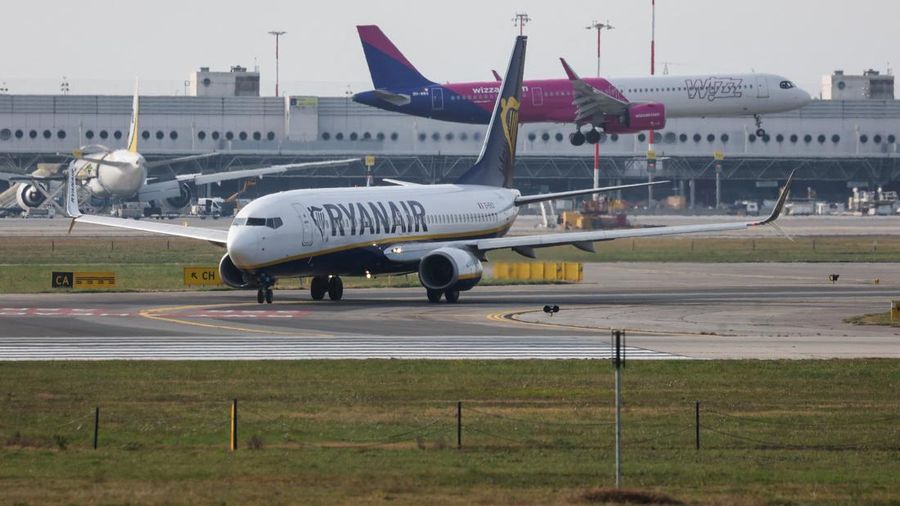
A wave of coordinated security alerts paralyzed air travel across Europe on November 5, 2026, as at least 25 commercial flights were subjected to bomb threats, forcing emergency diversions, groundings, and the scramble of fighter jets. The widespread nature of the incidents, which spanned from Ireland to Bulgaria and Italy to Scandinavia, has raised significant alarms regarding the vulnerability of the continent’s aviation infrastructure to what security experts are increasingly describing as a coordinated "hybrid warfare" campaign.
The disruption began early in the morning and continued throughout the day, creating a ripple effect of delays and logistical nightmares for thousands of passengers. While initial inspections by explosive ordnance disposal (EOD) teams across various European airports yielded no evidence of actual explosive devices, the sheer scale of the threats necessitated a massive, high-stakes security response.
Chronology of the Coordinated Disruptions
The cascade of threats appeared to follow a synchronized pattern, with authorities in multiple jurisdictions receiving notifications—mostly via email—within a narrow timeframe.
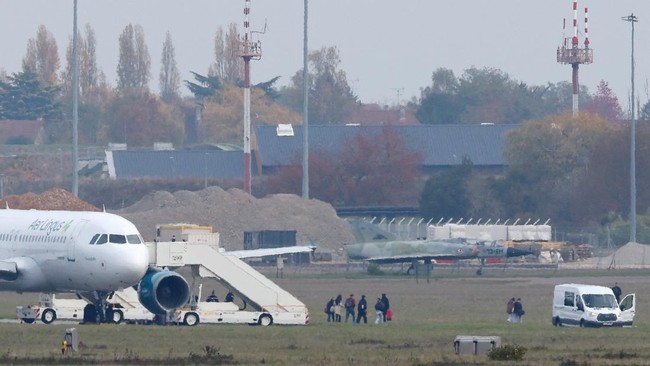
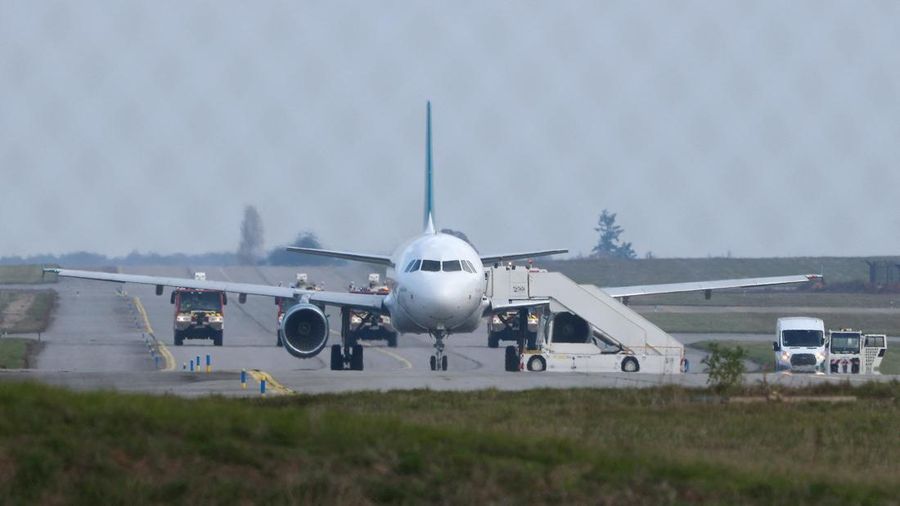
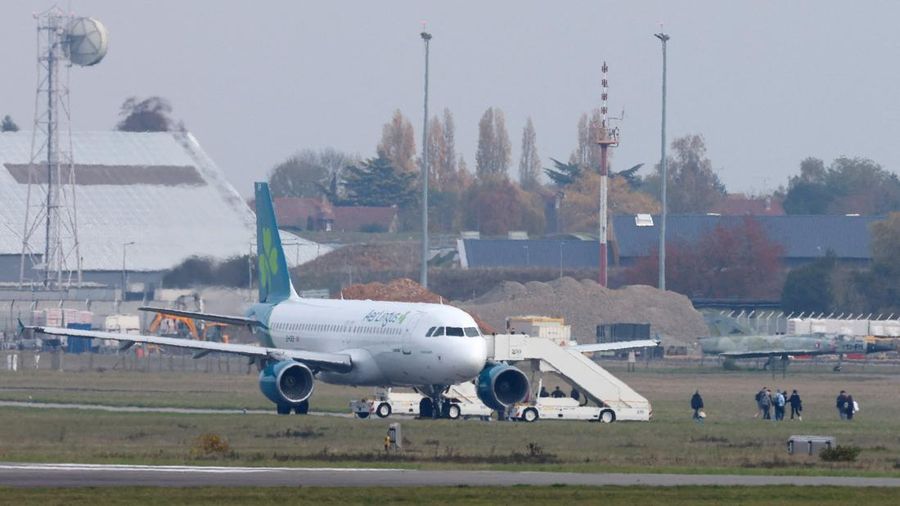
In France, a notable incident involved an Aer Lingus Airbus A320 flying from Dublin to Rome. The flight was diverted to the Evreux military airbase, located approximately 100 kilometers west of Paris, where passengers were evacuated for security screening. This high-profile diversion became an emblematic image of the day’s chaos, as heavily armed personnel and emergency services surrounded the commercial aircraft in a restricted military setting.
Simultaneously, the situation in Southern and Eastern Europe was equally tense. In Bulgaria, the Air Force was forced to scramble fighter jets to escort three commercial airliners to safety. One flight, traveling from London to Sofia, was diverted to Plovdiv, the country’s second-largest city, after an alert was flagged.
Spain experienced a particularly concentrated series of threats. Within a 20-minute window starting at 9:00 AM local time, authorities received three distinct bomb threats via email. These threats specifically targeted two Air Europa flights heading to Paris and four Iberia flights arriving from major Italian hubs, including Rome and Milan. The aircraft were ordered to remain on the tarmac or return to parking bays, effectively grounding hundreds of passengers while police conducted rigorous sweeps of the cabins and cargo holds.
The disruption extended into Northern and Central Europe as well. In the Czech Republic, multiple flights operated by EasyJet, originating from the United Kingdom, Ireland, and Greece, were forced to land under heightened security protocols at Václav Havel Airport in Prague. In Denmark, security officials at Copenhagen Airport conducted exhaustive searches of two aircraft, ultimately declaring them safe after finding no suspicious items. Meanwhile, in Italy, fighter jets were scrambled to escort a Finnair flight from Helsinki to Rome, ensuring a safe landing amidst the heightened threat environment.
The Emerging Pattern of Hybrid Warfare
Security analysts are increasingly viewing these incidents not as isolated hoaxes, but as part of a broader, more sinister strategic campaign. Eric Schouten, head of the aviation security firm Dyami, noted that the timing and geographic dispersion of the threats align with what intelligence agencies have previously described as "hybrid warfare"—a strategy that combines conventional military pressure with non-kinetic attacks on civilian infrastructure.
"These threats are not merely about causing delays," Schouten explained. "They are testing the resilience of our systems. We are seeing a pattern that includes attacks on rail networks, the targeting of essential services like blood banks, and now, a concerted effort to stress-test the aviation security apparatus across the European Union."
The implication is that these threats serve two distinct purposes. First, they cause immediate economic and psychological disruption, eroding public confidence in travel safety. Second, they act as an intelligence-gathering exercise. By forcing airports and national governments to reveal their emergency response protocols, the perpetrators are able to observe the speed of deployment, the coordination between civil and military authorities, and the specific procedures used to handle such crises.
Eliran Almog, CEO of the aviation cybersecurity firm Cyviation, echoed these sentiments. "Constant, repetitive threats are a tactic used to exhaust security resources and map out gaps in the response chain. If a state actor or a sophisticated proxy group wants to identify where a country’s air defense or emergency response is weakest, this is exactly how they would do it."
Preceding Incidents and Escalation
The events of November 5 did not occur in a vacuum. Just two days prior, on November 3, 2026, a similar wave of threats targeted seven commercial flights and a cruise ship, marking the beginning of this intense period of disruption.
Furthermore, these aviation threats have coincided with a series of cyberattacks targeting critical infrastructure across Europe. Reports have confirmed that unidentified hackers have successfully targeted industrial control systems for refrigeration in supermarkets across multiple nations, while French blood banks also reported significant operational disruptions due to cyber interference.
While no single nation or group has claimed responsibility for the specific wave of flight threats, the geopolitical climate is heavy with suspicion. Denmark, Poland, and Romania—three of the countries hardest hit by the aviation disruptions—have previously leveled accusations against Russia regarding various forms of sabotage and hybrid attacks within their borders. While the Kremlin has consistently denied these allegations, the frequency of these "coincidental" disruptions has led European security officials to prepare for a prolonged period of instability.
Economic and Logistical Implications
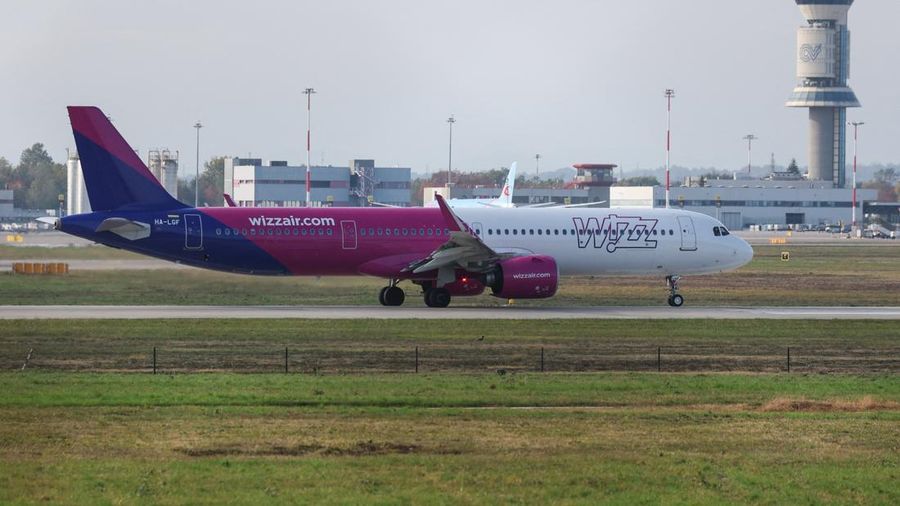
The cost of such large-scale security operations is substantial. Beyond the immediate fuel costs of diversions and the operational expenses of scrambling fighter jets, the airline industry faces significant indirect costs. These include compensation for passengers, the rescheduling of crew and aircraft, and the long-term impact of brand damage.
For the traveling public, the incidents have brought a return to the heightened anxiety levels reminiscent of the post-9/11 era. Airports across the continent are now operating under "amber" security status, with police presence bolstered in terminal buildings and baggage screening procedures intensified.
"We are dealing with a new reality," said a spokesperson for a major European aviation regulatory body. "When you have 25 flights targeted in a single day, you cannot treat every single one as a ‘prank.’ We are obligated to take every single threat seriously, which means the disruption is the intended goal, and unfortunately, it is a goal that is easily achieved with minimal investment from the perpetrators."
Official Response and Future Preparedness
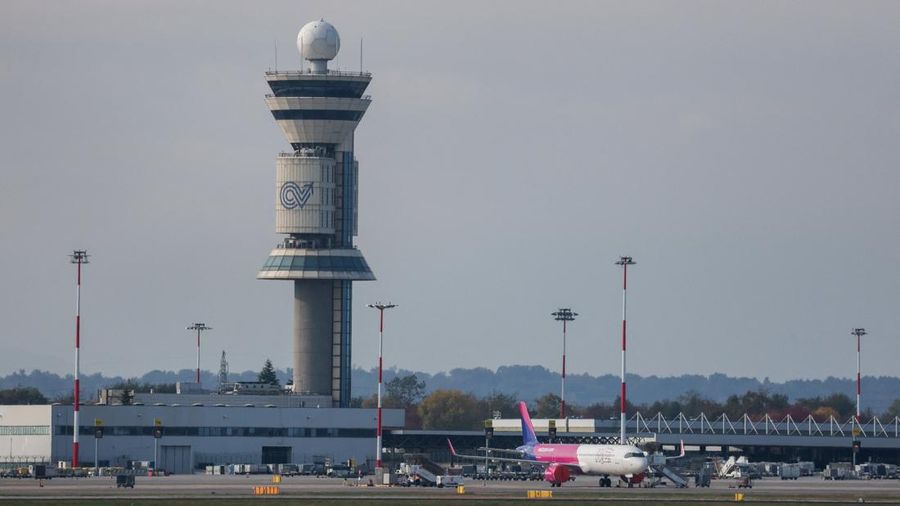
As of the evening of November 5, most European aviation authorities have begun the process of "de-escalation," allowing flights to resume their normal schedules. However, intelligence-sharing protocols between nations have been tightened. The European Union Agency for Cybersecurity (ENISA) and the European Union Aviation Safety Agency (EASA) are reportedly coordinating to analyze the origin of the digital threats, most of which have been traced back to encrypted email services.
The challenge for authorities is to distinguish between genuine threats and what is clearly a campaign of psychological warfare. "If we stop taking these threats seriously, we leave the door open for a real attack," said a security consultant based in Brussels. "If we treat every threat as a catastrophe, we effectively shut down our own economies. That is the dilemma we are currently facing."
Moving forward, the aviation sector is expected to invest heavily in AI-driven threat detection systems that can analyze the legitimacy of security alerts in real-time. By automating the screening process and improving the speed of communication between air traffic control, national defense ministries, and airport security, the goal is to minimize the "downstream" impact of these disruptive campaigns.
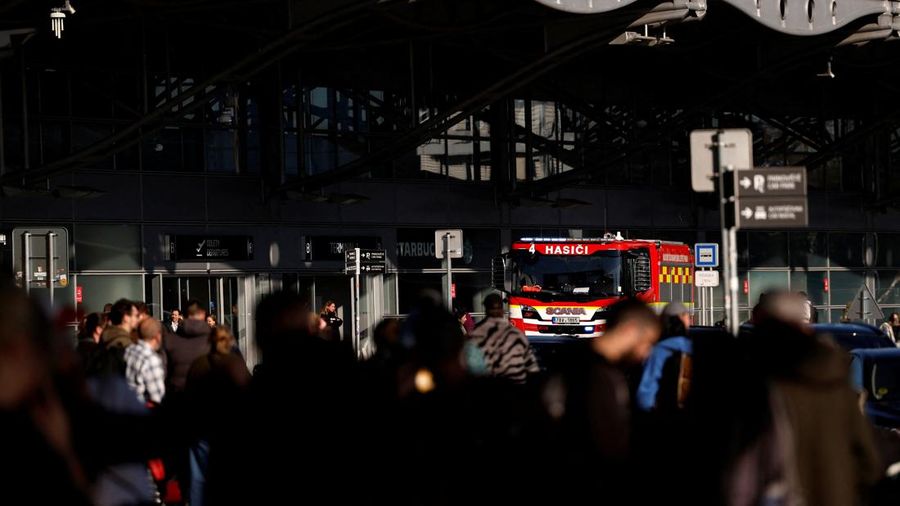
For now, the skies over Europe remain open, but the events of November 5 serve as a stark reminder that the modern battlefield has expanded. It is no longer just about territorial borders; it is about the safety of the interconnected systems that keep modern society functioning. As investigations continue, the focus will remain on identifying the sources of these threats and hardening the infrastructure that has been so clearly targeted in this unfolding crisis.

