
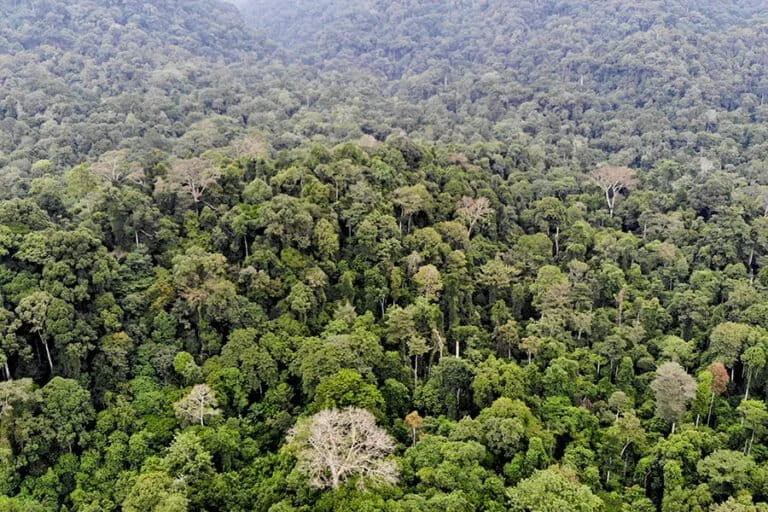
In the heart of Jambi, Indonesia, the sprawling forests of Simpang Macan Luar serve as more than a mere ecosystem for the Batin Sembilan people; they are a repository of cultural heritage, medicinal wisdom, and ancestral identity. However, as rapid deforestation driven by agricultural expansion and land speculation continues to permeate the region, the Batin Sembilan community—particularly its women—find themselves at a critical intersection of survival. The loss of forest cover is not merely an environmental crisis; it is a systematic erosion of the traditional knowledge systems, food security, and land tenure rights that have sustained this indigenous group for generations.
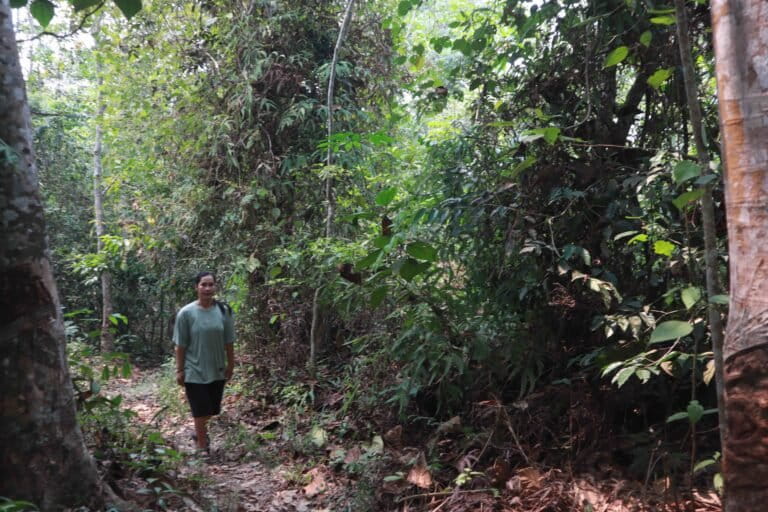
The Batin Sembilan, one of the indigenous communities historically linked to the "Orang Kubu" mentioned in early 20th-century anthropological records by scholars such as Bernard Hagen, have long maintained a symbiotic relationship with their environment. Today, that relationship is fracturing under the weight of external economic pressures. As Yunani, a representative of the Batin Sembilan, notes, the forest is not merely timber; it is a living pharmacy and a grocery store. When the trees fall, the ability of these women to source traditional remedies for common ailments—such as coughs or infections—disappears, forcing a reliance on expensive, external healthcare systems that many cannot afford.
The Anatomy of Land Loss and Economic Displacement
The crisis in Jambi is multifaceted, involving both the physical degradation of land and the complex, often predatory, nature of land transactions. In many instances, outside parties entice community members with immediate cash payments for their land. While these payments may provide short-term liquidity, they often lead to long-term destitution. Once the land is sold, the Batin Sembilan often find themselves landless in their own ancestral territory, unable to practice the sustainable farming methods that allowed them to balance subsistence with conservation.

Anthropologist Fahrudin, who has studied the Batin Sembilan extensively, points out that the drive for land liquidation is rooted in a fundamental shift in values. As modern consumerist pressures infiltrate rural communities, the perceived value of land shifts from a "life-sustaining asset" to a "commodity for liquidation." This shift is particularly devastating because, as Yunani explains, the land is not being managed, but rather "mined" for quick profit, leaving the community impoverished, without a garden, and without the forest canopy to buffer them against the elements.
Marriage, Gender, and Property Rights
One of the most insidious threats to Batin Sembilan land security involves the intersection of matrimonial law and property rights. Traditionally, the Batin Sembilan recognize the equal rights of men and women to land ownership. There are distinct categories of land, such as pinta’an—land associated with marriage dowries or gifts—which remains the inalienable property of the woman, regardless of the marital outcome.

However, the reality in the field frequently deviates from these customary protections. Women like Sri Handayani have experienced the harsh consequences of these discrepancies firsthand. Married at 16 to an outsider, Sri found that upon the dissolution of her marriage, her rights to both the matrimonial home and the agricultural plots were contested or outright seized by her former partner.
"If I had not been supported by my family, I would have been left with nothing," Sri recounts. Her testimony highlights a growing vulnerability: when women do not have clear, documented control over their assets, they become the weakest link in the chain of land ownership. In many cases, these marriages serve as a backdoor for outsiders to gain legal or physical control over land that was previously under the protection of the Batin Sembilan community.
Chronology of a Disappearing Landscape
The transformation of the Jambi forest landscape has been accelerating over the past two decades. While the Batin Sembilan historically practiced shifting cultivation—carefully selecting specific plots for rice planting to ensure forest regeneration—the current era is marked by large-scale clearing.
- 1908: Publication of Die Orang Kubu auf Sumatra by Bernard Hagen, providing the first ethnographic baseline for the indigenous groups of the region.
- Late 20th Century: Increasing encroachment of palm oil and industrial timber plantations into Jambi’s lowlands, disrupting traditional foraging patterns.
- 2010–2020: A marked increase in land speculation in Batanghari, with brokers targeting indigenous families with cash incentives for their customary land.
- 2022–2026: Documentation of systemic displacement, where women in the community report losing control over household assets due to divorce and unequal power dynamics in mixed-community marriages.
The Role of Ecosystem Restoration
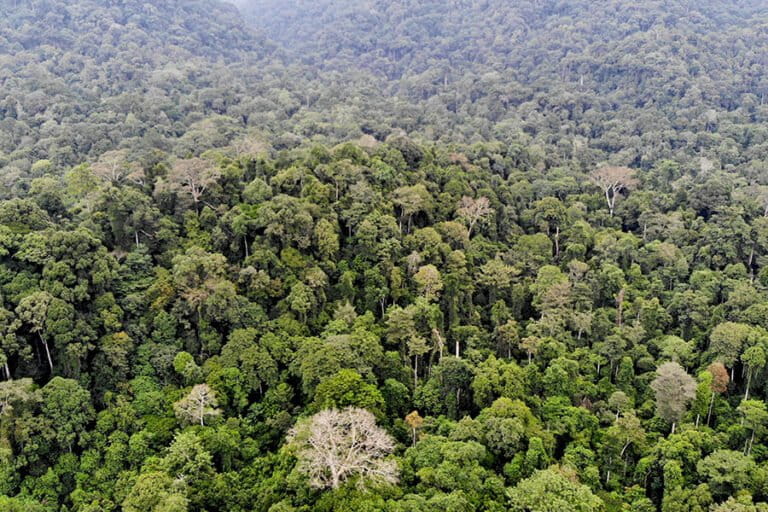
In response to the rapid loss of biodiversity and the marginalization of indigenous groups, initiatives like those managed by PT Restorasi Ekosistem Indonesia (REKI) in the Hutan Harapan (Forest of Hope) have emerged. These projects aim to bridge the gap between conservation and human livelihood. By providing support for sustainable agroforestry, such as rubber cultivation, these initiatives offer an alternative to selling land.
However, the efficacy of such programs is uneven. As noted by Teguh Santika, a local leader, the success of these programs depends heavily on a family’s access to capital, market information, and legal support. "Instead of selling our land, we should be supported to manage it ourselves," Teguh asserts. "Migrant farmers are improving their lives through palm oil; why shouldn’t the Batin Sembilan be empowered to do the same on their own terms?"
Implications for the Future: A Call for Protection
The implications of continued land loss are severe. Beyond the immediate economic poverty, the loss of land translates to the loss of indigenous identity. Sapi’i, a resident of the Semilu area, describes the forest as a "child" that must be nurtured. When that connection is severed, the community members often find themselves relegated to the margins of the formal economy, sometimes forced into the very behaviors—such as petty theft or illegal resource extraction—that they once condemned.
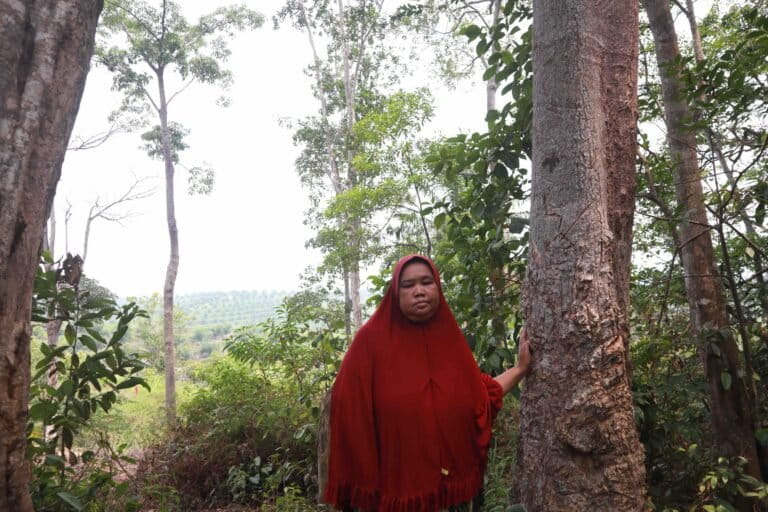
The "land-as-a-commodity" model is fundamentally incompatible with the Batin Sembilan way of life, which prioritizes the long-term survival of the group over the short-term enrichment of the individual. There is an urgent need for legal frameworks that recognize the collective rights of indigenous communities over their ancestral lands, particularly protecting women’s rights within those structures.
Official Responses and Future Policy Needs
While there have been recent government mandates aimed at recognizing customary forests (Hutan Adat), the implementation on the ground remains slow and fraught with bureaucratic hurdles. The lack of precise, demarcated boundaries often leaves indigenous groups at a disadvantage when dealing with corporate interests or external settlers who possess formal titles.

Experts suggest that the way forward requires:
- Legal Recognition: Accelerating the legal mapping of customary land to prevent predatory land grabbing.
- Gender-Sensitive Policy: Implementing policies that specifically protect women’s property rights in indigenous communities to prevent asset loss during marital dissolution.
- Economic Support: Investing in community-led sustainable forestry and agriculture that provides long-term, stable income, reducing the pressure to sell land for immediate cash.
The survival of the Batin Sembilan is not just a matter of local interest; it is a vital part of Indonesia’s national commitment to biodiversity and cultural preservation. As the forest thins and the pressure on land intensifies, the voices of women like Yunani, Sri, and Teguh serve as a final, urgent warning: when the forest is gone, the culture goes with it, and the future of their children remains, at best, uncertain. The challenge for the next decade will be to ensure that these communities are not only protected as part of the landscape but empowered as its primary guardians.

