
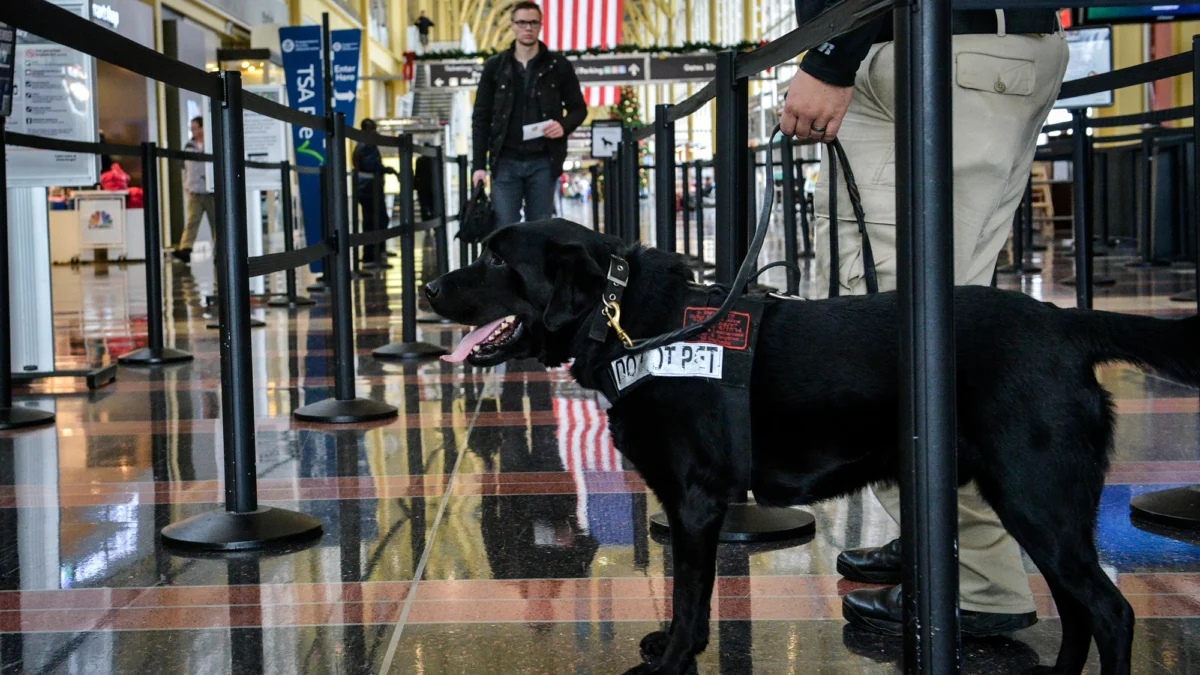
The Transportation Security Administration (TSA) has launched a specialized recruitment initiative aimed at enhancing the effectiveness of its elite explosive detection canine teams. By inviting members of the public to act as "covert role players," the agency seeks to provide its K9 units with realistic, high-fidelity training scenarios that simulate the complexities of modern airport environments. This initiative, while appearing straightforward, serves as a critical component of the agency’s multi-layered security strategy, ensuring that canine handlers and their canine partners remain proficient in identifying potential threats amidst the dynamic, high-traffic flow of commercial travel hubs.
The Role of the Canine Decoy
At its core, the TSA’s Canine Decoy Program is designed to test the detection capabilities of dogs trained to identify trace amounts of explosive materials. Volunteers in this program are tasked with acting as unsuspecting passengers—or, in specialized training scenarios, as individuals carrying simulated explosive materials. These "training items" are inert substances that mimic the olfactory signature of prohibited materials, allowing the K9s to practice detection without any actual risk to the public or the personnel involved.
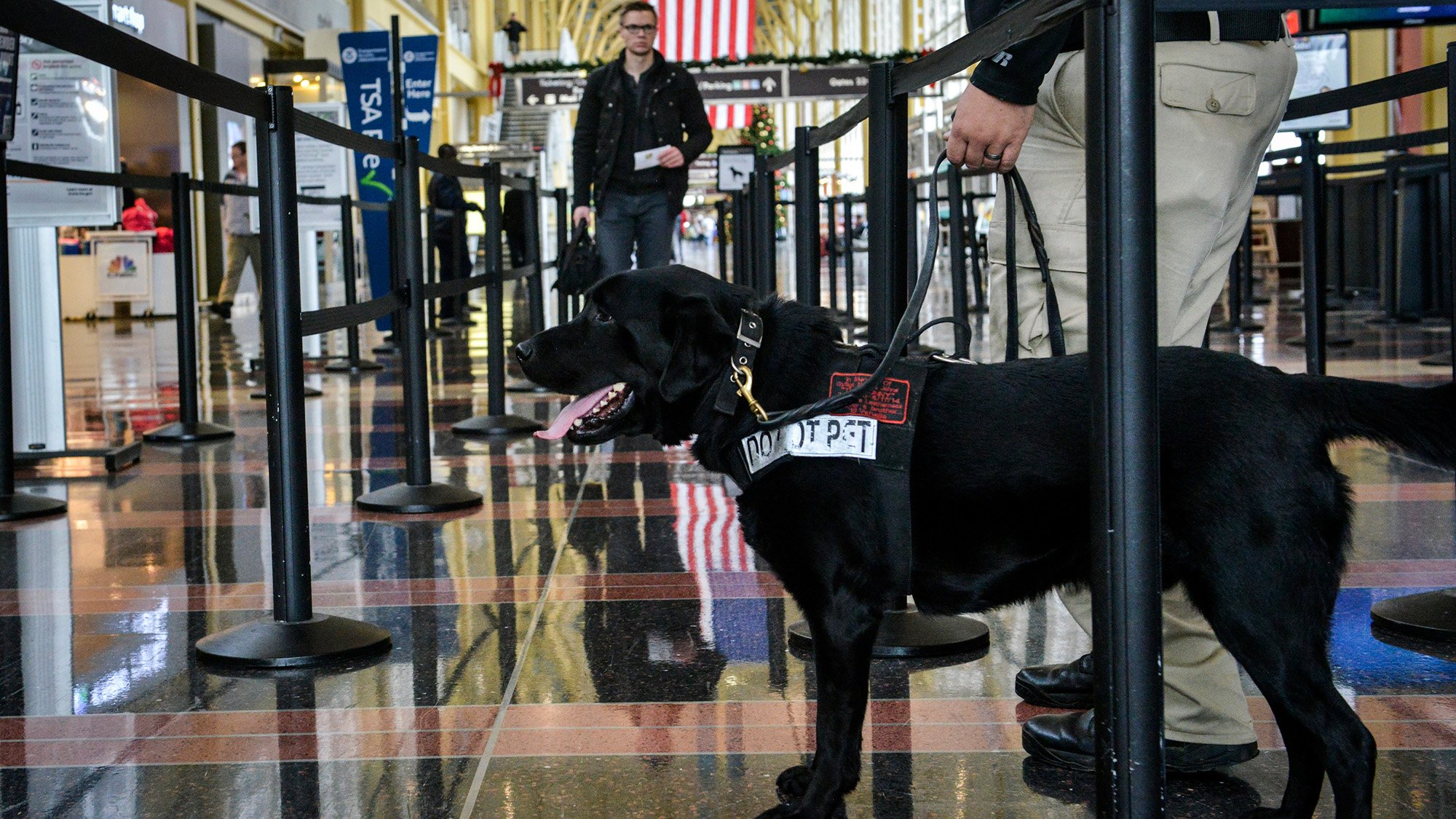
Participants may be asked to traverse ticketing lobbies, navigate security screening checkpoints, or occupy common areas while waiting for flights. Throughout these scenarios, the canine teams monitor the movement and behavior of these decoys. The goal is to create a "live-fire" environment that moves beyond the sterile conditions of a training facility, forcing the dogs to filter out the "noise" of a bustling terminal while remaining laser-focused on their detection objectives. For the volunteer, the process typically spans a two-to-three-hour window, requiring them to move naturally through the airport to ensure the canine teams encounter authentic behavioral patterns.
Historical Context and Evolution of the K9 Program
The use of explosive detection canines by the TSA is a relatively modern evolution of aviation security that traces its roots back to the aftermath of the September 11, 2001, terrorist attacks. Following the restructuring of airport security, the Department of Homeland Security recognized that stationary X-ray machines and metal detectors were insufficient to combat evolving threats. In the early 2000s, the TSA began integrating K9 teams into its screening operations, focusing on the high-mobility, high-detection capabilities of breeds such as German Shorthaired Pointers, Labradors, and Belgian Malinois.
Over the last two decades, the program has grown into one of the most effective tools in the agency’s arsenal. Unlike traditional checkpoint screening, which relies on physical hardware, canine teams provide a mobile, proactive detection capability. They can screen passengers in transit, cargo in warehouses, and perimeter areas of airports, significantly increasing the difficulty for bad actors to circumvent security measures. The shift toward using volunteer decoys represents the next step in this evolution—a move toward "real-world" environmental conditioning that maximizes the operational readiness of these specialized units.
Operational Data and Training Metrics
The efficacy of the TSA’s K9 program is supported by extensive operational data. According to federal security reports, canine teams undergo rigorous initial training—often lasting up to 10 weeks—at the TSA Canine Training Center in San Antonio, Texas. Following graduation, these teams must maintain a high standard of performance through daily training, monthly proficiency evaluations, and annual certification.
The introduction of public volunteers into this testing ecosystem is statistically significant. By increasing the frequency and variety of "hidden" training items in public spaces, the TSA can gather data on the dogs’ detection thresholds, environmental distraction management, and fatigue levels. Research into canine olfaction suggests that the effectiveness of detection canines degrades if they become too accustomed to the same training environments. By introducing novel "passengers"—the volunteers—the TSA ensures that the K9s are challenged by new scents, new body languages, and the unpredictable nature of civilian behavior.
Requirements and Participation Guidelines
The TSA has established a specific framework for who can participate in these exercises. To maintain the integrity of the security training, volunteers must be at least 18 years of age. While the agency encourages public involvement, it acknowledges that not every individual is suited for the physical demands of the program. Participants should be capable of walking, standing, and moving through terminal facilities for the duration of the two-to-three-hour session.
However, the agency has made efforts to ensure inclusivity within these simulations. Recognizing that the threat landscape includes individuals with diverse physical abilities, the TSA welcomes wheelchair and scooter users to participate as decoys. This diversity in the volunteer pool provides the K9 teams with a more accurate representation of the actual traveling public, further refining their ability to distinguish between harmless items and potential threats, regardless of the passenger’s mobility aids. Minors are permitted to participate in limited capacities, provided they are accompanied by a parent or legal guardian, ensuring that the training remains compliant with federal labor and safety regulations.
Official Perspectives and Agency Strategy
TSA leadership has characterized the program as a "high-stakes game of hide and seek" that is fundamentally serious in its objective. While the interaction between a volunteer and a dog may appear casual to an onlooker, the underlying mechanics are strictly monitored by TSA handlers. These handlers analyze the dogs’ responses to ensure they are not just reacting to the volunteer, but specifically alerting to the training item.
"This training is a vital, non-negotiable component of our security posture," a TSA representative noted in the program’s official documentation. "The public serves as the final, most complex variable in our training matrix. When a dog can successfully identify a target in a crowd of volunteers who are acting naturally, we have high confidence that the team is ready for the real world."
The Broader Impact on Aviation Security
The implications of this volunteer program extend beyond individual training sessions. As the global aviation industry continues to face threats from sophisticated actors, the ability of security forces to adapt is paramount. Canine teams are often the first line of defense, capable of sniffing out improvised explosive devices (IEDs) that might be hidden in luggage or carried on a person.
Furthermore, the public-facing nature of this initiative serves a secondary purpose: transparency and community engagement. By demystifying the role of the K9 teams and allowing the public to witness the training process firsthand, the TSA fosters a stronger relationship with the traveling public. It encourages passengers to respect the space of working dogs while appreciating the immense work that goes into keeping the skies safe.
How to Stay Engaged
For those interested in the lives and careers of these working dogs, the TSA continues to maintain high engagement levels through its public outreach programs, including the popular "Cutest Canine" contest. The 2026 winner, a German Shorthaired Pointer named Bolt, serves as a mascot for the agency’s efforts, appearing in the 2027 calendar. These initiatives serve to humanize the security process, making the technical and often intimidating world of aviation security more accessible to the average citizen.
As the TSA continues to refine its tactics and technologies, the role of the K9 decoy will remain a fixture of airport operations. By blending public volunteerism with rigorous, scientifically-backed training protocols, the agency ensures that its canine teams are not only the most skilled in the world but also the most prepared for the complexities of the modern threat environment. Individuals interested in volunteering are encouraged to visit the official TSA website to review regional availability and specific sign-up procedures for their local airports. Through this collaborative effort, the TSA and the public work in tandem to secure the future of aviation.

