
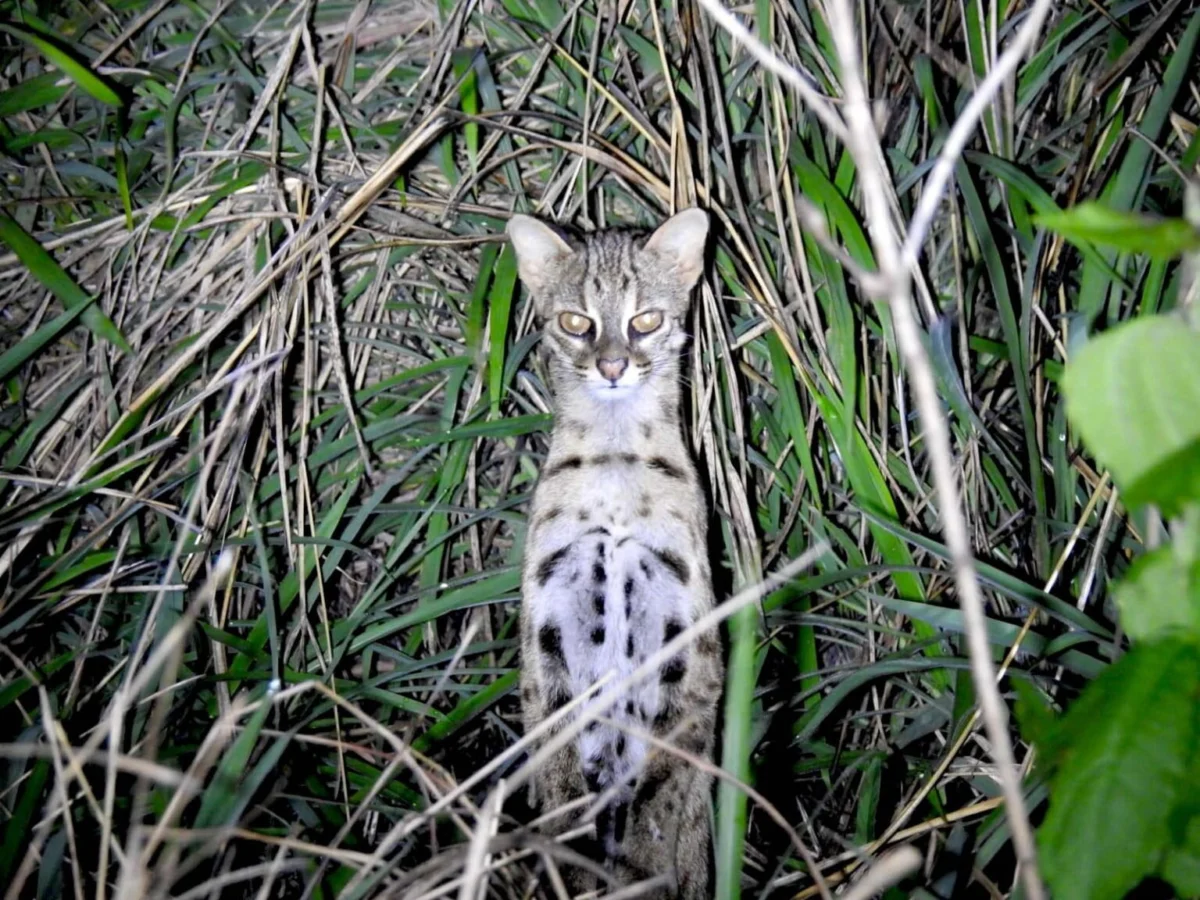
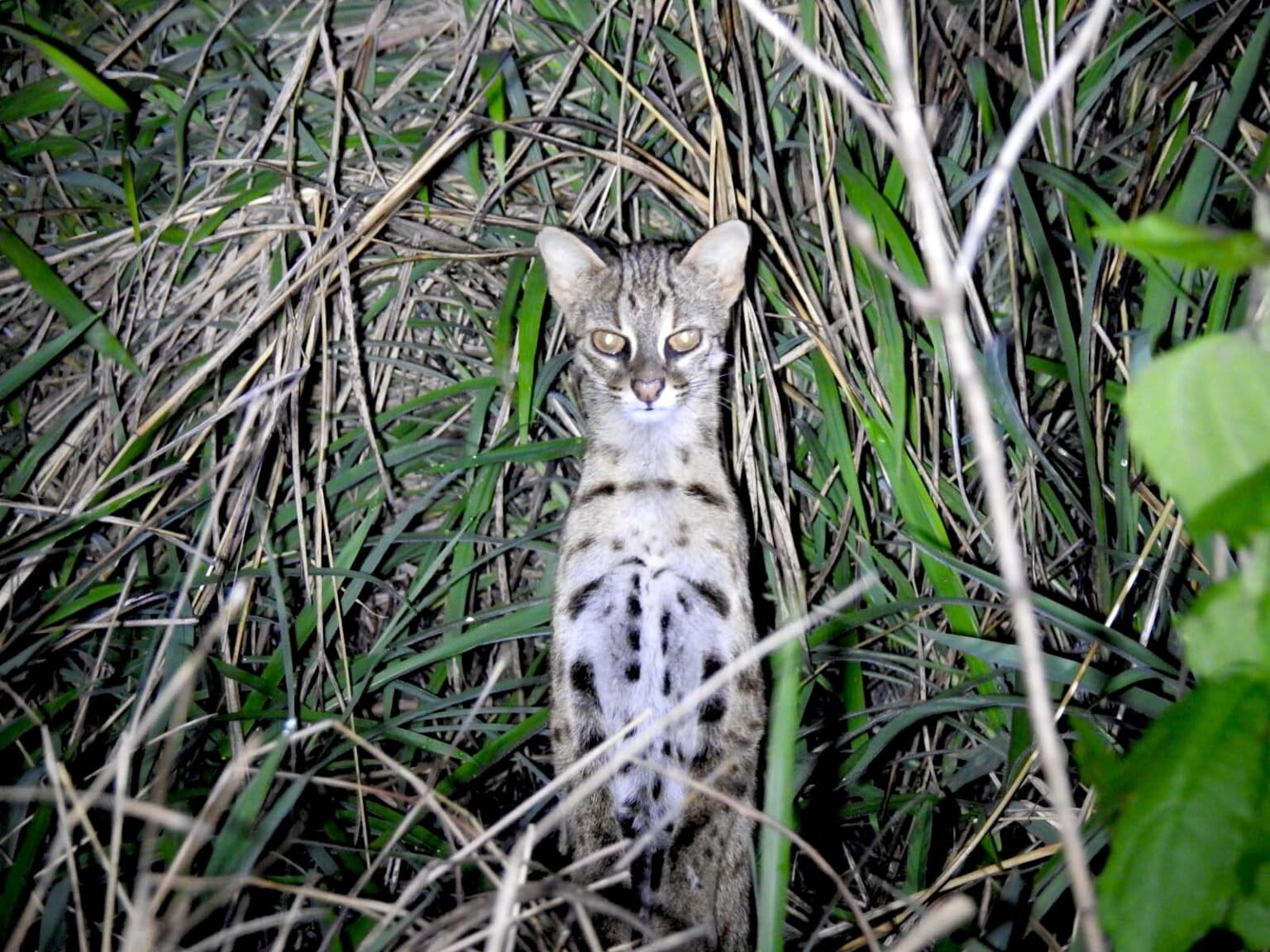
The emergence of a market for hybrid feline pets, particularly those involving the crossbreeding of protected wild species with domestic cats, has sparked significant alarm among conservationists and wildlife authorities in Indonesia. Investigations on social media platforms, most notably Facebook, have revealed a clandestine trade in so-called "Bengal F1" cats. Sellers explicitly market these animals as the direct offspring of domestic Bengals and "KH," an acronym widely understood within these communities to represent the Kucing Hutan or Leopard Cat (Prionailurus bengalensis). This practice raises profound questions regarding the legality of the breeding process, the welfare of the hybrid offspring, and the potential for illegal poaching of wild specimens to satisfy the demand for exotic pets.
The core of the issue lies in the biological incompatibility and the legal status of the species involved. The Leopard Cat is a protected species under Indonesian law, specifically governed by the Minister of Environment and Forestry (LHK) Regulation Number P.106 of 2018. The intentional crossbreeding of these wild animals with domestic cats (Felis catus) constitutes an intergeneric hybrid, as the two species belong to entirely different biological genera—Prionailurus and Felis, respectively. This practice is not merely an aesthetic endeavor to create a "wild-looking" house pet; it is an act that fundamentally disrupts natural genetic boundaries and places the animal’s long-term health and welfare at significant risk.
The Biological and Ethical Implications of Hybridization
The scientific community has long warned against the hybridization of wild and domestic felids. Erwin Wilianto, an Independent Conservation Practitioner and a member of the IUCN-SSC Cat Specialist Group, highlights that this is not a simple matter of breeding two different breeds of the same species. "Mengawinkan (mating) these two distinct types means creating an intergeneric hybrid. This causes substantial genetic complications, ranging from impaired bodily functions and compromised immune systems to developmental failures in the fetal stage," Wilianto explained.
Furthermore, the behavioral profile of early-generation hybrids (F1 through F3) remains heavily skewed toward the wild instincts of the Leopard Cat. Despite being raised in human-centric environments, these animals often display strong predatory drives, territorial aggression, and a persistent need for wild-type behaviors such as vertical climbing and complex hunting maneuvers. A 2024 report by the UK’s Animal Welfare Committee (AWC) echoed these concerns, noting that the inability of owners to provide an environment that meets the biological requirements of these hybrids leads to chronic stress and severe welfare deficits.
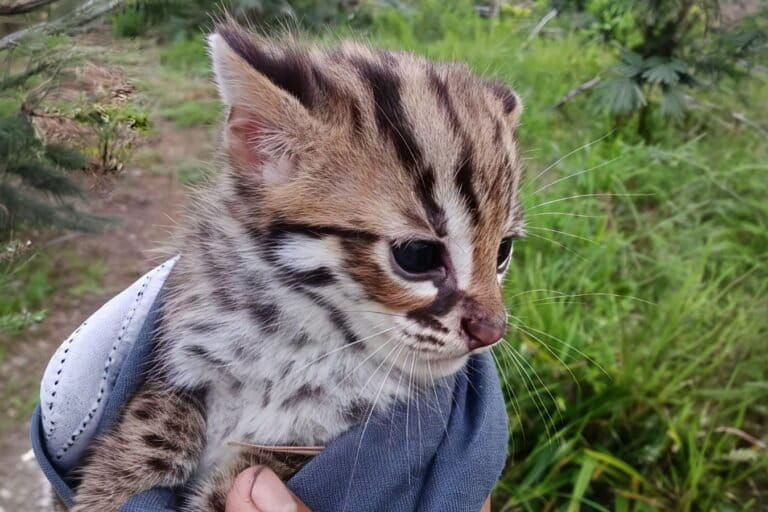
Data from a 2021 study by Martinez-Caja et al., which analyzed the behavior and health of hybrid cats, provides a grim outlook. The research found that approximately 33.2 percent of F2-generation hybrids and earlier variants exhibited destructive behaviors. Furthermore, 89.5 percent displayed an intense urge to climb, and 78.9 percent possessed a predatory drive that is difficult to manage within a standard household setting. These findings underscore the fundamental conflict between the animal’s innate evolutionary biology and the constraints of domestic living.
The Threat of Illegal Poaching
A critical, often overlooked aspect of this industry is the source of the breeding stock. While there are a limited number of legally sanctioned wildlife breeding facilities in Indonesia, they are nowhere near capable of meeting the current, rising market demand for hybrid cats. Conservationists fear that this supply-demand gap is being filled by the illegal capture of wild Leopard Cats.
"The legal products do not meet the high demand, which means there is a very high probability that these animals are being trapped in the wild, either to be kept as pets or to be used as breeding stock," Wilianto noted. This illicit trade directly undermines national efforts to preserve the Leopard Cat, which is already under pressure from habitat loss and climate change. Every wild cat captured to serve as an "indukan" (breeding parent) is a loss to the wild population, which is crucial for the stability of local forest ecosystems.
Regulatory Framework and Legal Consequences
The legal landscape in Indonesia regarding the breeding of protected wildlife is stringent. Under Law No. 5 of 1990 on the Conservation of Living Natural Resources and Their Ecosystems, as well as the more recent Ministry of Environment and Forestry Regulation No. 18 of 2024, the government imposes strict rules on the use of protected species.
Regulation No. 18 of 2024 specifically mandates that any entity holding a breeding permit must maintain the purity of the species. Articles 103 and 104 explicitly forbid crossbreeding practices in formal breeding programs. Moreover, Article 124 imposes a strict prohibition on the hybridization of wildlife held by individuals for "pleasure" or private pet ownership. The law is clear: protected status is intended to ensure the survival of the species, and hybridization acts as a dilution of that genetic integrity, which is illegal under the current regulatory framework.
Maharadatunkamsi, a senior mammal researcher at the National Research and Innovation Agency (BRIN), emphasizes that these hybrids cannot be classified as a distinct species. "From a biological perspective, they are hybrids. Beyond the taxonomic classification, the most pressing issue is the biological consequence," he stated. He points out that the chromosomal incompatibility between the two genera often leads to reproductive issues, particularly in male offspring, which frequently suffer from infertility. This biological bottleneck is a hallmark of intergeneric hybridization and highlights the unethical nature of forcing such pairings.
Chronology of the Trade and Market Dynamics
The trade, as identified by recent monitoring, functions primarily through social media networks like Facebook, where private groups facilitate the sale of kittens. The process often follows a cycle:
- Sourcing: Captive or wild-caught Leopard Cats are acquired by breeders.
- Hybridization: The wild cat is forced to mate with a domestic cat to produce F1 offspring.
- Marketing: Sellers use social media to advertise the "exotic" nature of the kittens, often targeting buyers with promises of a "wild look" coupled with "domestic temperament."
- Distribution: Kittens are shipped across provinces, with recent reports indicating planned shipments to major urban centers like Jakarta and cities in East Java such as Blitar.
This trade has evolved from niche hobbyist circles into a more organized, albeit underground, commerce. The use of coded language, such as referring to the Leopard Cat as "KH," is a direct attempt to circumvent platform moderation and evade law enforcement scrutiny.
Broader Implications for Animal Welfare and Conservation
The trend of keeping hybrid cats poses a multi-faceted challenge. For the individual animal, it means a life defined by potential health complications, such as gastrointestinal issues and behavioral instability, resulting from the clash of two distinct genetic codes. For the owner, it often leads to disappointment or frustration when the animal’s "wild" instincts manifest in ways that are incompatible with domestic life, leading to the animal being abandoned or passed between owners.
From a conservation standpoint, the normalization of keeping hybrid cats creates a dangerous perception that wildlife—or derivatives of wildlife—are acceptable household commodities. This mindset erodes the public’s respect for the protected status of species like the Leopard Cat. When a protected species is viewed as a "designer product," its inherent value in its natural habitat is diminished.
As authorities continue to monitor these trends, there is a growing consensus that stricter enforcement of the existing wildlife protection laws is required. This includes not only penalizing the illegal trade of the hybrids themselves but also conducting rigorous investigations into the breeding facilities and individuals who claim to be "legally" breeding these cats.
The case of the Bengal F1 and its kin serves as a cautionary tale in the modern era of exotic pet ownership. As scientific understanding of feline genetics and behavioral needs improves, it becomes increasingly clear that the welfare of these animals and the protection of their wild counterparts depend on the total cessation of these hybridization practices. Without intervention, the allure of the "wild-looking" pet may well result in the permanent decline of one of Indonesia’s most fascinating small cat species.
Ultimately, the preservation of the Prionailurus bengalensis requires that it remains in the wild, fulfilling its ecological role, rather than being reduced to a biological experiment in the domestic sphere. The legal and ethical frameworks currently in place are designed to prevent exactly this kind of exploitation, and it is incumbent upon regulators and the public alike to ensure these protections are upheld for the sake of biodiversity and animal welfare.

