
The global tourism landscape is undergoing a profound transformation, yet the appetite for travel among the Indonesian population remains remarkably resilient. According to the latest findings from the SiteMinder Changing Traveller Report 2027, officially released on November 13, 2026, Indonesia stands as a prominent outlier in the global market. While the world grapples with a complex tapestry of geopolitical tensions, inflationary pressures, and the looming reality of climate change, 62 percent of Indonesian travelers report that their desire to explore has only intensified compared to previous years. This figure significantly eclipses the global average of 42 percent, positioning the nation as a vital growth engine for the international hospitality industry.
The comprehensive study, which surveyed over 12,000 consumers across 14 of the world’s most significant tourism markets—including Thailand, China, Australia, and the United States—paints a picture of a sophisticated, highly deliberate traveler. The era of spontaneous, unchecked spending appears to be receding, replaced by a era of "purposeful travel," where every excursion is measured against the value it provides in return for both financial expenditure and personal time.
The Evolution of the Indonesian Traveler: A Chronology of Sentiment
To understand the current state of Indonesian tourism, one must look at the trajectory of the past three years. In 2025, the post-pandemic "revenge travel" phenomenon was in full swing, characterized by high spending and a lack of planning. By 2026, the market began to stabilize, with consumers showing the first signs of hesitation due to rising living costs.
As we approach 2027, the data indicates a pivotal shift. While the 62 percent desire to travel remains high, it is a slight cooling from the 72 percent peak observed in 2026. Simultaneously, the proportion of domestic respondents expressing a disinterest in traveling has nearly doubled, rising from 7.6 percent to 14 percent. This shift does not necessarily signal a collapse in the tourism sector, but rather a maturity in consumer behavior. Travelers are no longer traveling simply because they can; they are traveling because they have calculated that the experience justifies the cost.
Purposeful Spending and the Strategic Traveler
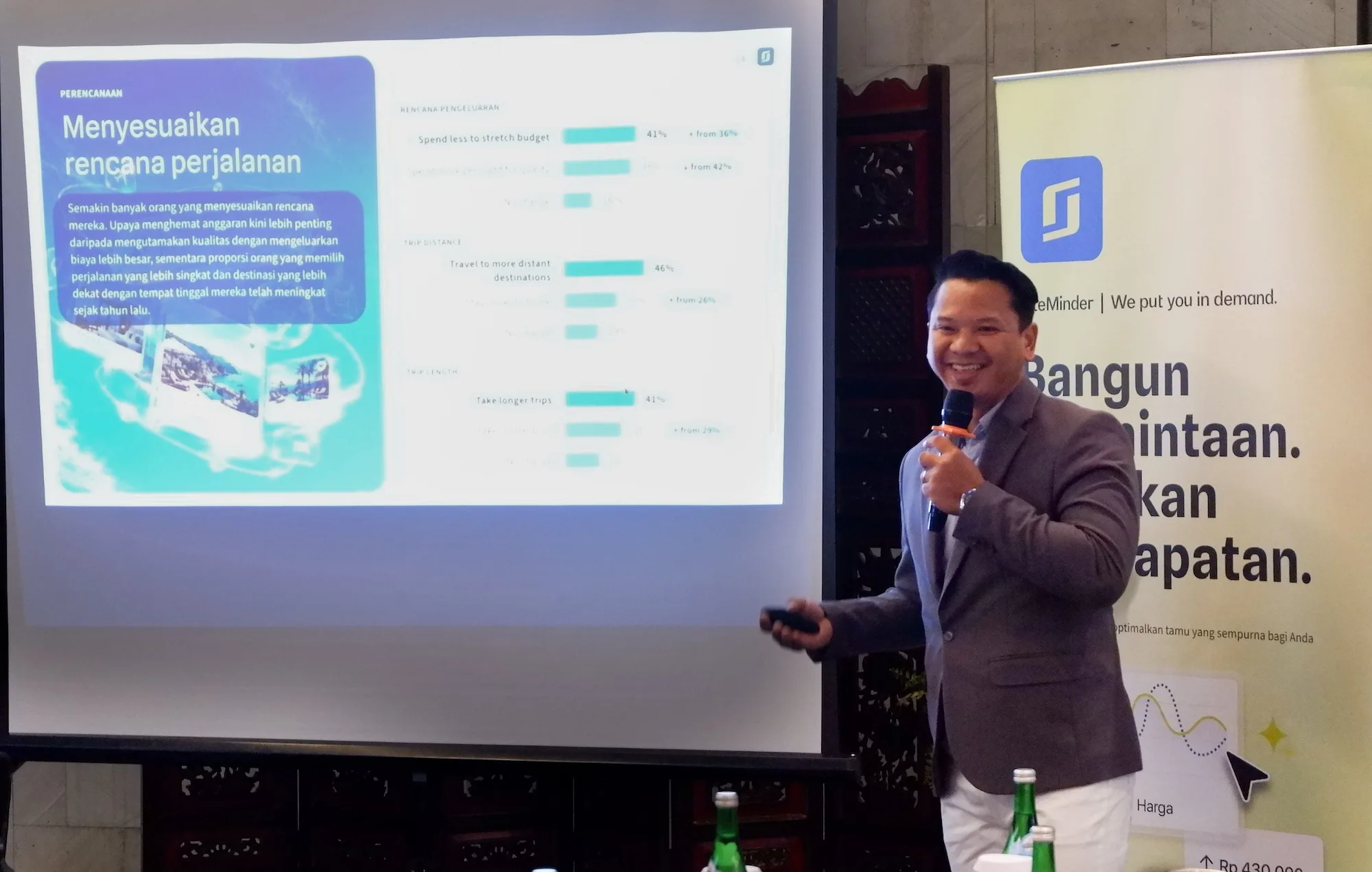
The SiteMinder report highlights that the 2027 Indonesian traveler is characterized by extreme selectivity. This behavior is driven by a conscious effort to optimize holiday budgets. Unlike in previous years where travelers might have opted for multiple short trips, the 2027 trends suggest a consolidation of travel plans. Many are opting for fewer, longer, and more meaningful trips. This strategy allows households to absorb the impact of global inflation while ensuring that the quality of their travel experience remains uncompromised.
Furthermore, the geographical reach of these trips is being recalibrated. There is a discernible trend toward regional travel, where distance is weighed heavily against the potential for disruption caused by external environmental or geopolitical factors. This "strategic proximity" ensures that travelers have greater control over their itineraries, minimizing the risk of cancellation or unexpected costs that often accompany long-haul international travel in the current climate.
Demographic Shifts: The Dominance of Family-Centric Travel
A defining characteristic of the Indonesian tourism market, as revealed by the 2027 data, is the profound influence of the family unit. Nearly half (48 percent) of all domestic travelers are planning their next excursion with family members, a stark contrast to the global average of 34 percent. This places Indonesia in a tie with Singapore for the highest concentration of family-oriented travelers among all surveyed nations.
The data further reveals that this is not limited to young families. The trend is deeply embedded across generations, reaching its zenith among Gen X Indonesians (those aged 46 to 61), with 66 percent of this demographic prioritizing family-centric trips. For hospitality providers, this suggests a critical need to pivot services toward multi-generational amenities, such as interconnected rooms, family-sized dining packages, and curated activities that cater to diverse age groups within a single booking.
The Digital Transformation: Social Media as the Primary Discovery Engine
Perhaps the most disruptive finding in the 2027 report is the influence of digital platforms on decision-making. Indonesia has cemented its status as a world leader in social-media-driven travel planning. A full 19 percent of domestic travelers now use social media platforms as their primary search engine for hotel accommodations, significantly higher than the global average of 9 percent.
The power of the creator economy cannot be overstated. A staggering 72 percent of Indonesian respondents admitted that content created by influencers and travel vloggers directly influences their destination selection. This figure, which dwarfs the 52 percent global average, confirms that the traditional word-of-mouth recommendation from friends and family—which impacts 56 percent of travelers—is being systematically replaced by the curated, visual storytelling of digital creators. This trend is consistent with other high-growth markets like China and Thailand, signaling a permanent shift in how tourism marketing must be executed.
Technological Integration and the Rise of AI Agents
As consumers become more discerning, the transaction phase of travel has become a battleground for efficiency and trust. The report notes that Indonesian travelers are increasingly utilizing multiple digital channels to cross-reference prices, reviews, and amenities before finalizing a booking. This "omnichannel" approach is a defense mechanism against the uncertainty of the current economic environment.
Crucially, there is a growing openness toward Artificial Intelligence in the travel planning process. As travelers look for ways to optimize their time and finances, AI-powered agents are being tapped to curate itineraries, compare hotel rates in real-time, and identify the most cost-effective travel windows. This suggests that the future of the Indonesian travel industry lies in the seamless integration of human service and machine intelligence.
Industry Implications: Responding to a New Reality
Tander Lowongan, Country Manager for SiteMinder Indonesia, emphasizes that these findings provide a clear roadmap for stakeholders in the hospitality sector. "The data confirms that travel has become a fundamental human necessity, even as the methods of consumption evolve," Lowongan states. "The primary challenge for hotels today is to be present where the traveler is searching, to build a foundation of trust from the first point of discovery, and to deliver an experience that feels truly worth the effort."
For hotels and tourism operators, the implications are twofold. First, they must move beyond traditional advertising and embrace a digital strategy that integrates social media content with high-conversion booking platforms. If 72 percent of travelers are influenced by video content, then the hotel’s own digital presence must be optimized for such platforms.
Second, the industry must address the "trust gap." With the rise of digital influence and AI, travelers are increasingly skeptical of generic marketing. They are looking for transparency—in pricing, in cancellation policies, and in the authenticity of the experience being sold. Providers who can offer clarity and reliability in an increasingly complex digital landscape will likely capture the lion’s share of the market.
Economic Context and Future Outlook
The resilience of the Indonesian traveler, while impressive, must be viewed through the lens of macroeconomic stability. Indonesia has managed to maintain a robust domestic market, which acts as a buffer against global fluctuations. However, the reliance on digital channels and the high sensitivity to price-to-value ratios mean that the market remains volatile.
As we look toward the remainder of 2027, the focus for the tourism sector will likely shift toward personalization. With tools like AI and data analytics at their disposal, hotels will be expected to offer bespoke experiences that cater to the specific needs of families, solo travelers, and digital nomads alike.
The 2027 SiteMinder report serves as a wake-up call for the hospitality industry. The "one-size-fits-all" approach to tourism is no longer viable in a market where the consumer is better informed, more digitally connected, and significantly more selective than ever before. For Indonesia, a nation where tourism is a cornerstone of economic development, adapting to these behavioral shifts will be the defining factor in determining which regions and businesses thrive in the coming years.
The data clearly indicates that while the external environment remains challenging, the Indonesian spirit of exploration is undiminished. It is merely being redirected through the lens of modern, digital, and value-conscious planning. By understanding these nuances, the Indonesian hospitality industry can not only meet the demands of the 2027 traveler but also set the standard for global tourism in an era defined by change.

