
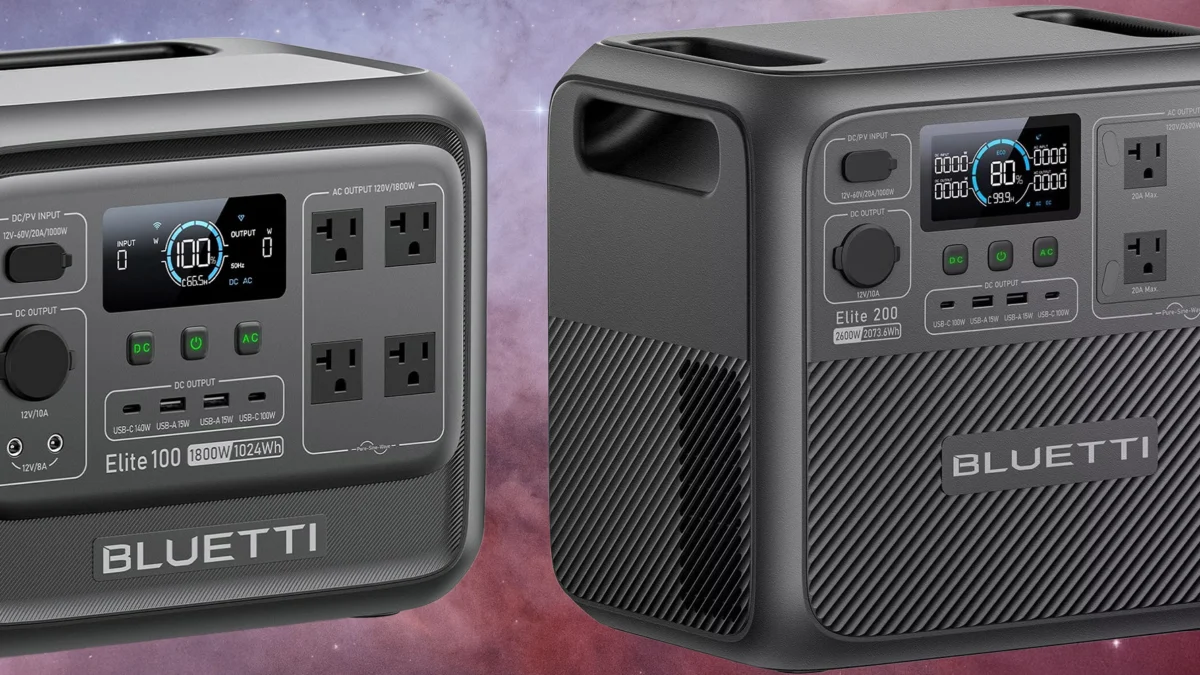
The retail landscape is undergoing a significant shift as consumer electronics manufacturers move their major promotional windows earlier into the calendar year. While the traditional Black Friday period officially commences on November 19, industry leaders like Bluetti have initiated aggressive discount cycles on portable power stations and home backup systems. These early-access promotions, which went live in early November, arrive at a critical juncture as meteorological forecasts suggest an increase in severe winter weather events across North America, creating a heightened demand for off-grid and emergency power solutions.
The Shift Toward Proactive Emergency Preparedness
For the modern consumer, the transition from traditional, fuel-dependent power generation to modular lithium-iron-phosphate (LiFePO4) storage solutions represents a fundamental change in home and outdoor infrastructure. Unlike gas-powered generators, which require external ventilation to prevent carbon monoxide poisoning and necessitate the volatile storage of flammable fuels, portable power stations offer a silent, emissions-free alternative.
The current promotional cycle focuses on the "Elite" series of power stations, emphasizing rapid charging capabilities and high-wattage output. This strategic pricing, often reflecting discounts ranging from 30% to 45% off MSRP, is designed to capture market share before the peak of the winter storm season. By incentivizing early purchases, brands like Bluetti are not only driving volume but also positioning their technology as a utility-grade necessity for households concerned about grid instability during extreme temperature fluctuations.
Chronology of the 2026 Early Access Sales Cycle
The current pricing strategy follows a well-defined industry trend observed over the last three years. Retailers have moved to decouple their "Black Friday" events from the single-day post-Thanksgiving shopping frenzy.
- November 1–5: Initial announcement of holiday promotional tiers by major energy hardware manufacturers.
- November 10: Broad publication of early-bird discounts on major e-commerce platforms, specifically targeting the Bluetti Elite product line.
- November 12: Official release and pre-order fulfillment date for updated V2 units, marking the integration of new hardware iterations into the discounted catalog.
- November 19: Scheduled commencement of the primary Black Friday retail event, where additional bundle discounts are expected to be unveiled.
Technical Analysis: Evaluating the Elite V2 Ecosystem
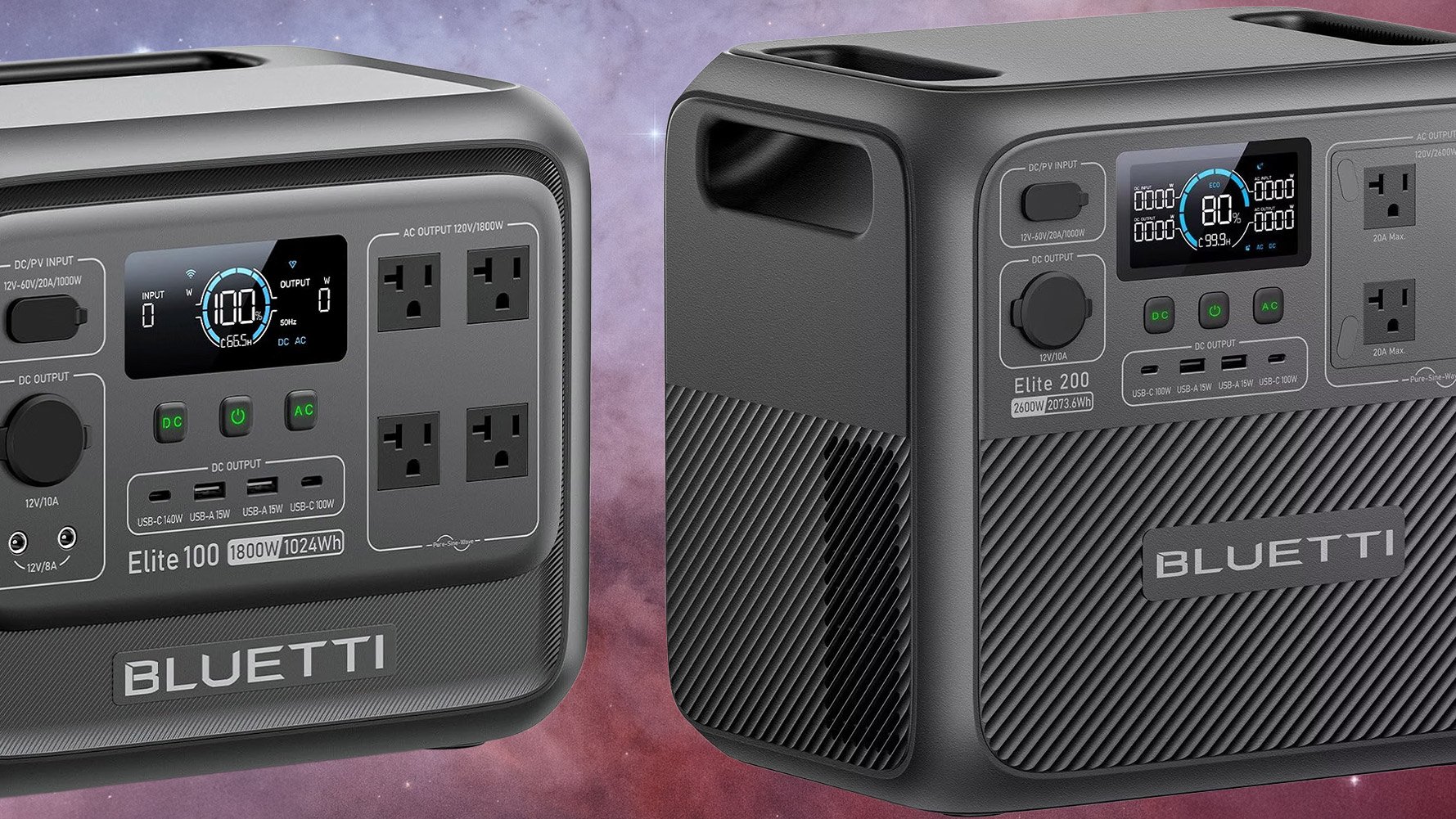
The centerpiece of the current promotional offering is the Bluetti Elite 100 V2, which has seen a price reduction to $498.99. From a technical standpoint, this unit signifies a move toward high-density power delivery. Featuring a 1,024Wh LiFePO4 battery, the unit supports 1,800 watts of continuous AC output. A key differentiator for this model is its rapid recharge rate—reaching an 80% charge in approximately 45 minutes—and a 10-millisecond uninterruptible power supply (UPS) switchover time.
For the average household, this UPS feature is particularly significant. It allows the device to serve as a buffer between a sensitive electronic device, such as a modem or a home security system, and the wall outlet. In the event of a grid failure, the transition is seamless enough that connected devices remain operational without a reboot.
Conversely, the Elite 200 V2 represents a higher tier of capacity, offering 2,080Wh. Targeted at users with more robust power needs—such as the operation of large kitchen appliances, medical equipment like CPAP machines, or high-draw workshop tools—the Elite 200 V2 features a 2,600-watt continuous output. Market analysis suggests that this unit is currently the most popular choice for long-duration outages, as it balances total stored energy with portability.
The Integration of Alternator Charging Technology
One of the most noteworthy inclusions in the current sales event is the discount on the Bluetti Charger 1. This 560W alternator charger addresses a long-standing limitation in portable power: the difficulty of recharging high-capacity batteries while mobile. Traditional 12-volt "cigarette lighter" style adapters often provide power at a trickle rate, making it difficult to maintain a full battery during extended camping trips or emergency evacuations.
The Charger 1, priced at $218.98, leverages the vehicle’s alternator to provide a significantly higher current. This technology is becoming a standard expectation for the "overlanding" and mobile-lifestyle communities. By tapping into the alternator’s output, the charger allows users to effectively replenish their home-backup power station while driving, turning the vehicle itself into a mobile generator.
Economic Implications of Early Holiday Spending
Economists tracking the "early Black Friday" phenomenon note that this strategy serves two purposes. First, it mitigates logistics bottlenecks. By spreading consumer demand across three weeks in November rather than concentrating it on a single day, companies can manage shipping capacity more effectively. Second, it creates a "pre-emptive" purchase cycle. When consumers are faced with the prospect of winter storms, they are statistically more likely to purchase emergency hardware; by offering these discounts early, retailers ensure that these units are already in homes before the first major winter storm of the season hits.
The data supports this; consumer interest in "home energy independence" has spiked by an estimated 15% year-over-year. As the grid faces increased pressure from both aging infrastructure and the rising electrification of home heating, the consumer demand for distributed energy storage is expected to continue growing through the end of the decade.
Safety and Regulatory Context
Safety remains the primary driver behind the adoption of lithium-based power stations. Regulatory bodies and fire safety organizations have consistently warned against the use of combustion-based generators inside enclosed spaces. The "Elite" series, being enclosed in high-durability, thermally managed casings, addresses these safety concerns directly.
Furthermore, the longevity of these devices is a factor in their market performance. The current V2 generation of Bluetti products utilizes LiFePO4 chemistry, which is rated for significantly more charge cycles than older lithium-ion iterations. Manufacturers are now advertising 10- to 17-year operational lifespans, shifting the consumer perception of these devices from "gadgets" to "long-term household appliances."
Strategic Recommendations for Consumers
For those considering an investment in home backup power, the current market environment offers several distinct advantages. First, the existence of "bundle" deals—where a power station is paired with a solar charging cable or an alternator charger—provides better value than purchasing components individually.
Second, the distinction between "pre-order" and "in-stock" items is critical. As noted in the November 10 market review, some units, such as the Elite 100 V2, are currently in a pre-order phase. Consumers should verify shipping timelines before making a purchase if they require the equipment for an immediate or impending weather event.
Finally, the shift toward a more modular approach to power is worth considering. Rather than purchasing a single, massive, and immobile generator, modern consumers are increasingly opting for multiple smaller units that can be distributed throughout the home. This provides redundancy; if one unit requires service, the entire household’s backup power system is not rendered non-functional.
Looking Toward 2027
As the year concludes, the focus on sustainable, portable energy is expected to remain a priority for the consumer electronics sector. The 2026 Home of the Future Awards have already highlighted 39 products designed to improve everyday life, with portable energy storage systems featuring prominently among them. The current pricing, while marketed under the "Black Friday" banner, reflects a broader, permanent trend toward making high-capacity battery technology accessible to the general public.
In summary, the current wave of discounts on Bluetti hardware provides an opportunity for consumers to secure reliable, silent, and safe emergency power ahead of the most unpredictable weather months. With advancements in charging speed, cycle life, and integration with vehicle-based power sources, the barrier to entry for home energy autonomy has never been lower. Whether for emergency preparedness or mobile recreation, the current market data suggests that now is a statistically advantageous time for consumers to evaluate their energy needs and invest in reliable, long-term infrastructure.

