
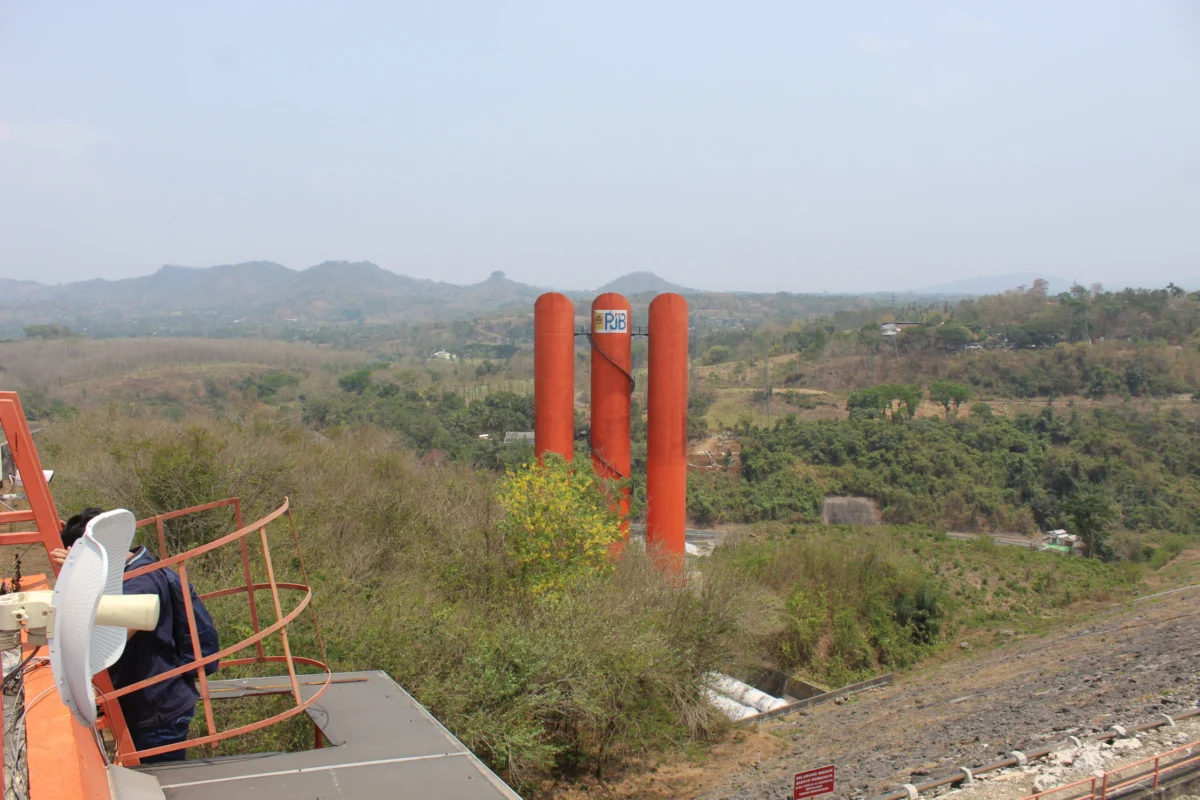
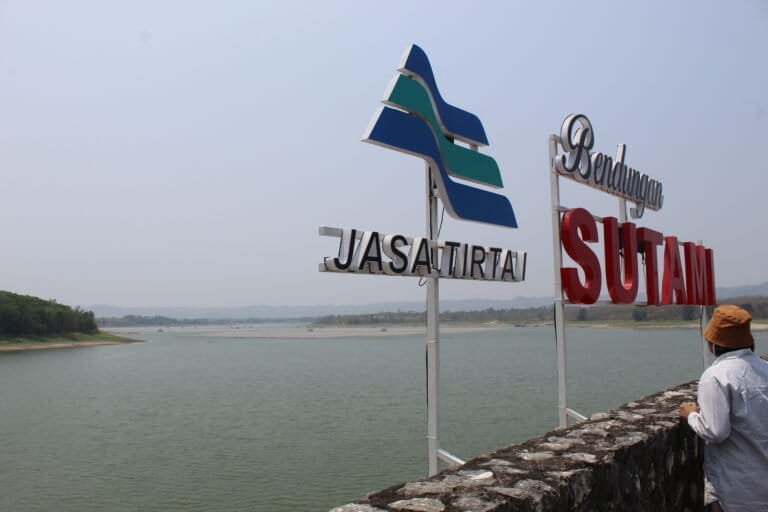
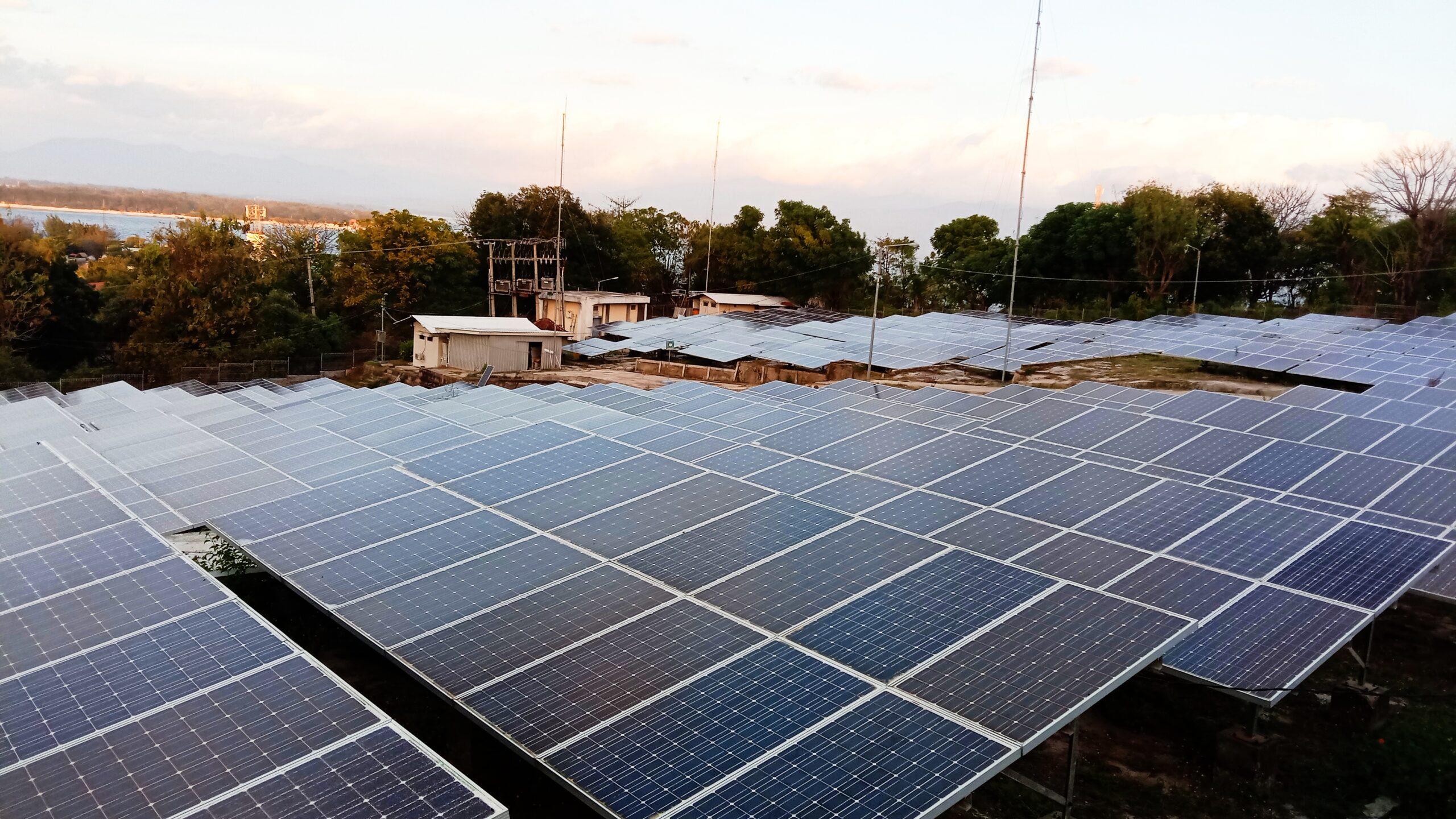
The construction of a massive floating solar photovoltaic (PV) installation at the Sutami Reservoir in the Sumberpucung district of Malang, East Java, is nearing a critical milestone. As of mid-October 2026, the engineering, procurement, and construction (EPC) phase of the project has reached 70% completion. This landmark infrastructure, spearheaded by PT Nusantara Guodian Karangkates Indonesia (NGKI)—a strategic joint venture between PLN Nusantara Renewables and Perum Jasa Tirta 1 in collaboration with GD Power Hongkong Co., Ltd.—is slated for operational launch by January 2027. With a total investment value of approximately US$100 million, or Rp1.61 trillion, the project underscores Indonesia’s commitment to scaling up its renewable energy capacity as it navigates the complex path toward net-zero emissions.
A Technological and Strategic Milestone
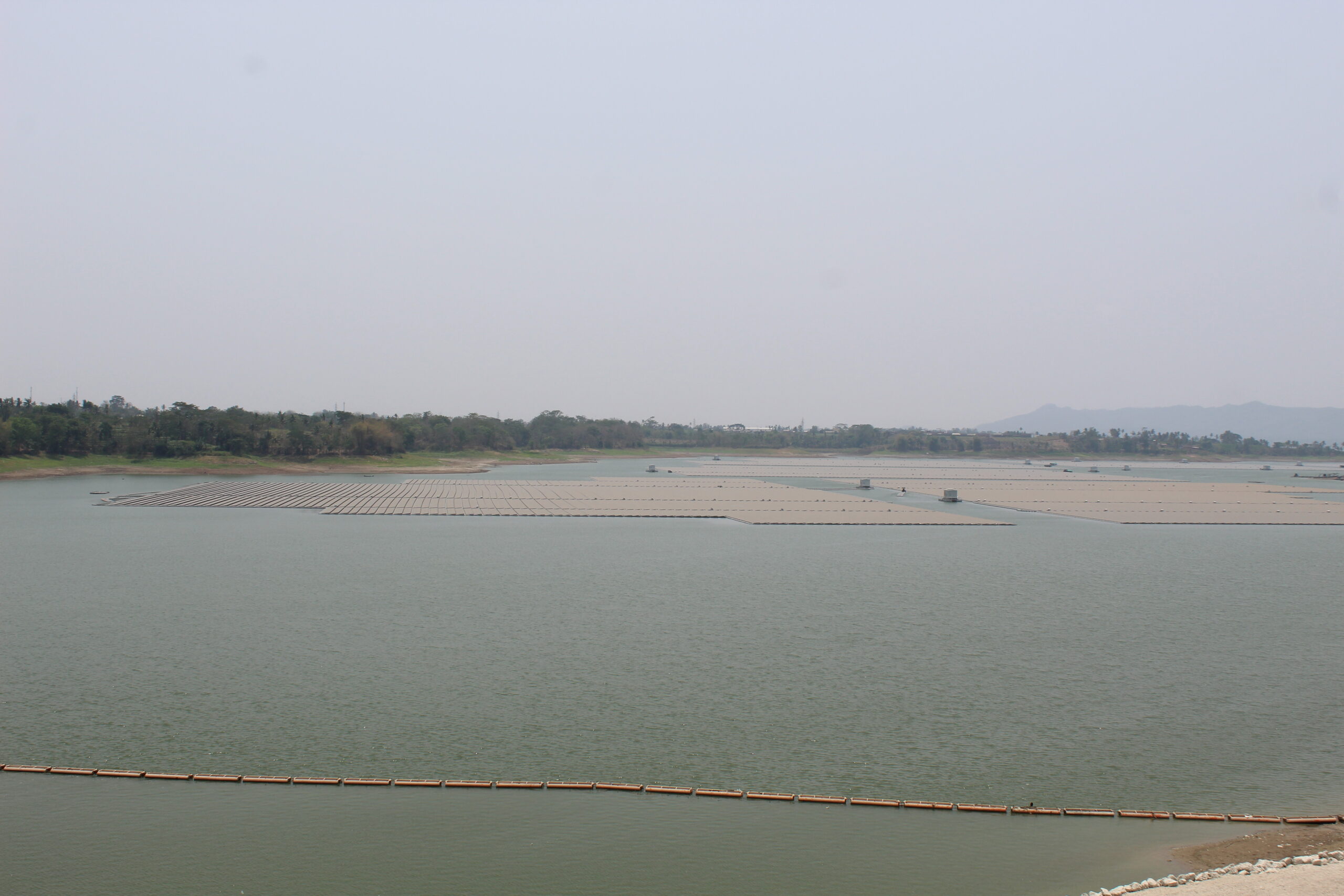
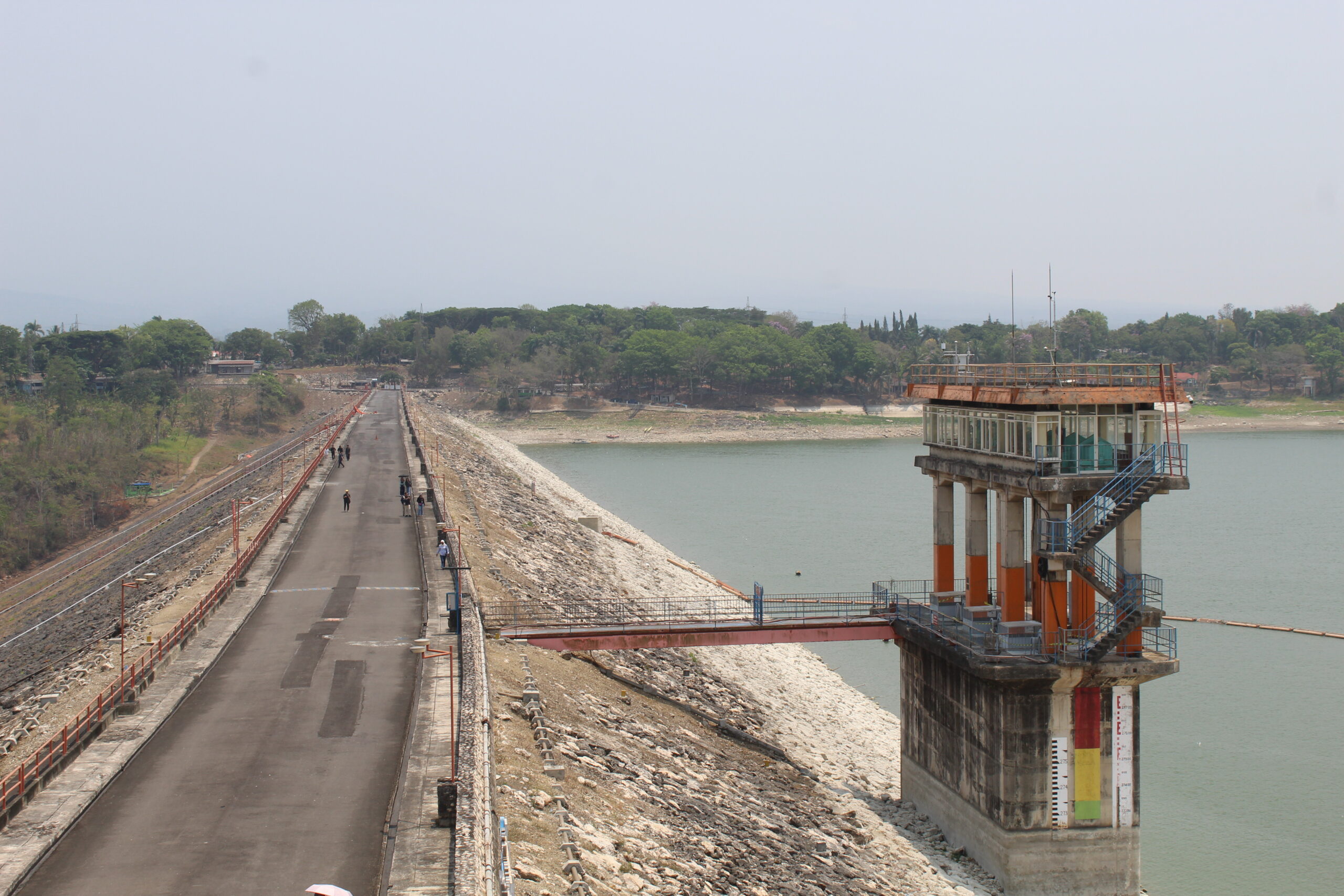
The Sutami floating solar project represents a significant technological leap in Indonesia’s energy landscape. The facility utilizes advanced semiconductor-based solar PV technology designed to convert solar irradiance directly into electricity while floating atop the reservoir’s surface. The design is modular, featuring eight distinct "islands" of solar panels, six of which have already been installed. The engineering team has meticulously calibrated the placement of these arrays, taking into account the reservoir’s underwater topography and water flow dynamics. Spanning 71 hectares, the installation occupies approximately 3.7% of the total 1,905-hectare surface area of the Sutami Reservoir, ensuring that the primary function of the water body—supporting the existing Karangkates Hydropower Plant (PLTA)—remains uncompromised.
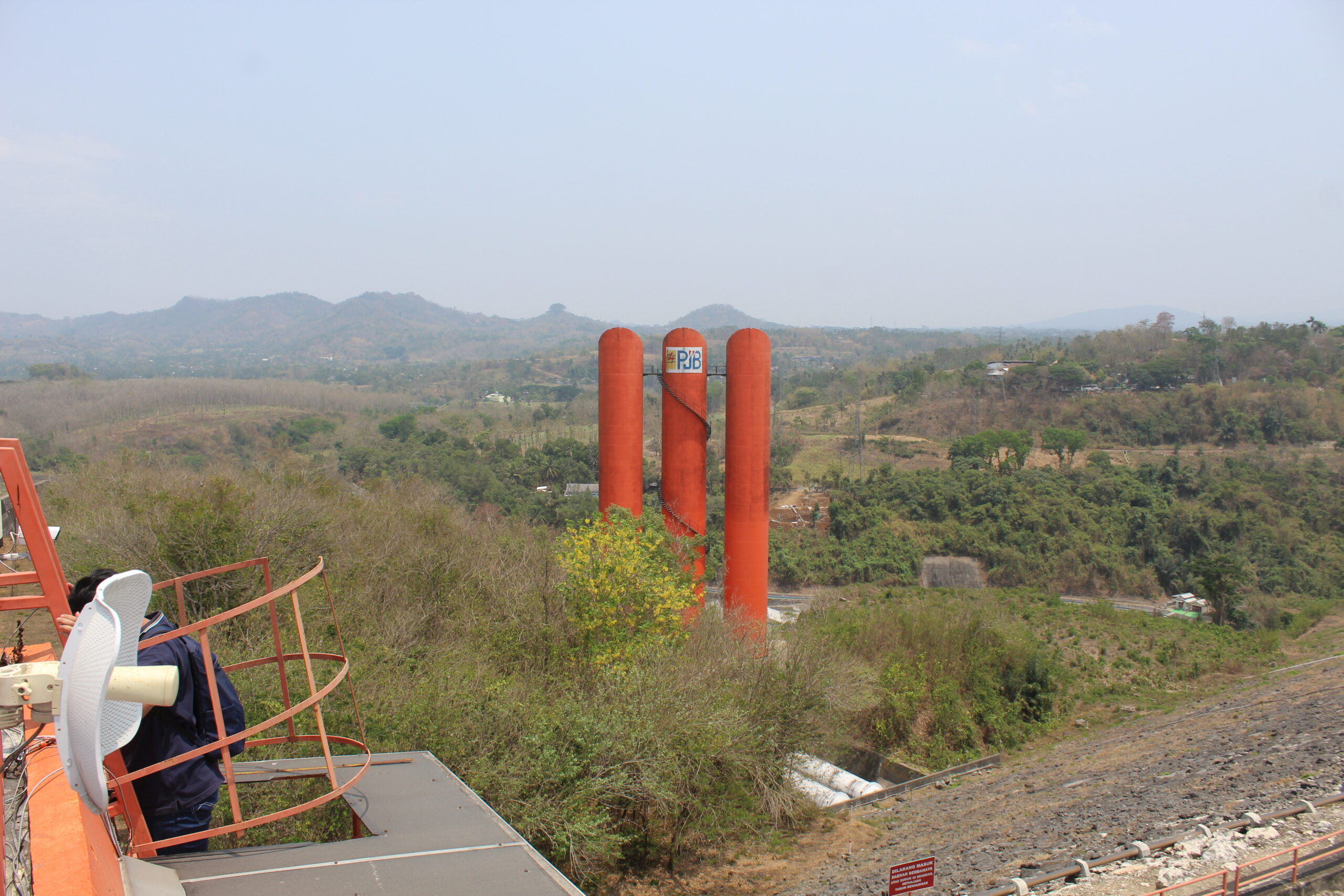
The Karangkates PLTA currently operates three 35-megawatt (MW) generators. The addition of the floating solar plant will integrate into the existing Unit Pembangkit (UP) Brantas grid, creating a hybrid energy hub. Because the solar plant does not consume water, its operational footprint is minimal compared to traditional thermal power plants. Furthermore, geographical analysis using clustering methods and Geographic Information System (GIS) tools suggests that the Sutami Reservoir offers superior solar irradiance compared to the Cirata floating solar project in West Java, positioning the site as one of the most efficient solar generation locations in the nation.
Navigating Regulatory and Environmental Hurdles
The road to this 70% completion mark has not been without significant bureaucratic challenges. The project faced a lengthy permitting process, particularly regarding the Analysis of Environmental Impacts (Amdal) and the approval for the use of forest areas (PPKH). Project developers noted that the PPKH permit was only finalized on August 23, 2026, after more than a year of intense coordination with regulatory bodies.
Industry experts suggest that the government must streamline these administrative pathways if it intends to meet its ambitious 100 GWp solar energy target. While the physical installation of floating solar is relatively straightforward compared to the construction of large-scale coal-fired or traditional hydropower plants, the legal framework for utilizing public water bodies and surrounding forest land remains a bottleneck. Proponents argue that with the right regulatory framework, similar projects could be replicated across the hundreds of reservoirs throughout the Indonesian archipelago, effectively bypassing the need for large-scale land acquisition that often triggers social conflict.
Socio-Economic Impact and the Plight of Local Fish Farmers
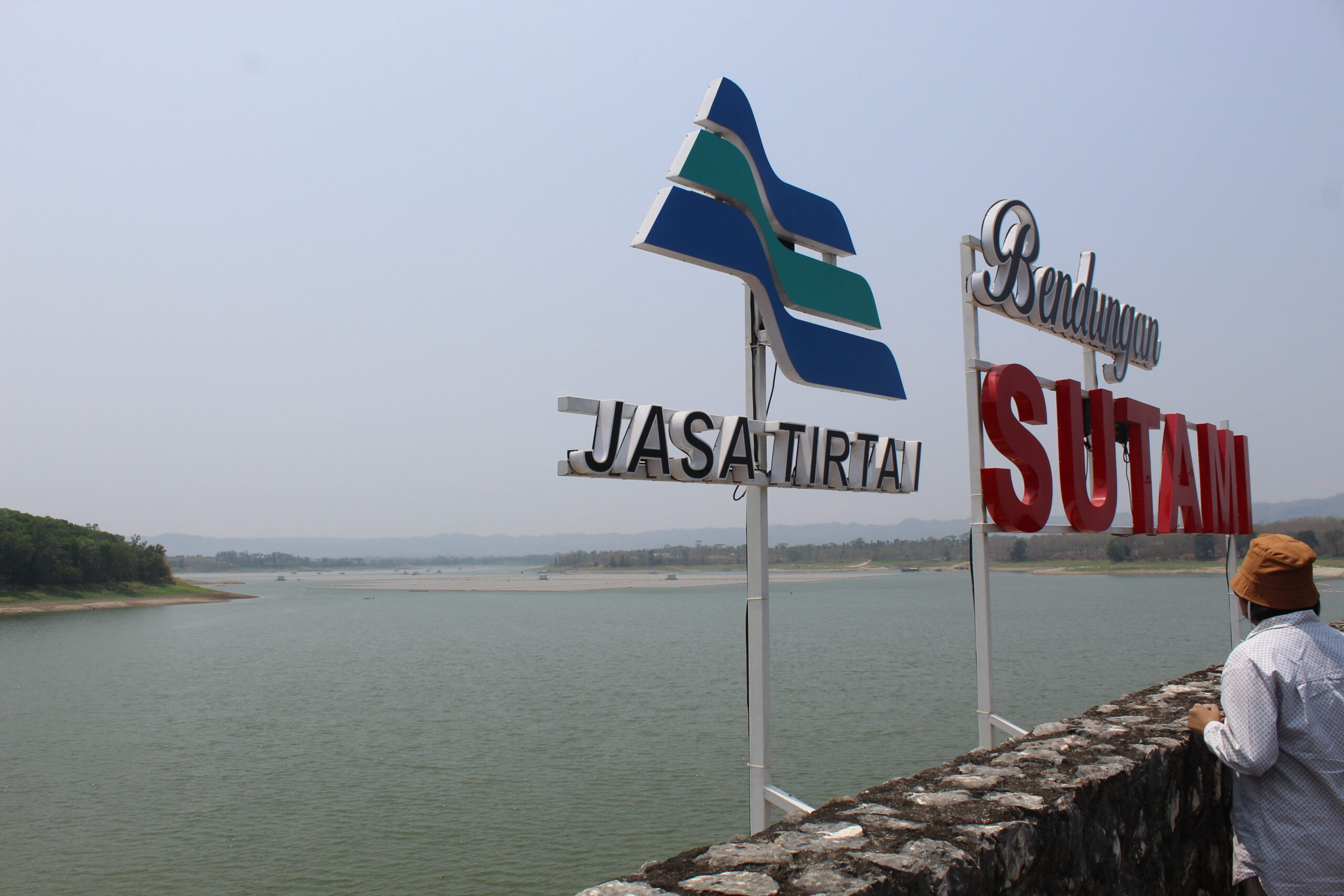
The development of the Sutami project has brought the tension between large-scale infrastructure and local livelihoods to the forefront. The reservoir is a vital economic hub for approximately 1,300 fish farmers who operate floating net cages (keramba jaring apung) to cultivate tilapia and milkfish. Protests erupted in early 2026 as fish farmers expressed concerns over losing their traditional fishing grounds.
In response to these concerns, a mediated solution was reached, involving the relocation of the fish cages rather than their total displacement. PLN Nusantara Power has utilized Corporate Social Responsibility (CSR) funds to support this transition, providing affected farmers with aerated biofloc tanks and constructing new, organized cage zones measuring 40 by 40 meters. While some 20 farmers opted for financial compensation and exited the industry, others have adapted by shifting to the new, more modern farming methods.
However, advocates like Jan Tuheteru, an advocacy coordinator for the Traditional Fishermen’s Union (KNTI), have criticized the "top-down" approach of the project, arguing that the meaningful participation of local stakeholders was initially neglected. There remains a lingering fear that long-term environmental shifts within the reservoir could impact biodiversity and fish health. The economic vulnerability of these farmers is compounded by regional market competition, as lower-priced tilapia from regions like Lamongan and Tuban continues to flood the Malang market, often driving local prices below production costs.
Economic and Environmental Analysis
The transition to renewable energy in Indonesia is viewed through a lens of economic prudence by institutions such as the Center of Economic and Law Studies (Celios). While the floating solar project is hailed as a green energy victory, analysts point to the continued reliance on imported components, noting that nearly 80% of the project’s components are sourced internationally. Current domestic manufacturing capacity for solar modules, though growing, remains insufficient to meet the rapid demand. Experts warn that unless Indonesia develops its own industrial base for solar technology—similar to the success stories in Vietnam and Pakistan—the country risks trading dependence on fossil fuel imports for a new form of dependence on imported clean energy technology.
Moreover, the debate over the "energy transition" remains contentious. The recent regulatory changes in the Ministry of Energy and Mineral Resources (ESDM) regarding rooftop solar, specifically the removal of net-metering schemes, have been criticized for potentially cooling investor and consumer interest. Critics argue that a truly "just energy transition" should focus on decentralized, community-led projects that offer immediate benefits to local populations rather than solely focusing on massive, centralized projects that may prioritize speed over social equity.
Future Outlook and National Energy Roadmap
As Indonesia aligns its RUPTL (Electricity Supply Business Plan) for 2025–2034 with the goal of achieving 42,569 MW of new and renewable energy capacity, the Sutami floating solar project serves as a pilot for the country’s broader strategy. Under the "Accelerated Renewable Energy Development" (ARED) scenario, the government is prioritizing a mix of hydropower, geothermal, solar, and bioenergy, alongside the development of smart grids and energy storage systems.
The vision championed by the administration is to achieve energy sovereignty, particularly in remote regions, by deploying off-grid and hybrid solar systems. This approach aims to reduce the massive costs associated with fuel logistics and energy subsidies for isolated islands. For the workers involved in the current Sutami project, the transition represents a shift in labor dynamics; while the construction phase employed 600 workers, the operational phase will require only a small, highly skilled team of eight people per shift, emphasizing the need for vocational training to ensure the local workforce can transition into high-tech "green jobs."
Ultimately, the success of the Sutami floating solar plant will be measured by more than just its megawatt output. Its success hinges on its ability to harmonize with the reservoir’s delicate ecosystem, its capacity to provide tangible economic benefits to the local community, and its role in fostering a robust domestic manufacturing industry for renewable components. As the project enters its final phase of construction, it stands as a testament to Indonesia’s shifting energy paradigm—a transition that is as much about social engineering and policy reform as it is about harvesting the power of the sun. The lessons learned in Malang will undoubtedly dictate the pace and structure of Indonesia’s journey toward a cleaner, more sustainable energy future.

