
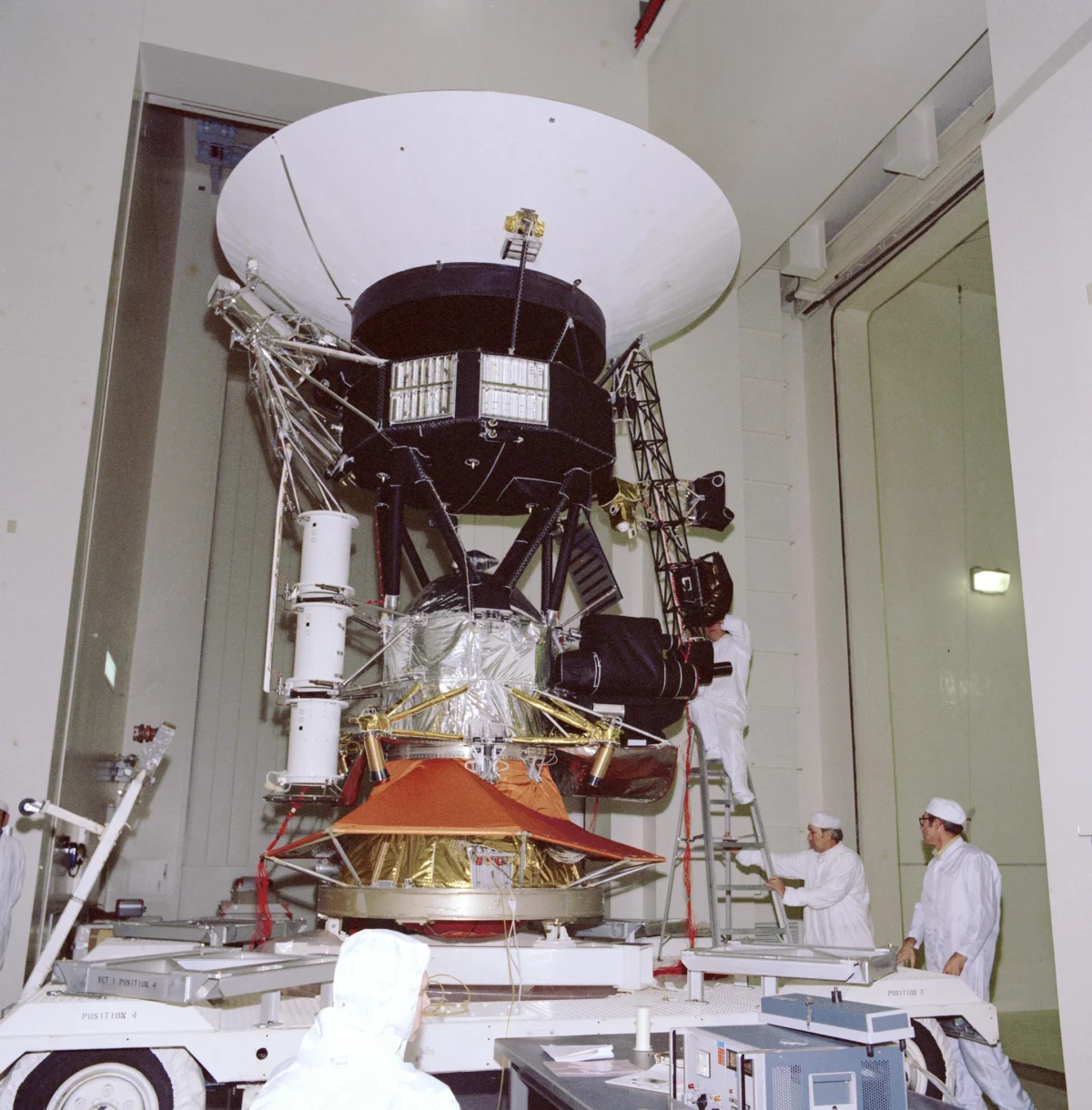
On November 18, 2026, at precisely 5:18 a.m. EST, NASA’s Voyager 1 spacecraft achieved a distance of one light-day from Earth. This monumental milestone represents a span of approximately 16.09 billion miles, a scale of space exploration that defies human intuition. As the probe drifts further into the uncharted territory of the interstellar medium, it remains the most distant object ever constructed by human hands, serving as a silent, flickering beacon at the very frontier of our solar system’s influence.
A Chronology of Interstellar Travel
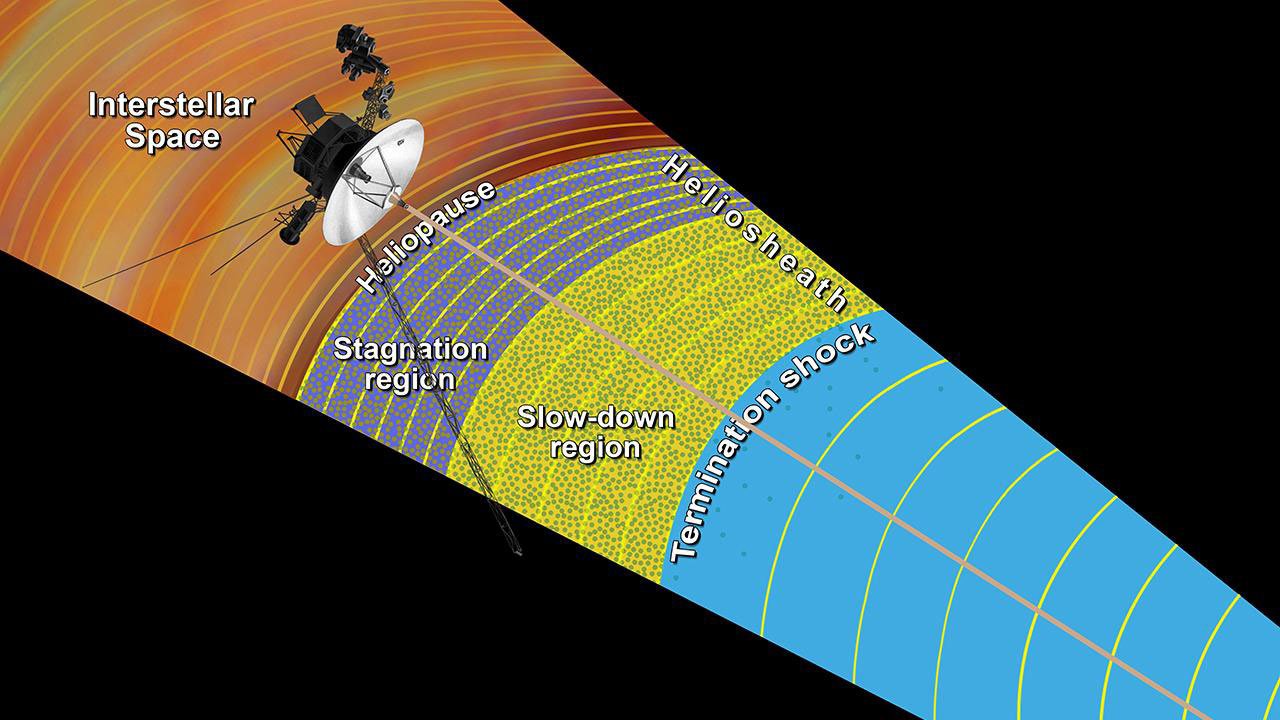
The launch of Voyager 1 in September 1977 was intended to be a grand tour of the outer planets. Its primary mission involved detailed photography and data collection of Jupiter and Saturn. After accomplishing these objectives, the craft performed a gravity-assist maneuver that sent it hurtling toward the edge of the heliosphere—the protective bubble of solar wind that shields our solar system from the harsh radiation of deep space.
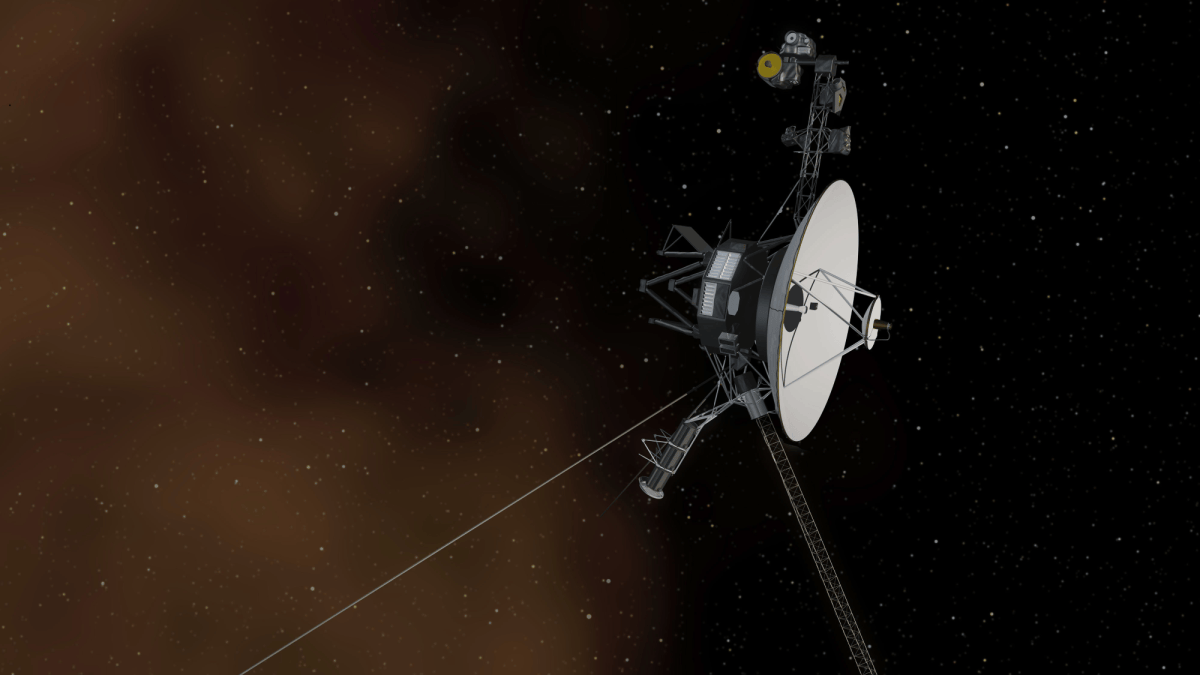
In 2012, Voyager 1 made history by becoming the first human-made object to cross the heliopause and enter interstellar space. Since then, the probe has been navigating the "suburbs" of our solar system, collecting data on plasma density and magnetic fields in a region largely untouched by the Sun’s direct influence. Now, nearly 50 years into its journey, the spacecraft finds itself in a realm where the solar wind is no longer the dominant force, providing scientists with an unprecedented look at the pristine interstellar medium.
The Engineering Challenges of Extreme Latency
The most immediate challenge facing the mission team at NASA’s Jet Propulsion Laboratory (JPL) is the sheer distance inherent in the one light-day milestone. For every command sent to the spacecraft, the mission controllers must wait 24 hours for the signal to arrive at the probe, and an additional 24 hours for the response to return to Earth. This 48-hour "round-trip" latency creates a complex operational environment where real-time troubleshooting is physically impossible.
Jamie S. Rankin, a research scientist at Princeton University and deputy project scientist for the Voyager mission, emphasizes that the endurance of the spacecraft is a testament to the ingenuity of its original design and the modern-day workarounds devised by NASA engineers. "In my mind, the fun is receiving a signal back from the Voyager, a light-day away," Rankin notes. The process of receiving that data is a feat of modern communications; the probe broadcasts using a 23-watt transmitter—roughly equivalent to the power of a standard refrigerator lightbulb. To capture these faint signals, NASA must rely on the massive, high-sensitivity 70-meter antennas of the Deep Space Network.
Power Management and the "Lifeboat" Strategy
As the probe enters its fifth decade of service, the primary constraint on its continued operation is the dwindling supply of plutonium-238, which powers its radioisotope thermoelectric generators (RTGs). To ensure the longevity of the mission, NASA has systematically deactivated non-essential systems. Out of the original 10 scientific instruments that functioned during the Jupiter and Saturn flybys, only two remain operational today.
In April 2026, the mission team was forced to turn off the Low-energy Charged Particles (LECP) experiment to save power. This was followed in September by a complex series of system swaps, where engineers migrated critical functions to lower-power alternatives, a strategy that had previously been validated on its twin, Voyager 2. These surgical adjustments are necessary because the probe’s power output drops by approximately four watts every year. By abandoning heating elements and streamlining data processing, the team has successfully extended the mission life far beyond the original 1977 projections.
Recent Anomalies and Operational Risks
The mission’s age is increasingly showing, as evidenced by a brief, concerning loss of contact in late October 2026. Preliminary investigations suggest the blackout may have been triggered by an unexpected shift in the spacecraft’s thruster systems. While communication was eventually restored, the event served as a stark reminder of the volatility of operating hardware that was designed before the dawn of the digital age.
Kareem Badaruddin, the Voyager mission manager at JPL, noted in a recent briefing that the team must operate with a philosophy of "expecting the unexpected." The current operational status of the craft is stable, but the margin for error is razor-thin. Each time the spacecraft enters a safe mode, there is a legitimate fear that it may not be able to re-orient its high-gain antenna toward Earth, which would effectively end the mission.
Scientific Significance: Defining the Sun’s Influence
The data transmitted by Voyager 1 remains scientifically invaluable. By measuring the transition between the heliosphere and the interstellar medium, researchers are attempting to map the extent of the Sun’s reach. According to Rankin, the goal is to determine exactly where the interstellar medium ceases to be affected by the solar bubble. "There will be some part farther out, some distance away [where the] interstellar medium has no idea that the heliosphere is even there," she explains, noting that Voyager 1 is currently in the crucial transition zone of this "undisturbed" space.
This data is vital for understanding how stars influence their local environments and how solar radiation interacts with cosmic rays. Even as the probe nears the end of its life, it continues to provide a unique vantage point that no other mission can replicate.
Broader Implications and the Eventual Silence
Despite the dedication of the ground team, the mission faces an inevitable conclusion. NASA currently estimates that communication will become impossible by approximately 2036. At that point, the craft will likely be too far away, its power too low, or its trajectory too unstable for the Deep Space Network to establish a viable link.
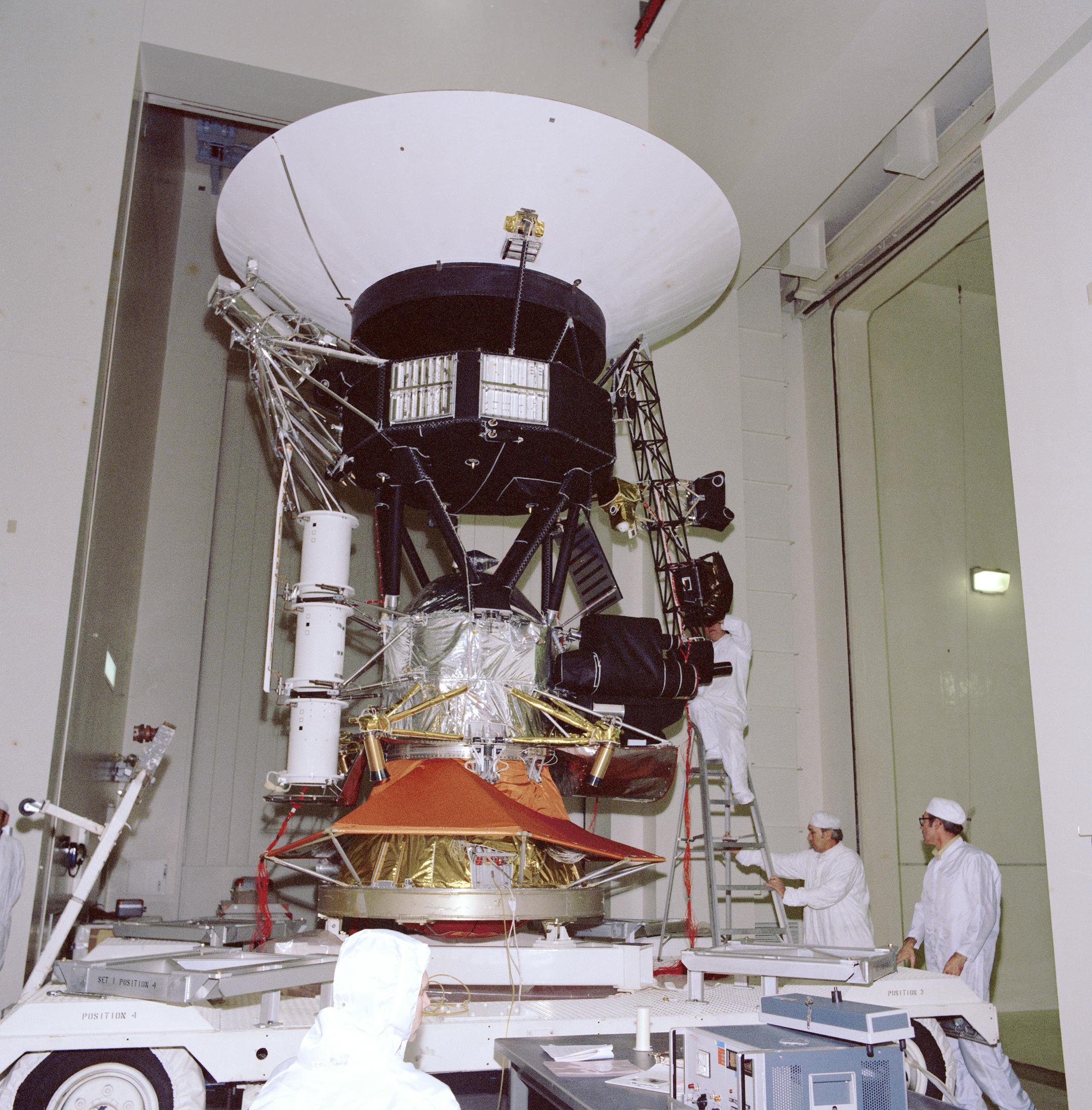
The legacy of the Voyager program, however, transcends the raw data it returns. It represents the first time humanity has projected its presence into the interstellar void. The craft carries the Golden Record, a message from Earth intended for potential extraterrestrial observers, ensuring that even after the radio signals fall silent, the probe will continue its journey as a silent ambassador of human history.
As it moves further into the unknown, Voyager 1 serves as a bridge between the era of early planetary exploration and the future of deep-space science. For the astronomers and engineers who have spent their careers monitoring its progress, the mission is not merely a technical exercise in power management; it is a profound exploration of how far human curiosity can reach. When the inevitable silence finally comes, it will not be viewed as a failure, but as the completion of the most ambitious voyage in human history. The probe will continue to drift through the galaxy, a steel-and-gold testament to a civilization that, for a brief moment in time, reached out to touch the stars.

