
The history of human civilization is inextricably linked to our compulsion to document the natural world. From the primitive pigments of the Paleolithic era to the high-resolution sensors of the twenty-first century, the act of visual representation has served as a primary bridge between human consciousness and the living environment. This evolution is not merely a chronicle of technological advancement; it is a fundamental shift in how humanity perceives its position within the broader ecological tapestry.
A Chronology of Natural Observation
The impulse to capture the likeness of other species predates recorded history. Approximately 40,000 years ago, inhabitants of the Chauvet Cave in France utilized the natural contours of limestone walls to give three-dimensional depth to depictions of lions, mammoths, and rhinoceroses. This early mastery of form suggests that naturalism was a priority long before the development of written language.
Following this, the Lascaux cave complex—dating back roughly 20,000 years—demonstrates a burgeoning grasp of composition and movement. The prehistoric depictions of bison in collision and galloping horses indicate a sophisticated understanding of kinetic energy and perspective. As societies matured, the role of animal imagery shifted from survival-oriented documentation to symbolic representation. In Ancient Egypt, species such as cats and jackals were imbued with spiritual significance, serving as icons for the transition between life and death. During the medieval period, artists utilized fauna as shorthand for human virtues and vices, while Enlightenment-era engravers pivoted toward taxonomy and systematic categorization. By the 19th century, John James Audubon’s The Birds of America set a new benchmark for scientific precision, capturing species with an accuracy that remains a cornerstone of natural history illustration.
The Photographic Rupture
The invention of photography in the 1830s introduced a profound disruption in the relationship between the observer and the observed. For the first time, light itself, rather than the artist’s hand, was the primary mechanism of creation. Anna Atkins, a pioneering botanist, effectively demonstrated this in 1843 with her seminal work, Photographs of British Algae: Cyanotype Impressions. By placing botanical specimens directly onto chemically treated paper exposed to sunlight, Atkins allowed nature to imprint its own likeness. This process effectively removed human mediation from the artistic output, granting the subject a form of biological agency.
Shortly thereafter, William Henry Fox Talbot’s The Pencil of Nature solidified the legitimacy of the medium. Talbot famously clarified that his images were "sun-pictures," produced by the agency of light rather than the "artist’s pencil." This distinction marked the beginning of a new era of observation: one where the photographic apparatus functioned as a bridge to reality rather than an interpretation of it. The timing of these developments proved pivotal; in 1859, Charles Darwin published On the Origin of Species, fundamentally altering the human understanding of existence. In the context of evolutionary flux, the photographic image became a necessary tool for capturing the fluid, changing nature of life as a process rather than a static entity.
Expansion of the Lens: From Wildlife to the Cosmos
As photographic technology matured, it evolved into an essential instrument for scientific inquiry. In the late 19th century, figures like Cherry Kearton revolutionized wildlife documentation by developing specialized concealment techniques, such as artificial animal-shaped blinds, to observe subjects in their natural habitats without interference. This transition into field-based photography provided unprecedented insight into animal behavior.
The 20th century further expanded these horizons. Eadweard Muybridge’s chronophotography provided the first glimpse into the "invisible" mechanics of animal locomotion, capturing gaits and flight patterns that occurred far too rapidly for the human eye to perceive. Subsequently, the mid-20th-century explorations of oceanographer Jacques Cousteau brought the marine environment into the public consciousness, turning the camera into an instrument of mass education and environmental advocacy.
The Whole Earth Paradigm Shift
Perhaps the most significant inflection point in the history of nature photography occurred in the late 1960s. At the urging of visionary Stewart Brand, NASA released the first full-color images of Earth from space. The publication of these images on the cover of the Whole Earth Catalog had a transformative effect on the global collective psyche.
These photographs provided a "planetary perspective," illustrating a world without political borders and reinforcing the concept of Earth as a singular, fragile, living organism. This singular visual event is widely credited with catalyzing the modern environmental movement, providing a unified visual language that linked individual human existence to global ecological systems. The implications were immediate and lasting: a shift in scientific focus toward systems ecology and a heightened public awareness regarding the finite nature of global resources.
Modern Implications and Technical Advancements
Today, the capacity for visual documentation has reached a scale once considered unimaginable. Modern satellite imagery allows for the real-time observation of glacial recession, deforestation, and atmospheric shifts. At the other end of the spectrum, advanced microscopy reveals the intricate cellular and molecular networks that drive life, while deep-space telescopes capture the birth of stars and the collision of galaxies.
This technological maturation has transformed the camera into a neutral observer of reality at all scales. However, this raises critical questions regarding the nature of the "frame." As editors and scientists curate these images, the selection process—what is included and what is excluded—remains a powerful tool of influence. The framing of an image determines the context in which information is processed by the viewer, making the act of observation an inherently active, rather than passive, endeavor.
The Role of Context in Visual Perception
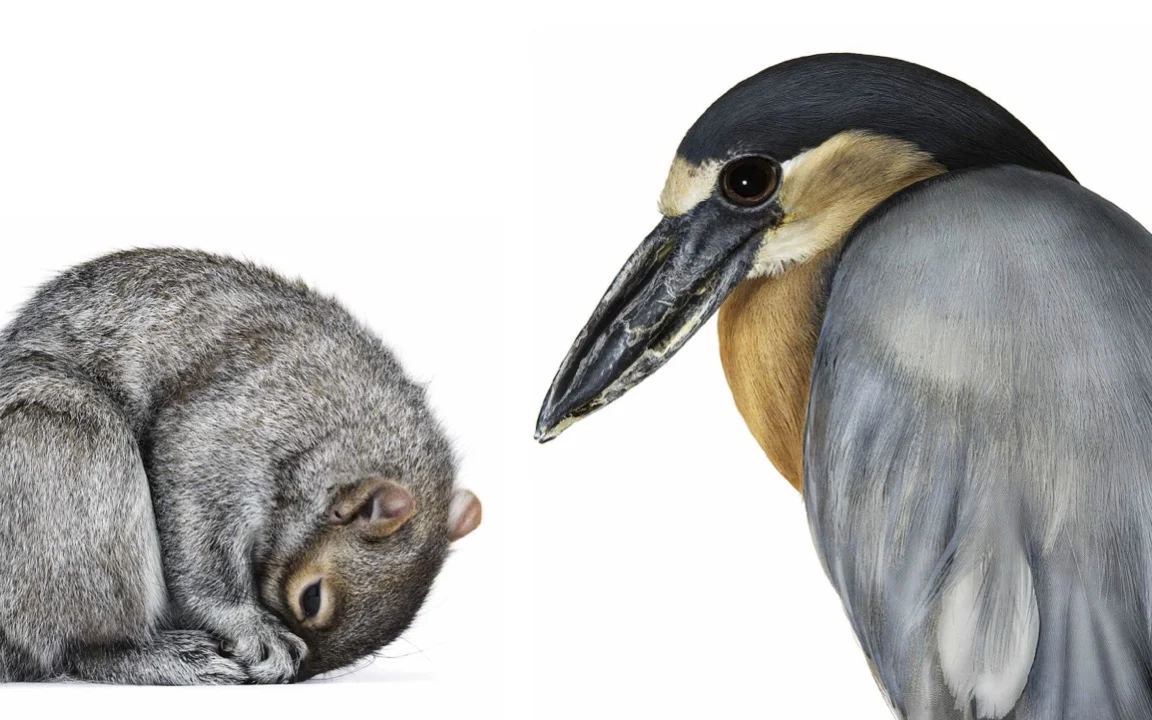
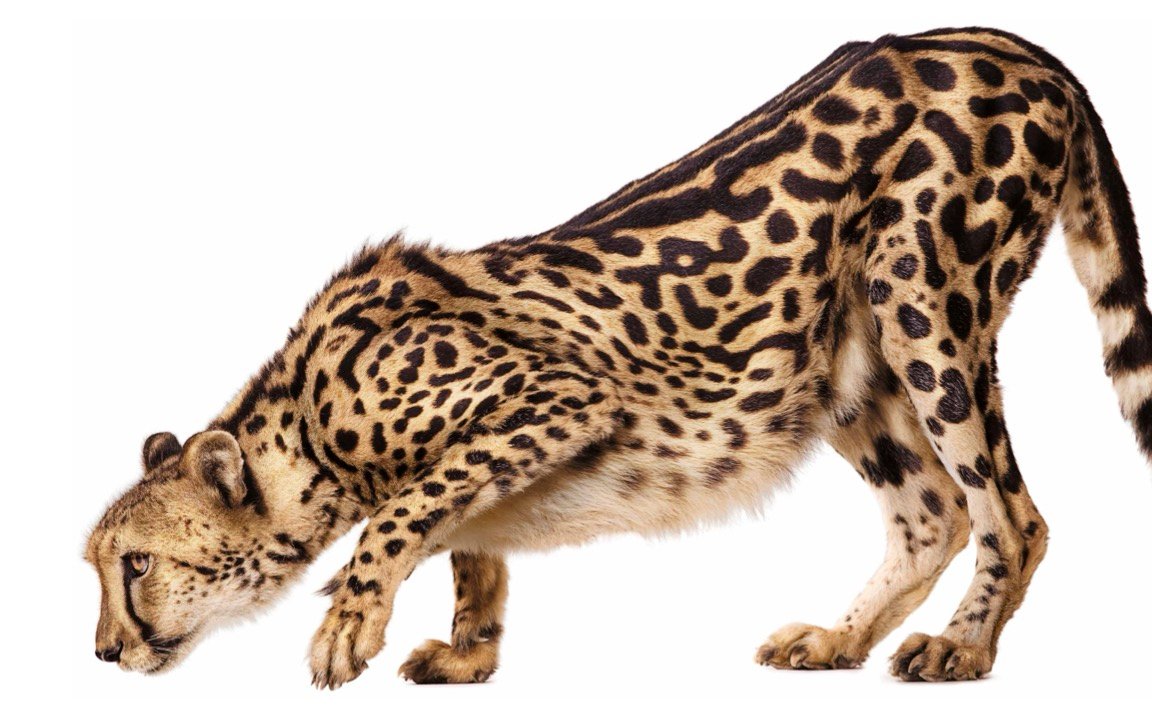
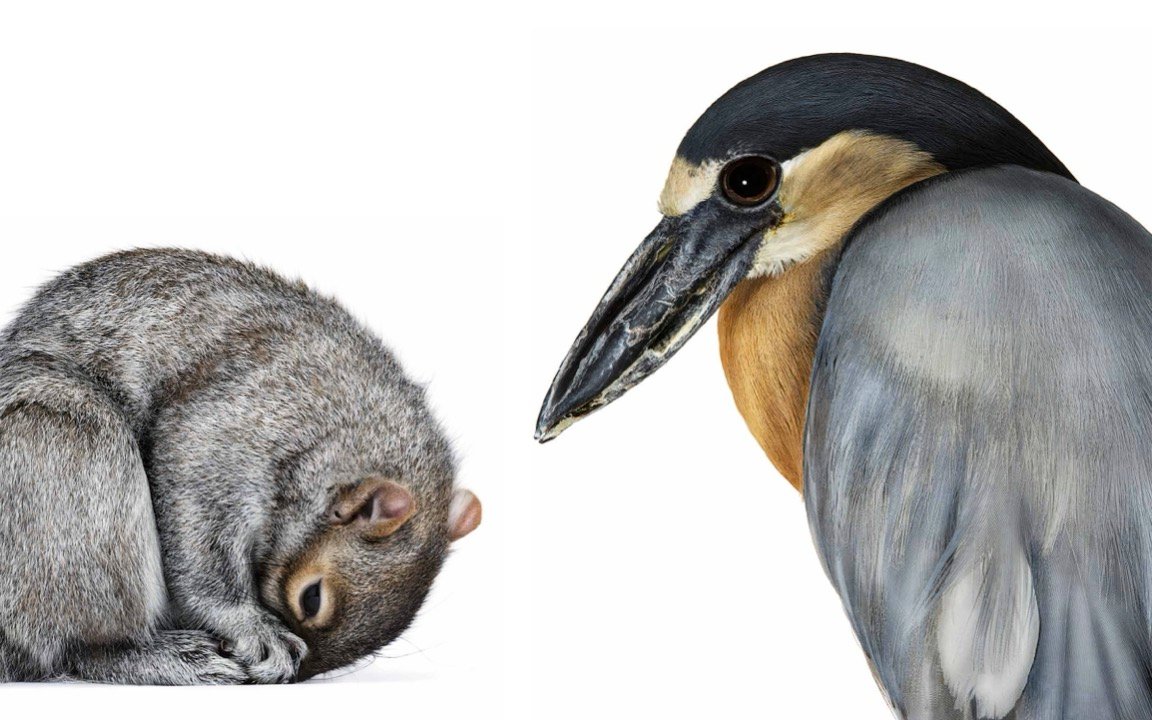
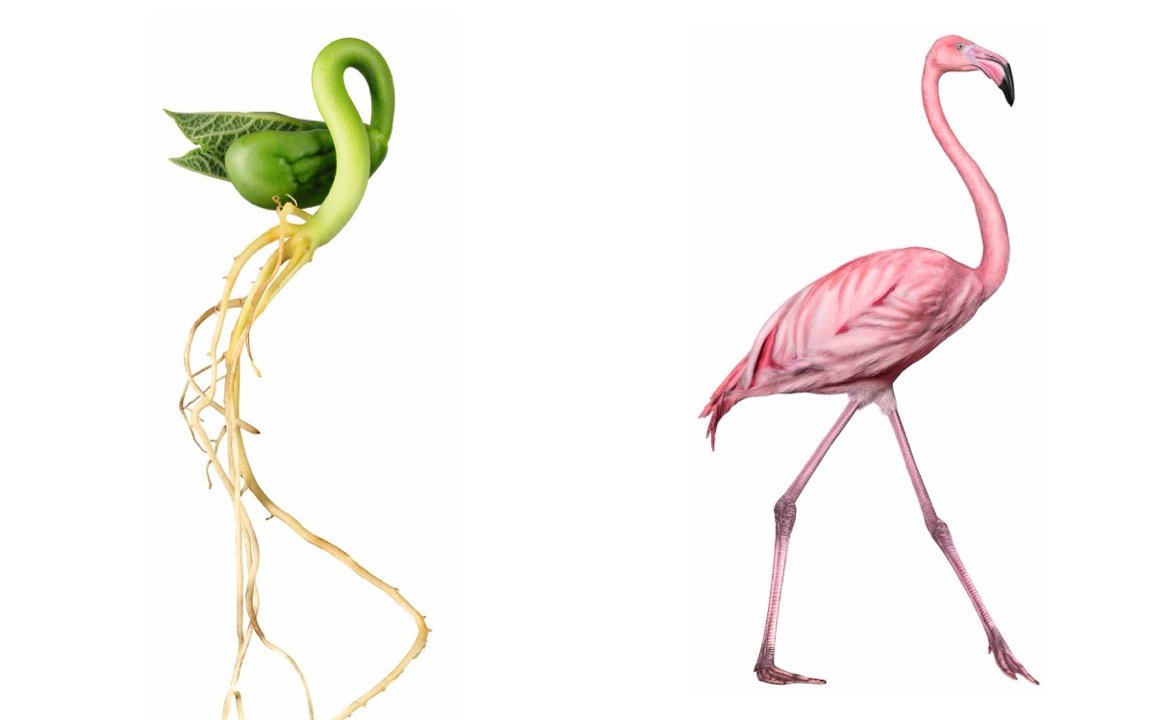
In contemporary visual arts, the presentation of the subject has become as vital as the subject itself. The use of minimalist, high-contrast backgrounds—often seen in the work of modern naturalists and photographers—serves a specific, functional purpose: the removal of environmental noise. By stripping away the context of the natural habitat, the subject is isolated, allowing the viewer to engage in a "preconceptual" encounter.
This technique is designed to bypass the mind’s tendency to categorize or label, instead fostering a direct, sensory connection between the human observer and the living subject. By placing the subject on a shared, neutral plane, the photograph invites a recognition of our shared evolutionary history. The white background does not signify emptiness; rather, it functions as an essential condition for perception, allowing the viewer to experience the subject in a state before cultural or scientific meaning has been applied.
Conclusion: The Future of the Living Image
As we move further into the 21st century, the tools we use to document the natural world continue to advance. The integration of artificial intelligence and machine learning into image processing suggests that our ability to observe and interpret life will only become more sophisticated. However, the core purpose of these endeavors remains consistent with the efforts of the prehistoric painters of Chauvet: to understand the lives of other beings and, in doing so, better understand our own place within the weave of existence.
Seeing is never a neutral act. It is a process of curation and interpretation that shapes our understanding of the world. Whether through the lens of a telescope or the humble cyanotype of a fern, these images serve as an invitation to recognize the continuity of life. As humanity faces unprecedented environmental challenges, the power of the image to move, inform, and challenge the viewer remains one of our most potent tools for navigating the future of the planet. Through the deliberate framing of our reality, we define not only what we see but what we value, ultimately determining our ongoing relationship with the natural order.

