
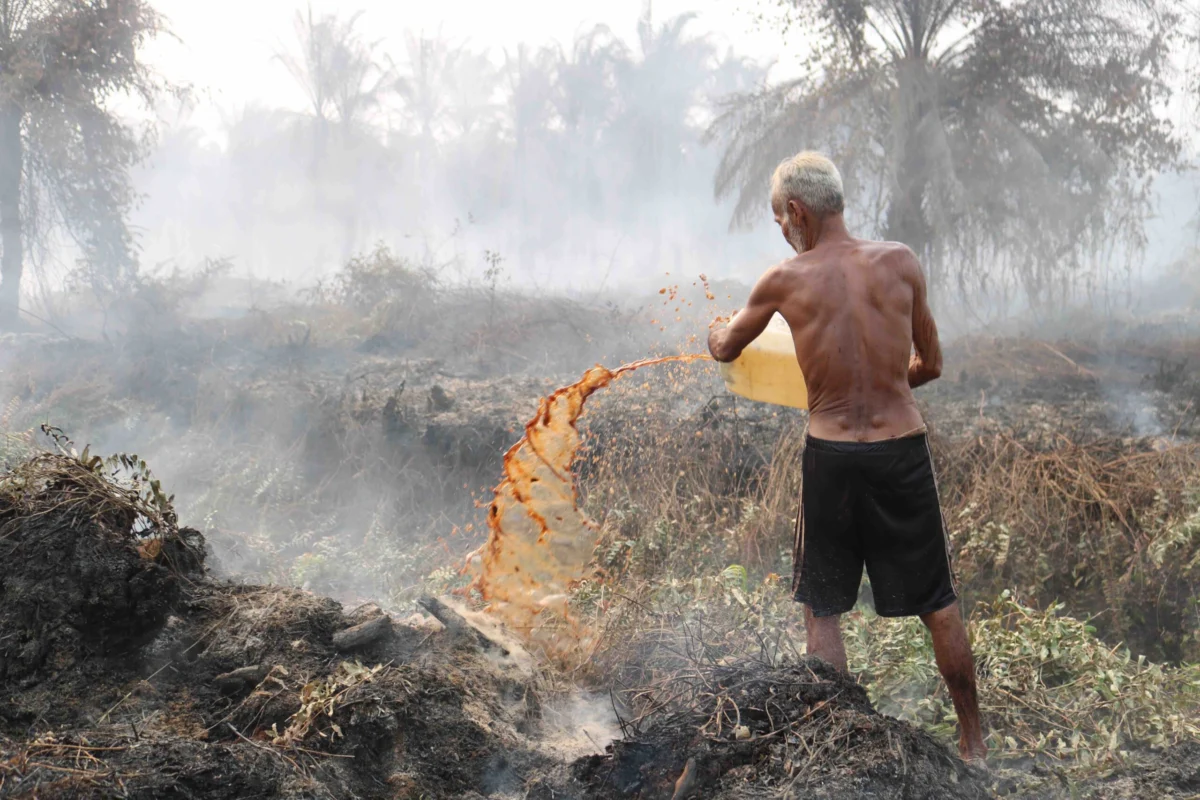
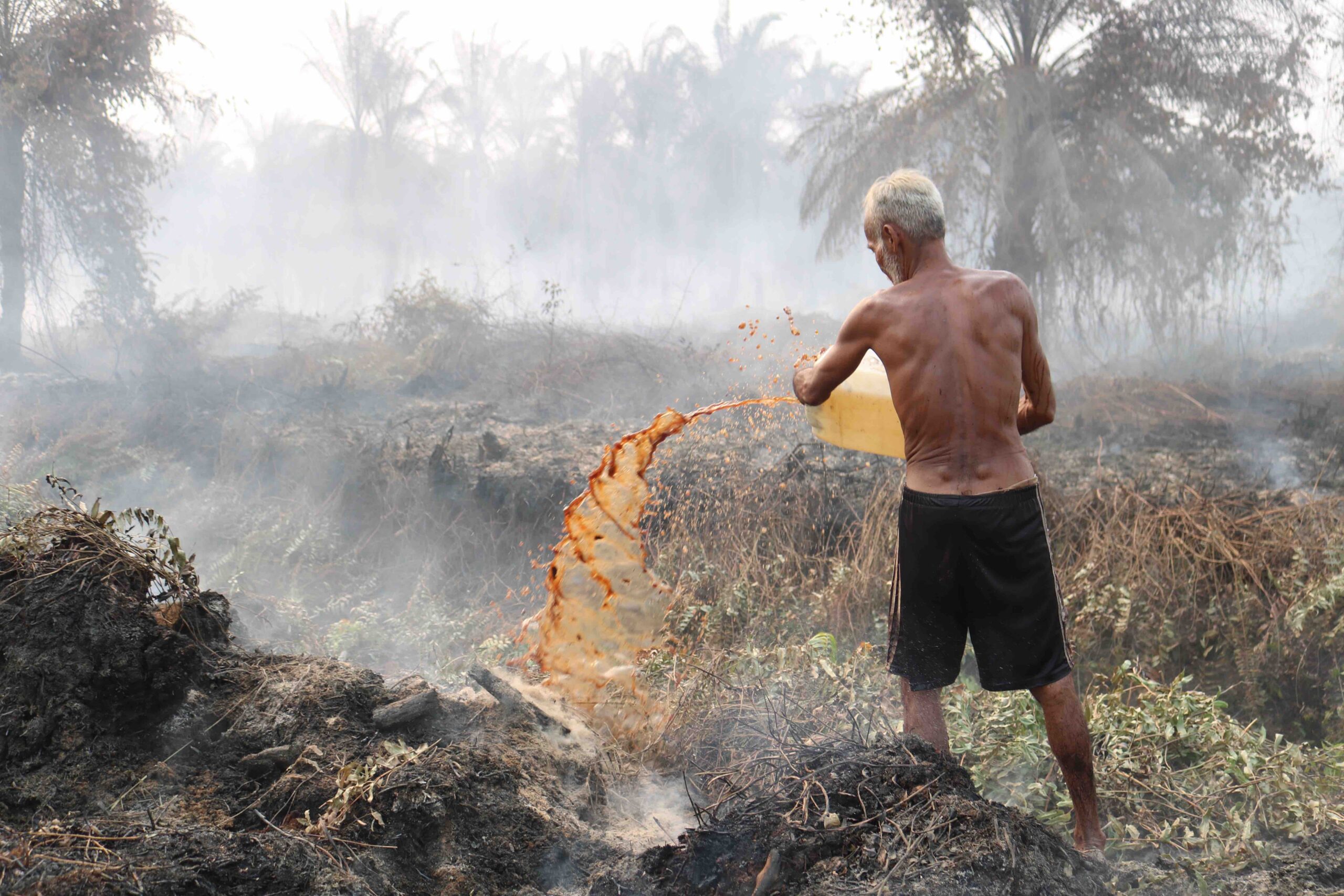
The recurring nightmare of forest and land fires (karhutla) across Indonesia has once again escalated into a regional environmental and public health catastrophe in 2026. With thousands of hectares of forest reduced to ash, the resulting toxic haze has crossed international borders, impacting neighboring nations including Malaysia, Singapore, Brunei Darussalam, and the Philippines. As smoke plumes drift across Southeast Asia, the crisis has reignited urgent debates regarding corporate accountability, the efficacy of land-use governance, and the sustainability of national strategic projects in ecologically sensitive regions like Papua.
A Timeline of Environmental Degradation
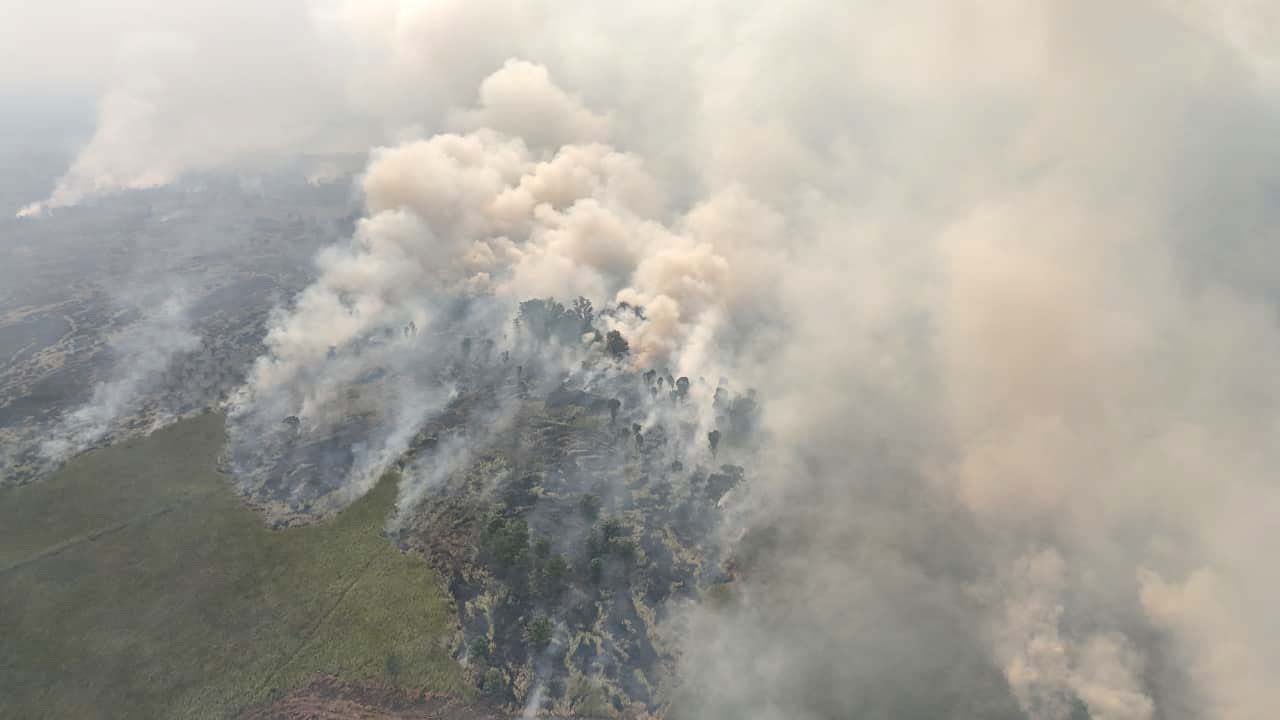
The 2026 fire season began in earnest in August, with satellite data from the ASEAN Specialized Meteorological Center (ASMC) indicating a significant spike in hotspot activity across Kalimantan and Sumatra. By late August, the situation in Papua Selatan began to deteriorate rapidly. Greenpeace reports indicate that as of October 1, 2026, approximately 1,634 smoke emission sources were concentrated in Papua, with 1,413 of these located specifically in the Papua Selatan region.
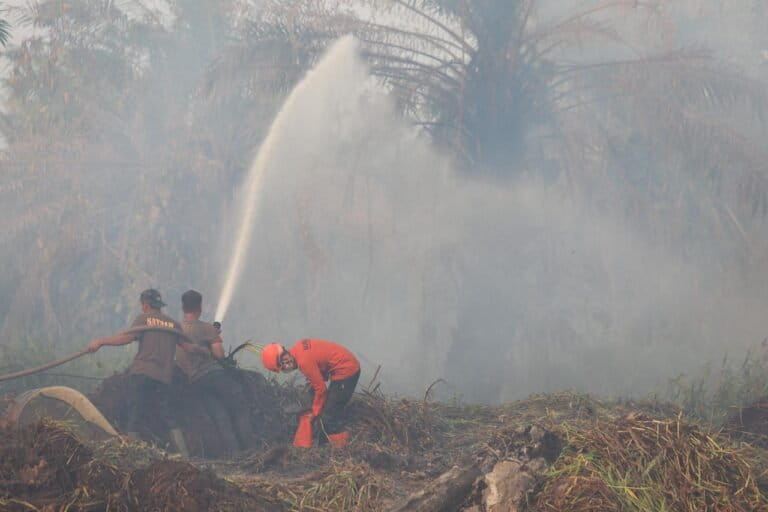
The chronology of the crisis highlights a failure in containment. Throughout August and September, hotspots intensified in the districts of Boven Digoel, Mappi, and Merauke. By mid-October, the Meteorology, Climatology, and Geophysics Agency (BMKG) recorded a staggering 6,702 hotspots in Papua Selatan alone. The fires have proven particularly difficult to suppress due to the remote, inaccessible terrain, allowing the smoke to drift into Papua Tengah, Papua Barat, and across the Arafura Sea toward the Maluku Islands. The smoke has not merely affected local air quality; it has disrupted aviation, with at least 27 flights canceled or delayed between October 10 and 13, severely impacting connectivity between Sentani, Timika, and Wamena.
The Epicenter: PSN Projects and Land Governance
A critical point of contention in this year’s crisis is the intersection of fire hotspots with National Strategic Projects (PSN). Greenpeace investigations have identified 294 smoke sources within areas designated for Forest Area Utilization Approval (PPKH) by the Ministry of Defense. These points are concentrated along a 135-kilometer access road infrastructure project. Furthermore, a significant number of fires have been traced to areas earmarked for large-scale sugarcane development, a sector that has seen aggressive expansion since August 2026.
Critics argue that the current model of agro-extractive expansion is fundamentally incompatible with ecological stability. According to Pantau Gambut, Indonesia holds approximately 24.2 million hectares of Peat Hydrological Units (KHG). Of this, 16.4 million hectares are classified as highly prone to fire. The data suggests a direct correlation between the 8.3 million hectares currently under corporate concession and the prevalence of fire-prone landscapes. Despite government claims of rehabilitation, analysis of the past decade shows that between 97% and 99% of burned peatland fails to return to its original forest state, with over half the land being converted into large-scale palm oil plantations or remaining as degraded shrubland.
Regional Impact: A Crisis Beyond Borders
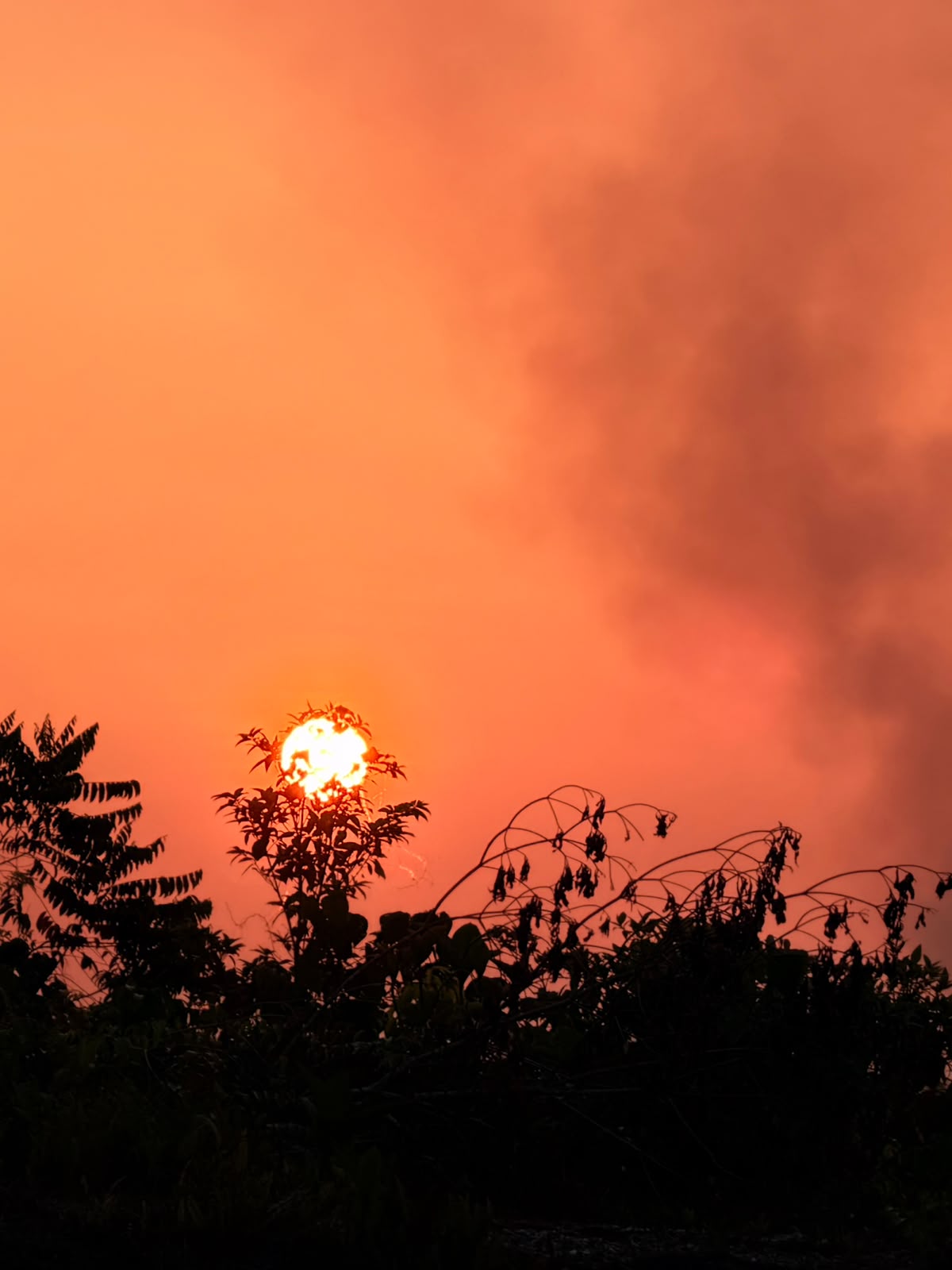
The haze has become a diplomatic and health emergency. In Malaysia, the Air Pollutant Index (API) in several parts of Sarawak exceeded 300, a level categorized as hazardous. By early September, the Malaysian Ministry of Health reported a surge in respiratory ailments, with asthma cases rising by over 200 within a single week and cases of conjunctivitis increasing fivefold. The severity of the situation prompted the Yang di-Pertuan Agong of Malaysia to authorize a state of emergency in the Serian district of Sarawak.
Brunei Darussalam has similarly suffered, with public health authorities reporting widespread irritation of the eyes, nose, and throat among the populace since mid-August. In the Philippines, the Department of Environment and Natural Resources has been forced to monitor air quality levels closely as particulate matter (PM2.5) concentrations have spiked in regions affected by the transboundary drift. This collective impact has pushed the ASEAN bloc to revisit the 2014 ASEAN Agreement on Transboundary Haze Pollution, with Malaysia and Brunei calling for more stringent enforcement of the treaty.
Corporate Accountability and Transnational Ownership
A complex layer of the 2026 crisis is the involvement of regional corporate entities. Greenpeace and Pantau Gambut have documented that several concessions with the highest density of hotspots are linked to business groups headquartered in Singapore and Malaysia. For instance, PT Damai Agro Sejahtera, affiliated with the Singapore-based Bumitama Agri Ltd., recorded 29 smoke sources during the peak August-September window. Similar patterns were observed in concessions tied to First Resources and the Kuala Lumpur Kepong (KLK) Group.
Belgis Habiba, a forest campaigner at Greenpeace, emphasizes that the issue is not simply one of poor weather conditions, but of systemic corporate negligence. "The transboundary nature of this haze is a direct indictment of current domestic law enforcement," Habiba stated. She argues that the lack of transparency in corporate ownership structures hinders regulators from holding parent companies accountable for the environmental destruction occurring on the ground in Indonesia.
The Human Cost and Long-term Implications
The cumulative effect of these fires on human health is staggering. Scientific models cited by environmental organizations estimate that chronic exposure to PM2.5 from peatland fires in Indonesia contributes to approximately 33,100 premature adult deaths and 2,900 infant deaths annually. The economic burden on the healthcare sector is equally severe, with hundreds of thousands of cases of pediatric asthma and respiratory distress requiring hospitalization every year.
The persistence of these fires, often occurring on land previously burned in 2015 and 2019, suggests that current preventive measures—such as canal blocking or community-based fire prevention—are insufficient against the scale of industrial land development. Experts suggest that without a fundamental shift in land-use policy, the cycle will continue unabated.
The Path Forward: Policy Recommendations
To mitigate future disasters, civil society groups and environmental researchers are calling for a three-pronged approach:
- Strict Enforcement and Transparency: Regulatory bodies must demand full disclosure of corporate ownership structures. Legal consequences for fires must extend beyond local subsidiaries to the parent groups and shareholders, regardless of whether they are based in Indonesia or abroad.
- Moratorium on Agro-Extractive Expansion: An immediate freeze on new concessions within high-risk peatland areas is necessary. The focus must shift from development-at-all-costs to the restoration of existing degraded lands.
- Regional Cooperation: While the ASEAN Agreement on Transboundary Haze Pollution exists, it requires more robust teeth. Member states need a mechanism that allows for joint investigations into corporate activities that contribute to transboundary pollution, bypassing the bureaucratic delays that currently characterize regional environmental diplomacy.
The 2026 fires serve as a grim reminder that ecological preservation in one nation is inseparable from the health and economic stability of its neighbors. As the smoke clears in some regions only to intensify in others, the demand for accountability grows louder. The government of Indonesia faces a defining choice: continue to prioritize short-term commodity exports or honor its commitments to protect its citizens and the regional climate. As Belgis Habiba noted, "Clean air and the safety of the people are absolute rights that should not be sacrificed for the profits of a global oligarchy." With the climate crisis accelerating, the time for half-measures has passed; the 2026 crisis is not just a seasonal anomaly, but a structural warning that the status quo is no longer viable.

