

Apple’s entry into the dedicated smart display market, the $299 HomeView, represents a strategic shift in the company’s approach to domestic computing. Available in both tabletop and wall-mounted configurations, the device aims to consolidate the fragmented smart home experience into a singular, cohesive interface powered by the company’s revamped Siri and the A18 processor. For the existing Apple ecosystem user, the HomeView functions as a central hub, yet its success is fundamentally tethered to the compatibility of a user’s peripheral devices within the Apple Home and Matter standards.
Design Evolution and Technical Architecture
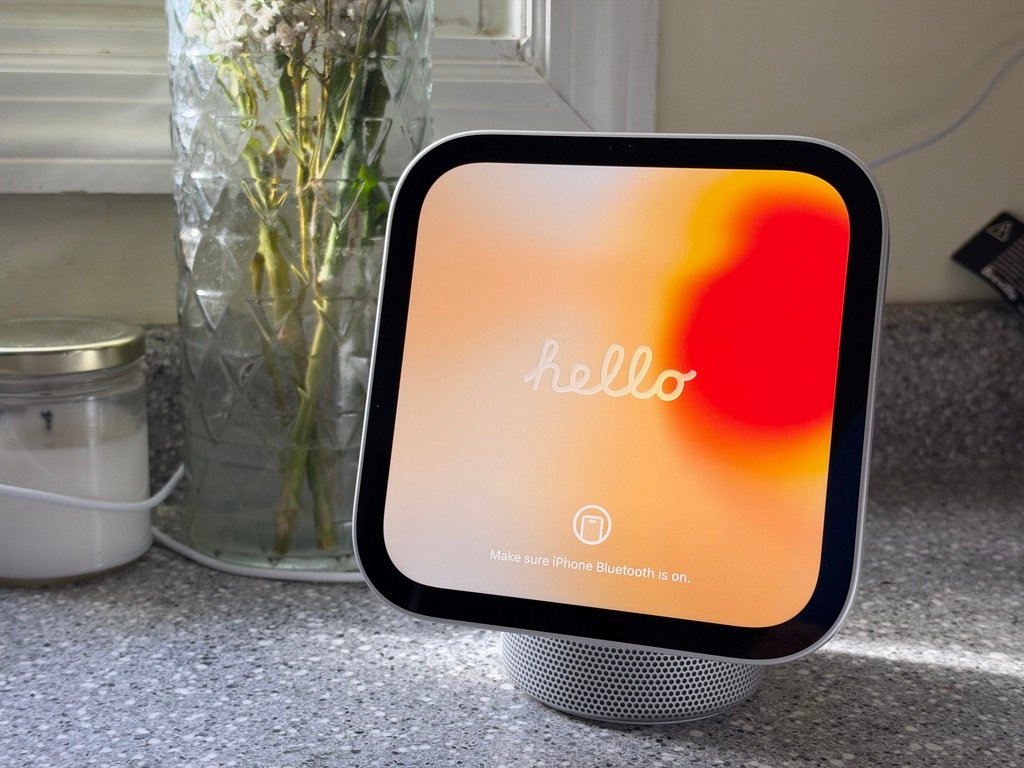
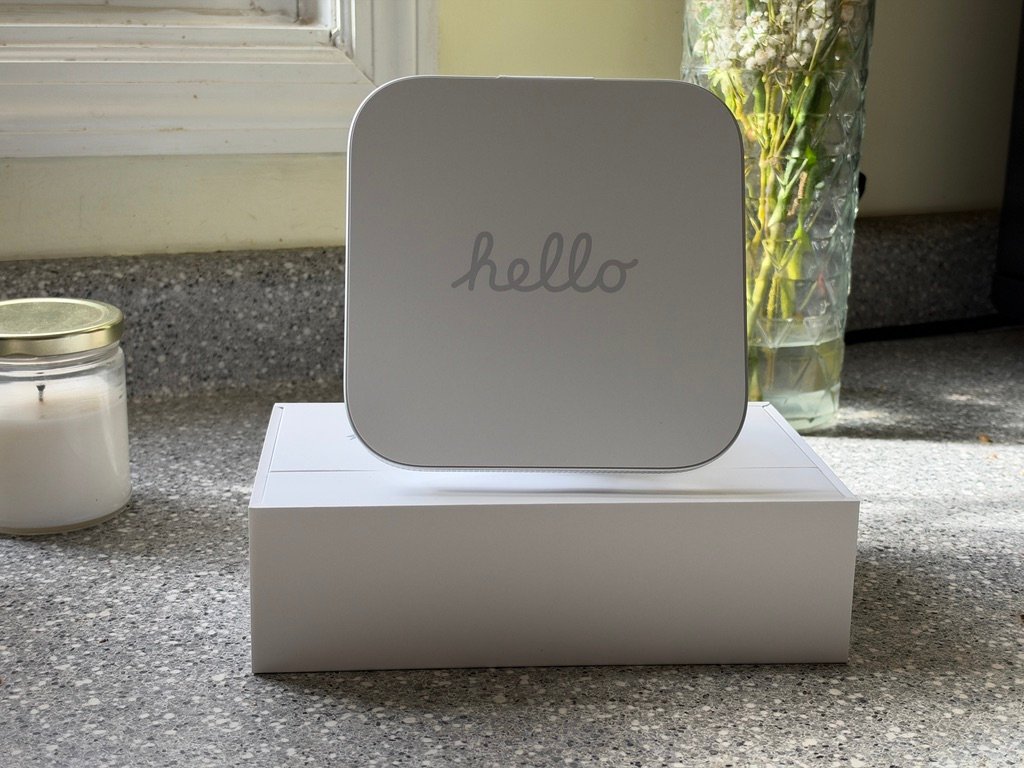
The HomeView aesthetic draws inspiration from the iconic iMac G4, featuring a 7-inch square high-resolution touchscreen mounted on a robust, domed aluminum speaker base. The tabletop model includes a sophisticated internal audio system consisting of a down-firing woofer and two force-canceling passive radiators, complemented by custom full-range drivers housed within the display assembly. This hardware setup facilitates a surprising degree of acoustic clarity for a device of its footprint, leveraging computational audio to adjust output based on the screen’s tilt angle—a feature made possible by internal accelerometers.
The wall-mounted variant, also priced at $299, omits the speaker base in favor of a sleek, minimalist profile. However, prospective buyers should note that this model requires a separate Schneider Home mount, starting at $59.95, and a dedicated 20W power adapter, significantly increasing the total cost of ownership compared to the tabletop version. Both units utilize the A18 chip, which serves as the engine for localized artificial intelligence processing, specifically regarding facial recognition and voice command latency.
The Role of Apple Intelligence and Siri
Central to the HomeView’s value proposition is the integration of the next-generation Siri. Unlike previous iterations that relied heavily on cloud-based processing, the HomeView utilizes Apple’s Secure Exclave architecture to process sensitive data locally. The device is capable of recognizing up to six individual household members by face. When paired with an iPhone or iPad running iOS 27.2 or later, the HomeView can surface personalized information, such as calendar events, commute details, or music preferences, only when the recognized user is detected on the local Wi-Fi network and their mobile device has been recently authenticated.
This reliance on proximity-based authentication, while secure, introduces occasional operational friction. During multi-device environments, Siri occasionally experiences "routing" conflicts, where the HomeView and a nearby iPhone simultaneously attempt to fulfill a command. While these synchronization issues are expected to be refined through future firmware updates, they represent a current operational hurdle for users expecting seamless, instantaneous handoffs.
Compatibility and Smart Home Integration
The HomeView serves as a controller for accessories registered within the Apple Home app, supporting both HomeKit-native devices and those compliant with the Matter smart home standard. The interface is optimized for high-level management, allowing users to monitor up to nine live camera feeds simultaneously, provided those cameras are integrated into the Apple Home environment.
This creates a clear demarcation between users fully invested in the Apple ecosystem and those relying on third-party security platforms like Ring or legacy non-Matter devices. For households with disparate smart technology, the HomeView effectively acts as a forcing function for platform migration. Apple’s recent partnerships with companies like Schneider and LG aim to provide a more robust catalog of compatible hardware, but the immediate limitation remains: if a peripheral device does not natively support Apple Home or Matter, it will remain invisible to the HomeView’s dashboard.
Chronology of Development and Market Context
The release of the HomeView follows years of speculation regarding Apple’s intent to challenge Amazon’s Echo Show and Google’s Nest Hub series. Since the 2024 announcement of the "Project Home" initiative, industry analysts anticipated a device that would move beyond the limitations of the HomePod and Apple TV.
- Q3 2025: Apple introduces the concept of the "Unified Home Hub" during its annual developer conference, signaling a shift toward localized AI processing.
- Q1 2026: Beta testing of the HomeView hardware begins with limited partner groups, focusing on the integration of the A18 chip for smart home management.
- November 2026: The HomeView officially launches, arriving at retailers alongside a suite of third-party Matter-compatible accessories.
Performance and User Experience
Beyond its hub functionality, the HomeView excels as a kitchen and desktop companion. The device features a specialized "Cooking Mode," which reformats web-based recipes into a simplified, step-by-step UI, minimizing the need for manual interaction while the user is engaged in food preparation. The touchscreen sensitivity remains high, even when exposed to ambient moisture, an essential design choice given its primary use cases.
Regarding audio performance, independent assessments indicate that the device produces sound output that is significantly more potent than the HomePod mini, though it does not reach the fidelity of the full-sized, second-generation HomePod. The inclusion of Dolby Atmos support is a notable inclusion, particularly for a device of its size. By utilizing spatial audio reflections, the device creates a soundstage that is sufficient for medium-sized rooms, though users seeking a high-fidelity home theater experience will likely find the acoustic depth limited by the device’s compact, mono-centric driver array.
Analytical Implications and Future Outlook
The HomeView is, by design, an "ecosystem lock-in" product. Its success is not merely defined by the hardware itself, but by the extent to which Apple can convince consumers to adopt the Matter protocol. The lack of an onboard App Store—which forces the device to rely on a connected iPhone for third-party application mirroring—suggests that Apple intends for the HomeView to be a satellite of the user’s mobile device rather than an independent computing platform.

From a privacy standpoint, Apple’s decision to keep camera and microphone processing local via the Secure Exclave provides a distinct marketing advantage over competitors who rely heavily on cloud-side AI processing. However, the lack of physical controls—specifically volume buttons—may alienate users who prefer tactile feedback over voice-only or screen-based adjustments.
As the smart home market matures, the HomeView sets a new standard for integration between personal mobile devices and fixed home hardware. While the current iteration requires a specific, compatible infrastructure to function at its peak, it provides a glimpse into a future where the home is managed by decentralized, privacy-focused AI rather than centralized, data-mining servers. Whether this model can disrupt the market share held by lower-cost, more broadly compatible competitors remains to be seen, but the HomeView clearly establishes Apple’s intent to dominate the premium segment of the smart home industry. The device is not merely a tool for controlling lights and locks; it is a declaration that the "Home of the Future" is intended to be a secure, Apple-governed environment.

