
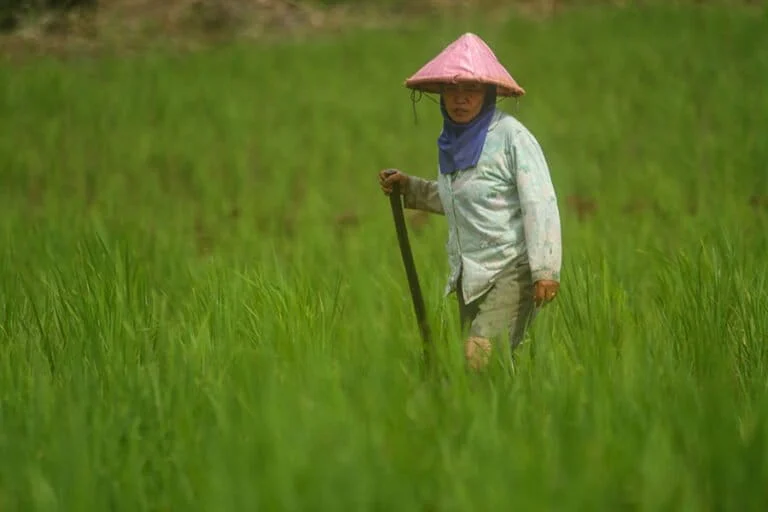
In the verdant highlands of Muara Enim, South Sumatra, the relationship between the indigenous Semende people and the wild feline population transcends mere proximity, evolving into a sophisticated, centuries-old symbiosis that serves as a blueprint for modern conservation. For the Semende, species such as the golden cat (Catopuma temminckii) and the leopard cat (Prionailurus bengalensis) are not simply forest denizens; they are considered extended members of the community, revered for their silent, vital role in safeguarding the region’s agricultural stability. This unique ecological partnership is deeply rooted in the Adat Tunggu Tubang, a traditional social structure that places the stewardship of land, ancestral homes, and the sustainable cultivation of rice at the very heart of Semende identity.
The Pillars of Adat Tunggu Tubang and Agricultural Heritage
At the core of the Semende social fabric lies the Adat Tunggu Tubang, a customary law that emphasizes the sanctity of the land. Under this tradition, sawah (wet rice fields) are treated as sacred heritage, strictly prohibited from being sold or converted for industrial development. The primary objective of these lands is to ensure food security for the family lineage, with women often serving as the primary custodians of these ancestral assets.
This cultural mandate to protect the rice fields extends beyond human management. Malai Ibrahim, a respected customary leader in Cahaya Alam Village, notes that the Semende view the maintenance of the sawah as an holistic endeavor that requires the active preservation of the surrounding ecosystem. By maintaining the integrity of the forests that border their farms, the community has effectively mitigated the risk of large-scale pest outbreaks. "Our ancestors taught us that when we respect the forest and its inhabitants, the land reciprocates with abundance," Ibrahim explains. Consequently, the region has remained remarkably resilient against the devastating crop failures that often plague agricultural zones where ecological balance has been disrupted.
Ecological Synergy: The Role of the Golden Cat and Leopard Cat
The proximity of Semende villages to protected mountainous forests creates a shared living space for both humans and wildlife. As the paddy fields transition into the ripening phase, the yellowing stalks attract various pests, particularly rodents and birds. This seasonal shift acts as a natural magnet for predators, drawing both the golden cat and the leopard cat into the periphery of the fields.
Scientific analysis of these felines reveals distinct hunting strategies that complement one another, effectively regulating pest populations. The Asian golden cat, a medium-sized predator weighing between 8 and 16 kilograms, is a formidable hunter of the forest edge. While they are known to be opportunistic, research indicates that roughly 23 percent of their diet consists of rodents, with the remainder composed of ungulates and other small mammals. Their crepuscular and diurnal hunting habits allow them to monitor the fields during the transition from night to day.
In contrast, the leopard cat is a smaller, nocturnal specialist. Weighing approximately four kilograms, these agile climbers are highly adept at navigating dense canopy cover and field edges. Studies have shown that rodents constitute an overwhelming 79 percent of the leopard cat’s diet. By operating in different time cycles and targeting different prey densities, these two species create a multi-layered pest control system that significantly reduces the pressure on the Semende rice crops. While the presence of these predators does not entirely eliminate the need for human farm management, their contribution to suppressing rodent populations is a recognized, albeit unquantified, economic benefit to the community.
Traditional Storage and the Tengkiyang Legacy
The efficiency of the Semende agricultural system is further evidenced by their post-harvest practices. A single hectare of land in this region typically yields between one and two tons of rice per harvest. Rather than moving immediately to sell the surplus in a volatile market, the Semende utilize the tengkiyang—a traditional, elevated wooden granary. These structures, built to be rodent-proof and well-ventilated, allow families to manage their food reserves systematically. This storage method ensures that the community is buffered against seasonal food shortages, further reinforcing the link between ecological health, agricultural success, and cultural continuity.
Ethics of Stewardship and Wildlife Protection
The Semende worldview is characterized by a profound moral obligation toward injured wildlife. It is a long-standing directive from their ancestors that any animal discovered wounded in the forest or near the gardens must be treated or assisted. This ethos is applied broadly, encompassing not only the smaller cats but also the critically endangered Sumatran tiger, referred to locally with deep respect as "ninek" (ancestor/elder).
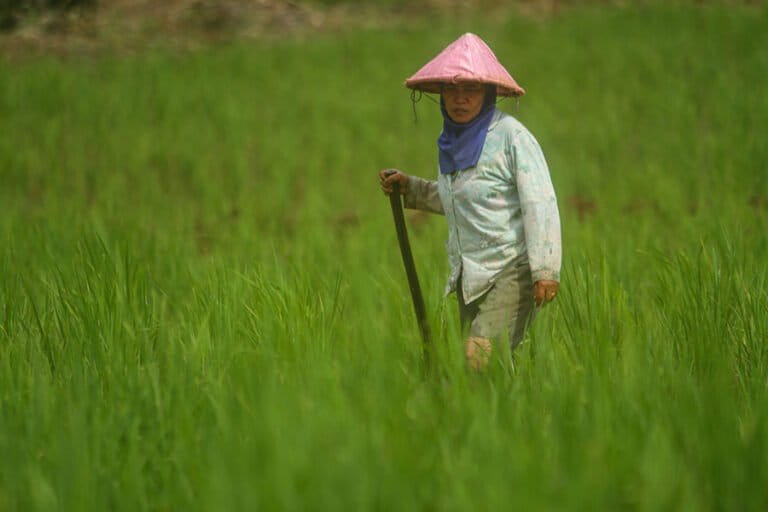
This cultural sensitivity acts as a non-formal mechanism for wildlife protection. By internalizing the value of these predators, the Semende have effectively discouraged poaching and habitat destruction within their immediate vicinity. This proactive stewardship is rare in areas where human-wildlife conflict is often managed through extermination or retaliation.
Official Perspectives and the Need for Formal Integration
Despite the success of these traditional practices, experts suggest that the current framework faces pressures from modern land-use changes. Yusmono, a representative from the Natural Resources Conservation Agency (BKSDA) of South Sumatra, emphasizes that while the kearifan lokal (local wisdom) is commendable, it must be bolstered by formal village and regional regulations to survive in the long term.
"The protection of forests from encroachment and conversion is paramount," says Yusmono. "The landscapes surrounding Semende are vital corridors for a variety of cat species, and the current level of local protection needs to be codified to ensure it withstands future economic pressures."
The Lahat conservation area, which oversees a portion of these lands, currently tracks five distinct species of wild cats. However, a significant data gap persists; there is a lack of comprehensive census data for many of these species within the Jambul Nanti Patah landscape. Without a clearer understanding of population dynamics, conservationists worry that even a slight shift in habitat quality could have disproportionate impacts on these predator populations.
Implications for Future Conservation Strategies
The case of the Semende people offers a compelling argument for the integration of traditional knowledge into national biodiversity strategies. As Indonesia grapples with the dual challenges of agricultural expansion and forest conservation, the Semende model demonstrates that sustainable development is not merely a matter of technological intervention, but a question of cultural alignment.
The implications for broader regional policy are clear:
- Recognition of Customary Rights: Formalizing land rights for communities like the Semende ensures that the primary stewards of the land remain in place, preventing the commercial exploitation of forest edges.
- Community-Led Monitoring: By empowering local villagers as citizen scientists, authorities can bridge the data gap regarding the populations of golden cats and leopard cats.
- Incentivizing Coexistence: Policy should explore ways to reward communities that maintain high biodiversity on their working lands, moving away from purely punitive environmental regulations.
Conclusion: A Delicate Balance
The persistence of the golden cat and the leopard cat in the agricultural landscape of Muara Enim is a testament to the effectiveness of the Semende’s ancient wisdom. By viewing the forest and the farm as a single, interconnected entity, the community has achieved a level of harmony that modern, industrial agriculture struggles to replicate.
However, the future of this relationship remains tied to the broader survival of the Sumatran highlands. As researchers continue to study the migratory patterns and dietary needs of these feline predators, it is clear that their survival depends on the continued preservation of the forest corridors. The Semende have held their end of the bargain for generations, preserving the habitat and honoring the creatures that keep their fields secure. The challenge now lies in ensuring that regional and national policies provide the necessary support to maintain this delicate balance, ensuring that both the people and the wild cats of South Sumatra can continue to thrive in the years to come. The Adat Tunggu Tubang is not just a relic of the past; it is a vital, living strategy for a more sustainable, biodiverse future.

