

The security landscape in war-torn Yemen has deteriorated sharply as advancing Houthi militias closed in on the strategic port city of Aden, the temporary capital and primary stronghold of the internationally recognized Yemeni
government. According to multiple military officials and government sources, militant units have successfully pushed southward, capturing key administrative districts and establishing positions roughly 60 kilometers from the city limits. This sudden territorial shift marks one of the most serious escalations in the country’s prolonged civil conflict, prompting the central government to execute urgent defensive maneuvers, redeploy frontline forces, and fortify urban perimeters to stave off an impending offensive against its administrative hub.
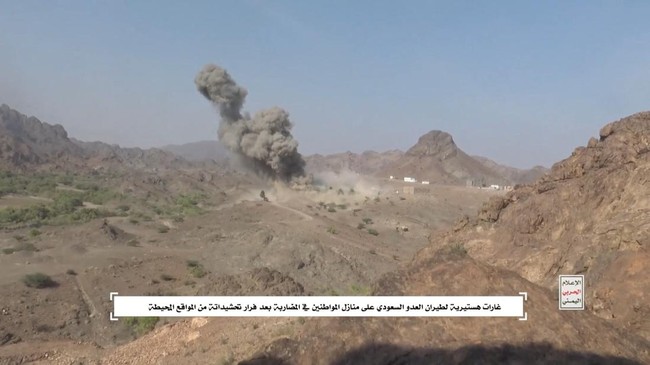
The recent territorial gains by the Houthi movement have dramatically altered the military balance in southern Yemen. Four high-ranking military sources within the government armed forces and two senior administration officials confirmed that Houthi fighters seized control of the Al Maqatirah and Al Madaribah districts. Further solidifying their forward operating footprint, the militia units have moved into the Al-Kharaz camp situated within Al-Madaribah, positioning themselves within striking distance of Aden. This aggressive advance threatens to fracture the fragile status quo that has largely held in southern Yemen, raising profound concerns among regional analysts and international observers over the safety of millions of civilians residing in and around the coastal metropolis.
Background Context of the Yemeni Conflict
To understand the gravity of the current offensive, it is necessary to examine the multifaceted roots of the Yemeni crisis. The conflict originated in late 2014 when the Houthi movement—formally known as Ansar Allah—launched a sweeping insurrection from its traditional stronghold in Saada province, ultimately capturing the capital city of Sanaa. This offensive forced the internationally recognized government of President Abdrabbuh Mansur Hadi into exile and triggered a devastating regional intervention in March 2015 led by a Saudi-led coalition.
Over the subsequent decade, the war evolved into a complex multi-party stalemate characterized by shifting alliances, profound humanitarian devastation, and episodic ceasefires. While major active combat operations subsided following a United Nations-brokered truce in 2022, a formal, comprehensive peace agreement has remained elusive. The lack of a political settlement left underlying territorial disputes unresolved, creating a vacuum that enabled both sides to periodically test ceasefire boundaries. The recent Houthi push toward Aden represents a decisive exploitation of these unresolved vulnerabilities, signaling the group’s intent to test the resolve of government forces and their regional backers.
Chronology and Strategic Redeployment of Government Forces

The unfolding military crisis began to accelerate late last week as intelligence reports indicated mounting Houthi movements along southern transit corridors. In direct response to the encroaching threat, the Yemeni government executed a strategic consolidation of its military assets. On Sunday, military command officially completed the controlled withdrawal of government forces from positions situated in close proximity to the vital Bab el-Mandeb Strait—a crucial global shipping choke point connecting the Red Sea to the Gulf of Aden.
Rather than abandoning the sector entirely, military leadership orchestrated a tactical redeployment to reinforce vulnerable positions where forces were deemed most necessary. The primary objective of this reallocation is the robust defense of Aden and its surrounding provinces. Concurrently, engineers and frontline troops have commenced heavy defensive preparations within the metropolitan perimeter of Aden. Reports from the ground indicate that military personnel and local defense units have begun rapidly constructing sandbag fortifications, digging tactical trench networks, and establishing hardened underground checkpoints to repel potential mechanized and infantry assaults by the advancing militia.
Geopolitical Significance of the Bab el-Mandeb Strait and Aden
The geographic theater of the current escalation carries immense geopolitical and economic weight. Aden serves not only as the political and administrative heartbeat of the internationally recognized government but also as a critical maritime logistics node in southern Arabia. The city’s extensive deep-water port facilitates the import of vital foodstuffs, humanitarian aid, and commercial goods into a nation suffering from chronic food insecurity and economic collapse.

Furthermore, the proximity of the fighting to the Bab el-Mandeb Strait underscores international vulnerabilities. The strait is one of the world’s most critical maritime chokepoints, through which a substantial portion of global energy supplies and containerized shipping passes daily. Any prolonged military instability or expansion of hostilities into this coastal corridor threatens international commercial navigation, potentially drawing a sharp response from maritime security coalitions and foreign powers that maintain strategic interests in safeguarding Red Sea trade routes.
Official Responses and Institutional Posture
While direct public statements from senior government ministers remain tightly controlled due to operational security, military spokespersons have emphasized that defensive preparations are proceeding at an accelerated pace. Defense officials have reiterated their commitment to protecting civilian populations and maintaining territorial integrity against what they characterize as an unprovoked escalation by the Houthi leadership.
Conversely, Houthi military media channels have framed the ongoing operations as part of a legitimate campaign to counter foreign-backed aggression and reclaim sovereign territory. The group’s media apparatus has released extensive visual documentation of their forces moving through captured districts, aiming to project strength and project momentum to both domestic constituents and external adversaries.

Humanitarian Implications and Civilian Vulnerabilities
Humanitarian organizations operating within Yemen have sounded immediate alarms regarding the welfare of civilians caught in the crossfire. Years of sustained conflict have crippled Yemen’s healthcare infrastructure, left millions displaced, and pushed large segments of the population to the brink of famine. The advance toward Aden threatens to trigger a new wave of internal displacement, particularly among vulnerable populations residing in rural transition zones between Lahij and the capital.
Aid agencies have reported severe logistical challenges in delivering assistance to frontline areas, as active skirmishes disrupt supply lines and restrict humanitarian access. Local human rights monitors have urged all warring factions to adhere to international humanitarian law, demanding the establishment of protected corridors to ensure the safe passage of non-combatants fleeing the combat zones.
Broader Economic and Regional Fallout

Beyond the immediate security crisis, the Houthi advance threatens to inflict deeper damage on Yemen’s fragile economy. The depreciation of the national currency, hyperinflation, and the paralysis of public sector salaries have already subjected ordinary citizens to unprecedented hardship. Any sustained military campaign centered around Aden—the primary hub for central banking functions and import commerce—could completely collapse the remaining economic lifelines of the state.
Regionally, the escalation complicates ongoing diplomatic efforts led by regional powerhouses, particularly Saudi Arabia and Oman, to negotiate a durable political settlement between the Houthis and the Riyadh-backed government. Observers note that aggressive territorial moves by the Houthis undermine trust at the negotiating table, making it increasingly difficult to bridge the deep ideological and political divides that have prolonged the conflict. As military engagements intensify along the southern approaches to Aden, the international community faces renewed pressure to leverage diplomatic channels to prevent a full-scale resumption of all-out war in the Arabian Peninsula.

