
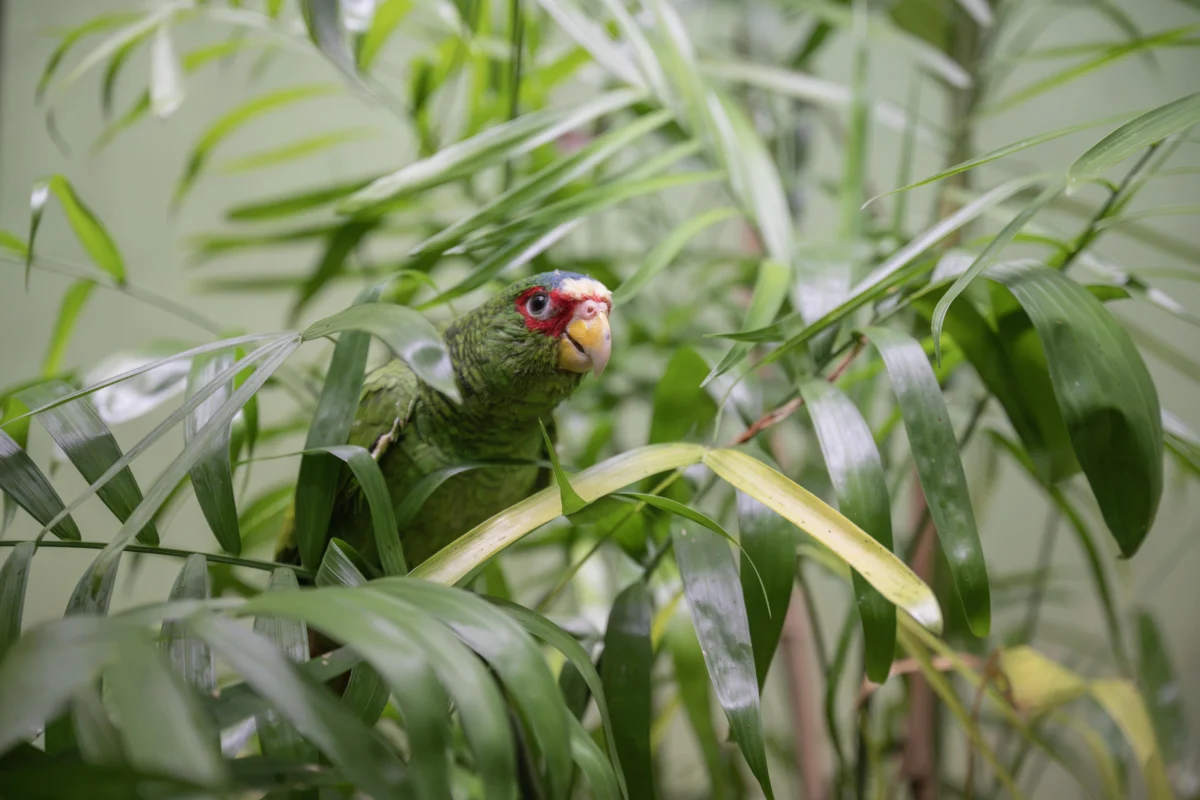
The Wildlife Conservation Society’s (WCS) Bronx Zoo has recently taken in dozens of avian refugees, serving as a critical sanctuary for parrots seized by the United States Fish and Wildlife Service (USFWS) at the U.S.-Mexico border. These birds, primarily comprising white-fronted Amazons (Amazona albifrons) and orange-fronted conures (Eupsittula canicularis), were intercepted while being smuggled into the United States, marking a significant intervention in the ongoing fight against transnational wildlife trafficking.
Over the past 17 months, the Bronx Zoo’s veterinary and ornithological departments have operated as a primary rehabilitation hub for these animals. The arrival of these birds is not merely a logistical challenge for the zoo; it represents a sobering glimpse into the persistence of the illegal pet trade, which continues to strip wild populations of their freedom to satisfy demand for exotic companions.
A Chronology of Interception
The efforts to curb this illicit trade have intensified over the last year and a half. According to federal authorities, the confiscation process has occurred in staggered waves. The orange-fronted conures were seized during three distinct USFWS operations spanning the 17-month window, while the white-fronted Amazons were brought into the zoo’s care more recently.
The U.S.-Mexico border remains a major flashpoint for wildlife smuggling. Traffickers often employ sophisticated concealment methods to bypass inspection, placing birds in cramped, high-stress environments that can lead to severe health complications, including dehydration, feather plucking, and infectious diseases. Once the USFWS intercepts these shipments, the immediate priority is the survival of the animals. This is where the Bronx Zoo’s specialized expertise becomes vital. Upon arrival, each bird undergoes a comprehensive health assessment, including diagnostic testing for pathogens that could threaten both the rescued birds and the zoo’s established populations.
The Biology of the Victims
Understanding the birds involved helps highlight the ecological loss caused by these seizures. The white-fronted Amazon, native to regions from Mexico to Central America, is the smallest member of the Amazon parrot genus. They are biologically distinct due to their sexual dimorphism—a rarity among many parrot species. Males are easily identifiable by their vibrant red shoulder patches, whereas females possess green shoulder feathers. Both sexes share the species’ hallmark white forehead and bright red facial plumage.
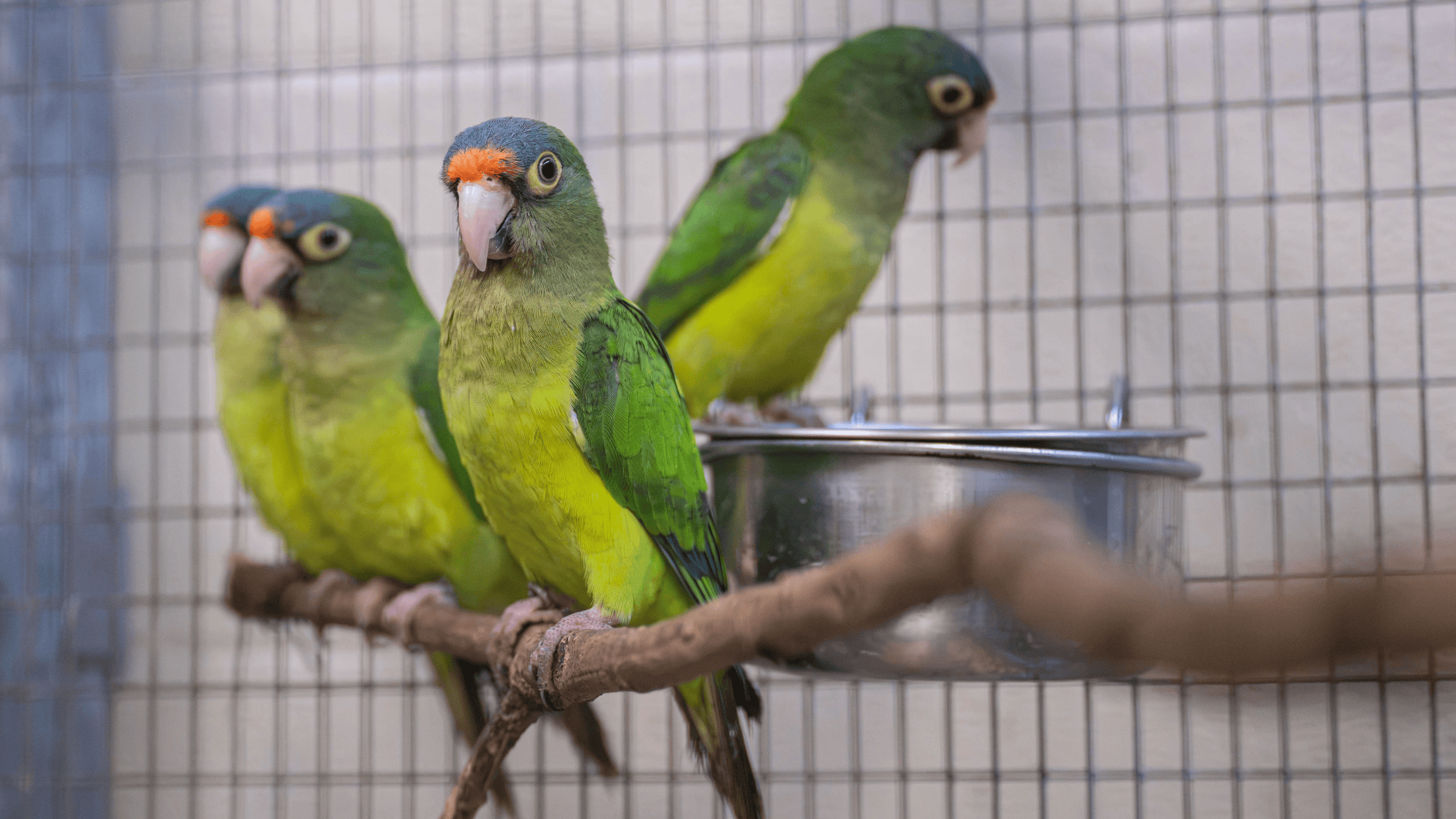
The orange-fronted conure, also known as the half-moon or Petz’s conure, inhabits open woodlands, forest edges, and savanna ecosystems throughout Central America and Mexico. Characterized by their namesake orange forehead and striking blend of green and blue plumage, these birds are highly social, living in large flocks in their natural habitat. When taken from the wild, they lose the ability to engage in the complex vocal and social behaviors that define their existence, rendering them psychologically distressed.
Expert Response and Rehabilitation
The role of the WCS Bronx Zoo extends far beyond temporary housing. Chuck Cerbini, the zoo’s Curator of Ornithology, emphasized the moral and operational imperative of the facility’s mission. "These animals were stolen from the wild and are victims of the illegal wildlife pet trade, and our responsibility is to give them the best possible chance for a healthy future," Cerbini stated.
The rehabilitation process is intensive. Veterinary teams must address the physical trauma of transit, which often involves treating malnutrition and injuries sustained from overcrowded, unventilated transport containers. For birds that have been hand-reared by poachers or kept in solitary confinement, the zoo’s team works to provide an environment that mimics their natural ecological needs.
For many of these parrots, a return to the wild is often impossible. Years of captivity or the inability to safely identify their original wild population makes reintroduction a complex conservation risk. In these instances, the zoo works to find permanent, high-quality placements in accredited facilities, ensuring that these animals live out their lives in conditions that promote natural behaviors.
The Broader Scope of Global Wildlife Trafficking
While the International Union for Conservation of Nature (IUCN) currently lists both the white-fronted Amazon and the orange-fronted conure as species of "Least Concern," this designation masks the localized danger of over-collection. A species does not need to be on the brink of extinction for its trade to be environmentally destructive. The removal of breeding pairs from a local population can cause a ripple effect, reducing genetic diversity and destabilizing local ecosystems.
Wildlife trafficking is a multi-billion-dollar global industry, often linked to organized crime syndicates that also deal in narcotics and human smuggling. Birds are uniquely vulnerable to this trade due to their aesthetic appeal, intelligence, and high demand in the private pet market. According to reports from various international wildlife watchdogs, the demand for exotic pets in North America and Europe continues to drive poaching activities in Latin America, Southeast Asia, and Africa.
The loss of forest habitat, combined with the pressure of poaching, creates a "double-bind" for many tropical bird species. Even if a habitat is protected, the selective removal of charismatic species by poachers can result in "empty forests"—landscapes that remain physically intact but are devoid of the avian life that drives seed dispersal and pollination.
Implications for Future Conservation
The collaboration between the USFWS and the Bronx Zoo represents a model of cooperation that is essential for modern wildlife protection. By leveraging the clinical infrastructure of a major zoological institution, federal law enforcement can ensure that intercepted wildlife receives the care necessary to survive the transition from the black market back to a managed environment.
However, rescue is only the final link in a long chain. Experts argue that reducing the demand for wild-caught birds requires a shift in public perception and stricter enforcement of international trade regulations like CITES (the Convention on International Trade in Endangered Species of Wild Fauna and Flora). Public awareness campaigns are increasingly focused on educating potential pet owners about the origins of their animals, encouraging the adoption of captive-bred birds rather than purchasing those that may have been sourced illegally.
As these rescued parrots continue their recovery at the Bronx Zoo’s "World of Birds" exhibit, they serve as living ambassadors for their counterparts still in the wild. Their survival is a testament to the dedication of veterinary staff, but their presence in the zoo also serves as a stark reminder of the global demand that fuels the poaching crisis.
The ongoing efforts to rehabilitate these birds underscore a fundamental truth in conservation: the protection of species cannot be limited to the preservation of land. It must also include active, aggressive interventions against the illicit networks that view wildlife as commodities rather than sentient, essential components of a thriving planet. As law enforcement agencies continue to intercept shipments at the border, the need for partnerships between state, federal, and non-profit entities will only grow, ensuring that when the worst happens, there is a safe harbor for those caught in the crossfire of the illegal trade.
The Bronx Zoo’s commitment to these parrots is a crucial investment in the future of avian welfare, providing a second chance for creatures that were once destined for a life of confinement. While the road to full rehabilitation is long, each bird that regains its health represents a small but significant victory against a global problem that shows no signs of abating. The zoo’s current efforts, involving dozens of parrots, serve as a microcosm of a much larger, global battle—one that requires constant vigilance, international cooperation, and an unwavering commitment to the ethical treatment of all living things.

