

Ciudad Juarez, Mexico – July 22, 2026 – In an innovative and visceral response to mounting societal pressures, a growing number of individuals in Mexico are turning to specially designed "chaos zones" to safely vent their frustrations. These venues, offering the cathartic experience of destroying everyday objects like televisions, printers, and even furniture, have emerged as a novel and increasingly popular method for stress relief. Located in cities like Ciudad Juarez, these establishments provide a controlled environment where participants can engage in physical destruction, channeling pent-up emotions in a constructive, albeit unconventional, manner.
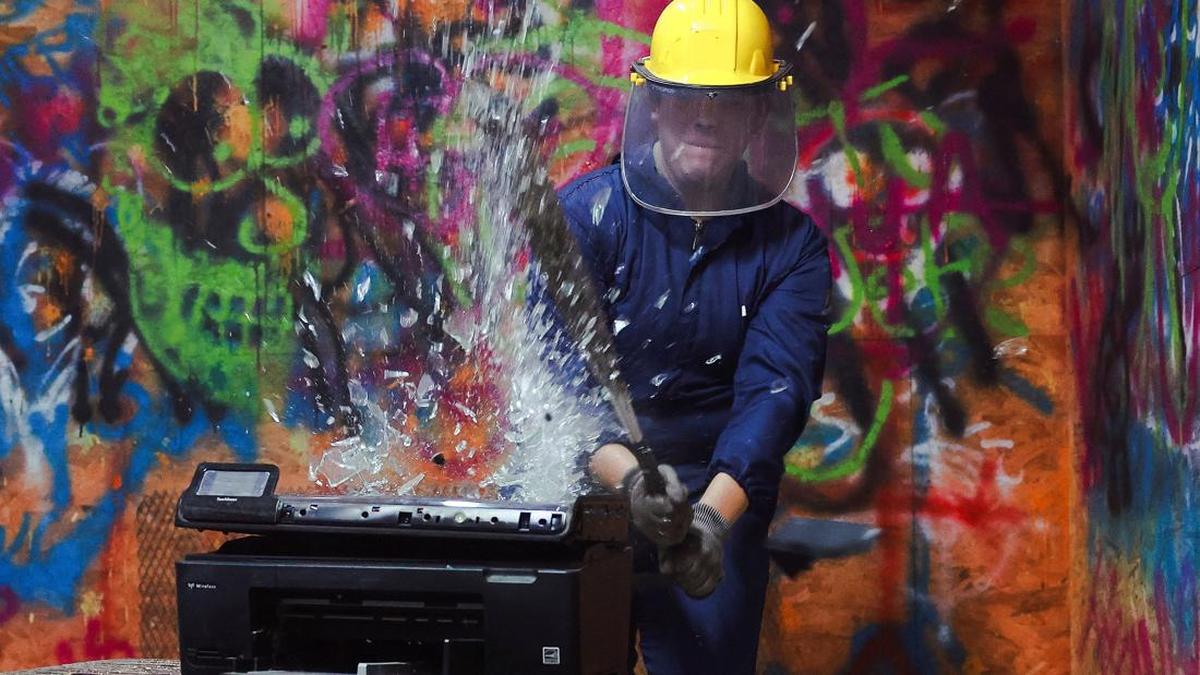
The concept, often referred to as a "rage room" or "smash room," capitalizes on the primal urge to release anger and tension through physical action. Unlike traditional stress-management techniques, these zones offer an immediate and tangible outlet. Visitors are provided with protective gear, including overalls, helmets, and gloves, along with an arsenal of tools ranging from baseball bats and sledgehammers to rubber mallets. The objects designated for destruction are typically old electronics, glassware, and other items that have been repurposed or sourced specifically for this purpose, ensuring a level of environmental responsibility.
The Rise of Controlled Destruction
The emergence of these "chaos zones" can be traced to a broader global trend of experiential entertainment and mental wellness solutions. As modern life intensifies, characterized by demanding work schedules, economic anxieties, and the constant barrage of digital information, individuals are seeking more direct and impactful ways to cope with stress. Traditional methods like meditation, yoga, or therapy, while valuable, may not always provide the immediate physical release that some people crave. Rage rooms fill this gap by offering a primal, almost ritualistic, experience of breaking things.
The origin of the modern rage room concept is often attributed to a similar business that opened in Toronto, Canada, in 2016. Since then, the idea has spread rapidly across the globe, adapting to local cultural contexts and available resources. In Mexico, the "Zona de Caos" (Chaos Zone) in Ciudad Juarez is one prominent example. It offers various packages, allowing customers to select the number and type of items they wish to obliterate. This tiered approach caters to different levels of frustration and budgets, making the experience accessible to a wider audience.

A Safe Haven for Catharsis
The core appeal of these facilities lies in their promise of a safe and consequence-free environment for emotional expression. Participants are not simply encouraged to smash things randomly; they are guided through a process that emphasizes controlled destruction. The safety protocols are paramount. Before entering the designated smashing area, visitors undergo a thorough briefing on safety procedures and the proper use of tools. The smashing chambers themselves are designed to contain the debris and ensure that participants are shielded from flying fragments.
"We provide a space where people can let go of everything that’s bothering them without any negative repercussions," stated a representative from one such facility, speaking anonymously to protect the business’s operational details. "In today’s world, the pressures are immense. Sometimes, the best way to deal with that pressure is to physically release it. We offer a controlled, safe, and frankly, very fun way to do that."

The types of items available for destruction are varied and often include discarded electronics like televisions and printers, glass bottles, ceramic plates, and even old furniture. The visual and auditory experience of breaking these objects – the shattering of glass, the crumpling of metal, the splintering of wood – provides a powerful sensory release. For many, it’s an opportunity to reclaim a sense of power and control over their environment, even if it’s in a simulated context.
Beyond the Smash: Underlying Psychological Benefits
While the act of destruction might seem counterintuitive to mental well-being, proponents argue that it serves a therapeutic purpose. By engaging in vigorous physical activity, individuals can release endorphins, the body’s natural mood elevators. The focused energy required to smash objects can also act as a form of mindfulness, drawing attention away from stressors and into the present moment.

Dr. Elena Rodriguez, a clinical psychologist based in Mexico City, commented on the phenomenon, stating, "From a psychological perspective, the cathartic release of aggression in a safe, contained environment can be beneficial for some individuals. It allows for the externalization of internal tension, which can prevent the build-up of stress-related symptoms. However, it’s crucial to emphasize that this is a coping mechanism and not a substitute for professional mental health support if underlying issues are severe or persistent."
The controlled nature of the activity is key. Unlike uncontrolled outbursts of anger, which can have damaging social and personal consequences, rage rooms channel aggression into a structured and supervised activity. This distinction is vital for understanding the perceived benefits. The experience can be seen as a form of "pressure valve," allowing individuals to vent extreme emotions before they manifest in more destructive or unhealthy ways.
Economic and Social Implications

The growing popularity of rage rooms also presents an interesting economic model. These businesses often source their "ammunition" from recycling centers or directly from individuals looking to dispose of old items responsibly. This circular economy aspect adds a layer of sustainability to the otherwise destructive nature of the activity. The businesses themselves create employment opportunities, from managing the facilities and providing safety instructions to sourcing and preparing the items for destruction.
The social implications are also noteworthy. These venues can serve as unique group activities, offering a novel way for friends, colleagues, or even couples to bond through a shared, exhilarating experience. In a society that often discourages the open expression of negative emotions, rage rooms offer a sanctioned space for individuals to confront and process their anger, frustration, and stress in a way that is both engaging and, for many, deeply satisfying.
A Growing Trend in a High-Stress World

As the world continues to grapple with the complexities of modern living, innovative solutions for mental well-being are becoming increasingly important. Mexico’s "chaos zones" represent a bold and unconventional approach to stress management, offering a tangible and visceral experience that resonates with individuals seeking an immediate release from the pressures of daily life. While the long-term psychological impact and broader societal implications are still being explored, the current trend suggests that the cathartic power of controlled destruction is finding a significant audience in a world that desperately needs effective ways to cope with stress. The sight of shattered electronics and broken glass in these specialized venues is, for many, a sign of a healthy release, a controlled explosion that ultimately contributes to a calmer, more balanced individual.
