
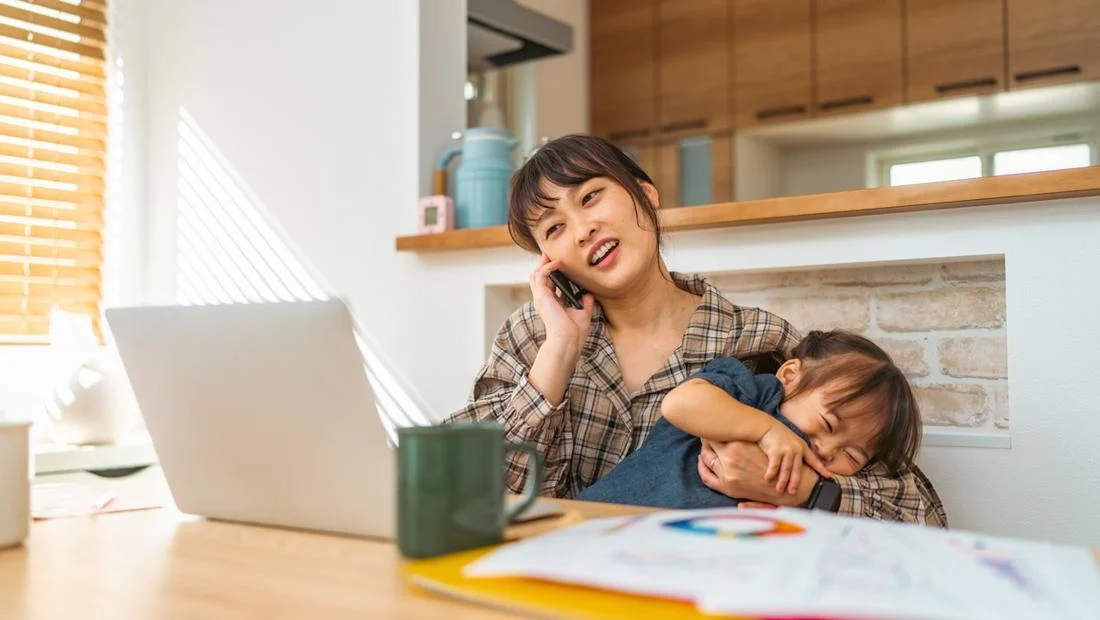
The modern landscape of motherhood is undergoing a significant paradigm shift as societal expectations evolve from the traditional ideal of the "perfect" caretaker to a more nuanced model of the "balanced" individual. In Jakarta and across the globe, mothers are increasingly grappling with the dual mandate of fostering optimal child development while maintaining their own personal, psychological, and professional well-being. According to insights provided by the Generasi Maju SGM platform, the journey of motherhood is no longer defined by the pursuit of perfection, but by the capacity for continuous learning and the intentional allocation of time for self-care.
This shift in perspective is not merely a lifestyle preference but is increasingly recognized by international health authorities as a fundamental requirement for healthy child development. The World Health Organization (WHO), through its Nurturing Care Framework, posits that the health and well-being of the caregiver are inextricably linked to the developmental outcomes of the child. As mothers navigate the complexities of contemporary parenting, the movement towards becoming a more empowered, self-aware parent—often tagged under initiatives like #IbuLebihMaju—is gaining traction as a vital strategy for family sustainability.
The Evolution of the Nurturing Care Framework
To understand the current discourse on motherhood, one must examine the evolution of developmental psychology. For decades, the focus was exclusively on the child’s milestones—nutrition, cognitive stimulation, and physical safety. However, the WHO’s Nurturing Care Framework, introduced in collaboration with UNICEF and the World Bank, fundamentally altered this approach. The framework identifies five components of nurturing care: good health, adequate nutrition, safety and security, responsive caregiving, and opportunities for early learning.
The "responsive caregiving" pillar is particularly critical. It suggests that a caregiver who is stressed, isolated, or physically depleted is inherently less capable of responding to a child’s emotional and cognitive cues. Data from the Global Burden of Disease study suggests that maternal mental health issues—including postpartum depression and chronic caregiver burnout—account for a significant portion of developmental delays in children under five. By shifting the focus to the caregiver’s health, the WHO is essentially advocating for a systemic change in how society supports mothers.
Chronology of the Modern Parenting Shift
The transition toward prioritizing maternal self-care has not happened in a vacuum. It follows a decade of significant shifts in family structures and digital connectivity:
- 2010–2015: The rise of digital parenting forums and social media groups allowed for the democratization of information. However, this also led to the "comparison trap," where mothers felt pressured to match the curated, idealized lives of others, leading to increased rates of parental anxiety.
- 2016–2019: Academic research began to highlight the "mental load" of motherhood—the invisible, cognitive labor of managing household logistics, which often leads to emotional exhaustion.
- 2020–2022: The global pandemic acted as an accelerant. With school closures and the loss of support systems, the limitations of the "perfect mother" myth were laid bare. The crisis forced a conversation about the necessity of boundaries, rest, and shared parenting responsibilities.
- 2023–Present: The current era is characterized by a push for "holistic motherhood," where the focus is on personal agency. Programs like Generasi Maju SGM have begun formalizing these concepts, encouraging mothers to view their own development as a direct contribution to their child’s future.
Supporting Data and Maternal Health Trends
The necessity of this shift is backed by compelling data. A longitudinal study published in the Journal of Child Psychology and Psychiatry indicated that mothers who engaged in regular leisure activities or pursued personal hobbies reported 30% lower levels of cortisol—the primary stress hormone—compared to those who reported zero "me-time."
Furthermore, economic data from the International Labour Organization (ILO) notes that when mothers are supported through flexible policies and personal development opportunities, they demonstrate higher levels of cognitive engagement with their children. In Indonesia, where family units remain the primary social support structure, the importance of maternal mental health is increasingly being integrated into national health campaigns. The goal is to move away from the cultural stigma that equates a mother’s need for rest with a lack of dedication to her children.
Official Perspectives and Institutional Responses
Experts in pediatric psychology emphasize that the "perfect mother" archetype is a psychological barrier to authentic connection. Dr. Aris Pramono, a developmental specialist, notes that children do not require perfection; they require presence. "The quality of the interaction is far more important than the quantity of the service provided," Dr. Pramono explains. "When a mother takes the time to learn a new skill, engage in a hobby, or simply rest, she is modeling the behavior of a self-regulated individual. This is a critical lesson for a child’s own emotional intelligence."
Organizations such as the Generasi Maju SGM have responded to these findings by creating resources that encourage mothers to focus on their own capacity-building. By framing motherhood as a journey of shared growth, these initiatives aim to reduce the guilt associated with taking time away from family duties. This approach is rooted in the "oxygen mask" principle: one must ensure their own stability before they can effectively stabilize those around them.
Analysis: Implications for Family Dynamics
The implications of prioritizing maternal well-being are profound. When a mother allocates time for personal growth, the family dynamic shifts from a hierarchical structure—where the mother is the sole provider of resources and emotional labor—to a collaborative environment.
- Resilience Building: Mothers who are permitted to rest and pursue personal interests develop greater psychological resilience, making them better equipped to handle the inevitable stressors of parenting.
- Child Modeling: Children who observe their mothers pursuing goals, learning new skills, and practicing self-care are more likely to develop healthy boundaries and a positive view of their own future potential.
- Societal Economic Impact: A mother who is empowered to grow is more likely to remain active in the workforce or community, leading to better long-term economic stability for the household.
However, the transition is not without its challenges. Institutional barriers, such as a lack of affordable childcare and rigid workplace expectations, continue to hinder many women. The #IbuLebihMaju initiative and similar movements recognize that individual mindset shifts must be supported by systemic changes. Advocacy for better work-life integration and more equitable distribution of domestic labor remains a necessary component of the broader movement.
Redefining Success in Motherhood
Ultimately, the definition of a successful mother is being rewritten to include self-preservation. Whether it is taking a thirty-minute break to read, enrolling in an online course to upgrade professional skills, or simply engaging in open, honest dialogue with a support network, these acts are not deviations from motherhood; they are essential components of it.
The WHO’s Nurturing Care Framework remains the gold standard for this understanding. By acknowledging that a mother is an individual with distinct needs, society can move closer to an environment where children are raised by parents who are not just surviving, but thriving. This change in focus acknowledges that the most significant gift a mother can provide to her child is a role model who understands the value of human growth, the necessity of rest, and the courage to pursue a life that is both meaningful and balanced.
As the narrative continues to evolve, the emphasis will likely remain on the intersection of individual agency and communal support. The journey toward becoming an #IbuLebihMaju is, at its core, a journey toward a more sustainable and fulfilling model of family life, where the growth of the mother and the development of the child are seen as two sides of the same coin—mutually reinforcing, deeply interconnected, and inherently valuable. In this light, the pursuit of personal development is not an act of selfishness, but a profound investment in the collective health of the next generation.

