
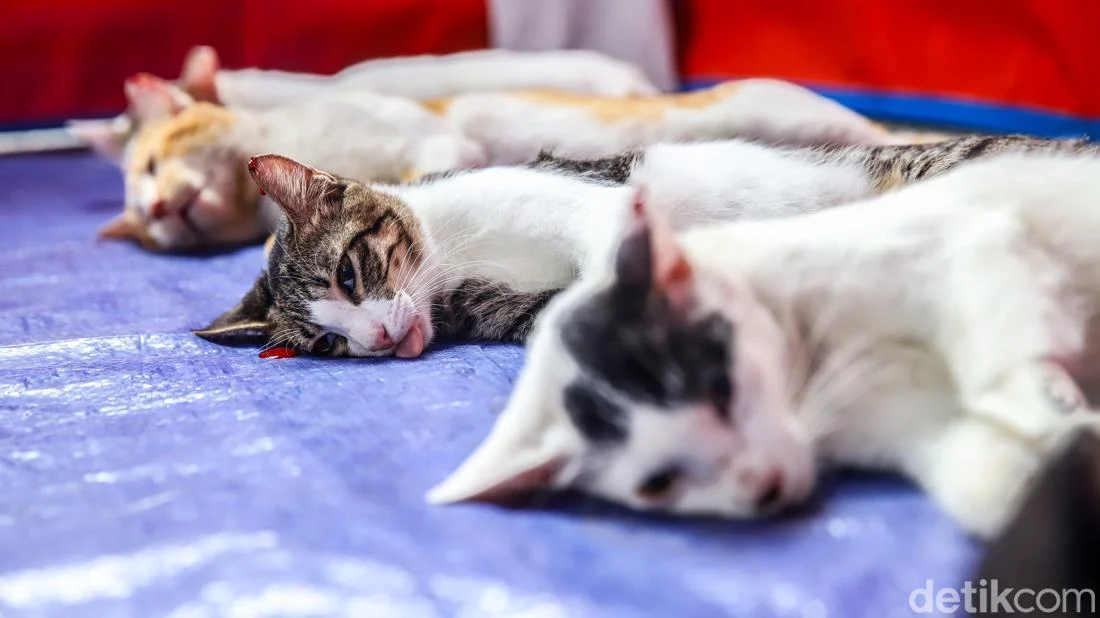
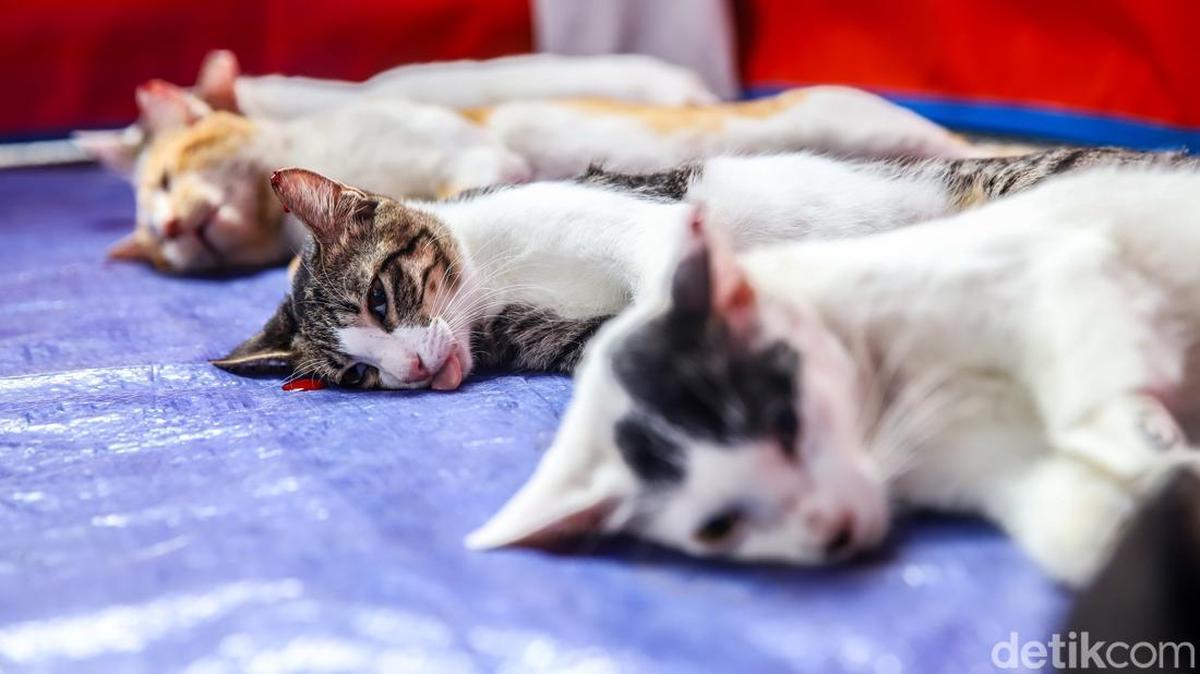
The September Festival Sehat, hosted at the North Jakarta Mayor’s Office on Tuesday, September 29, 2026, served as a significant focal point for public health and animal welfare initiatives. Among the diverse range of services offered to the local community, the free cat sterilization program spearheaded by the Suku Dinas Ketahanan Pangan, Kelautan, dan Pertanian (KPKP) Jakarta Utara emerged as a highlight. This initiative underscores a growing commitment by municipal authorities to address pet overpopulation and promote responsible pet ownership through accessible, government-led veterinary services.
The Scope and Execution of the Sterilization Program
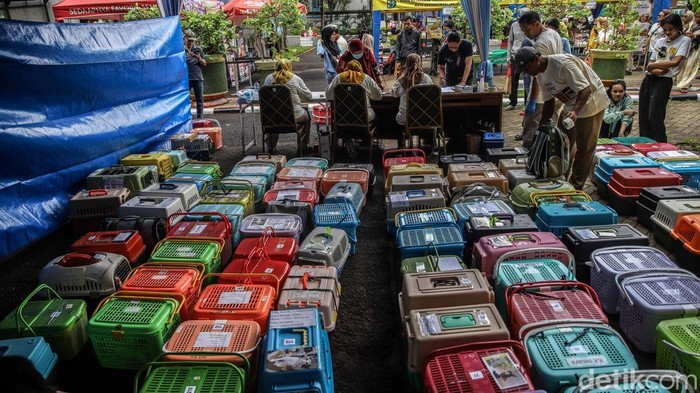
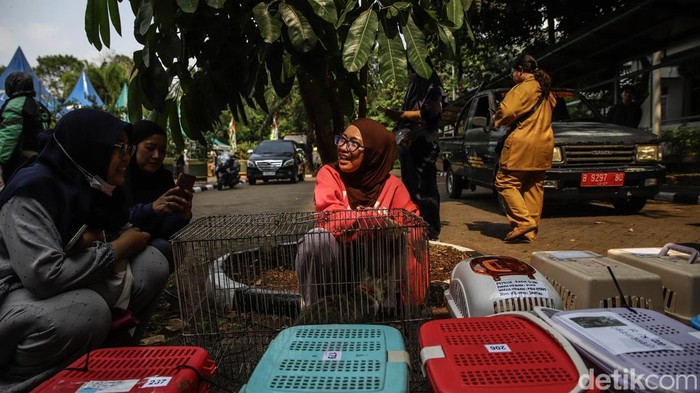
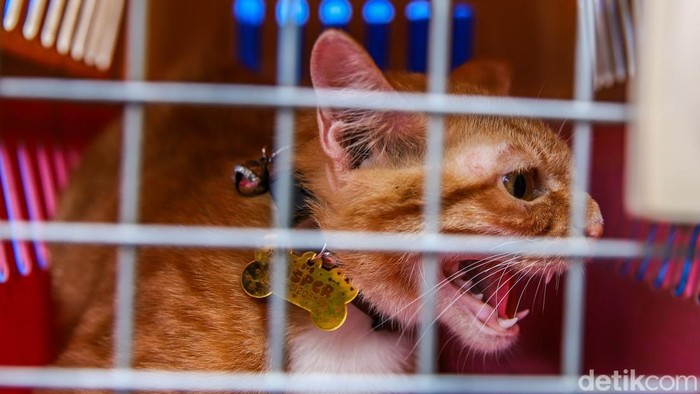
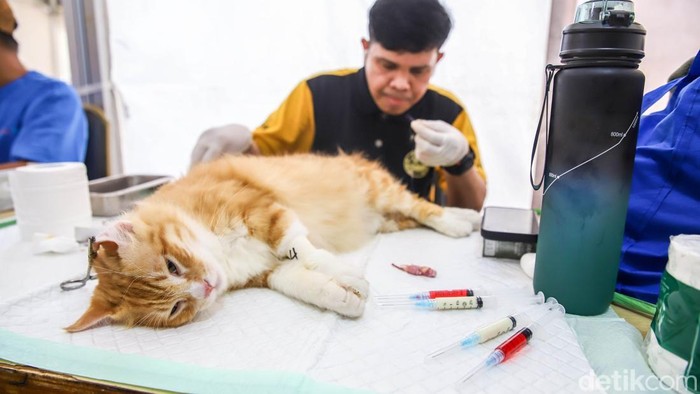
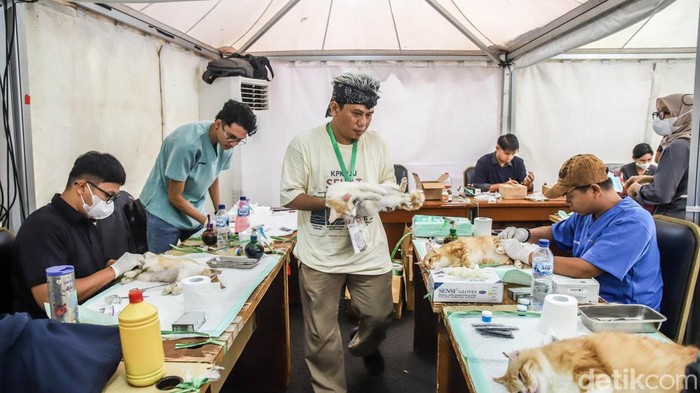
From the early hours of Tuesday morning, a steady stream of residents arrived at the North Jakarta Mayor’s Office, carrying their feline companions in travel crates. The atmosphere was one of organized cooperation as veterinarians and technical staff from the Sudin KPKP Jakarta Utara prepared the facility for the day’s surgical procedures. The sterilization process, often referred to as spaying for females and neutering for males, was conducted in a specialized mobile clinical setting designed to maintain high standards of hygiene and patient safety.
Before any procedure commenced, every cat underwent a rigorous pre-operative screening. This protocol is critical in clinical veterinary practice to minimize surgical risk. Pet owners were required to verify that their animals were in good health, fasted appropriately, and showed no signs of acute infection. This meticulous approach by the Sudin KPKP team ensured that only medically cleared animals proceeded to surgery, reflecting a high standard of professional care despite the high volume of patients expected during the one-day festival.
Contextualizing Animal Welfare in Urban Jakarta
The initiative in North Jakarta is part of a broader, long-term strategy by the Jakarta provincial government to manage the population of domestic and stray animals effectively. As urban density increases, the challenges associated with unmanaged animal populations—ranging from the spread of zoonotic diseases to the strain on local animal shelters—have become increasingly apparent.
Sterilization serves as the most humane and scientifically validated method for population control. By preventing unplanned litters, the program directly reduces the number of cats that might otherwise end up as strays. Furthermore, medical studies consistently indicate that sterilized animals exhibit a lower incidence of certain reproductive cancers and are less prone to aggressive or roaming behaviors driven by hormonal surges. For the residents of North Jakarta, this event provided not only a cost-saving measure—given that private veterinary clinics often charge significant fees for such surgeries—but also a vital educational opportunity.
Chronology of the September Festival Sehat
The September Festival Sehat was conceptualized as a multi-sectoral event aimed at improving the quality of life for Jakarta’s citizens and their pets. The chronology of the day’s events was structured to maximize efficiency:
- 08:00 WIB: Registration desks opened. Residents were asked to present identification and proof of pet vaccination status to streamline the intake process.
- 09:30 WIB: Initial health screenings began. Veterinary teams assessed weight, temperature, and general vitals to confirm suitability for surgery.
- 10:30 WIB: The surgical suite reached peak capacity. Procedures were carried out by a rotation of veterinarians to ensure continuous service throughout the afternoon.
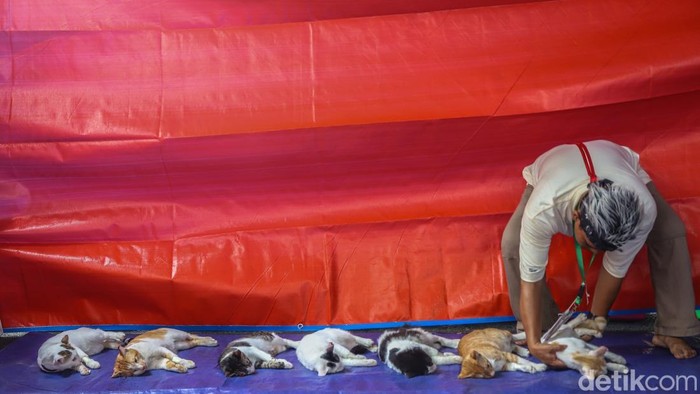
- 14:00 WIB: Post-operative monitoring sessions were held. Owners were provided with critical aftercare instructions, emphasizing the importance of keeping surgical sites clean and limiting physical exertion for the animals.
- 16:30 WIB: Concluding remarks from the event organizers emphasized the long-term goal of fostering a "Healthy North Jakarta" through integrated public health efforts.
Data and Public Health Implications
The importance of this event is underscored by the current statistics regarding feline populations in major urban centers. In many Indonesian metropolitan areas, the lack of widespread, affordable sterilization services leads to a compounding population growth. While specific figures for the total number of surgeries performed during the festival are being compiled, early reports suggest that the turnout exceeded initial projections, indicating a high level of public interest and willingness among pet owners to engage with municipal health programs.
From a public health perspective, the program acts as a secondary layer of protection. While the primary focus is on the welfare of the cats, the ripple effects are beneficial to human residents as well. Lower stray animal populations correlate with reduced nuisance factors in residential neighborhoods, such as noise during mating seasons and the potential for sanitation issues. Moreover, by encouraging owners to visit the Mayor’s Office for services, the government creates a touchpoint for disseminating information regarding rabies prevention and other zoonotic disease control measures.
Perspectives on Responsible Pet Ownership
The event served as a platform for deeper engagement between the government and the community. Beyond the surgical procedure itself, the Sudin KPKP staff provided consultations regarding proper nutrition, parasite control, and the significance of vaccination schedules. Many residents expressed that the festival provided a sense of community support, validating their efforts to provide high-quality care for their pets.
"This is not just about the surgery," noted one participant who had brought their cat for the procedure. "It is about knowing that the government cares about the health of our animals and provides us with the tools to be better, more responsible owners."
The sentiment reflects a shift in the urban landscape of Jakarta, where the "pet-friendly city" concept is gaining traction. The active participation of the Sudin KPKP suggests that the administrative framework is adapting to include animal health as a core component of municipal service delivery.
Broader Impact and Future Outlook
The success of the September Festival Sehat serves as a potential blueprint for future initiatives. By integrating veterinary services into larger public events, the city can reach a wider demographic, including low-income households that might not otherwise have access to professional veterinary care.
Moving forward, stakeholders in the animal welfare sector emphasize that such programs should be sustainable and periodic rather than isolated events. The impact of sterilization is cumulative; the more individuals who participate, the more manageable the urban animal population becomes over the long term. The North Jakarta experience demonstrates that when the government provides clear, accessible pathways for public participation, citizens are highly motivated to contribute to the overall welfare of their community.
The implications for the future are clear: as the city continues to modernize, the integration of animal health into the broader public health agenda will be essential. The success of the September 29, 2026, program highlights the effectiveness of decentralized, accessible services in fostering a more responsible and compassionate society. As the administrative data from the festival is analyzed, the findings will likely influence subsequent policies regarding urban animal management in the greater Jakarta area, potentially leading to more robust and frequent campaigns in the future.
Ultimately, the event at the North Jakarta Mayor’s Office was a testament to the power of public-private cooperation in addressing common urban challenges. Through the dedication of the Sudin KPKP and the proactive engagement of local residents, the city has taken a meaningful step toward ensuring that both human and animal populations can thrive in an increasingly integrated urban environment. As this model is refined and expanded, the hope is that it will set a standard for other administrative regions across Indonesia, fostering a nationwide culture of proactive animal health management.

