
Global public health authorities have raised urgent alarms following a catastrophic surge in infectious diseases across South Asia, specifically centered in Dhaka, Bangladesh. An unprecedented outbreak of measles, running concurrently with a severe spike in dengue fever, has pushed the region’s healthcare infrastructure to its absolute breaking point. According to the latest epidemiological reports and hospital admissions data, the death toll from the compounding health crisis has climbed perilously close to the grim milestone of 1,000 fatalities. Medical facilities, already constrained by limited resources, are currently grappling with an overwhelming influx of critical patients, predominantly young children, whose vulnerable immune systems have been compromised by the rapid transmission of these preventable illnesses.
The gravity of the situation has drawn intense scrutiny from international health agencies and domestic experts alike. Public health specialists have characterized the crisis not merely as a seasonal anomaly, but as a profound systemic failure that demands an immediate, unified response from governmental bodies, private healthcare sectors, non-governmental organizations (NGOs), and civil society. As isolation wards fill to capacity and medical supplies dwindle, the unfolding tragedy in Dhaka serves as a stark reminder of the fragile state of public health security in densely populated urban centers, prompting urgent calls for systemic reform, aggressive vaccination campaigns, and sustained vector-control initiatives to prevent further loss of life.
Anatomy of a Public Health Catastrophe
The unfolding crisis in Bangladesh represents a convergence of multiple epidemiological threats, with measles taking center stage alongside persistent outbreaks of vector-borne diseases like dengue. Measles, a highly contagious viral infection characterized by high fever, cough, runny nose, and a characteristic generalized rash, spreads rapidly through respiratory droplets in crowded environments. In settings where baseline vaccination coverage has experienced disruptions—often exacerbated by socioeconomic instability, logistical hurdles, or systemic healthcare strains—the virus finds fertile ground among unvaccinated pediatric populations.
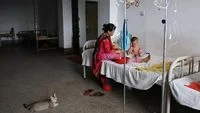
In Dhaka’s Infectious Disease Hospital and other major medical hubs, pediatric wards have been transformed into frontline battlegrounds. The visual of young patients receiving intensive care while stray animals roam hospital floors underscores the severe strain on sanitation and infrastructure. Complications arising from measles, including severe pneumonia, encephalitis, and profound dehydration, have been the primary drivers of mortality among infants and toddlers. Compounding this is the simultaneous burden of dengue fever, which strains the same pool of medical personnel, hospital beds, and laboratory reagents, creating a dual-front crisis that overwhelms standard emergency response protocols.
Chronology and Escalation of the Outbreak
The trajectory of the current outbreak can be traced through a deteriorating timeline of public health indicators over recent months. While endemic diseases such as dengue follow seasonal monsoon patterns in Bangladesh, the resurgence of measles points to declining herd immunity thresholds over the past several years.
Early Warnings and Rising Admissions
The warning signs began to accumulate in the early months of the year, as primary healthcare clinics reported sporadic clusters of febrile rash illnesses in densely populated informal settlements across Dhaka. By mid-year, these sporadic clusters coalesced into distinct community outbreaks. Pediatric admissions for measles-related complications began to climb steadily by June and July, overwhelming local clinics and forcing families to seek advanced care at tertiary facilities such as the Infectious Disease Hospital.
The Tipping Point
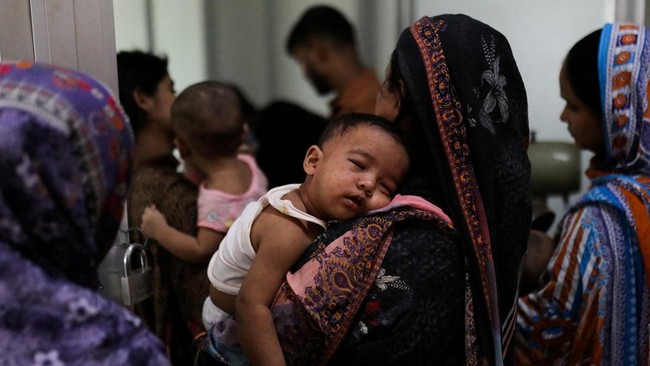
By late August and early September, the healthcare system crossed a critical threshold. Hospital occupancy rates exceeded 150 percent in major urban centers, with multiple children sharing single beds or receiving supportive care on makeshift floor mats. The death toll accelerated during this period, crossing the threshold toward nearly 1,000 cumulative fatalities when combining severe measles complications and dengue-related shock syndrome. International humanitarian organizations began dispatching emergency medical teams and essential pharmaceuticals, yet supply chain bottlenecks and the sheer volume of incoming patients severely hampered relief efforts.
Systemic Vulnerabilities and Expert Analysis
The severity of the outbreak has prompted rigorous soul-searching within the public health community. Leading epidemiologists and public health advocates have pointed out that both measles and dengue are, to a large extent, preventable or manageable through robust primary healthcare infrastructure and proactive community engagement.
Dr. Abu Jamil Faisel, a prominent public health expert in Bangladesh, did not mince words when addressing the structural deficiencies exposed by the crisis. In his assessment, the dual epidemics reflect a systemic failure requiring the concerted involvement of every layer of society. Faisel emphasized that isolated governmental interventions are no longer sufficient to safeguard public health in the face of compounding environmental and epidemiological pressures.
"This is a collective failure—a failure of all of us," Dr. Faisel stated, outlining the necessity for a multisectoral coalition. He urged the government, the private healthcare sector, civil society organizations, non-governmental entities, and the media to forge a united front to overhaul public health communication, bolster routine immunization outreach, and improve sanitation and living conditions in high-risk urban zones.
Socioeconomic and Infrastructural Challenges
The crisis in Dhaka cannot be divorced from the broader socioeconomic context of rapid urbanization. High population density, inadequate municipal waste management, poor housing conditions, and a lack of clean drinking water create ideal vectors for the transmission of infectious pathogens.
Furthermore, routine immunization programs experienced significant disruptions in the wake of previous global health disruptions and local administrative shifts. Catch-up vaccination campaigns failed to reach marginalized communities, leaving cohorts of children completely unprotected against vaccine-preventable diseases like measles. When these vulnerable children are exposed in overcrowded schools, homes, and community spaces, the virus triggers explosive outbreaks that rapidly outpace local containment capacities.
Broader Implications and Regional Health Security
The catastrophe unfolding in Bangladesh carries significant implications for regional and global health security. Pathogens such as the measles virus are exceptionally efficient travelers; low vaccination rates in one densely populated urban center threaten neighboring regions and pose risks of international exportation. Global health bodies, including the World Health Organization (WHO) and UNICEF, have repeatedly stressed that maintaining a minimum of 95 percent two-dose measles vaccination coverage is non-negotiable for achieving and sustaining herd immunity.
The current death toll, approaching 1,000 fatalities, serves as a tragic metric of the cost of immunity gaps. Beyond the immediate loss of young lives, the outbreak places a devastating psychological and financial burden on affected families, many of whom are forced to exhaust their meager savings on private medications, transportation, and specialized care due to shortages in the public sector.
Pathways to Recovery and Long-Term Prevention
Mitigating the immediate emergency requires a surge of resources dedicated to clinical management, vitamin A supplementation (which reduces measles morbidity and mortality), and rapid isolation protocols to nosocomial transmission within healthcare facilities. However, long-term stabilization demands structural reforms that extend far beyond emergency response.
Strengthening Primary Healthcare
Policymakers must prioritize investments in primary healthcare networks, ensuring that community clinics are well-equipped, adequately staffed, and trusted by local populations. Routine immunization registries must be digitized and updated to track defaulters and ensure high-coverage rates across all demographic segments.
Intersectoral Collaboration
Aligning with Dr. Faisel’s recommendations, a successful public health strategy requires seamless coordination between municipal authorities, environmental agencies, and healthcare providers. Vector-control campaigns for dengue must run concurrently with aggressive, door-to-door catch-up vaccination drives for measles and other vaccine-preventable diseases.
Public Awareness and Community Engagement
Rebuilding trust in public health institutions is paramount. Misinformation regarding vaccine safety and efficacy continues to hinder uptake in vulnerable communities. Targeted communication campaigns, executed in collaboration with local community leaders and trusted civil society groups, are essential to dispel myths and encourage timely medical seeking behavior at the first sign of illness.
Conclusion
As medical staff in Dhaka continue to work exhaustive shifts under harrowing conditions, the global community watches closely. The near-1,000 deaths recorded during this outbreak must serve as a watershed moment for public health governance in South Asia and beyond. Only through transparent accountability, robust financial investment in healthcare infrastructure, and a genuine commitment to multisectoral collaboration can the region hope to avert future tragedies of this magnitude and ensure that preventable diseases no longer claim the lives of the most vulnerable generations.
