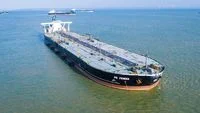
Jakarta, CNBC Indonesia — PT Pertamina International Shipping (PIS), a vital sub-holding of Indonesia’s state-owned energy giant PT Pertamina (Persero), has issued a definitive clarification regarding the status of its tanker vessel, the PIS Pioneer. The company firmly denied any intention or ongoing plans to sell the vessel, which is currently detained in the waters off Muar, Malaysia. PIS reiterated that the ship remains a legally protected and fully owned asset of the corporation, amidst a complex, cross-border commercial dispute that has drawn the attention of both Southeast Asian judiciaries and Indonesian governmental bodies.
The clarification was formally delivered by the Pjs Corporate Secretary of PIS, Vega Pita, through a written statement on Monday, September 28, 2026. The announcement serves as a direct rebuttal to growing speculations and market rumors surrounding the fate of the tanker, assuring stakeholders, maritime partners, and the public that the operational integrity and ownership rights of the company remain uncompromised.
Main Facts of the Case and Ownership Status
At the heart of the matter is the PIS Pioneer, a prominent vessel in the company’s extensive maritime fleet. Vega Pita emphasized unequivocally that PIS holds the absolute legal title to the vessel and has never authorized, empowered, or delegated any broker, corporate entity, or individual to negotiate its sale or transfer of ownership.
"Legally speaking, PIS is the rightful owner of the PIS Pioneer and has never granted power of attorney to any party whatsoever to sell the vessel," Vega stated in her official release.
The detention of the PIS Pioneer in Malaysian territorial waters near Muar has complicated the routine operations of the shipping line. However, PIS management has maintained a continuous, real-time monitoring protocol to oversee both the physical condition of the vessel and the welfare of its onboard crew. PIS underscored that the immediate safety, health, and security of all crew members remain the absolute priority of the organization throughout this ordeal.
Background Context and Legal Proceedings
The detention of the PIS Pioneer is not an isolated administrative glitch; rather, it is a direct byproduct of a commercial dispute between PIS and MEG, one of the company’s business partners operating within Malaysia. The business relationship, which initially took shape under standard maritime commercial frameworks, deteriorated into a formal legal conflict following disagreements concerning contractual obligations and operational executions.
Rather than relying on informal or extrajudicial measures, both parties have sought formal recourse through established international and regional judicial bodies. The contentious legal battle is currently proceeding concurrently across two distinct jurisdictions: the Malayan High Court in Malaysia and the Singapore International Arbitration Centre (SIAC).
International shipping disputes of this nature often involve intricate multi-jurisdictional frameworks, maritime liens, and cross-border enforcement challenges. By engaging with the SIAC and the Malaysian judiciary, PIS has demonstrated its commitment to resolving the dispute through lawful, recognized arbitration and litigation channels, ensuring that its corporate interests are robustly defended under maritime and international commercial law.
Compliance and Regulatory Standing
In addition to addressing the civil dispute with its Malaysian partner, PIS took the opportunity to reaffirm its stringent adherence to global maritime regulations, international trade laws, and geopolitical compliance standards. Given the heightened scrutiny on global energy shipping lanes—particularly concerning vessels operating in regions subject to economic restrictions—PIS explicitly addressed compliance with the Office of Foreign Assets Control (OFAC) of the United States Department of the Treasury.
Vega Pita clarified that PIS operates strictly within international compliance boundaries, maintaining a spotless record regarding international sanctions regimes.
"PIS ensures that not a single vessel belonging to the company is affected by OFAC sanctions. This can be checked and independently verified directly on the official OFAC website," Vega noted, highlighting the company’s transparency and dedication to maintaining unhindered global trade routes.
As a major global player in energy logistics, PIS manages a massive fleet transporting crude oil, petroleum products, petrochemicals, and gas across international waters. Adherence to strict regulatory frameworks such as those mandated by the International Maritime Organization (IMO) and major financial compliance authorities is vital for the company to retain its reputation as a trusted partner in the global energy supply chain.
Chronology of Events and Diplomatic Interventions
The unfolding situation involving the PIS Pioneer highlights the vulnerability of maritime assets when commercial disputes escalate into jurisdictional seizures. While the exact genesis of the dispute dates back to earlier commercial disagreements between PIS and MEG, the focal point shifted dramatically when legal maneuvers resulted in the immobilization and detention of the tanker off the coast of Muar.
Prior to escalating the matter into intensive courtroom litigation, PIS maintained a policy of exhausting all diplomatic and negotiation channels. Company executives pursued good-faith communications and constructive dialogues with MEG to reach an amicable settlement. However, when negotiations stalled, PIS transitioned to a rigorous legal defense strategy.
Recognizing the strategic economic value of the PIS Pioneer and the necessity of protecting Indonesian state-owned assets abroad, the response has extended far beyond corporate boardrooms. PIS has received coordinated, multi-layered support from high-levels of the Indonesian government. Key state institutions actively involved in monitoring and supporting the resolution process include:
- The Ministry of Foreign Affairs (Kemenlu)
- The Presidential Staff Office (KSP)
- The Ministry of State Secretariat (Kemensesneg)
- The Attorney General’s Office (Kejaksaan Agung)
- The Indonesian Navy (TNI AL)
- The Coordinating Ministry for Political and Security Affairs (Kemenkopolkam)
- Various other relevant ministries and government agencies (K/L)
This whole-of-government approach underscores the geopolitical and economic significance of Pertamina International Shipping as a strategic arm of Indonesia’s energy independence and maritime sovereignty. The concerted institutional backing aims to guarantee a fair legal process, secure the protection of the strategic asset, safeguard the crew members, and uphold the highest standards of good corporate governance.
Broader Impact and Implications for the Maritime Sector
The ongoing dispute surrounding the PIS Pioneer carries several broader implications for the regional maritime industry, state-owned enterprise (SOE) asset management, and cross-border commercial litigation in Southeast Asia.
First, the case highlights the inherent risks faced by international shipping companies operating in joint-venture frameworks across different regulatory jurisdictions. Disagreements with regional partners can quickly transition from commercial boardrooms to physical detentions if local legal systems permit swift precautionary measures, such as vessel arrests. This underscores the necessity for rigorous contractual safeguards, robust dispute-resolution clauses, and proactive diplomatic engagement when cross-border commercial relationships begin to strain.
Second, for PT Pertamina International Shipping, the incident tests the resilience of its legal and operational frameworks as the company pursues an aggressive international expansion strategy. PIS has increasingly positioned itself as a global maritime logistics powerhouse, competing directly with major international shipping fleets. Navigating complex legal landscapes in Singapore and Malaysia while maintaining impeccable compliance records is a critical test of the company’s maturity on the world stage.
Finally, the active involvement of the Indonesian government signals a clear policy stance: strategic state-owned assets deployed internationally will receive robust diplomatic and legal backing from Jakarta. While respecting the sovereignty and legal processes of foreign jurisdictions—such as Malaysia and Singapore—the Indonesian state remains vigilant in preventing unlawful expropriations, forced sales, or prejudicial treatments of its corporate assets and citizens abroad.
As the legal proceedings at the Malayan High Court and the Singapore International Arbitration Centre continue to unfold, PIS maintains that it will continue pursuing all optimal and lawful avenues to secure the release of the PIS Pioneer, resolve the dispute with MEG, and reaffirm its unwavering commitment to corporate transparency, maritime safety, and international legal compliance.