
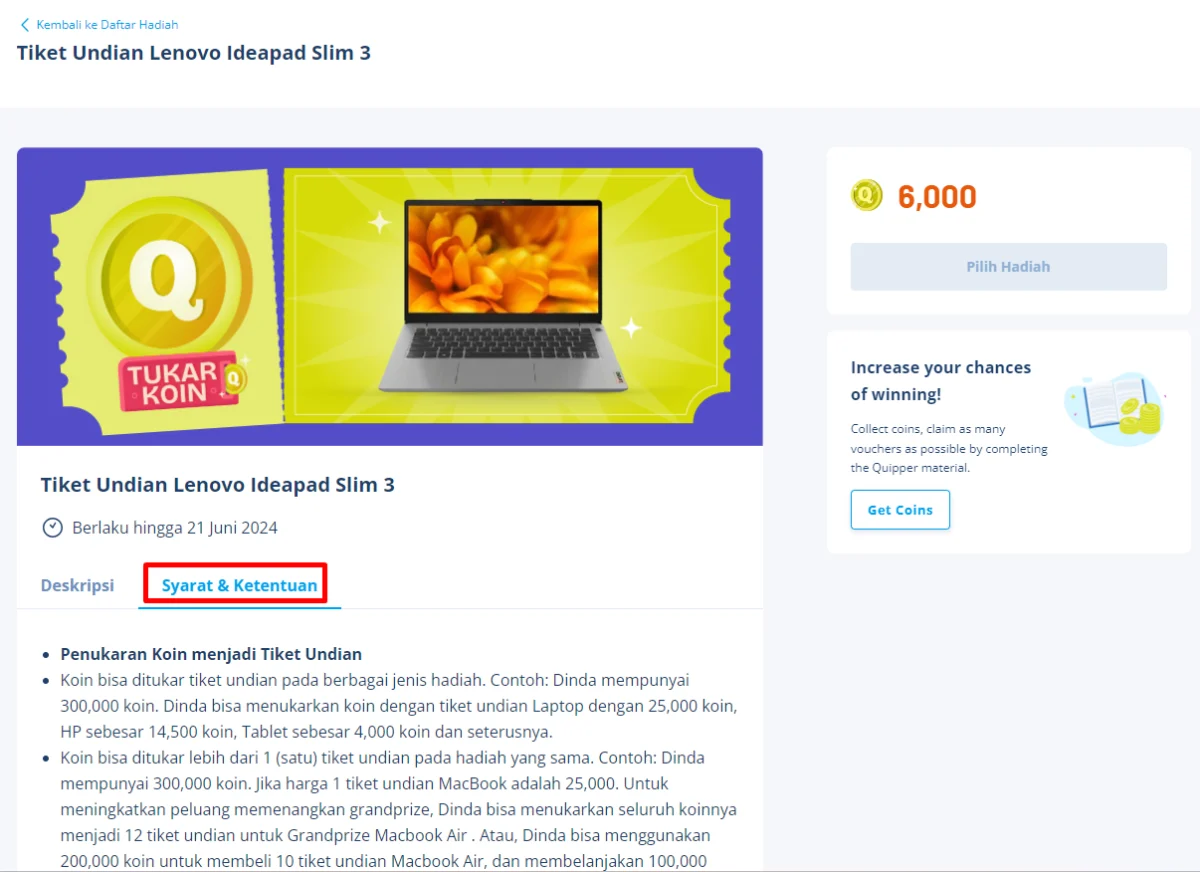
The education technology sector in Indonesia continues to evolve through the integration of gamification and student engagement strategies, as evidenced by Quipper’s latest announcement regarding its 2025 reward program. This initiative, specifically designed for students and institutions utilizing the Quipper School Premium (QSP) All Access platform, allows users to convert accumulated "Quipper Coins"—earned through consistent study habits and platform interaction—into raffle tickets for a variety of high-value prizes. By bridging the gap between academic rigor and tangible rewards, the program seeks to maintain high levels of student motivation as the 2024–2025 academic year draws to a close.
A Strategic Approach to Student Engagement
The 2025 Quipper reward cycle represents a significant effort by the EdTech provider to address the perennial challenge of student engagement in digital learning environments. Since the rapid acceleration of online education in Southeast Asia, platforms have increasingly turned to gamification—the application of game-design elements in non-game contexts—to foster "sticky" user behavior. In this framework, Quipper Coins serve as a digital currency that reflects a student’s dedication to their curriculum.
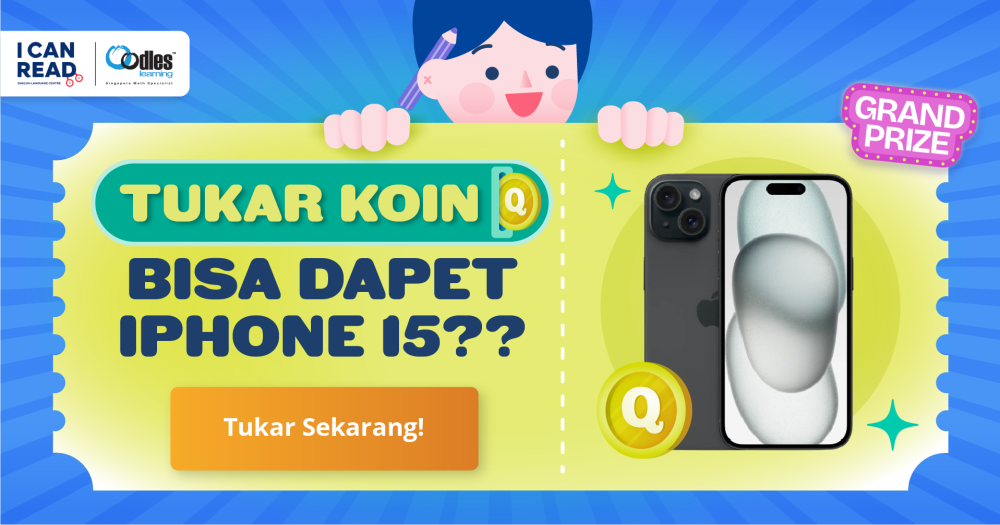
The program is exclusively available to QSP All Access users, a tier of service that provides comprehensive resources for both students and educators. This exclusivity underlines a strategic move to add value to the premium subscription model, ensuring that schools invested in the platform receive not only educational content but also an ecosystem that encourages student participation through merit-based incentives.
Comprehensive Reward Structure: From Personal Tech to Institutional Upgrades
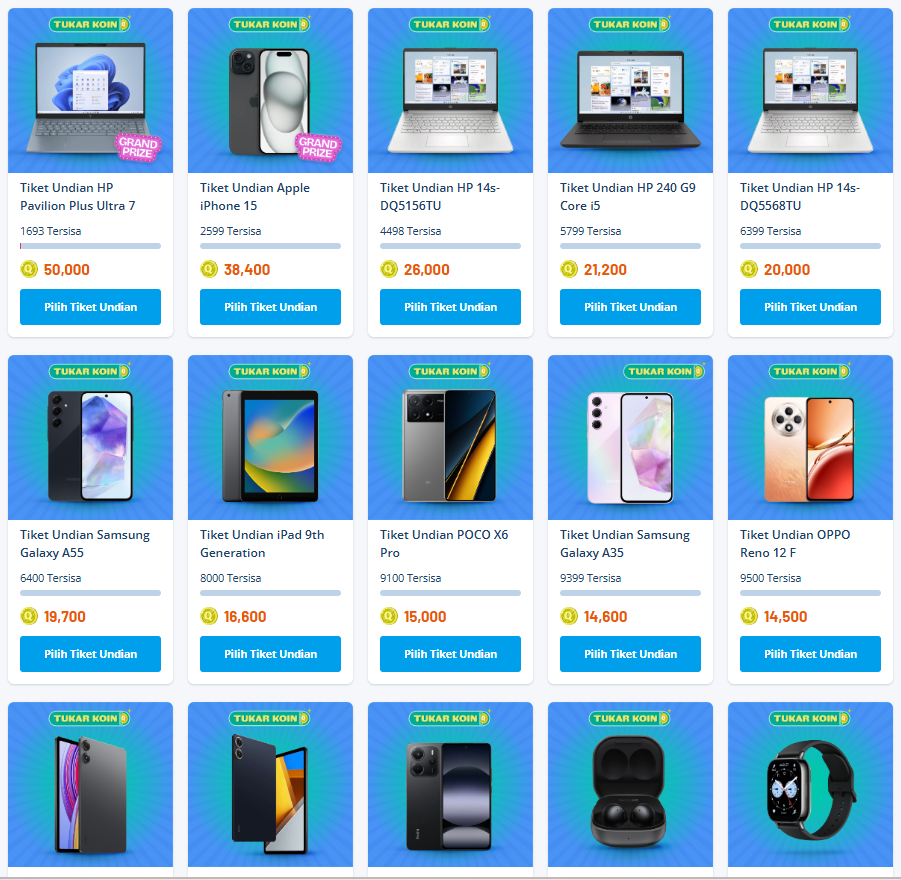
The prize pool for the 2025 campaign is divided into several tiers, catering to individual student achievements and collective school performance. At the pinnacle of the individual rewards are the "Grand Prizes," which include flagship consumer electronics such as the iPhone 15 and high-performance laptops. These items are strategically selected to appeal to the demographic of Indonesian secondary school students, for whom such technology serves both as a status symbol and a vital tool for further education.
Beyond the grand prizes, the secondary reward tier includes:

- Modern smartphones (HP)
- Tablet computers
- Smartwatches
- Wireless earbuds (TWS)
- Branded backpacks
- Tumblers and other lifestyle accessories
In a departure from purely individualistic reward systems, Quipper has also introduced an institutional category. The program will recognize the "Three Most Active Schools" based on the average number of coins collected by their student body. This collective incentive is bolstered by a partnership with ViewSonic, a global provider of visual solutions. Winning schools are slated to receive advanced educational hardware, such as the ViewBoard (Interactive Flat Panel) and specialized projectors. These tools are designed to facilitate hybrid learning and interactive classroom environments, providing a long-term benefit to the school’s infrastructure.
The Mechanics of the Coin-to-Ticket Exchange
The operational core of the program lies in the "Coin Exchange" phase, which is scheduled to run from May 5, 2025, to June 22, 2025. During this window, students must log into the Quipper portal (learn.quipper.com) to manage their digital assets. The process is designed to be intuitive but requires strategic decision-making on the part of the student.
According to the official guidelines, different prizes require different amounts of coins for a single raffle ticket. For instance, a student with 300,000 coins may choose to diversify their entries or consolidate them. They could theoretically purchase one ticket for a laptop at 50,000 coins, one for a smartphone at 15,000 coins, and one for a tablet at 10,000 coins. Alternatively, they could maximize their probability of winning a specific high-value item, such as the iPhone 15, by purchasing multiple tickets for that specific category.

This "multiple entry" system is a critical component of the program’s design. By allowing students to exchange all their coins for numerous tickets in a single category, Quipper rewards the most diligent students with statistically higher odds of winning. Once a ticket is purchased, students are required to complete a verification form provided within the platform to formalize their entry.
Chronology and Governance of the Selection Process
To ensure transparency and maintain the integrity of the campaign, Quipper has established a strict timeline and set of procedural rules. The transition from the exchange phase to the announcement phase is managed through a centralized digital protocol.
1. Validation Phase (Ongoing): The Quipper team performs continuous audits of user accounts. Any indication of "gaming" the system—such as using automated scripts to earn coins or violating the platform’s general terms of service—results in immediate disqualification from the reward program.
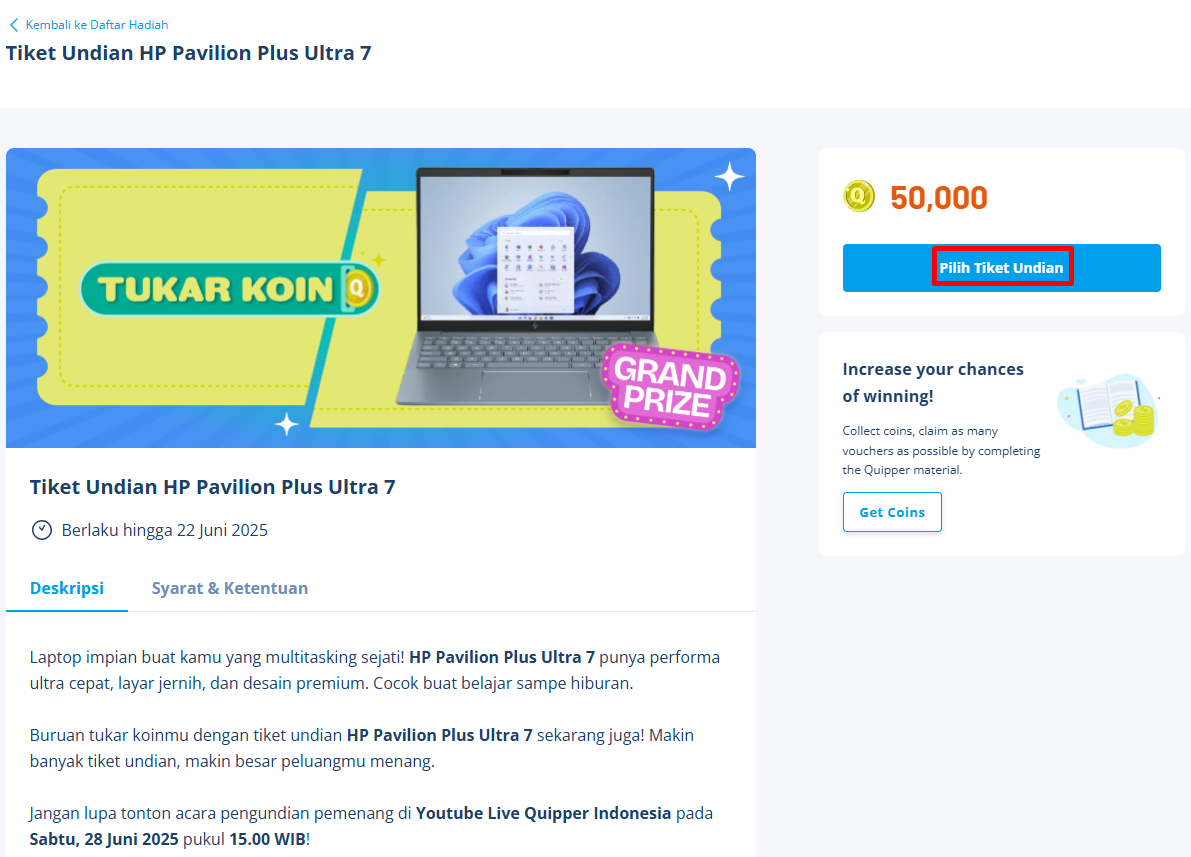
2. The Draw (June 28, 2025): The winners will be determined via a randomized drawing process. To ensure public accountability, the draw will be broadcast live on the Quipper Indonesia YouTube channel at 15:00 WIB (Western Indonesian Time). This live format has become a standard in Indonesian digital promotions, providing a sense of "event" and community among the user base.
3. Verification and Notification (July 2025): Following the announcement, Quipper’s internal team will contact the winners within a 14-day window. This period is crucial for the winners, as they must respond to the notification to claim their prize. Failure to confirm receipt of the notification within the 14-day period results in the forfeiture of the prize and the coins used to purchase the winning ticket.
4. Logistics and Delivery: Once a winner is verified, the prize is prepared for shipment. Quipper has committed to covering all shipping costs and applicable taxes, a move that ensures the rewards remain accessible to students regardless of their socioeconomic background or geographic location. The delivery window is estimated at approximately one month from the date of confirmation.

Analysis of Implications: Gamification in the Indonesian EdTech Landscape
The implementation of such a large-scale reward program by Quipper reflects broader trends in the Indonesian educational landscape. As the country seeks to improve its PISA (Programme for International Student Assessment) rankings and digital literacy, the role of private EdTech providers in supplementing formal education has become more prominent.
From a pedagogical perspective, the "study-to-earn" model serves as an extrinsic motivator. While educational theorists often emphasize the importance of intrinsic motivation—learning for the sake of knowledge—extrinsic rewards can act as an effective "bridge" for students who may struggle with the isolation or monotony of digital learning. By turning lesson completion and quiz performance into "currency," Quipper effectively gamifies the curriculum, making the pursuit of academic goals feel more immediate and rewarding.
Furthermore, the inclusion of school-wide prizes addresses the "digital divide" within the institutional framework. By rewarding the most active schools with ViewSonic interactive boards, Quipper is contributing to the modernization of Indonesian classrooms. This creates a positive feedback loop: better classroom technology leads to more engaging lessons, which in turn encourages more students to utilize the platform.
Regulatory and Ethical Considerations
In managing a program that involves minors and valuable prizes, Quipper has emphasized strict adherence to its Terms and Conditions. The protocol for handling "over-quota" tickets—where coins are returned if a ticket exchange fails due to technical limits—demonstrates a commitment to consumer protection. Additionally, the policy that students can win multiple prizes across different categories (but not multiple prizes of the same item) ensures a broader distribution of rewards among the student population.
However, the program also places a responsibility on the users and their guardians. The "14-day expiration" rule for winner verification serves as a safeguard for the company’s logistics but requires students to remain vigilant and proactive even after the academic year has ended. This aspect of the program mirrors real-world administrative requirements, indirectly teaching students about the importance of following formal procedures.
Conclusion
The Quipper 2025 reward program is more than a simple giveaway; it is a sophisticated engagement campaign that leverages the psychological drivers of gamification to enhance academic outcomes. By offering a range of prizes from individual gadgets to institutional hardware, Quipper is positioning itself not just as a content provider, but as a comprehensive partner in the Indonesian educational ecosystem. As the redemption period approaches in May 2025, the focus will shift to the students, whose year-long academic efforts will finally be measured in both grades and digital coins, potentially culminating in life-changing rewards.

