
Jakarta — Academic excellence has long been heralded as the primary currency of higher education. For decades, students have poured countless hours into securing high Grade Point Averages (GPAs), treating academic transcripts as the definitive passport to professional success. However, as the global labor market undergoes rapid evolution driven by technological disruption, shifting economic landscapes, and evolving employer expectations, contemporary career experts increasingly agree that academic credentials alone are no longer sufficient.
While a strong GPA demonstrates discipline, cognitive ability, and dedication, the modern transition from university to the professional world requires a multifaceted approach. Career readiness today encompasses practical experience, demonstrable skill sets, and, perhaps most critically, strategic professional networking cultivated throughout the undergraduate journey. Recognizing this paradigm shift, educational platforms and institutions are placing renewed emphasis on holistic student development, urging undergraduates to look beyond the lecture hall and actively construct pathways toward long-term employability.
The modern higher education ecosystem is intensely competitive. Millions of graduates enter the workforce annually, all armed with degrees and comparable academic metrics. In such a saturated environment, employers increasingly rely on intangible assets—often referred to as soft skills, emotional intelligence, and social capital—to differentiate candidates. Networking, once viewed as an auxiliary extracurricular activity, is now recognized as a core competency for career advancement.
Building a robust professional network during university years is not merely about collecting business cards or accumulating connections on professional platforms like LinkedIn. Rather, it is a deliberate process of establishing mutually beneficial relationships with professors, alumni, industry professionals, upperclassmen, and peers across diverse academic disciplines. These connections often serve as vital conduits for information, mentorship, unadvertised job opportunities, and collaborative ventures.
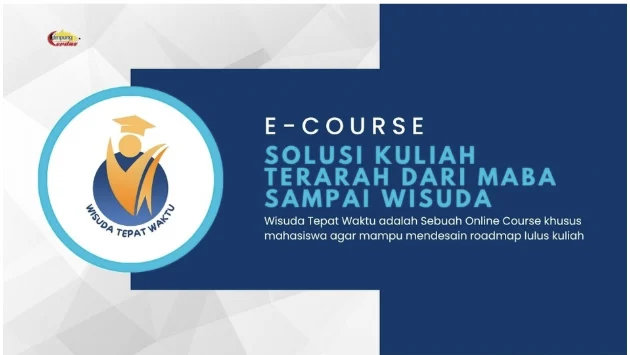
Recognizing the widening gap between traditional academic instruction and the practical demands of the job market, various educational initiatives have emerged to bridge this divide. Among them, programs like the Online Course Wisuda Tepat Waktu—developed by educational provider Lampung Cerdas—have sought to address the holistic needs of university students. Beyond offering tactical advice on networking, such initiatives tackle broader undergraduate challenges, including non-government scholarship acquisition strategies and methods for generating independent income while pursuing a degree.
The Evolution of Higher Education and the Shift Toward Holistic Preparedness
To understand the growing emphasis on networking and career preparation, one must examine the shifting dynamics of the contemporary labor market. Historically, university education operated on a linear model: students enrolled, mastered a specific curriculum, graduated with a degree, and secured stable employment within their chosen field. This trajectory, while still valid in certain technical domains, has been largely disrupted by economic volatility and the advent of the knowledge economy.
According to labor market analysts, employers today place a premium on adaptability, problem-solving, and cultural fit. Technical skills can be taught, but the ability to navigate complex social environments, collaborate in multidisciplinary teams, and build professional rapport are traits developed through active engagement outside the classroom. Consequently, university administrators and educational consultants emphasize that a student’s undergraduate years should be treated as an incubation period for professional identity rather than a purely academic exercise.
Despite this consensus, many students enter higher education without a clear roadmap for career preparation. Freshmen often focus exclusively on adjusting to academic rigors, postponing career-related activities until their final year. By the time graduation approaches, these students frequently find themselves at a disadvantage compared to peers who began building professional portfolios and networks from their first semester.
The Mechanics of Strategic University Networking
Effective networking within an academic setting involves deliberate engagement with several key stakeholder groups. First and foremost are faculty members. Professors and lecturers are not only purveyors of academic knowledge but are also often deeply embedded in their respective industries. They frequently consult for corporations, engage in cutting-edge research, and maintain extensive professional contacts. Students who cultivate meaningful relationships with their instructors often gain access to research assistantships, recommendation letters, and direct industry referrals.
Second, peer networks—both within and outside one’s major—play a pivotal role in long-term career trajectories. University peers of today are the industry leaders, entrepreneurs, and policymakers of tomorrow. Cross-disciplinary friendships foster diverse perspectives, encouraging engineering students to understand business principles, or humanities majors to grasp technological frameworks.
Furthermore, senior students and alumni associations represent an invaluable bridge between academia and industry. Alumni who have recently transitioned into the workforce possess fresh insights into hiring practices, organizational cultures, and interview strategies. Engaging with these networks demystifies the corporate world and provides actionable guidance that textbooks cannot convey.
Beyond networking, contemporary undergraduates face mounting financial pressures. The rising cost of tuition, coupled with living expenses, has made financial literacy and independence critical components of the university experience. Balancing academic commitments with income-generating activities is a delicate endeavor, requiring structured guidance and time-management strategies. Programs designed to support students often incorporate modules on freelance work, part-time entrepreneurship, and effective budgeting, ensuring that financial constraints do not derail academic progress.
The Role of Digital Learning in Modern Career Development
As educational methodologies adapt to the digital age, the delivery of career preparation resources has also transformed. Traditional workshops and seminars, while effective, are often constrained by time and geographical limitations. In response, educators have increasingly turned to digital learning management systems (LMS) to democratize access to essential career development content.
The integration of video-recorded modules, accessible via flexible learning platforms, allows students to consume material at their own pace. This flexibility is particularly crucial for modern undergraduates, many of whom juggle coursework, organizational responsibilities, and part-time employment. By leveraging asynchronous learning models, educational programs ensure that students can revisit critical concepts—such as networking strategies, scholarship navigation, and financial planning—whenever their schedules permit or as specific career milestones approach.
Industry experts note that long-term access to educational resources significantly enhances their retention and application. When students retain access to career development modules throughout the entirety of their undergraduate tenure—often spanning four years—they can align specific lessons with the relevant stages of their academic journey. For instance, a freshman might focus on foundational study habits and basic networking, whereas a senior preparing for graduation can utilize advanced modules covering interview preparation and job market navigation.
Implications for the Broader Educational Landscape
The growing integration of career readiness training into early-stage higher education carries profound implications for universities, employers, and students alike. For academic institutions, the focus is increasingly shifting toward student outcomes rather than mere enrollment and graduation rates. Universities that successfully equip their graduates with robust professional networks and practical survival skills enhance their institutional reputation and attract prospective students.
For employers, the availability of job-ready candidates reduces onboarding time and training costs. Organizations increasingly value graduates who exhibit emotional intelligence, communication skills, and an understanding of professional etiquette—attributes cultivated through active campus engagement and networking.
For students, embracing a holistic approach to university life mitigates the post-graduation anxiety often associated with the transition into the workforce. By recognizing that academic achievement is merely one pillar of a successful career, undergraduates can proactively shape their professional destinies.
As the educational landscape continues to evolve, initiatives that combine academic support, financial literacy, and strategic networking will remain essential tools for student success. Undergraduates navigating the complexities of modern higher education are increasingly encouraged to look beyond the confines of the GPA, leveraging every resource available to build a resilient, well-rounded foundation for their future careers.

