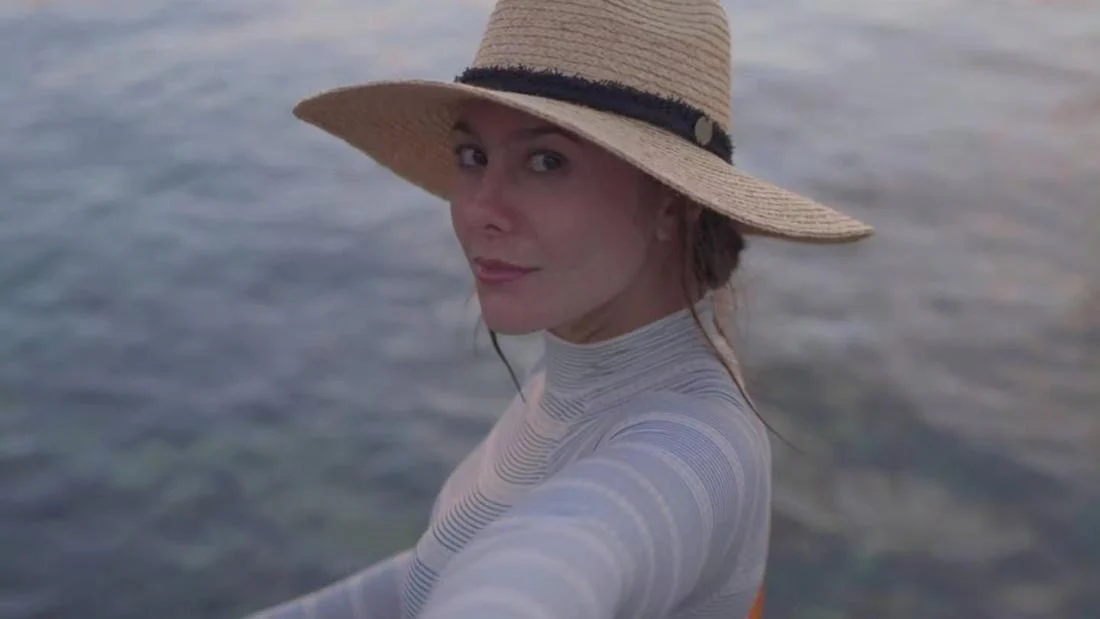
Renowned Indonesian actress Wulan Guritno recently embarked on an unforgettable journey to the breathtaking landscapes of East Nusa Tenggara (NTT), utilizing her prominent social media platform to not only showcase the region’s mesmerizing beauty but also to issue a heartfelt plea for environmental conservation. The trip, which captured the attention of millions of followers and travel enthusiasts alike, highlights the growing intersection between celebrity tourism and ecological awareness in Indonesia’s premier destination zones.
Main Facts of the Journey
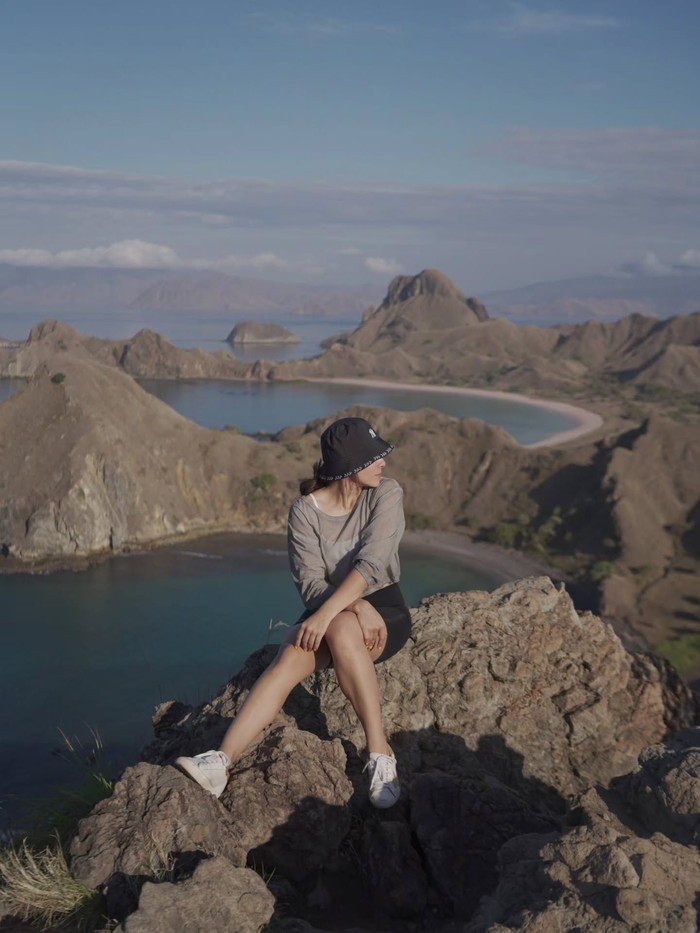
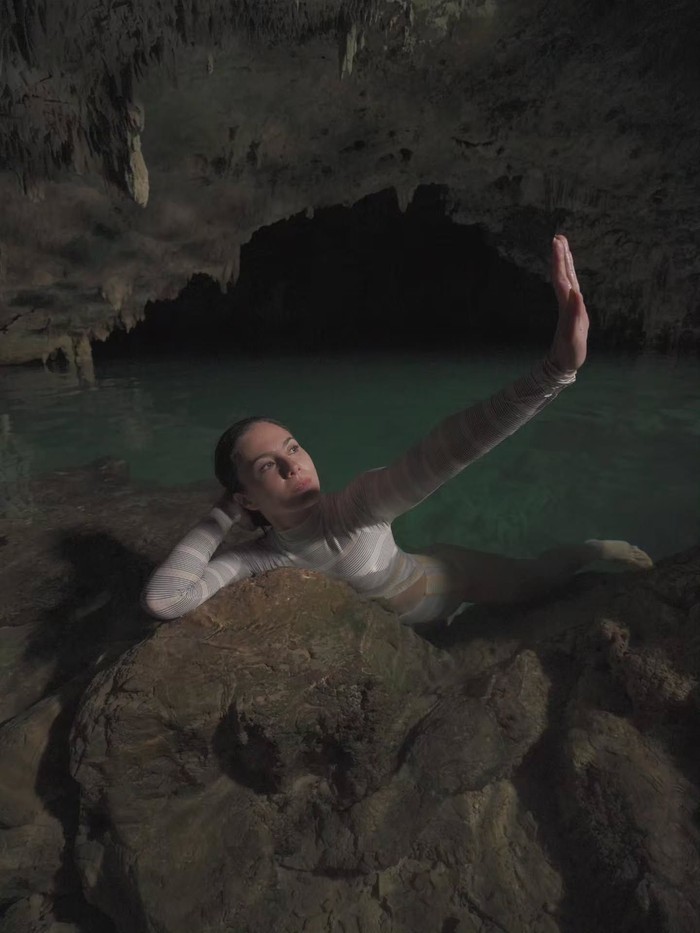
Wulan Guritno’s excursion through East Nusa Tenggara took her to some of the most iconic geographical landmarks in the archipelago. Her itinerary prominently featured the rugged, dramatic vistas of Padar Island—famous for its distinctive tricolor beaches and sweeping savanna hills—as well as the mystical, subterranean aquatic wonders of Rangko Cave. Throughout her travels, Guritno documented her experiences via Instagram, sharing cinematic visuals accompanied by captions that emphasized both the aesthetic grandeur and the fragile nature of these ecosystems.
In one of her widely shared posts from Padar Island, she quoted lyrics that mirrored the otherworldly landscape, writing, "Come with me.. And you’ll see." Beyond mere visual appreciation, however, the trip carried a deeper conservationist undertone. In another poignant post reflecting on her time exploring the hidden depths of Gua Rangko, she directly appealed to the public consciousness: "Indahnya alam Indonesia, dijaga yuk" (The beauty of Indonesia’s nature, let’s take care of it).
Chronology and Itinerary Breakdown
While specific dates within her mid-September 2026 itinerary remained fluidly reported through her social media updates, the chronological flow of her trip traced a classic, highly sought-after route through the Komodo National Park region and its surrounding regencies.

The journey reportedly commenced with her arrival in Labuan Bajo, the bustling gateway town on the western tip of Flores Island. Labuan Bajo serves as the logistical epicenter for travelers venturing into the Komodo National Park, a UNESCO World Heritage site renowned globally for its rich biodiversity, marine life, and the endemic Komodo dragon.
Following her acclimatization and initial coastal explorations, Guritno undertook the mandatory maritime and trekking expedition to Padar Island. Known for its steep topography and panoramic summit views, Padar presented a physical challenge that the actress navigated to capture the sunrise and the sprawling bays below.
The concluding phases of her publicized itinerary shifted toward the mainland and coastal fringes of Manggarai, specifically targeting Gua Rangko (Rangko Cave). Located in Boleng district, West Manggarai, this tidal pool cave features a hidden chamber filled with crystal-clear saltwater and illuminated by natural light filtering through stalactites, offering a stark contrast to the sun-drenched savannahs of Padar Island.
Supporting Data: The Rising Tourism Profile of East Nusa Tenggara
Wulan Guritno’s endorsement of East Nusa Tenggara aligns with broader national tourism data indicating a sustained surge of interest in Indonesia’s eastern regions. According to the Ministry of Tourism and Creative Economy, Labuan Bajo and the surrounding areas within the Flores-Komodo corridor have consistently ranked among Indonesia’s designated "Super Priority Tourism Destinations" (Destinasi Pariwisata Super Prioritas / DPSP).
Statistics from regional tourism boards prior to and leading into 2026 show a steady rebound and subsequent growth in both domestic and international visitor arrivals following infrastructure upgrades, including the expansion of Komodo Airport and enhanced port facilities for liveaboard vessels. However, this influx of tourism brings mounting ecological pressures. Environmental agencies have continuously monitored waste management challenges, coral reef degradation from unregulated anchoring, and the strain on local freshwater supplies in areas like Labuan Bajo and its neighboring islands.
Celebrity endorsements hold measurable weight within this economic and ecological matrix. Research in behavioral geography and digital media indicates that high-profile public figures sharing geotagged locations in emerging or protected regions can drive localized spikes in tourism demand—a phenomenon known as "set-jetting" or destination branding via social media influencers.
Environmental Context and Conservation Challenges
The timing and core message of Guritno’s trip touch upon critical conversations surrounding sustainable tourism in Indonesia. East Nusa Tenggara is ecologically sensitive, characterized by arid climates, vulnerable coastal ecosystems, and wildlife habitats that require stringent regulatory protection.
Padar Island, managed under the auspices of the Komodo National Park Authority, has previously faced scrutiny regarding carrying capacities. Authorities have periodically debated implementing stricter visitor caps, raising entrance fees, or restricting access to specific trekking paths to prevent soil erosion and preserve the natural flora and fauna. Similarly, hidden natural assets like Gua Rangko, which have transitioned from off-the-beaten-path local secrets to mainstream tourist hotspots, face risks related to littering and environmental degradation caused by unmanaged foot traffic.
When public figures like Wulan Guritno leverage their reach to advocate for preservation, conservationists view it as a vital counterweight to the purely commercial promotion of travel destinations. By coupling imagery of pristine waters and dramatic cliffs with an explicit call to action ("dijaga yuk"), high-profile travelers help foster a culture of responsible tourism among the broader public.
Broader Impact and Implications for Indonesian Tourism
The ripple effects of celebrity travelogues extend beyond immediate aesthetic appreciation, influencing policy discussions and consumer behavior alike. As Indonesia aims to balance its ambitious economic targets for foreign exchange earnings from tourism with its international commitments to sustainable development goals (SDGs), the narrative promoted by cultural icons plays an essential role.
Industry analysts note that modern travelers, particularly Millennials and Generation Z, increasingly prioritize ecological accountability when selecting vacation spots. Consequently, destinations that actively champion conservation, waste reduction, and community-based tourism are positioned to capture higher long-term value. Guritno’s message serves as a reminder that the commercial viability of East Nusa Tenggara as a world-class destination is inextricably linked to the physical preservation of its natural assets.
Ultimately, Wulan Guritno’s East Nusa Tenggara getaway transcends the boundaries of a standard celebrity vacation. By documenting the majestic topography of Padar Island and the serene seclusion of Gua Rangko while simultaneously urging collective stewardship, she has underscored a timeless imperative: that the breathtaking landscapes defining Indonesia’s eastern frontier require active, conscious protection from both policymakers and travelers alike if they are to endure for future generations.