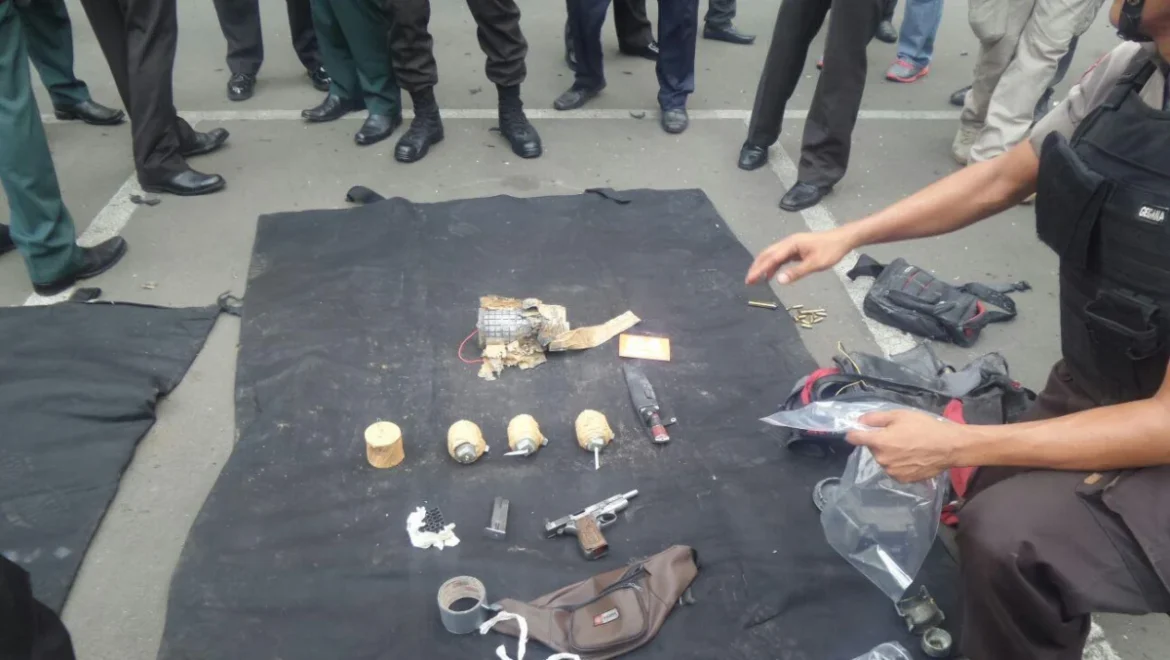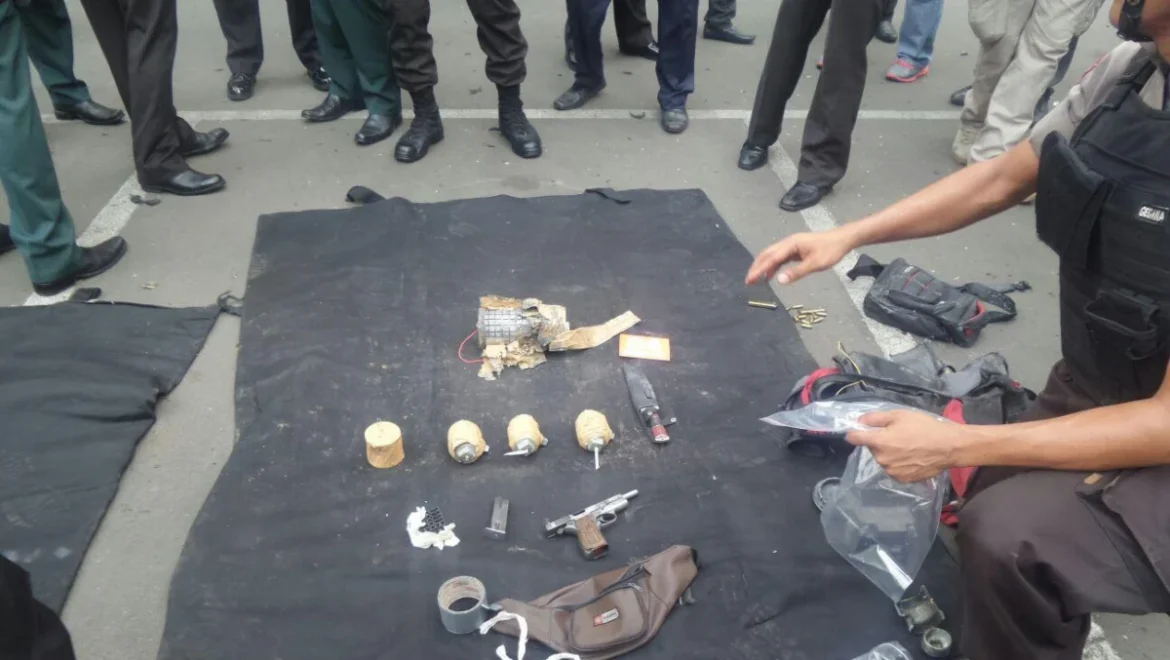
Jakarta, Indonesia – A coordinated terrorist assault struck the heart of Jakarta on Thursday, January 14, 2016, confirmed by authorities to be the work of the Islamic State of Iraq and Syria (ISIS) extremist group. The audacious attack, which unfolded along the bustling Jalan Thamrin, involved a combination of bombs, grenades, and firearms, including FN-type weapons, plunging the Indonesian capital into a state of high alert. The incident resulted in multiple casualties, including both civilians and security personnel, and immediately triggered a robust response from Indonesia’s elite counter-terrorism units.
Komjen Budi Gunawan, then Deputy Chief of the Indonesian National Police, confirmed ISIS’s culpability at the scene of the incident, stating, "It is true (ISIS)." He elaborated on the arsenal deployed by the perpetrators, noting, "There was an FN-type weapon. There were also bombs, grenades, and some bombs and grenades that were still active." The swift and decisive actions of security forces quickly brought the situation under control, with authorities assuring the public that there were no further hostage situations or active explosions beyond the initial sites. However, the attack left a grim tally of dead and injured, highlighting the persistent threat of radical extremism within the archipelago nation.
The Anatomy of an Attack: A Detailed Chronology
The morning of January 14, 2016, began like any other bustling weekday in Jakarta’s central business district, but the calm was shattered shortly after 10:30 AM local time. The first explosions rocked a Starbucks café and a police traffic post located at the busy intersection in front of the Sarinah department store, a prominent landmark on Jalan Thamrin. This initial volley of attacks, believed to involve suicide bombers, immediately caused panic and drew the attention of nearby security personnel.
Following the initial blasts, a group of armed assailants engaged in a fierce gun battle with police officers who quickly arrived at the scene. Eyewitnesses described scenes of chaos as gunmen opened fire indiscriminately, targeting civilians and security forces alike. The attackers strategically chose locations frequented by both locals and foreigners, including a Western-brand coffee shop, aiming to maximize fear and international media attention.
The response from the Indonesian National Police, particularly its renowned Special Anti-terror Detachment 88 (Densus 88), was remarkably swift and coordinated. Within minutes of the first reports, heavily armed Densus 88 operatives, along with regular police and military units, converged on the Thamrin area. They immediately established a perimeter, evacuated civilians, and began to engage the perpetrators. The exchange of fire continued for several hours as security forces systematically neutralized the attackers. By approximately 2:30 PM, police declared the area secure, confirming that all perpetrators had been either killed or apprehended. The precision and speed of the counter-terrorism operation were widely praised, preventing what could have been an even more devastating outcome.
Victims and Casualties: A Human Toll
The attack tragically claimed the lives of eight individuals, including four perpetrators. Among the victims were two civilians: an Indonesian national and a Canadian national. One Indonesian police officer also died in the line of duty. Additionally, one foreign national was reported injured. Komjen Budi Gunawan specified the targets chosen by the terrorists, stating, "There were indeed security forces who became targets, a command post, there were also government apparatus. Including foreign objects." This deliberate targeting underscored the terrorists’ intent to destabilize the nation and inflict maximum psychological impact. The loss of innocent lives and dedicated public servants served as a stark reminder of the sacrifices made in the face of extremism.
Unmasking the Threat: ISIS and its Indonesian Foothold
The confirmation of ISIS’s involvement marked a grim escalation in the domestic terror landscape. While Indonesia has a long history of grappling with radical Islamist groups, notably Jemaah Islamiyah (JI), the Jakarta attack signaled a direct and overt manifestation of ISIS’s global reach into Southeast Asia. Prior to this, Indonesian authorities had been increasingly concerned about the rise of ISIS-inspired cells and the radicalization of individuals, many influenced by propaganda disseminated online or by Indonesian foreign fighters who had traveled to Syria and Iraq.
Bahrun Naim, an Indonesian militant believed to be fighting with ISIS in Syria, was widely implicated as the orchestrator of the Jakarta attacks. Naim, a former internet café owner from Solo, Central Java, had become a prominent figure in ISIS’s online propaganda efforts, actively recruiting and instructing followers to launch attacks in Indonesia. His involvement underscored the transnational nature of the threat and the challenge of combating digital radicalization.
Indonesia’s experience with terrorism dates back to the early 2000s, with devastating attacks like the 2002 Bali bombings and the 2003 and 2009 hotel bombings in Jakarta, largely attributed to Jemaah Islamiyah. However, the modus operandi of the January 2016 attack—a blend of bombings and armed assaults in a public space—bore a striking resemblance to ISIS-orchestrated attacks seen in Paris and Brussels, indicating a shift in tactics among local extremist groups mirroring global trends. This evolving threat landscape necessitated a re-evaluation of Indonesia’s counter-terrorism strategies.
Official Reactions and National Resilience
In the immediate aftermath, President Joko Widodo, who was on a working visit to West Java, swiftly condemned the attacks. In a televised address, he declared, "Our nation and our people should not be afraid, we will not be defeated by these acts of terror. I have ordered the police chief and the security minister to chase and arrest the perpetrators and their network." His resolute stance aimed to reassure a shaken nation and project an image of strength and defiance.
Komjen Budi Gunawan also urged continued public vigilance, stating, "We still need to anticipate so that we are not outwitted." He called on citizens to report any suspicious new residents or activities in their communities, emphasizing the crucial role of public cooperation in national security.
The international community also responded with widespread condemnation. The United Nations, the United States, the United Kingdom, Australia, and numerous other countries expressed solidarity with Indonesia, offering condolences to the victims and pledging support for Indonesia’s counter-terrorism efforts. The attack served as a stark reminder of the global nature of the terrorist threat and the need for international collaboration.
Despite the shock and grief, the Indonesian public displayed remarkable resilience. The hashtag #KamiTidakTakut, meaning "We Are Not Afraid," quickly trended on social media platforms, symbolizing a collective refusal to succumb to fear. Many Jakartans returned to their routines the following day, demonstrating a powerful defiance against the terrorists’ objectives. This outpouring of solidarity and courage became a defining characteristic of Indonesia’s response to the attack.
Broader Impact and Implications
The Jakarta attack had far-reaching implications for Indonesia’s national security, economy, and social fabric.
National Security and Counter-Terrorism Strategy: The incident forced Indonesia to re-evaluate and strengthen its counter-terrorism laws and enforcement capabilities. While Densus 88 had been highly effective in disrupting numerous terror plots and apprehending hundreds of suspects in the years leading up to 2016, the Thamrin attack highlighted the persistent challenge of preventing radicalization and monitoring individuals influenced by foreign extremist ideologies. The government subsequently intensified efforts to track returning foreign fighters from Syria and Iraq, enhance intelligence gathering, and bolster border security. Discussions around expanding the powers of counter-terrorism agencies and updating anti-terrorism legislation gained significant momentum.
Economic Repercussions: In the short term, the attack inevitably caused a dip in tourism and investor confidence. Jalan Thamrin, a major commercial artery, saw reduced activity immediately after the incident. However, Indonesia’s economy, particularly its tourism sector, has historically demonstrated resilience in the face of such adversities. The rapid containment of the attack and the government’s strong response helped mitigate prolonged economic fallout. Long-term impacts were largely contained, demonstrating the underlying strength and adaptability of the Indonesian economy.
Social Cohesion and Religious Tolerance: Indonesia, the world’s most populous Muslim-majority nation, prides itself on its tradition of moderate Islam and Pancasila, the state ideology emphasizing unity in diversity. The attack, perpetrated in the name of a radical ideology, posed a challenge to this social cohesion. The government and civil society organizations redoubled efforts to promote deradicalization programs, counter extremist narratives, and foster interfaith dialogue. Religious leaders played a crucial role in condemning the violence and reinforcing messages of peace and tolerance, ensuring that the actions of a small extremist fringe did not tarnish the reputation of the broader Muslim community.
The Evolving Threat of Homegrown Extremism: The Jakarta attack served as a stark reminder that while the operational capabilities of groups like JI had been degraded, the ideological allure of radical Islam, particularly that propagated by ISIS, continued to resonate with a segment of the population. The threat shifted from centralized, large-scale plots to more decentralized, small-cell, or even "lone wolf" attacks, making detection and prevention more complex. This necessitated a multi-pronged approach encompassing law enforcement, intelligence, education, and community engagement to address the root causes of radicalization.
Conclusion: A Nation Undeterred
The January 14, 2016, terror attack in Jakarta was a brutal reminder of the global reach of extremist ideologies and the persistent threat they pose to open societies. While the incident caused tragic loss of life and momentarily shook the capital, Indonesia’s swift response, coupled with the unwavering resolve of its people, demonstrated the nation’s steadfast commitment to combating terrorism. The attacks underscored the continuous need for vigilance, robust counter-terrorism measures, and a collective societal effort to counter radicalization. As Indonesia continues to navigate the complexities of modern terrorism, its experience in Thamrin stands as a testament to its resilience and determination to uphold peace, security, and its cherished values of pluralism and tolerance. The battle against extremism remains ongoing, but the spirit of "Kami Tidak Takut" continues to resonate throughout the archipelago.